December Uplands — History & Facts
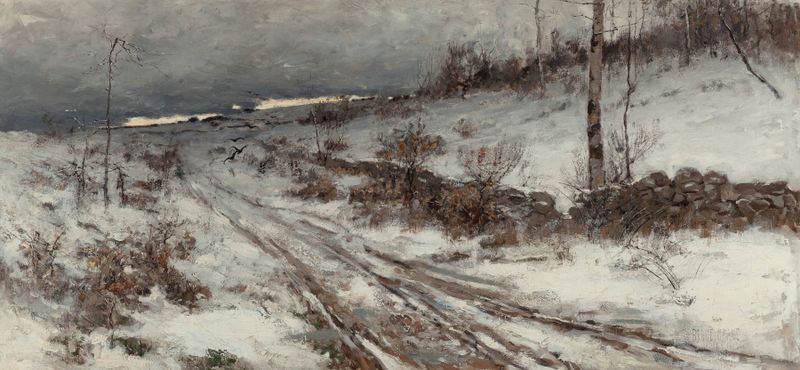
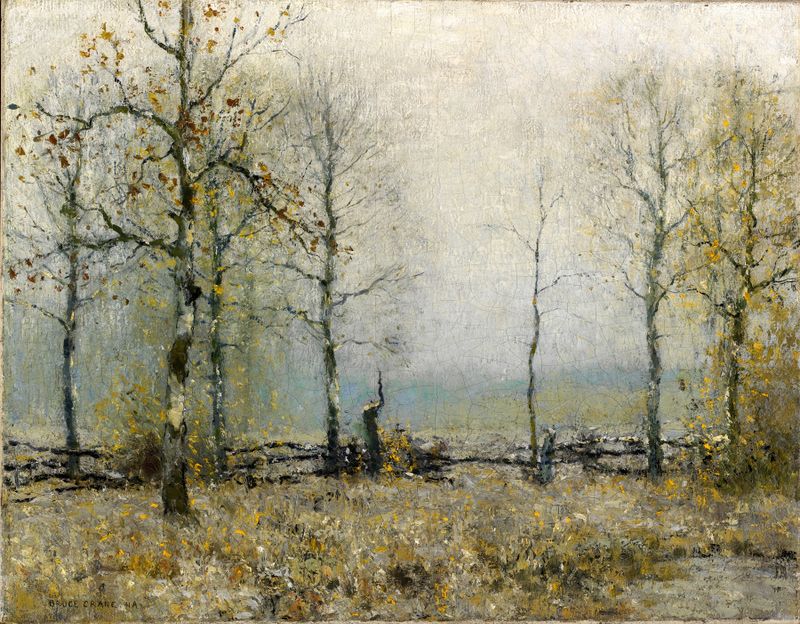
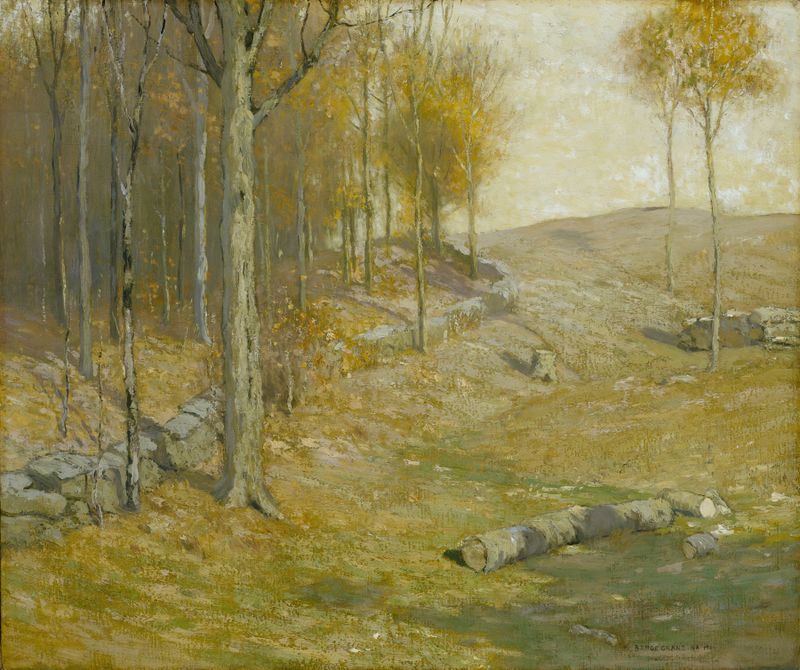
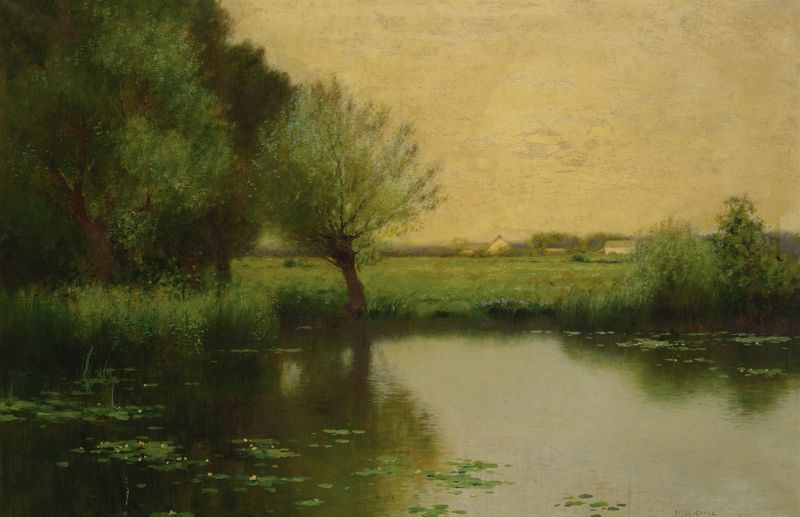
What if silence could speak through light? In December Uplands, the delicate interplay of dusk and frost whispers of fragility in a world often overlooked. Focus on the gentle slope of the rolling hills as they disappear into a soft, grey horizon. The muted palette, composed of pale blues and silvery whites, captures the ethereal quality of a winter afternoon. Notice how the sun's last rays filter through the skeletal branches, casting elongated shadows that dance upon the snow.
The overall composition invites the viewer to breathe in the stillness, every brushstroke a testament to the quiet beauty of nature. Hidden within the landscape lies a poignant contrast between the vibrant life that once thrived and the stillness of winter. The bare trees, stripped of their foliage, evoke a sense of loss, yet they stand resilient against the chill, embodying both vulnerability and strength. The play of light and shadow speaks to the fleeting nature of time, reminding us of the transience of seasons and the delicate balance of existence itself. Bruce Crane painted December Uplands in 1919, a period marked by the shadow of World War I and the collective search for solace in nature's embrace.
Residing in the United States, Crane was part of an artistic movement that sought to capture American landscapes with a romantic yet realistic lens. His work during this time reflects a deep connection to the natural world and an understanding of its fragility amidst the chaos of human life.