The Fall Season — History & Facts
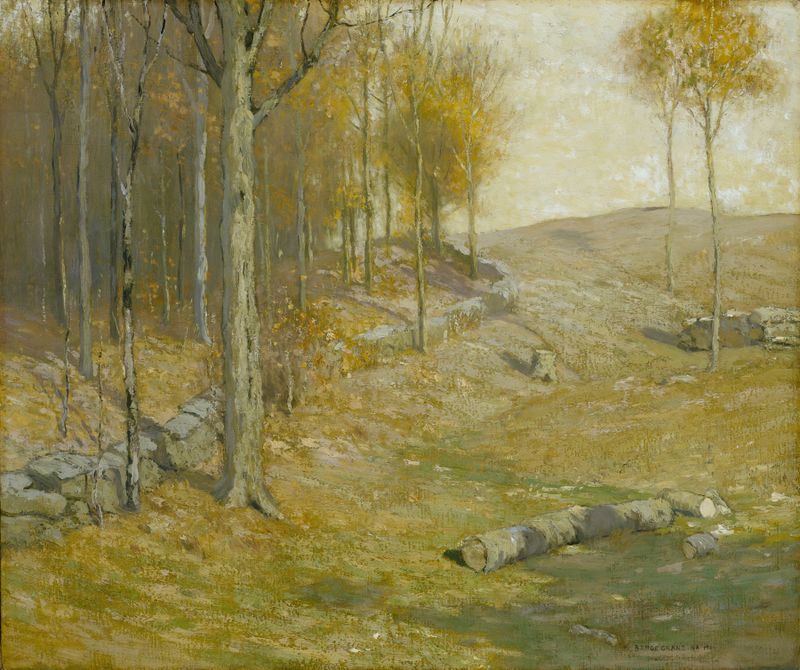
When did color learn to lie? The vibrant hues of autumn draw us into a world where nature's palette transforms reality, inviting questions about truth and perception. Look to the lower left, where splashes of burnt orange and crimson clash against the deep greens of evergreens. The brushstrokes dance with spontaneity, capturing the fleeting beauty of a fall day. Notice how the sunlight pours through the branches, casting dappled shadows that play across the ground, guiding your eye deeper into the canvas.
Each stroke vibrates with life — the colors pulse and intertwine, creating an inviting warmth just as the air begins to chill. Yet, upon closer inspection, a sense of melancholy settles beneath the bright surface. The golden leaves, while vibrant, foreshadow their inevitable descent, echoing the transient nature of life itself. In the distance, soft silhouettes of trees stand like guardians to a whispering secret, hinting at stories untold.
The juxtaposition of the lively foreground and the somber backdrop evokes a bittersweet tension, a reflection of the cycle of seasons that brings both beauty and loss. Bruce Crane created this evocative piece during the early 20th century, a period marked by both artistic innovation and a growing appreciation for American landscapes. As he painted, the art world was transitioning from the ideas of Impressionism to the more personal and emotional expressions of the modern era. With a keen eye for natural beauty and a love for the changing seasons, the artist sought to immerse viewers in a moment that resonates with both joy and contemplation, encapsulating the spirit of autumn in a timeless tableau.