
A Wooded Lane — History & Facts
Can beauty exist without sorrow? The allure of nature often conceals a longing that goes unspoken, a desire that intertwines with the serene. Focus first on the delicate play of light filtering through the trees, casting dappled shadows upon the path. Notice how the soft greens and browns create a tapestry of color, inviting you to step into the woods. The composition gently draws the eye down the lane, creating a sense of depth and movement, as if the viewer is being beckoned forward into both the wilderness and their own thoughts. Beneath this tranquil surface lies a tension between solitude and connection.
The winding lane suggests a journey, yet its isolation hints at an introspective longing. The careful brushwork captures the leaves' rustling whispers, evoking memories of what might have been—a fleeting moment of joy juxtaposed with an unfulfilled desire. Each detail, from the subtle twinkle of sunlight on foliage to the soft earthiness of the path, speaks to the complexity of human emotion and experience. In 1825, Bonington painted this piece in France, during a period marked by a burgeoning interest in Romanticism and its celebration of nature.
At this time, he was navigating the challenges of artistic recognition while grappling with his own health issues. His works, characterized by their luminous landscapes, reflect both the beauty of the natural world and the melancholy of transient moments, a duality that resonates in A Wooded Lane.
More Artworks by Richard Parkes Bonington
Browse all →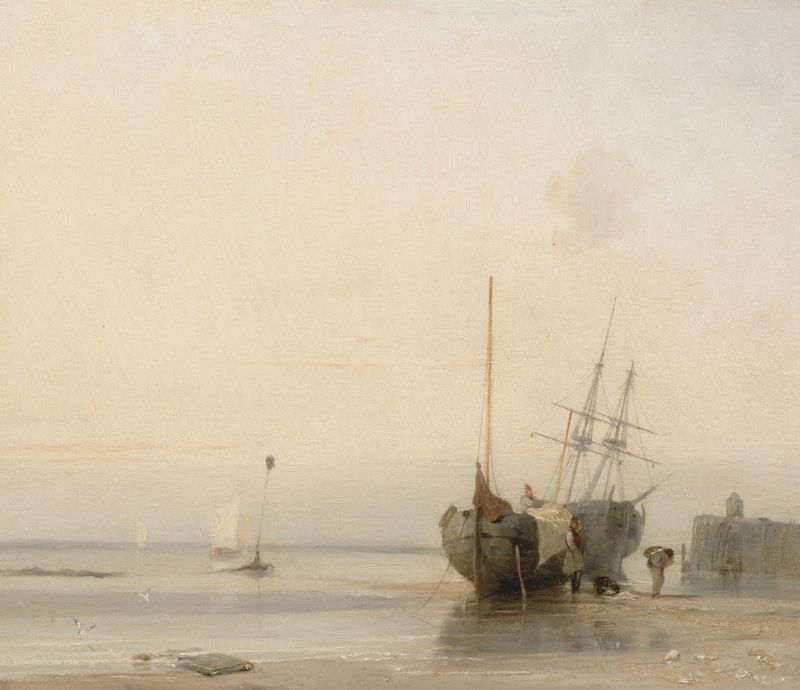
Calais Jetty, France
Richard Parkes Bonington
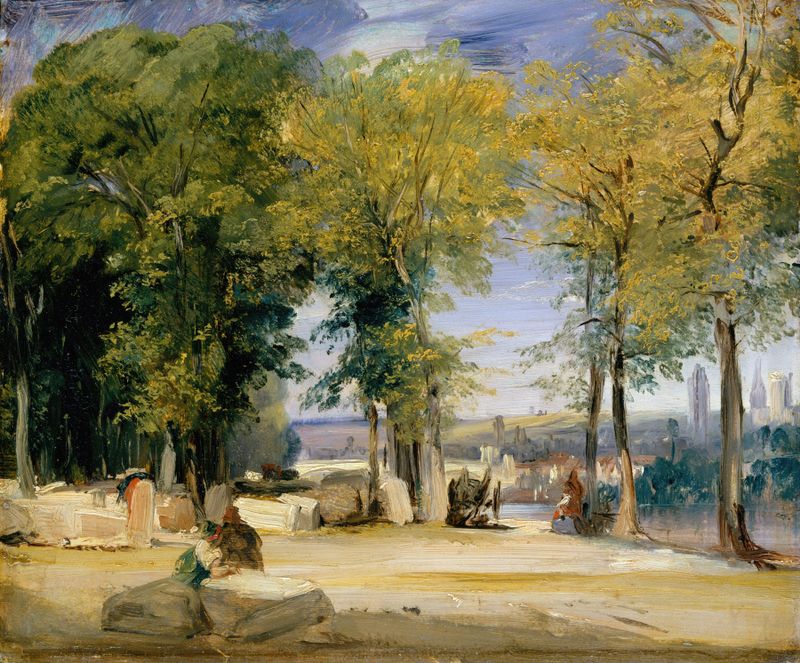
View near Rouen
Richard Parkes Bonington
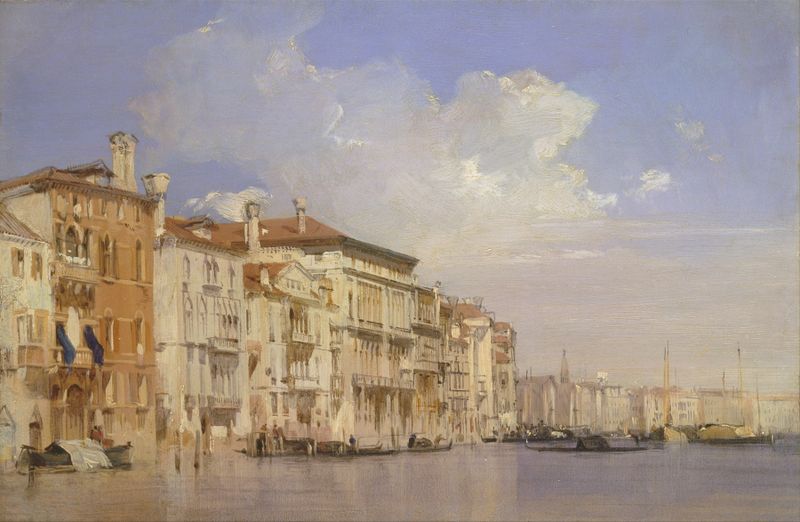
Grand Canal, Venice
Richard Parkes Bonington
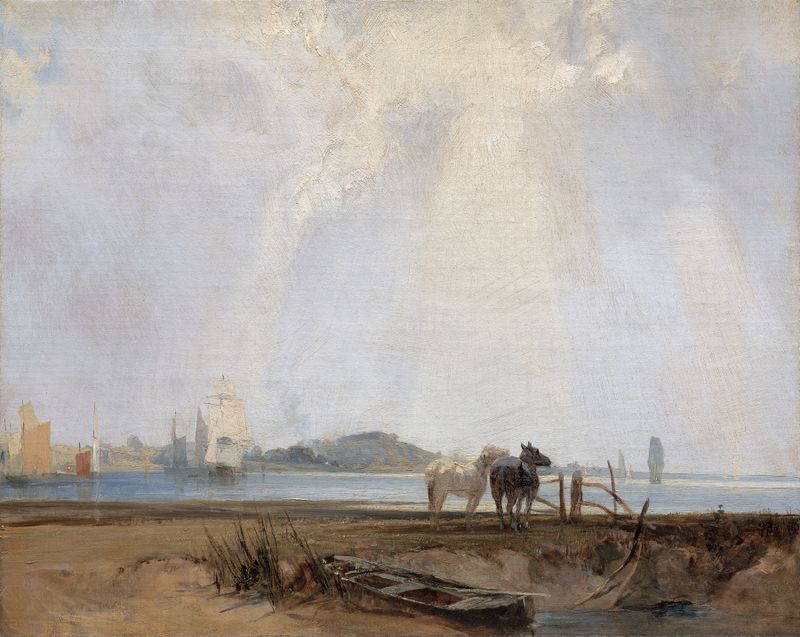
Near Quillebeuf
Richard Parkes Bonington
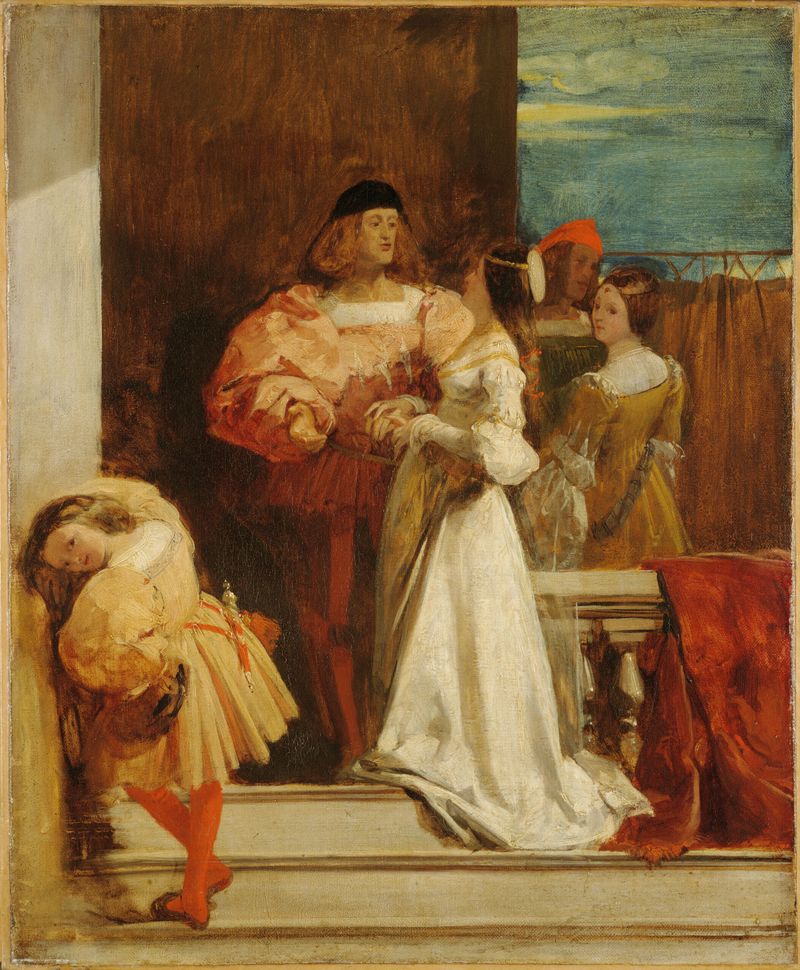
Evening in Venice
Richard Parkes Bonington
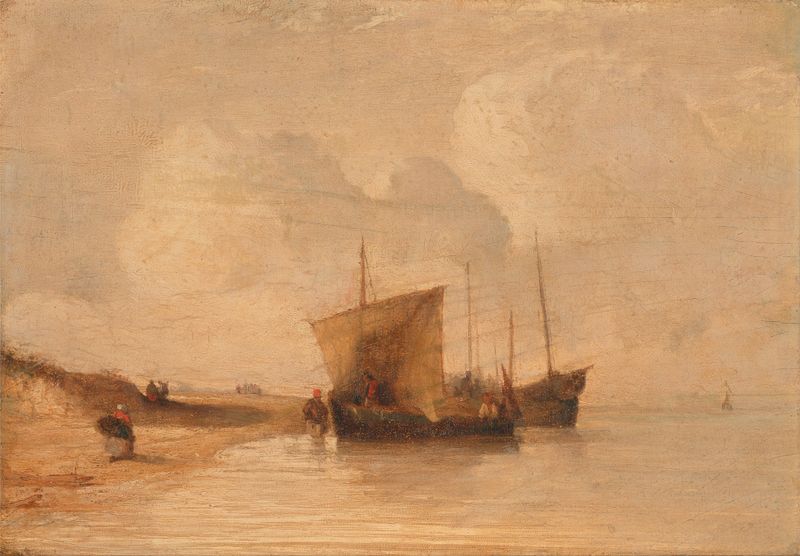
Normandy Coast
Richard Parkes Bonington
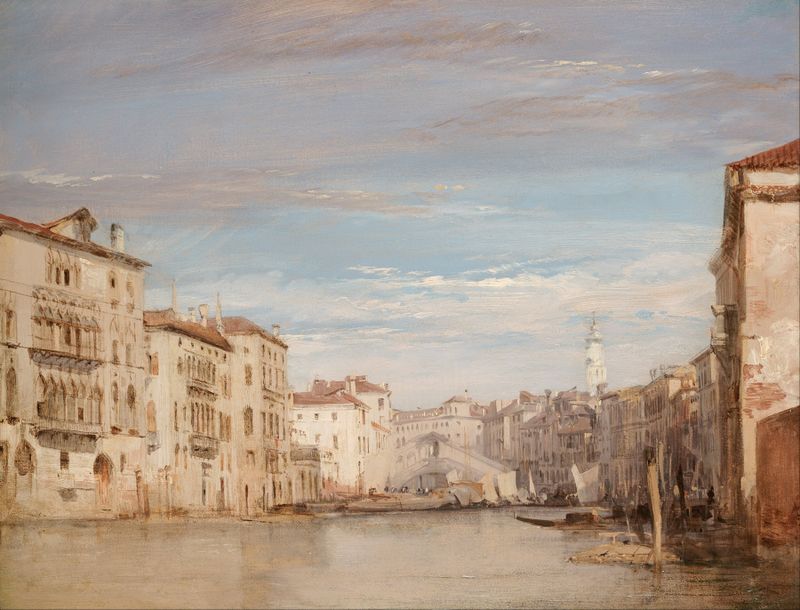
The Grand Canal, Venice, Looking Toward the Rialto
Richard Parkes Bonington
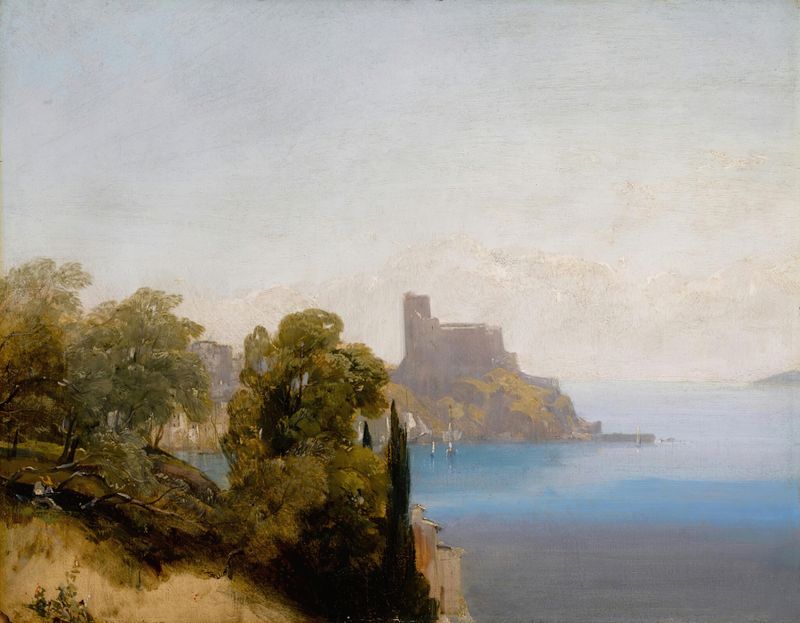
View of Lerici with Baron Charles Rivet sketching in the foreground
Richard Parkes Bonington
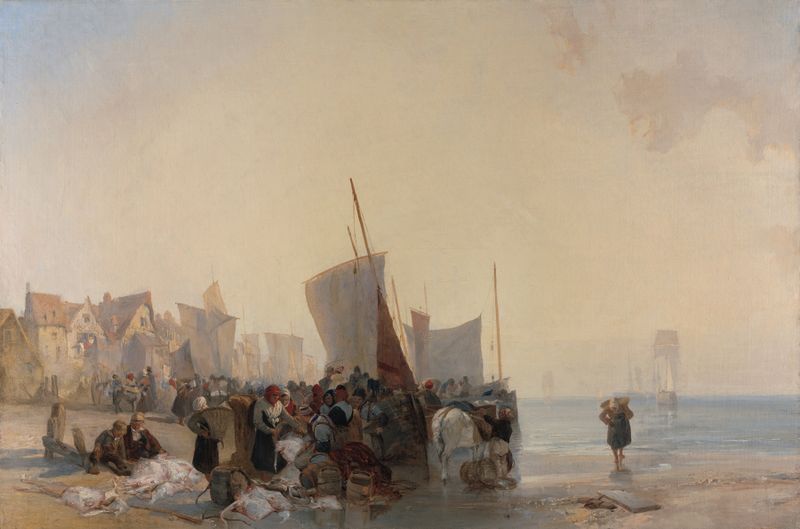
A Fish-market near Boulogne
Richard Parkes Bonington
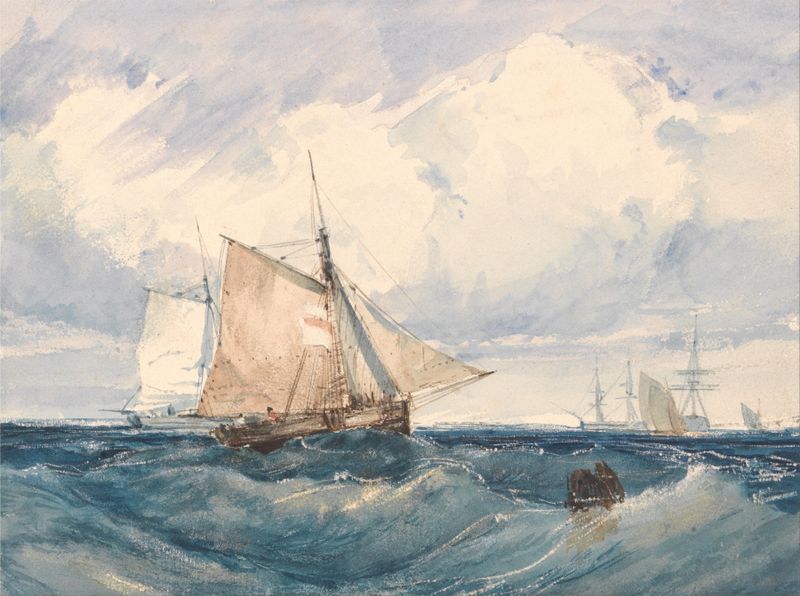
A Cutter and other shipping in a Breeze
Richard Parkes Bonington





