
Aanbidding door de koningen — History & Facts
What secret hides in the quiet of the canvas? In Aanbidding door de koningen, a delicate interplay of light and shadow invites viewers to ponder the transcendence of devotion. Look to the center, where three kings kneel in reverence before a luminous figure bathed in divine glow. The artists' meticulous technique captures the intricate folds of their opulent robes, drawing your eyes to the rich palette of golds and deep blues that create a sense of both wealth and humility. Notice how the ethereal light seems to emanate from the holy child, illuminating the somber expressions of the kings, whose hands are outstretched in a gesture that speaks of both awe and submission. Beneath this serene tableau lies a tension between earthly power and spiritual humility.
The kings, adorned with jewels and crowns, symbolize temporal authority, yet their posture reveals vulnerability, as if they are stripped of their crowns in the face of divinity. This contrast highlights the universality of faith, suggesting that even the mightiest must bow before a greater truth. The surrounding figures, shrouded in shadow, amplify the sacredness of the moment, creating an intimate atmosphere that resonates with the viewer. Jacques Callot painted this work between 1621 and 1635, a period marked by both artistic innovation and the religious fervor of the Counter-Reformation.
Residing in France but influenced by Italian masters, Callot's focus on narrative and emotional depth reflects the era's search for meaning amidst tumultuous change. His ability to weave intricate detail with profound themes captured the spirit of his time, making this piece resonate through centuries.
More Artworks by Jacques Callot
Browse all →
Titelprent voor de prentreeks 'De kleine apostelen' (Het martelaarschap van de apostelen)
Jacques Callot
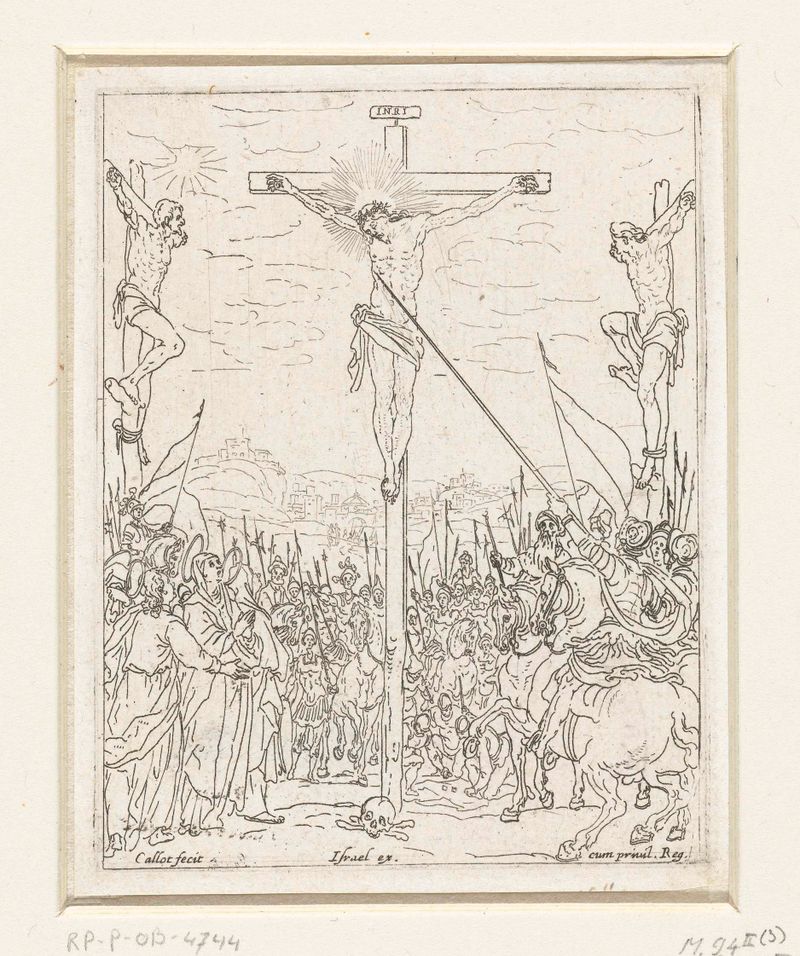
Kruisiging
Jacques Callot

De doortocht door de Rode Zee
Jacques Callot

De verloren zoon als zwijnenhoeder
Jacques Callot

Annunciatie
Jacques Callot
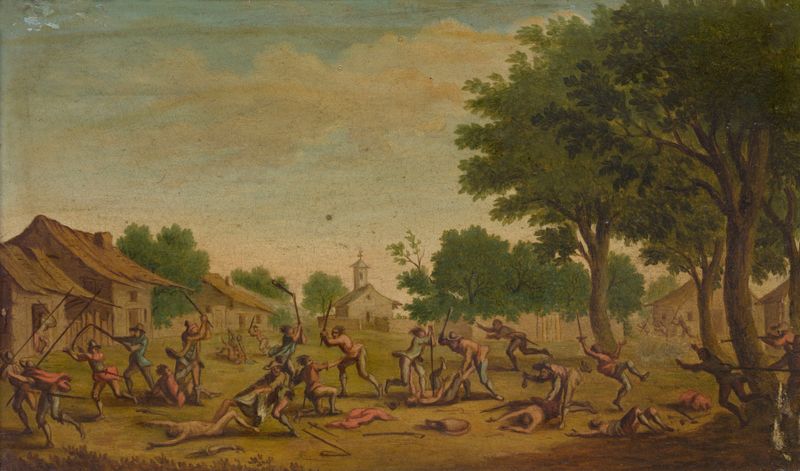
Village Fight
Jacques Callot

Titelprent voor prentreeks 'Het leven van Maria'
Jacques Callot
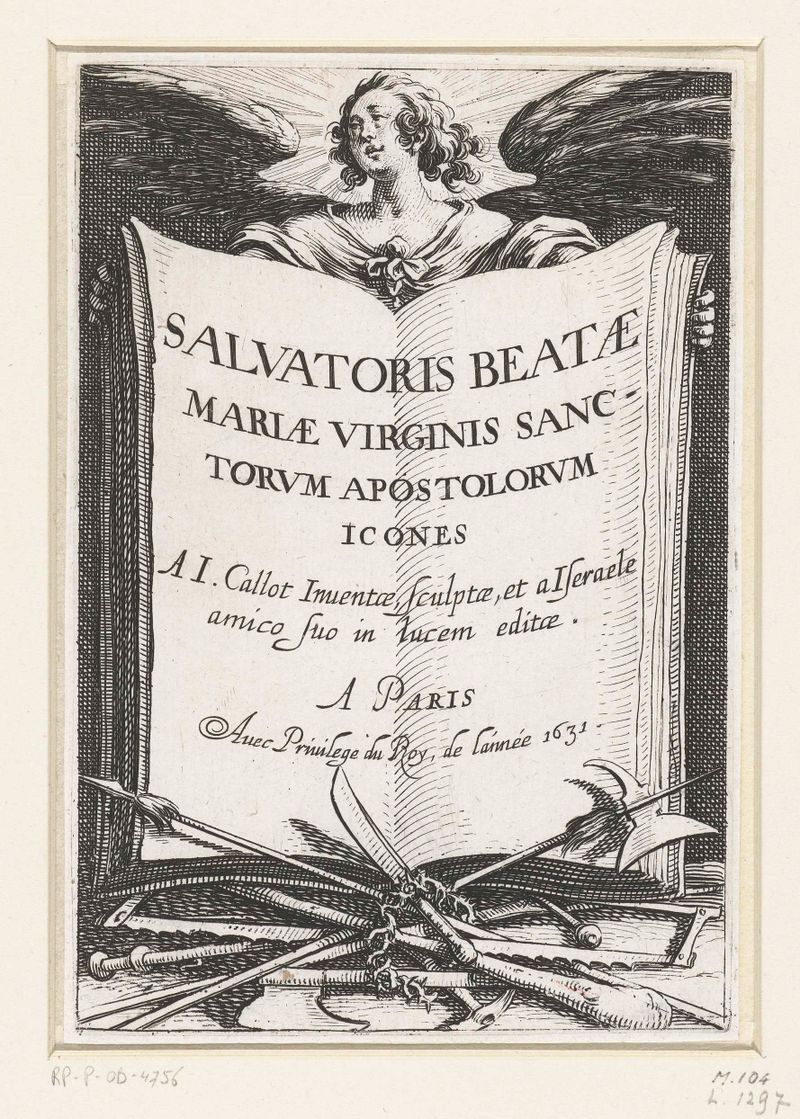
Titelprent voor de prentreeks 'De grote apostelen' (Christus, Maria en de apostelen)
Jacques Callot

Christus aan het volk getoond (Ecce homo)
Jacques Callot
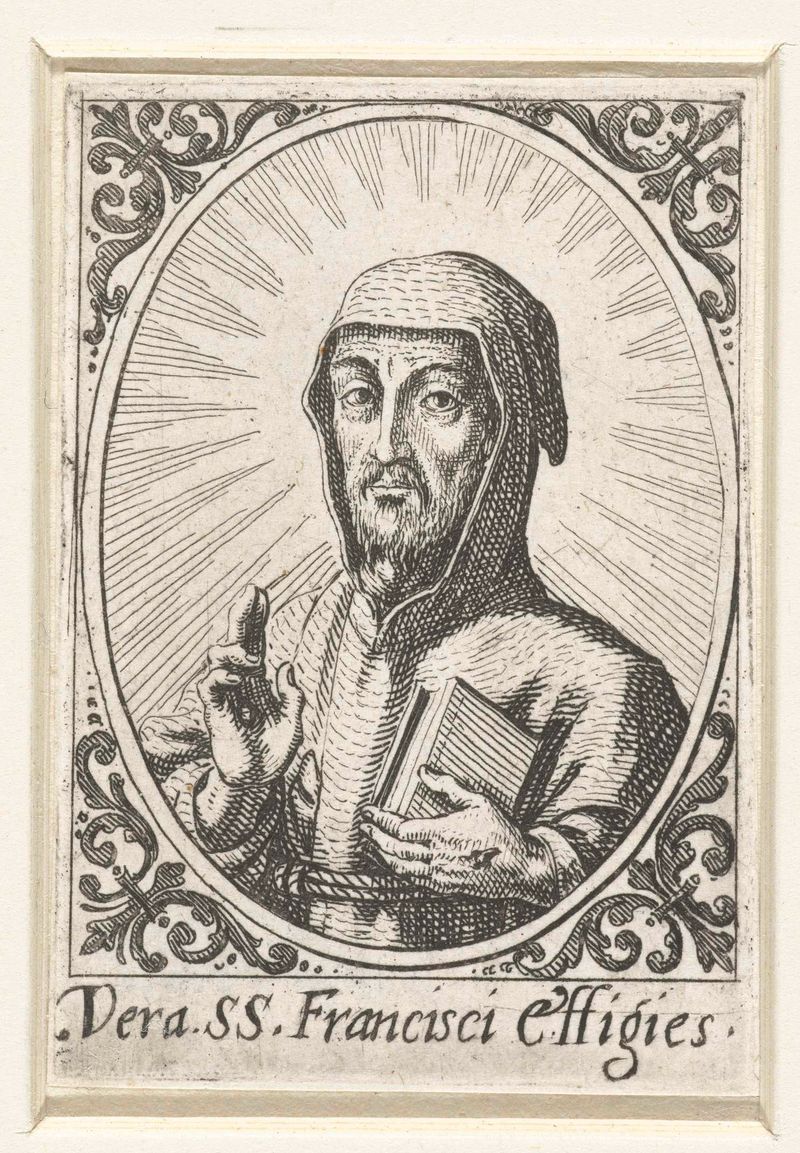
Portret van de Heilige Franciscus
Jacques Callot
More Religious Art
Browse all →
The Return of the Prodigal Son
Rembrandt van Rijn

The Garden of Earthly Delights
El Bosco

Count Orgaz’ funeral
El Greco

The Hundred Guilder Print: the central piece with Christ preaching, the plate arched
Rembrandt van Rijn

The Descent from the Cross
Rogier van der Weyden

The return of the prodigal son
Rembrandt van Rijn