
Abattage des Pins — History & Facts
Can paint confess what words never could? In the quiet of Abattage des Pins, the canvas whispers the unspoken truths of life and destiny, where nature meets human intervention. Look to the foreground where a group of laborers, clad in muted tones, are engaged in the arduous task of felling trees. Their bodies are tense with effort, yet there’s an unmistakable harmony in their coordination, as if they are dancers on a stage where the forest serves as both backdrop and adversary. Notice how the light filters through the towering pines, casting intricate shadows that stretch across the ground, lending an ethereal quality to the gritty reality of their work.
The earthy palette of greens and browns contrasts sharply with the crisp blues of the sky, enhancing the somber yet serene mood. This scene speaks to the dichotomy of progress and preservation. Each tree that falls symbolizes not just a loss, but a profound exchange—a sacrifice for development, a bridging of destinies. The expressions on the laborers’ faces capture a blend of determination and resignation, revealing their emotional connection to the land and the inevitable transformations it undergoes.
In this moment, the viewer is drawn to ponder the broader implications of humanity's relationship with nature and the future they carve from it. In 1887, when this work was created, Auguste Louis Lepère was entrenched in the burgeoning world of impressionist art in France. His focus on landscapes and rural life reflected a broader cultural shift towards realism, highlighting the tension between industrialization and traditional ways of living. During this time, France was grappling with rapid changes—politically, socially, and artistically—making Lepère's exploration of humanity's role within nature both timely and poignant.
More Artworks by Auguste Louis Lepère
Browse all →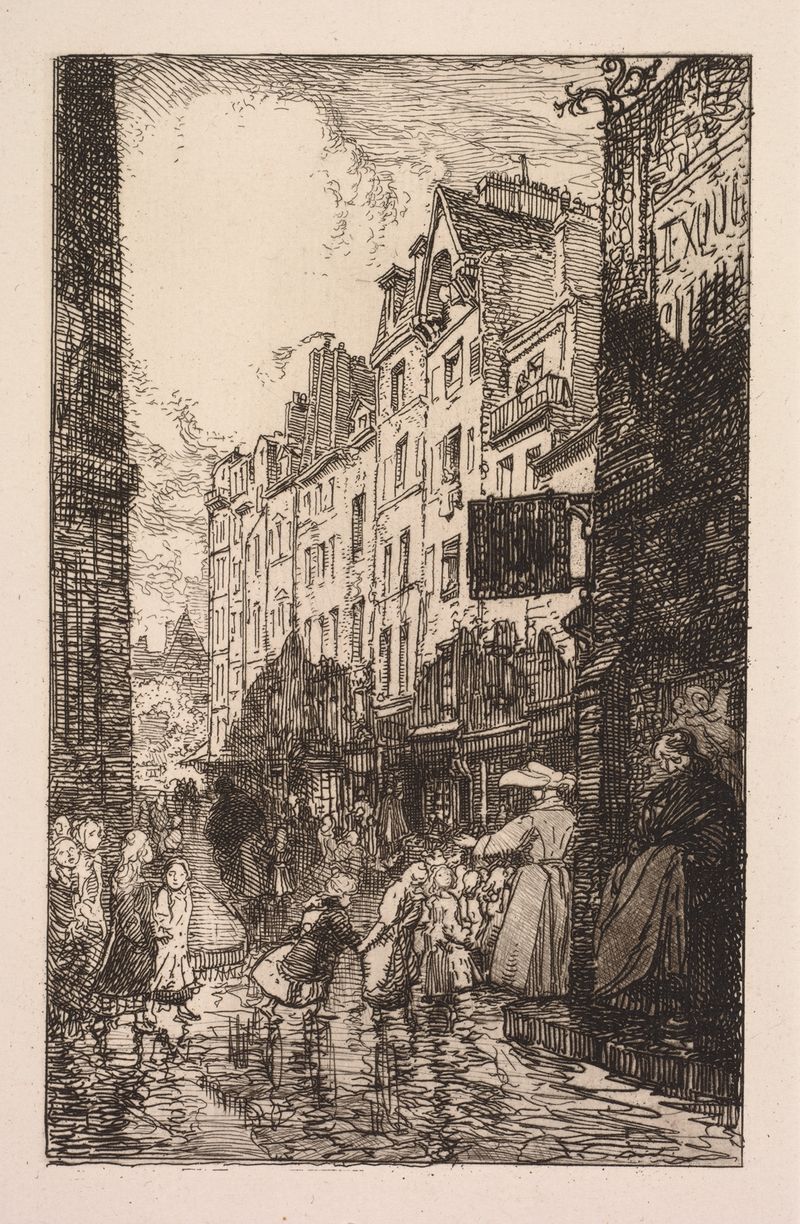
La Rue des Prêtres Saint-Séverin
Auguste Louis Lepère
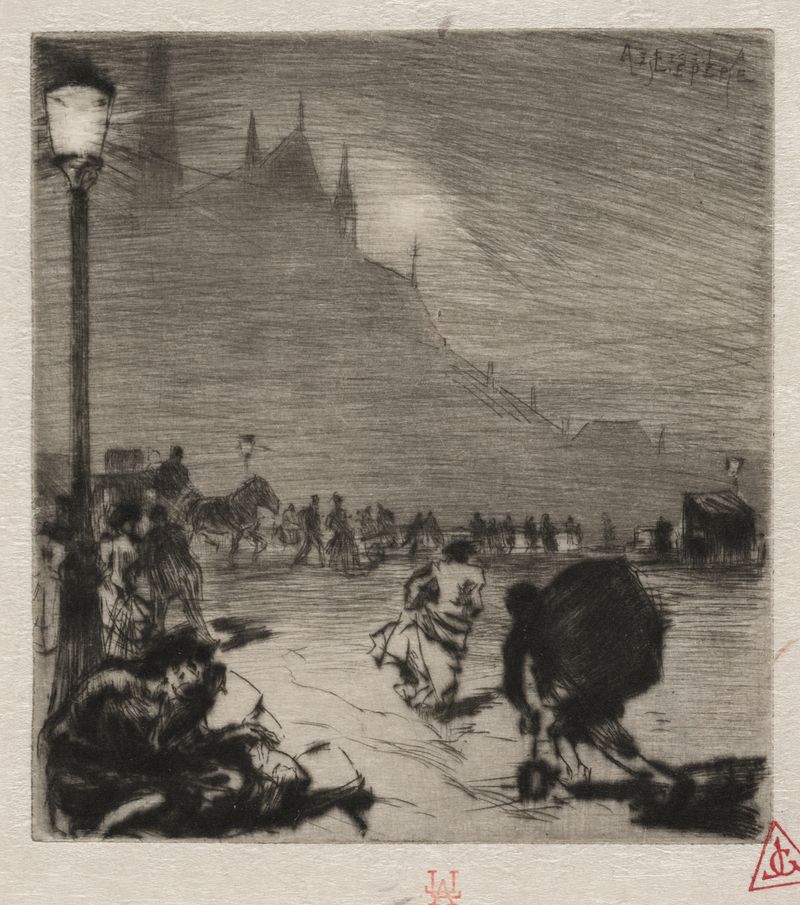
Au Coin du Pont-aux-Doubles
Auguste Louis Lepère
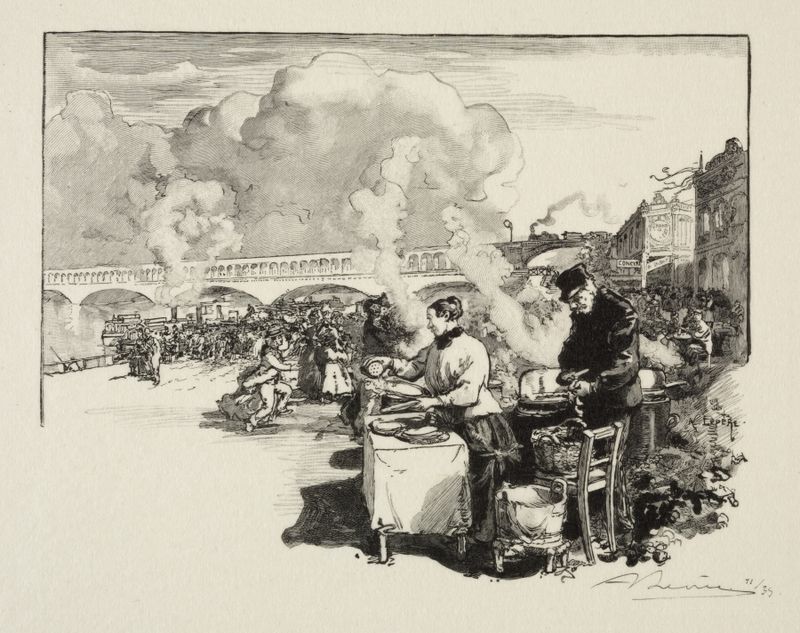
Debarcadère des bateaux-omnibus
Auguste Louis Lepère

La Seine, au quai de la Rapée
Auguste Louis Lepère
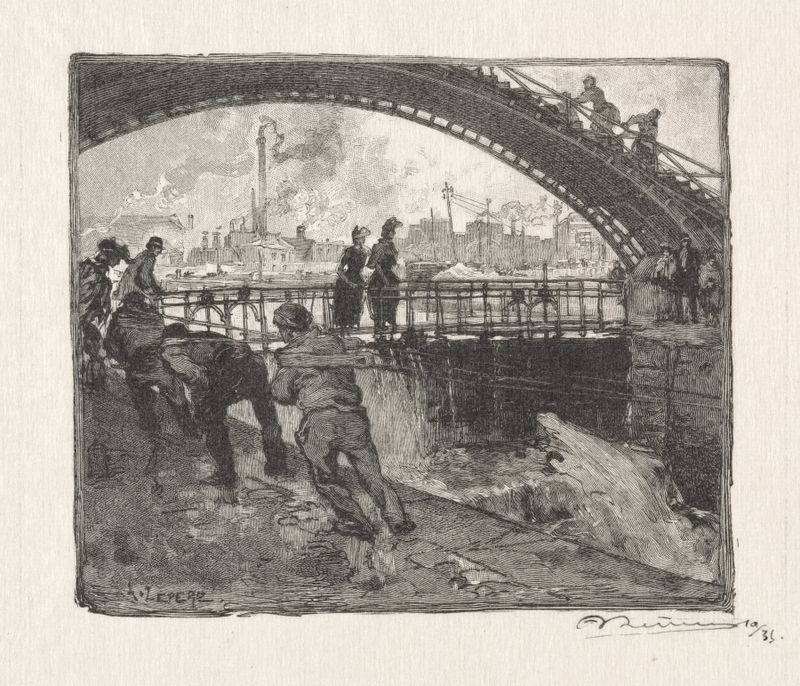
L’Ecluse du Canal St. Martin
Auguste Louis Lepère

Le Boulevard Montmartre, le Soir
Auguste Louis Lepère

Une Chasse au Mont Gérard
Auguste Louis Lepère
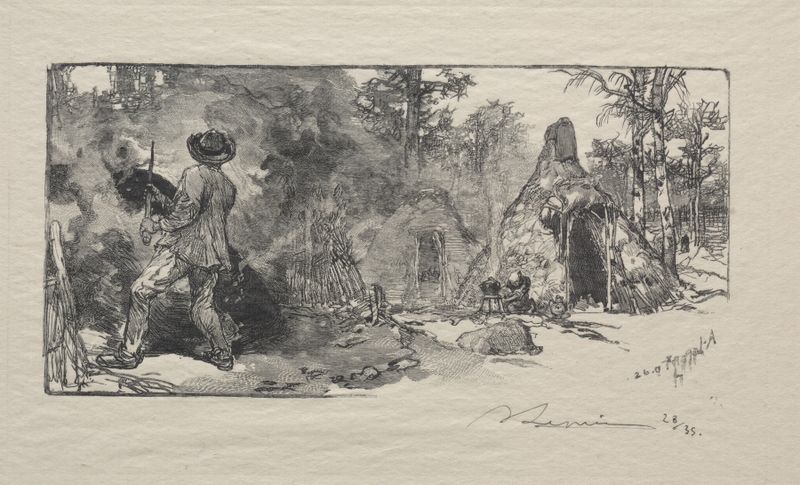
Les Charbonniere
Auguste Louis Lepère
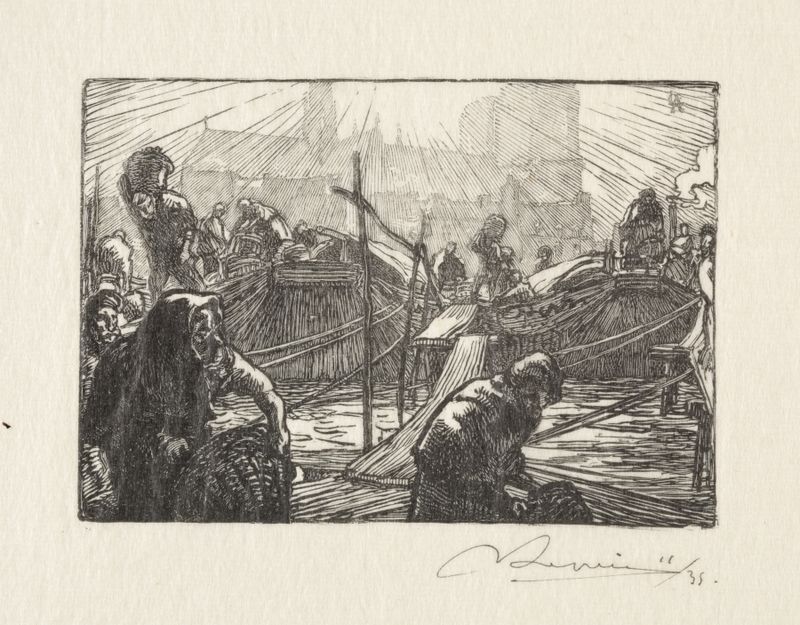
Notre Dame vue du Marché aux pommes
Auguste Louis Lepère

Le Palais des Arts Liberaux, Intèrieur
Auguste Louis Lepère





