
Abbot Antoine Ortica — History & Facts
The first thing to catch the eye in Abbot Antoine Ortica by Alessandro Longhi is the directness of the sitter’s gaze—confident, almost conspiratorial, as if inviting the viewer into a private conversation. The abbot’s hand, poised with a letter, is not a casual detail: it signals intellect, correspondence, and perhaps a life lived within the world of ideas. The lace at his throat and wrist is rendered with a delicate precision, a flourish that hints at both refinement and status.
The background recedes into darkness, pushing the sitter forward, while the gentle modeling of the face and hands draws attention to the man’s presence and poise. This portrait, dated 1777, belongs to a world where likeness was more than record—it was a statement of identity and ambition. In late eighteenth-century Venice, artists like Alessandro Longhi were in demand among the city’s professionals, clergy, and intellectuals, who sought to assert their place in a society both traditional and restless for change. Portraits such as this were often commissioned to commemorate achievement or to serve as tokens of esteem among peers.
Though history has kept few traces of Abbot Antoine Ortica himself, the painting’s survival—passing through collections and, as of the source, offered at Sotheby’s—reminds us how portraiture once shaped reputations and preserved the subtle drama of a meeting of eyes. Look again at the letter: it is both invitation and evidence, a bridge between sitter and viewer across centuries.
More Artworks by Alessandro Longhi

Portrait of a Young Woman
Alessandro Longhi
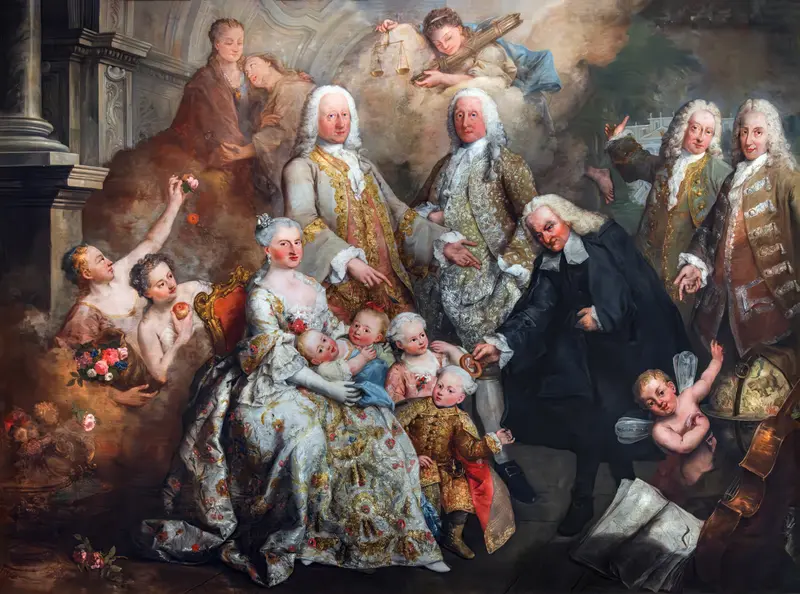
Portrait of Almorò III Alvise Pisani and his family
Alessandro Longhi
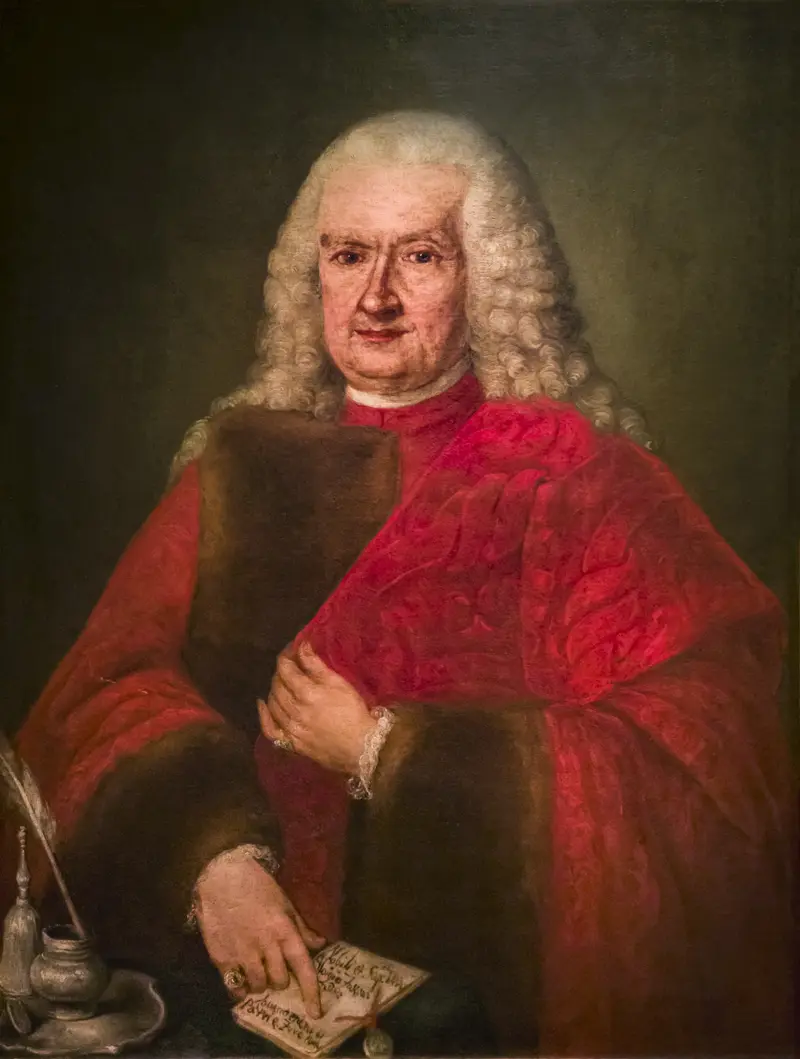
Aloisio Foscari
Alessandro Longhi
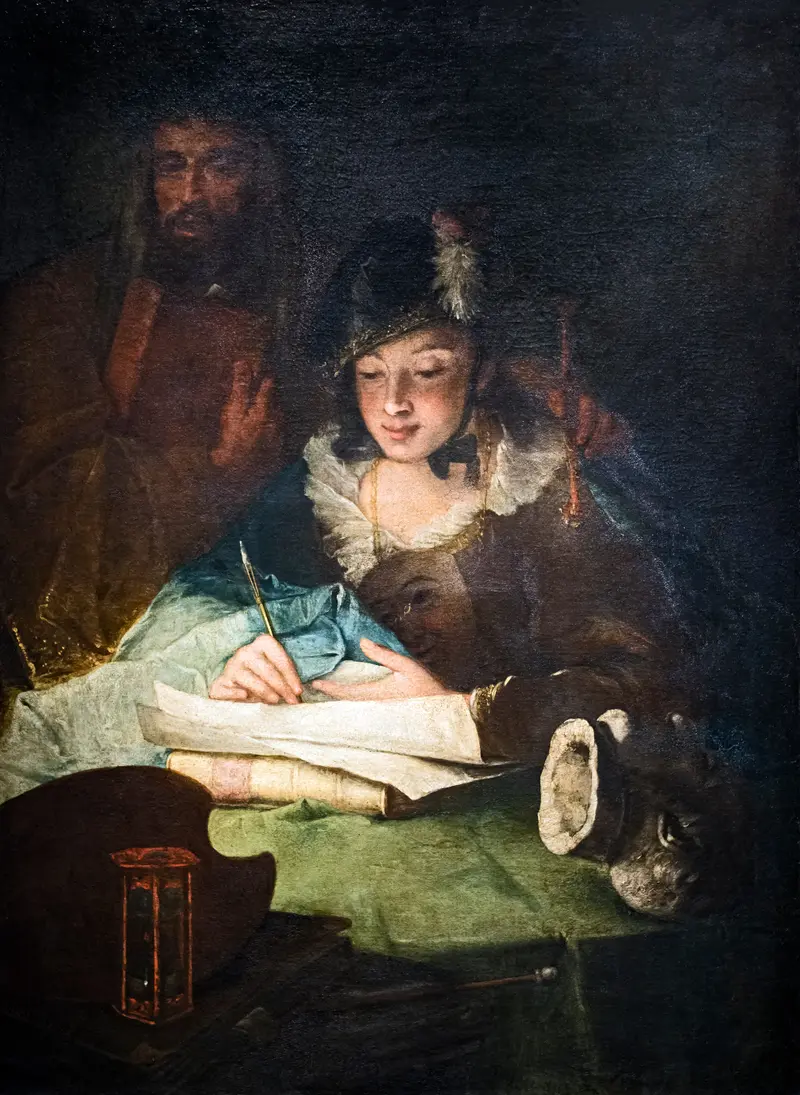
Painting and Merit
Alessandro Longhi
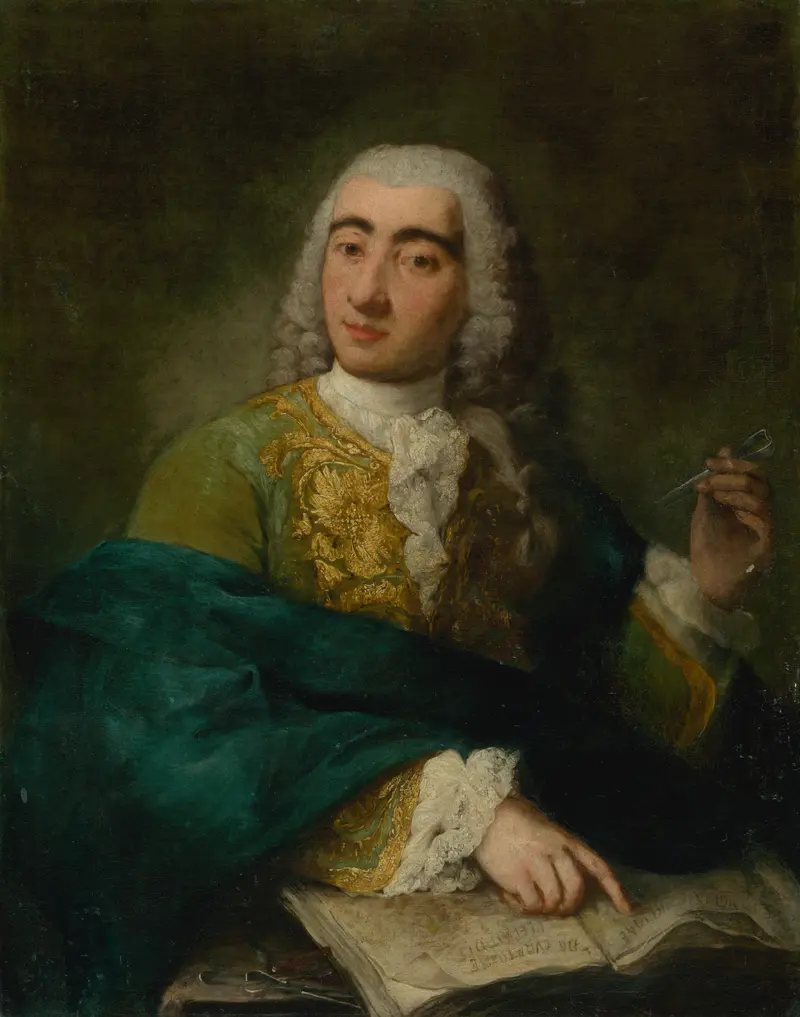
Portrait of a Physician
Alessandro Longhi
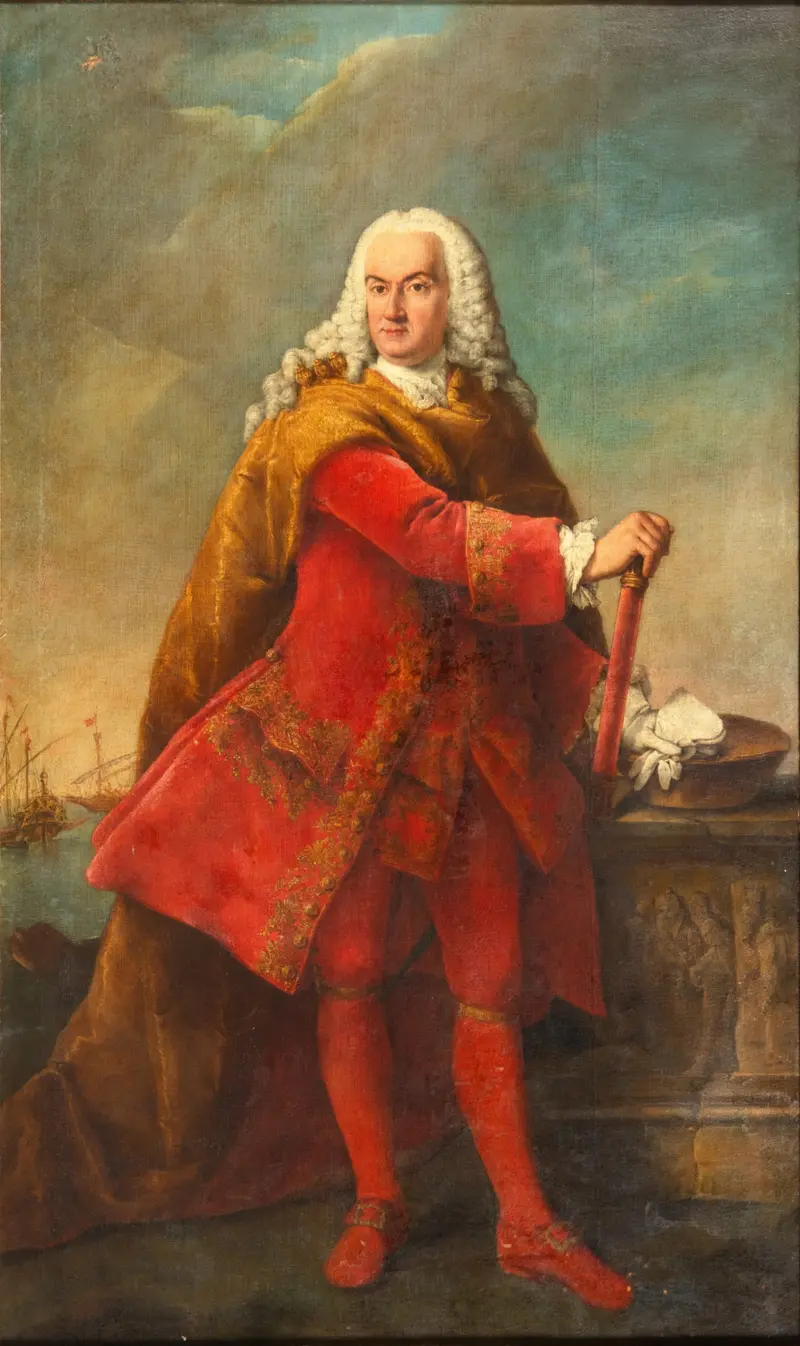
Portrait of a Gentleman
Alessandro Longhi
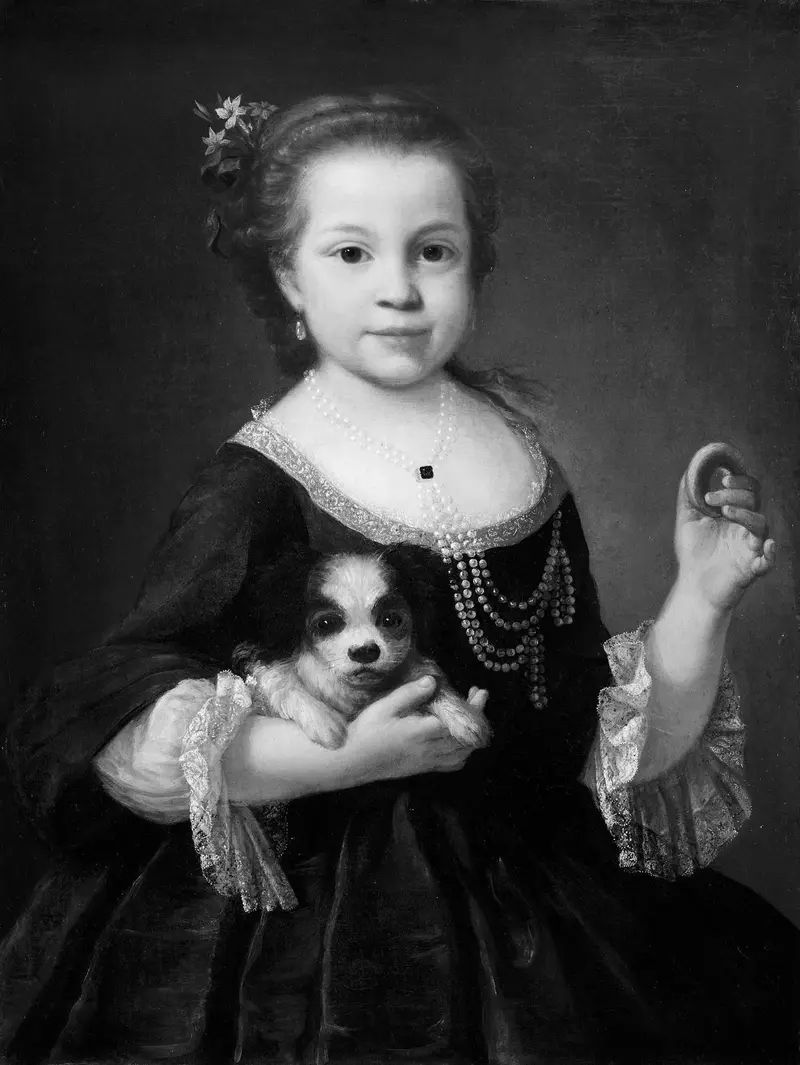
Portrait of a Girl with a Dog
Alessandro Longhi
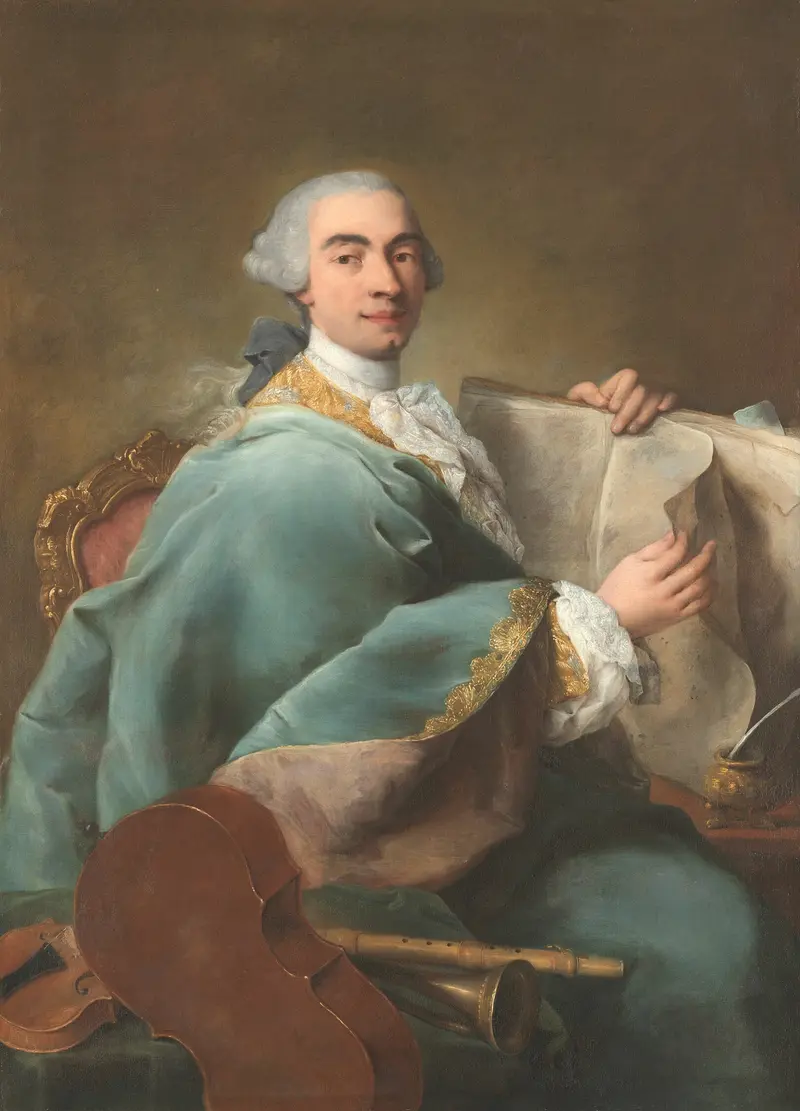
Portrait of a Musician
Alessandro Longhi
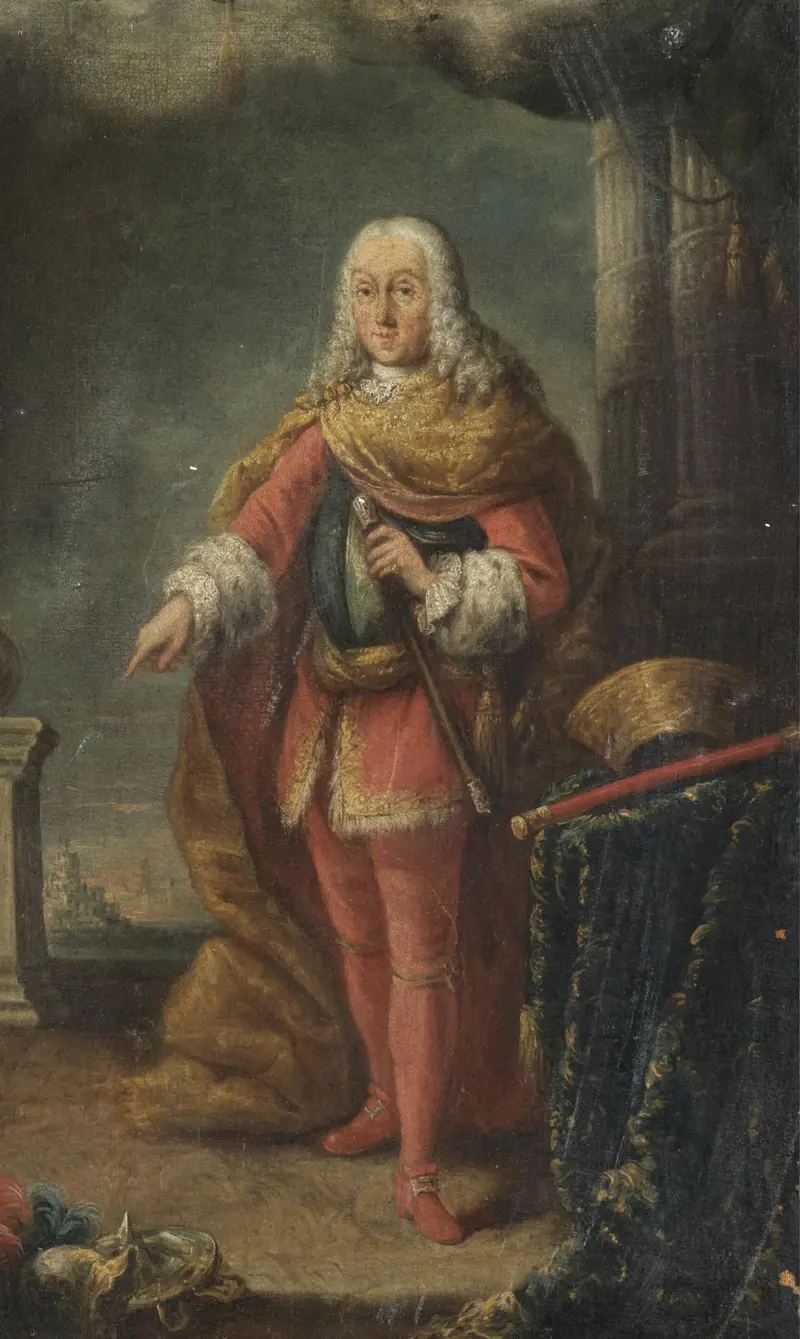
Francesco Grimani (1702–1779)
Alessandro Longhi
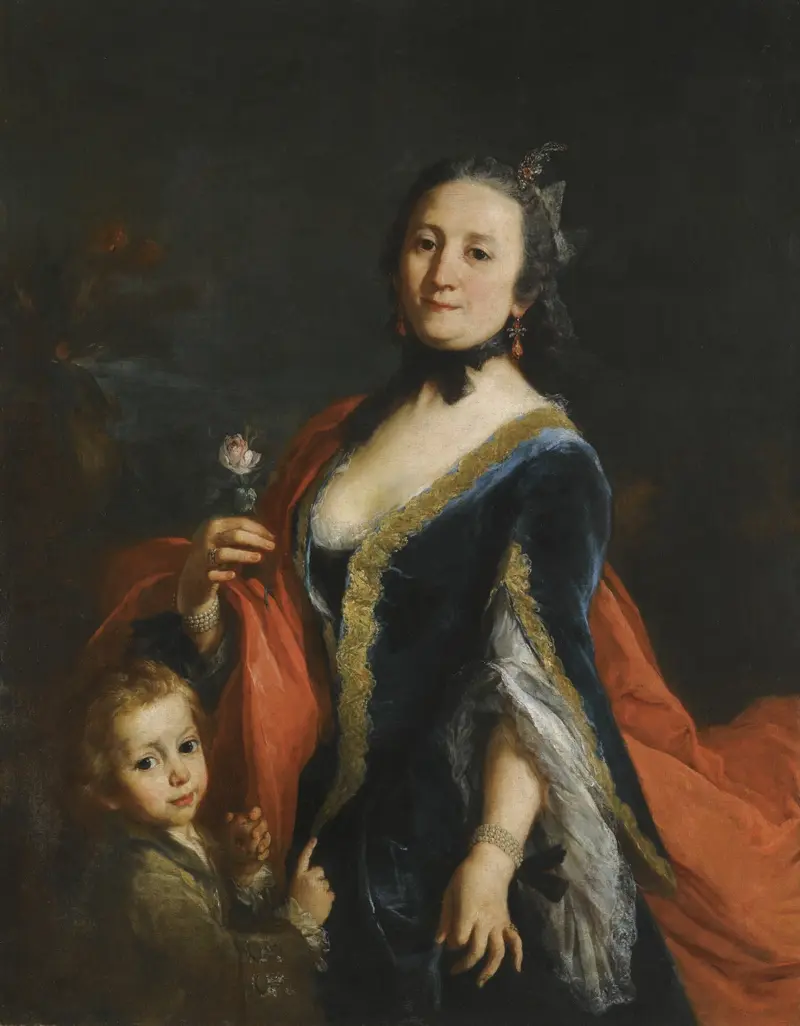
Portrait of a lady holding a rose and a boy holding an apple beside her
Alessandro Longhi





