
Francesco Grimani (1702–1779) — History & Facts
What first catches the eye is the theatrical sweep of the figure’s gesture—Francesco Grimani, swathed in gold and crimson, commands the terrace as if presenting the landscape itself for inspection. His stance, slightly forward and pointing, draws the viewer’s gaze toward the distant cityscape, suggesting both authority and responsibility over the lands he surveys. The lavish fur trim, the ornate sash, and the baton he holds are not mere decoration: each detail signals his high office as Provveditor General di Dalmazia e Albania, a post that demanded both martial and diplomatic skill.
The light falls gently on his face, softening the formality of his uniform and lending a quiet humanity to the man behind the regalia. Nearby, a plumed helmet and a ceremonial baton rest on a velvet-draped table, reminders of the burdens and honors of Venetian rule. This portrait sketch, painted by Alessandro Longhi in 1753, belongs to a world of Venetian grandeur on the cusp of change. In the eighteenth century, portraits like this were more than likenesses—they were statements of power, lineage, and the reach of the Republic.
Such works were often commissioned by patrician families to hang in their palazzi, celebrating both individual achievement and the continuity of Venetian governance. The present sketch is one of three studies for a larger portrait that still resides in the Palazzo Grimani Marcello in Venice, a testament to the enduring presence of the Grimani family in the city’s history. In this image, the blend of costume, setting, and gesture invites us to imagine the delicate balance of ceremony and command that shaped the Venetian elite—look again at Grimani’s expression, and consider the world of decisions that must have weighed behind that composed gaze.
More Artworks by Alessandro Longhi

Portrait of a Young Woman
Alessandro Longhi
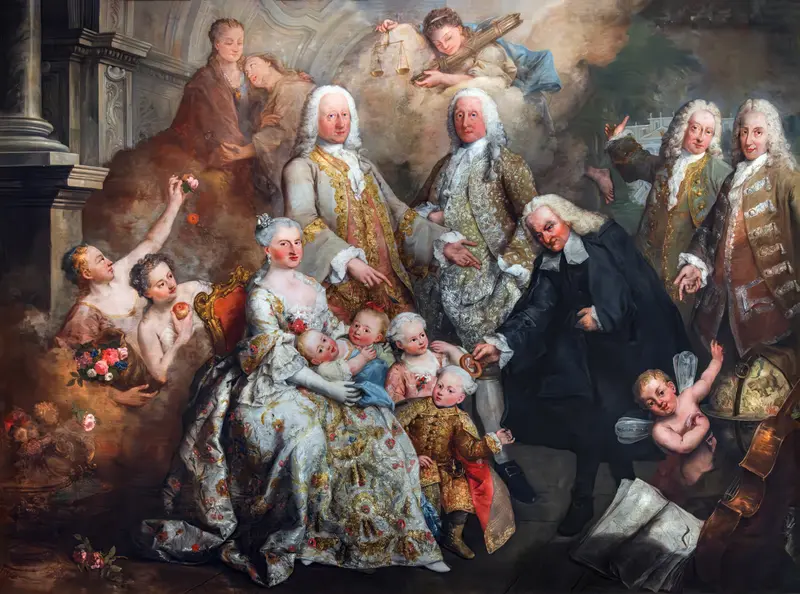
Portrait of Almorò III Alvise Pisani and his family
Alessandro Longhi
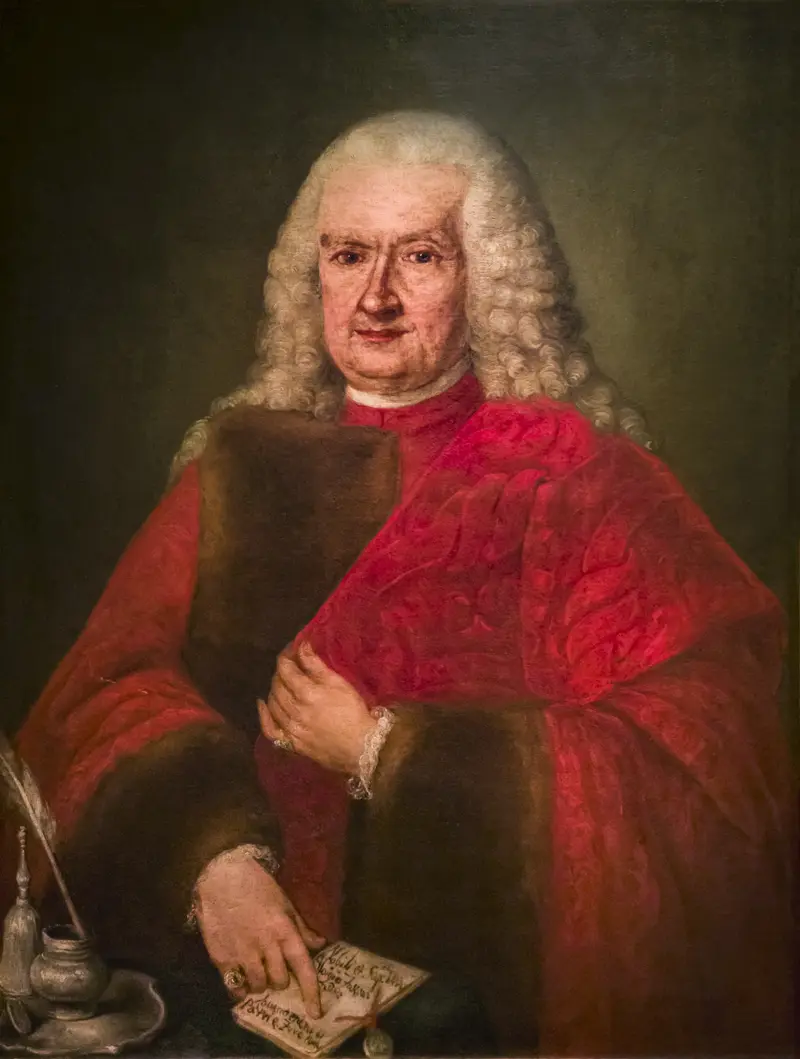
Aloisio Foscari
Alessandro Longhi
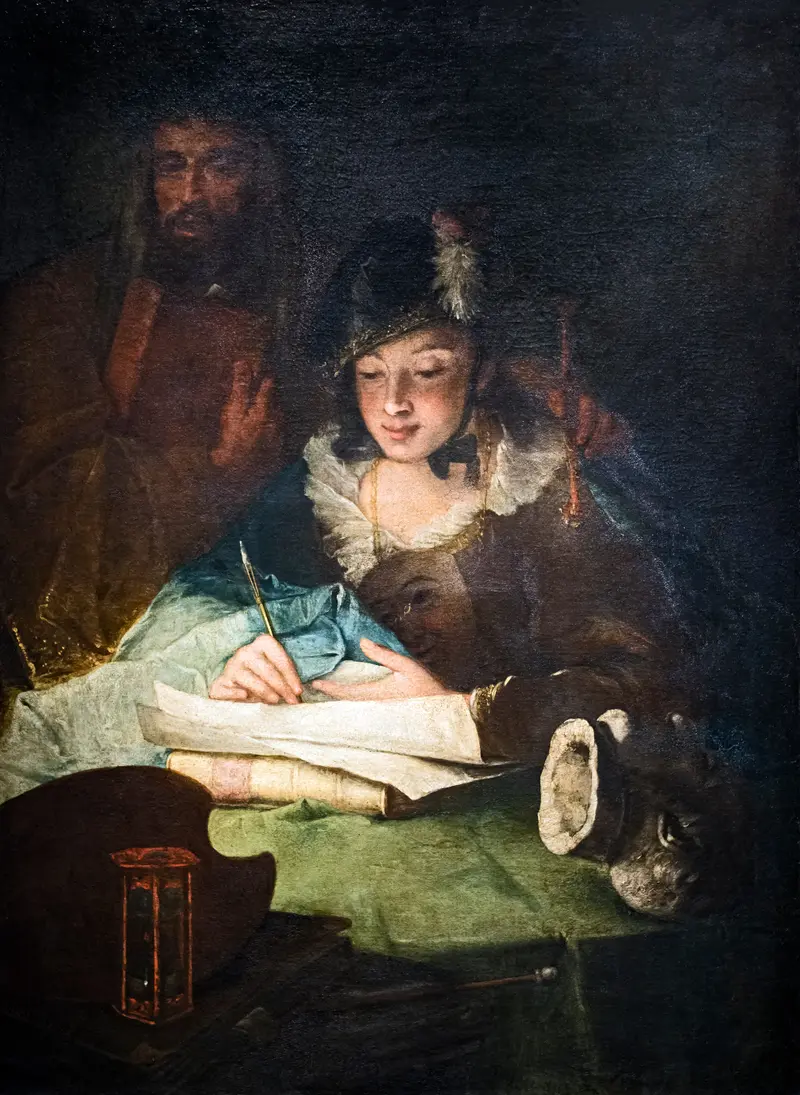
Painting and Merit
Alessandro Longhi
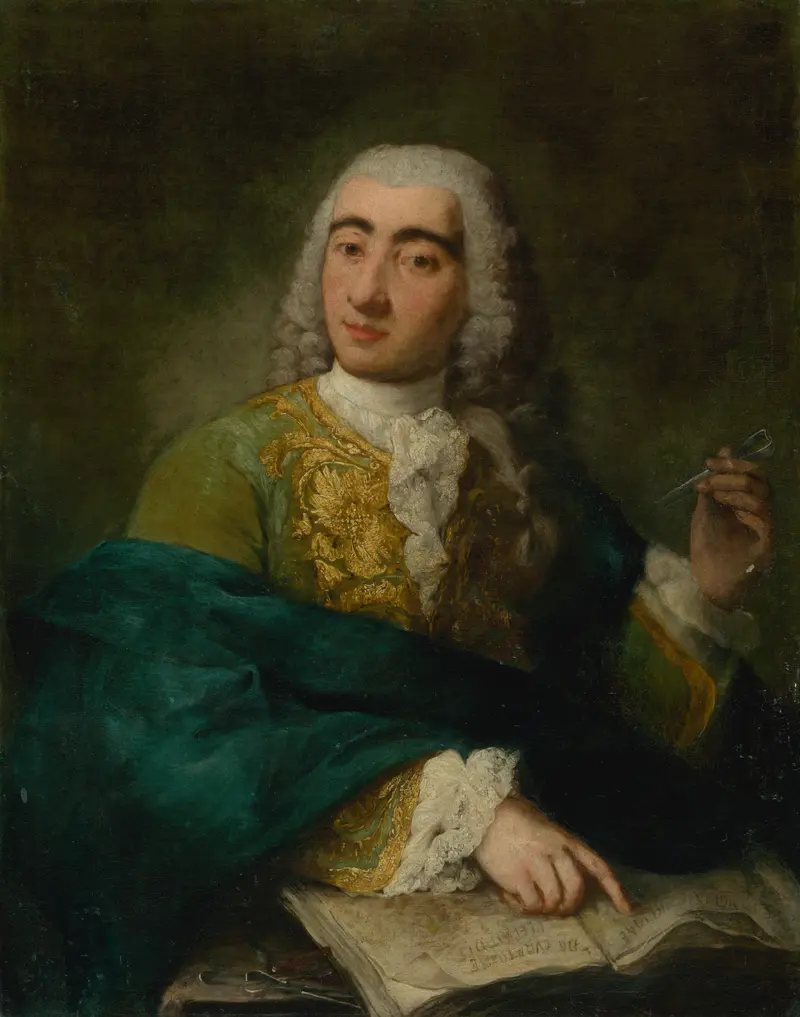
Portrait of a Physician
Alessandro Longhi
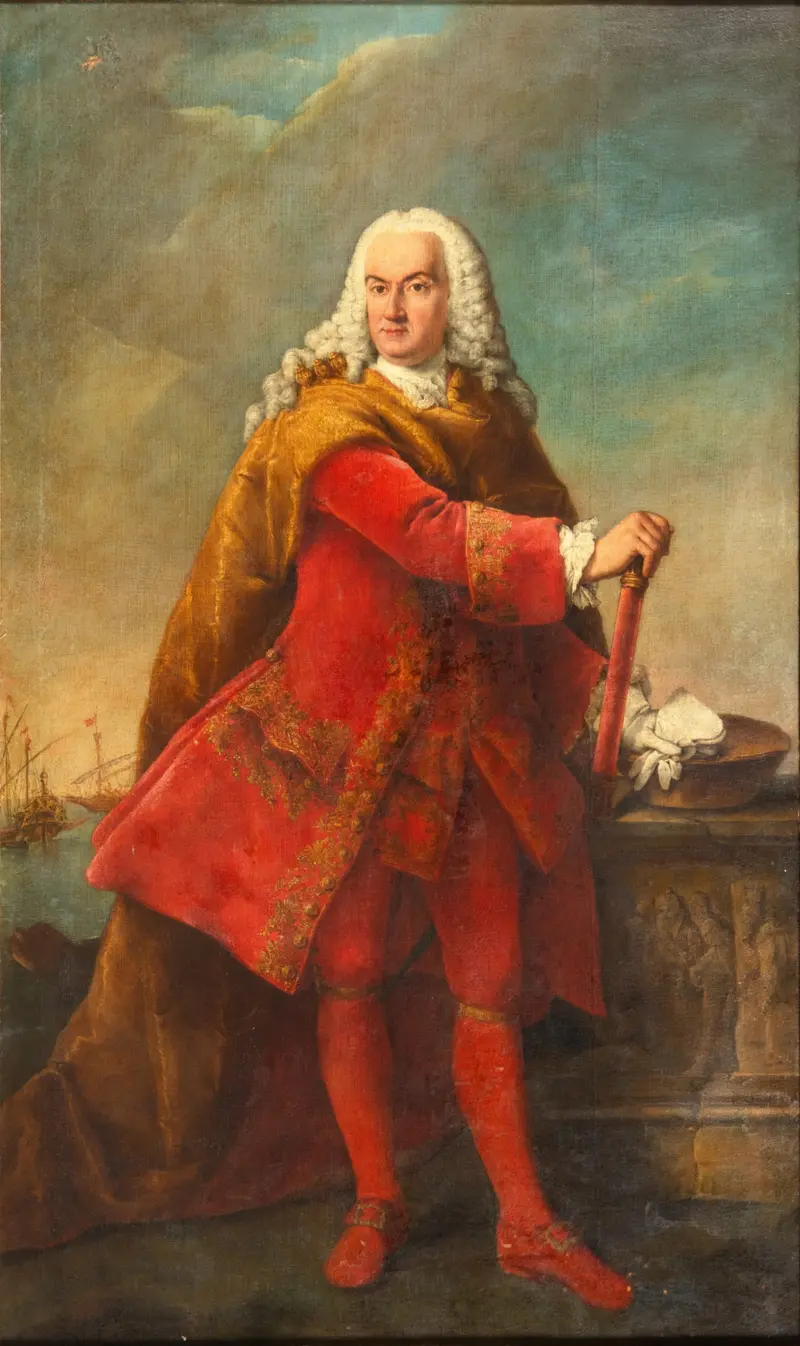
Portrait of a Gentleman
Alessandro Longhi
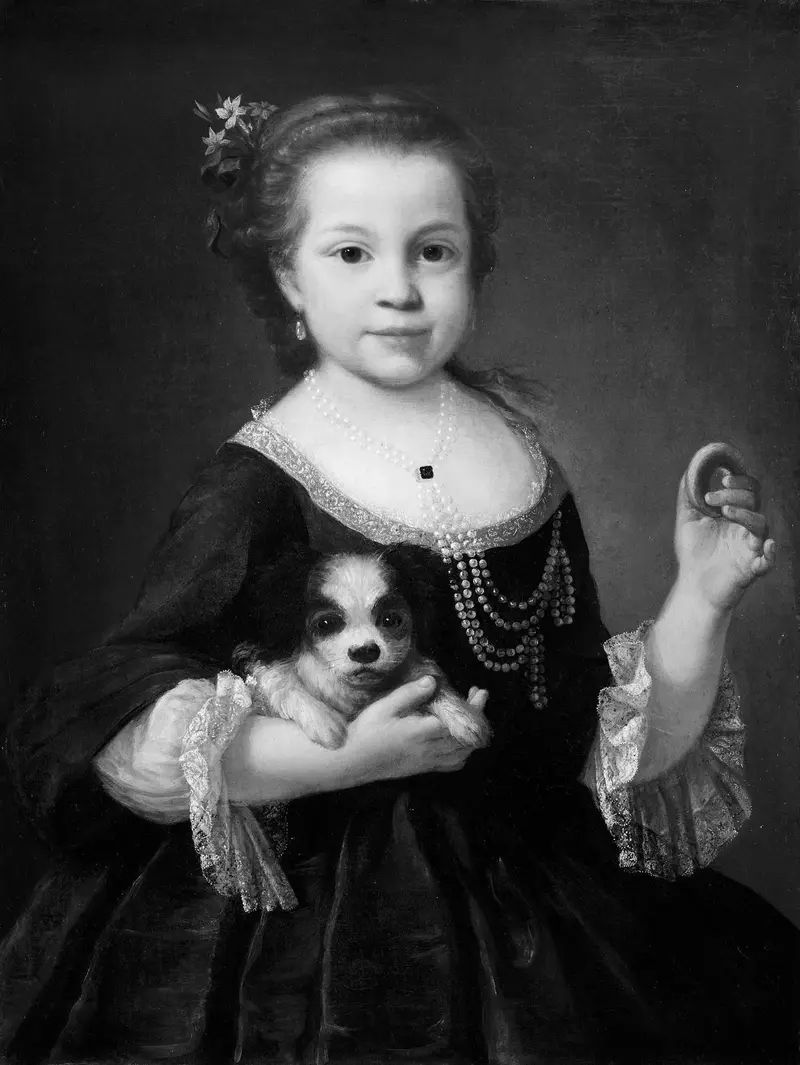
Portrait of a Girl with a Dog
Alessandro Longhi
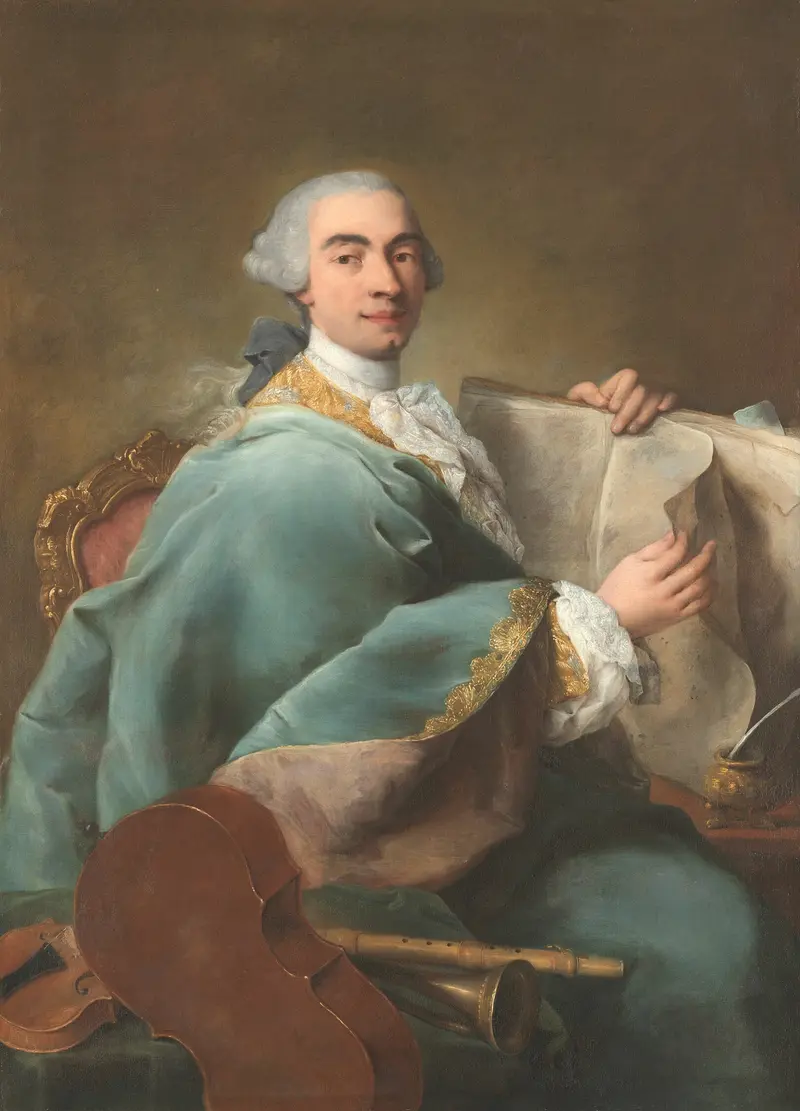
Portrait of a Musician
Alessandro Longhi
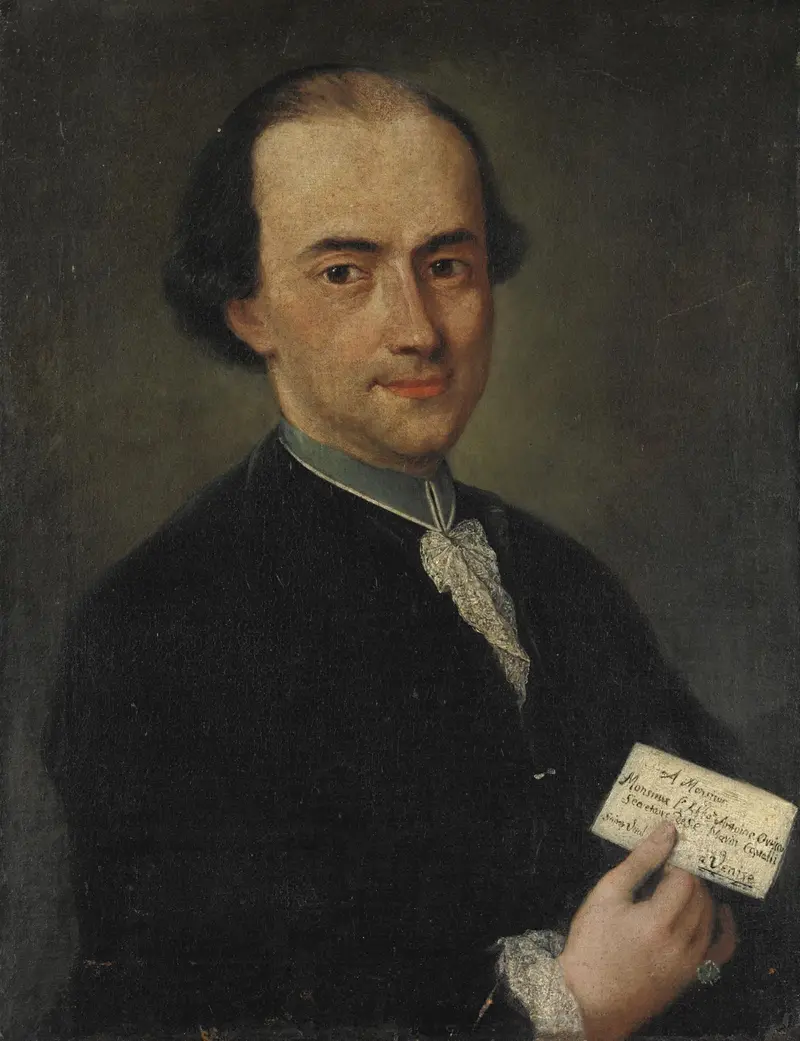
Abbot Antoine Ortica
Alessandro Longhi
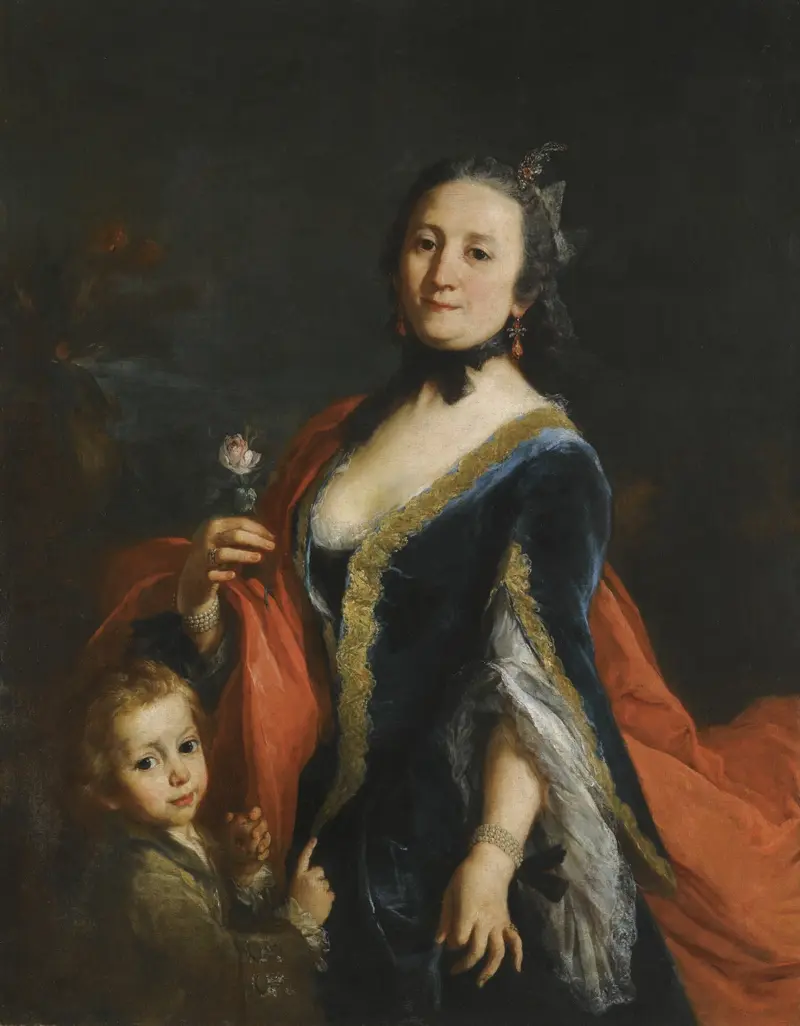
Portrait of a lady holding a rose and a boy holding an apple beside her
Alessandro Longhi





