
Aloisio Foscari — History & Facts
What first draws the eye in this portrait is the commanding presence of its sitter, his gaze meeting the viewer with a mixture of gravity and self-possession. The rich, red robe, rendered with careful attention to the play of light on its patterned folds, signals not only wealth but a life of public responsibility. The sitter’s hand rests on a document, its script just legible, while the other holds a book close to his chest—together, these details speak of intellect, literacy, and perhaps a role in governance or law.
The table at his side, with its inkstand and quill, further hints at a life spent in correspondence or record-keeping, the tools of a man whose words carried weight. The subtle modeling of the face, with its pale complexion and powdered wig, draws us into the world of eighteenth-century Venice, where portraits such as this were as much about status as likeness. Painted by Alessandro Longhi in the mid-eighteenth century, this work belongs to a tradition of Venetian portraiture that flourished among the city’s patrician families. Portraits like this were often commissioned to commemorate public office or personal achievement, serving as both private mementos and public affirmations of lineage and merit.
While little is recorded about the specific history of this particular painting—its journey, patrons, or the precise identity of its sitter—the work’s presence in a modern collection (documented as of 2019-05-04) is a reminder of how such images continue to bridge past and present. In the careful rendering of fabric, gesture, and gaze, we glimpse not only the individual but the values of a society that prized learning, order, and the visible marks of distinction.
More Artworks by Alessandro Longhi

Portrait of a Young Woman
Alessandro Longhi
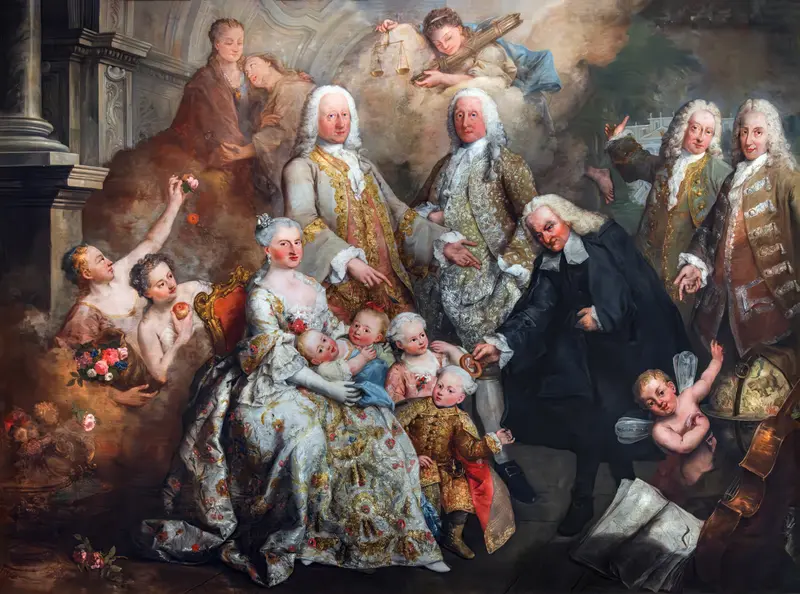
Portrait of Almorò III Alvise Pisani and his family
Alessandro Longhi
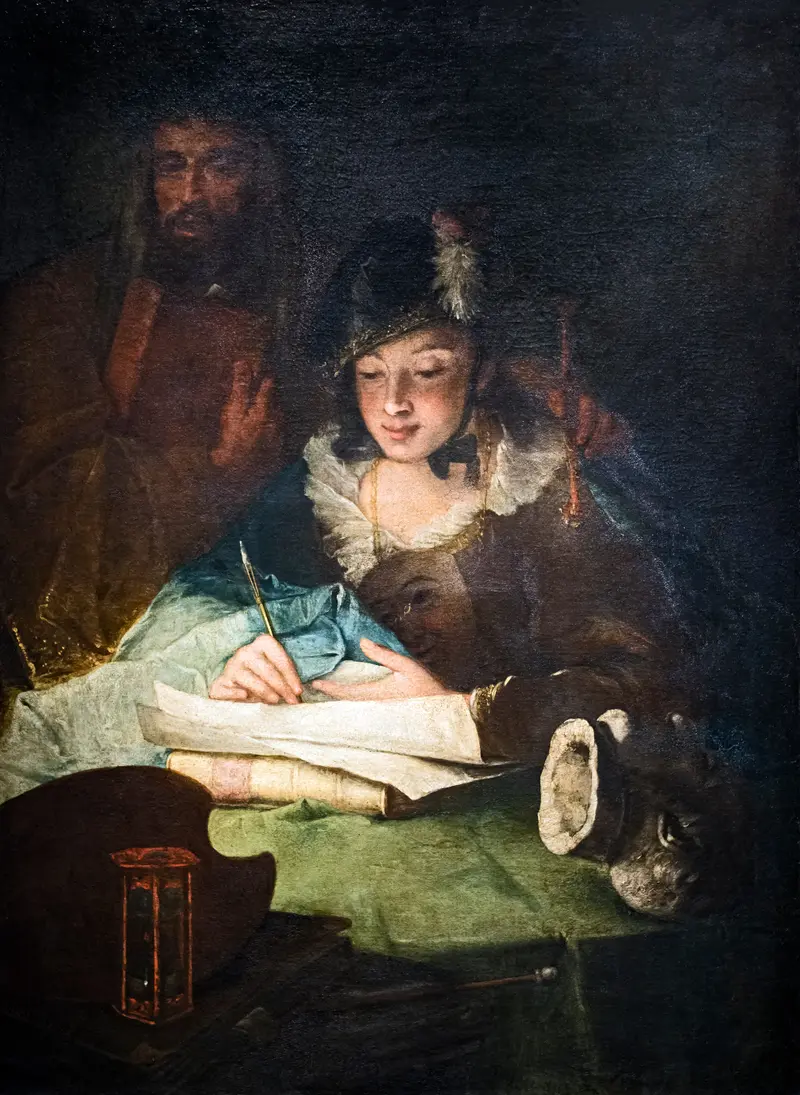
Painting and Merit
Alessandro Longhi
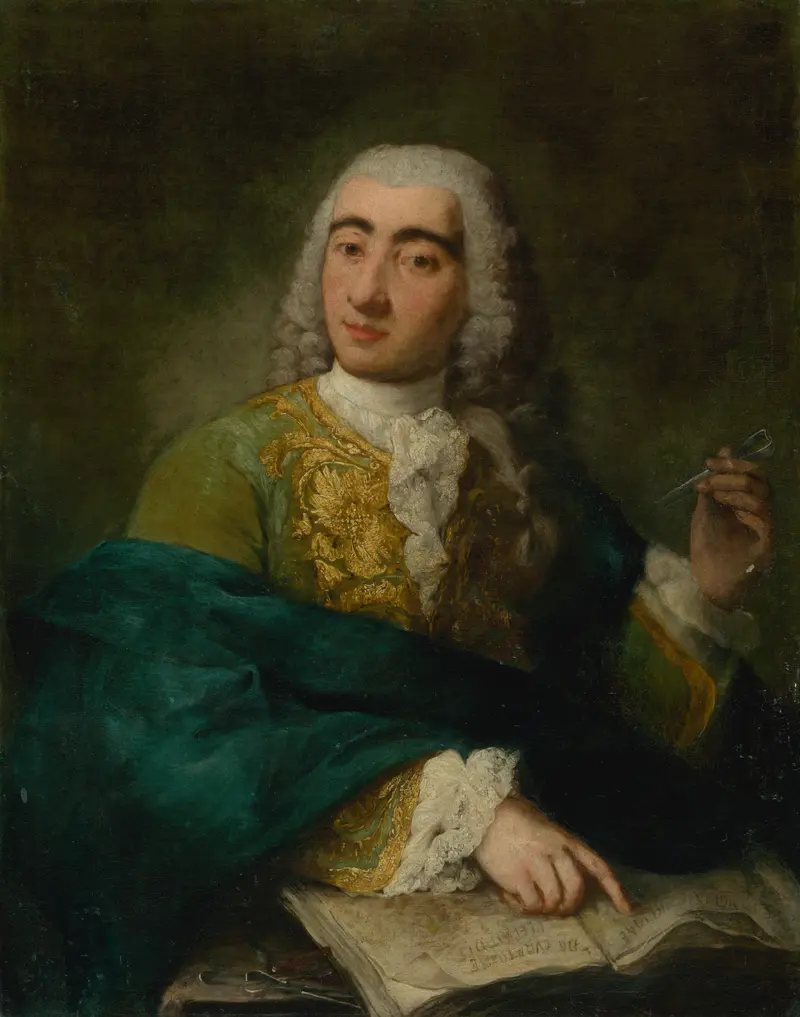
Portrait of a Physician
Alessandro Longhi
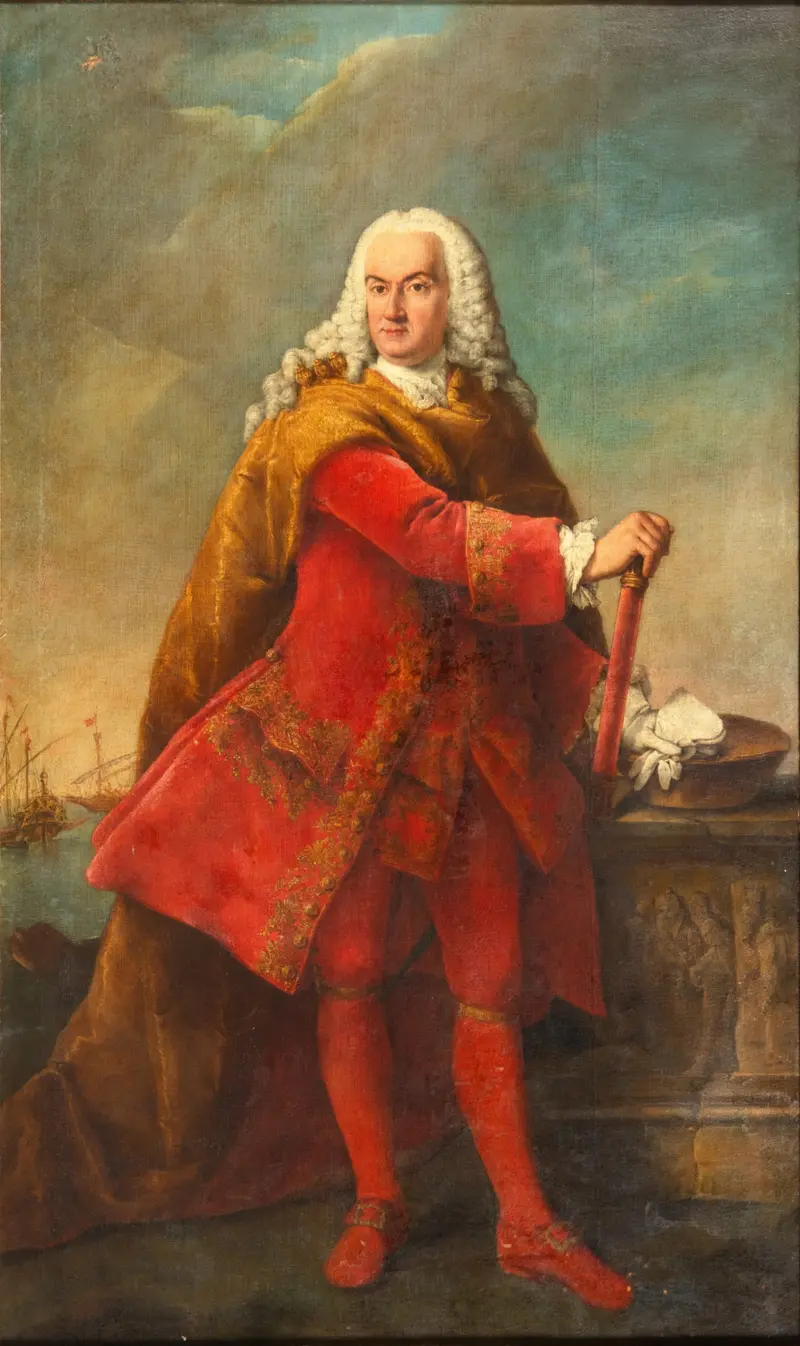
Portrait of a Gentleman
Alessandro Longhi
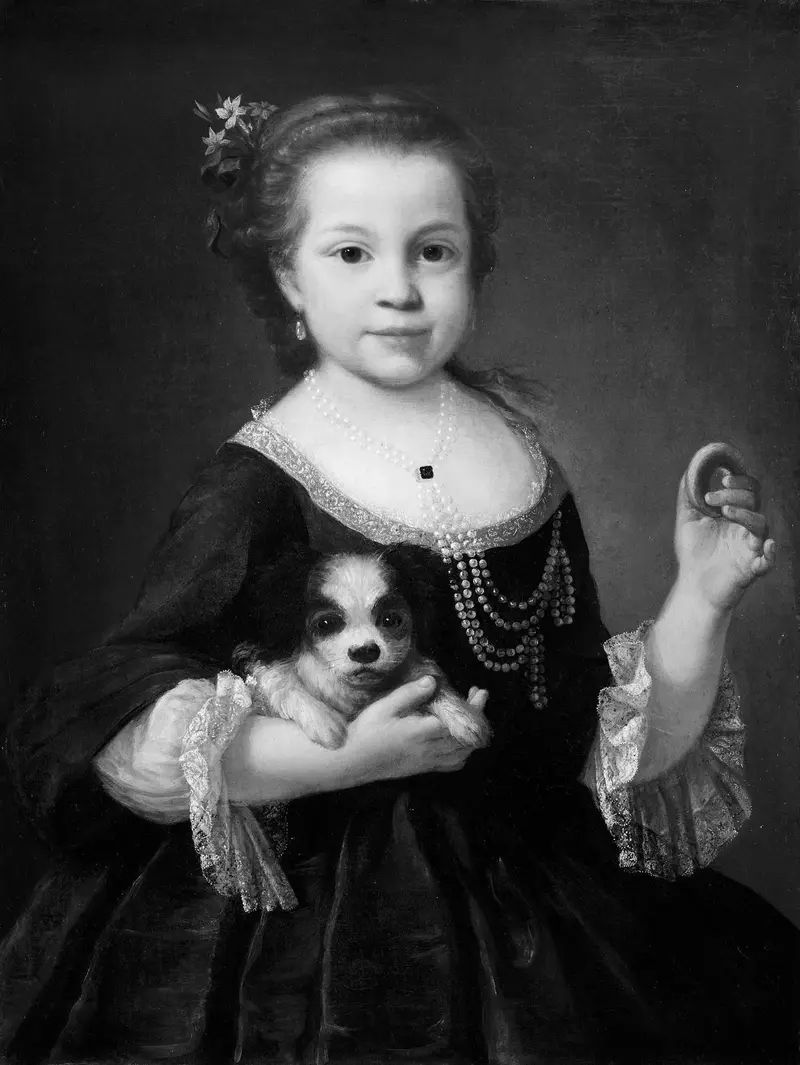
Portrait of a Girl with a Dog
Alessandro Longhi
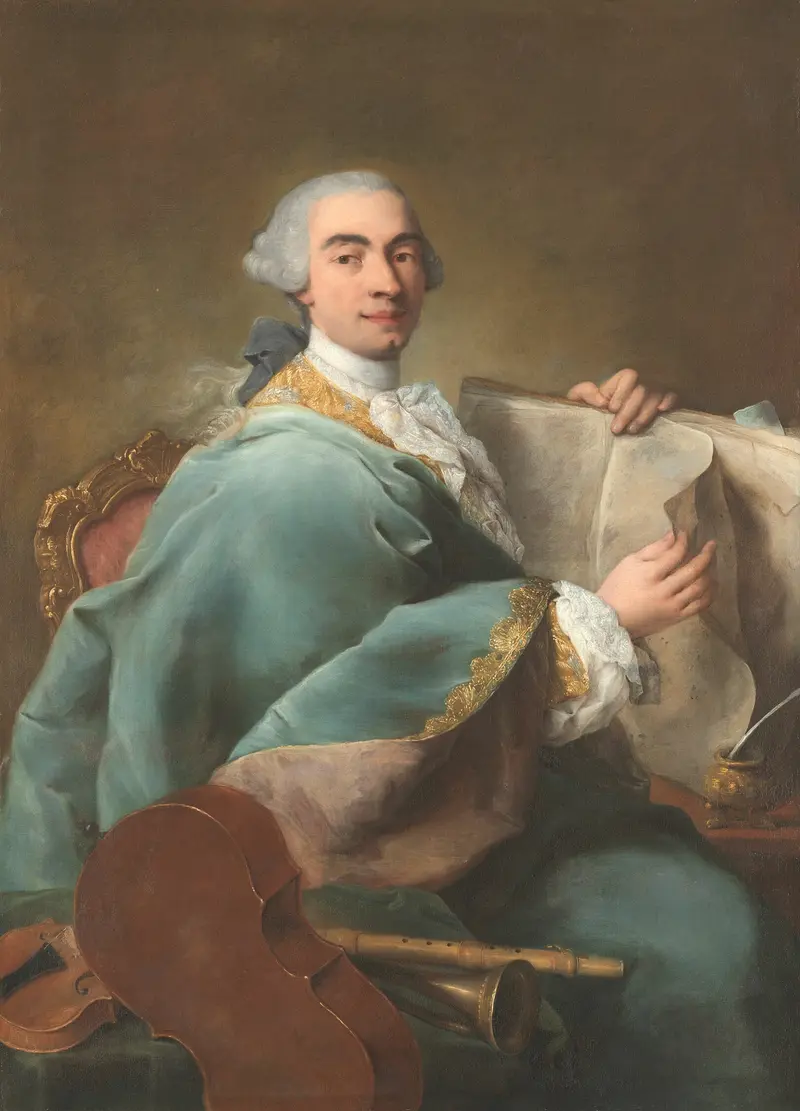
Portrait of a Musician
Alessandro Longhi
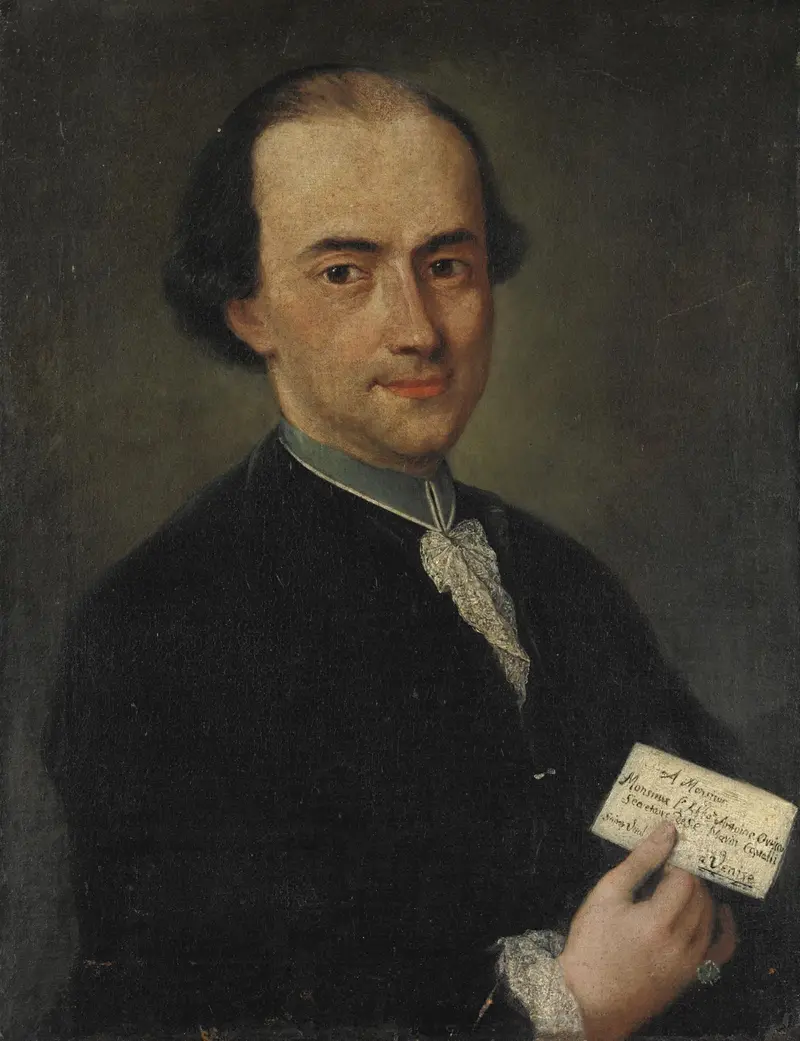
Abbot Antoine Ortica
Alessandro Longhi
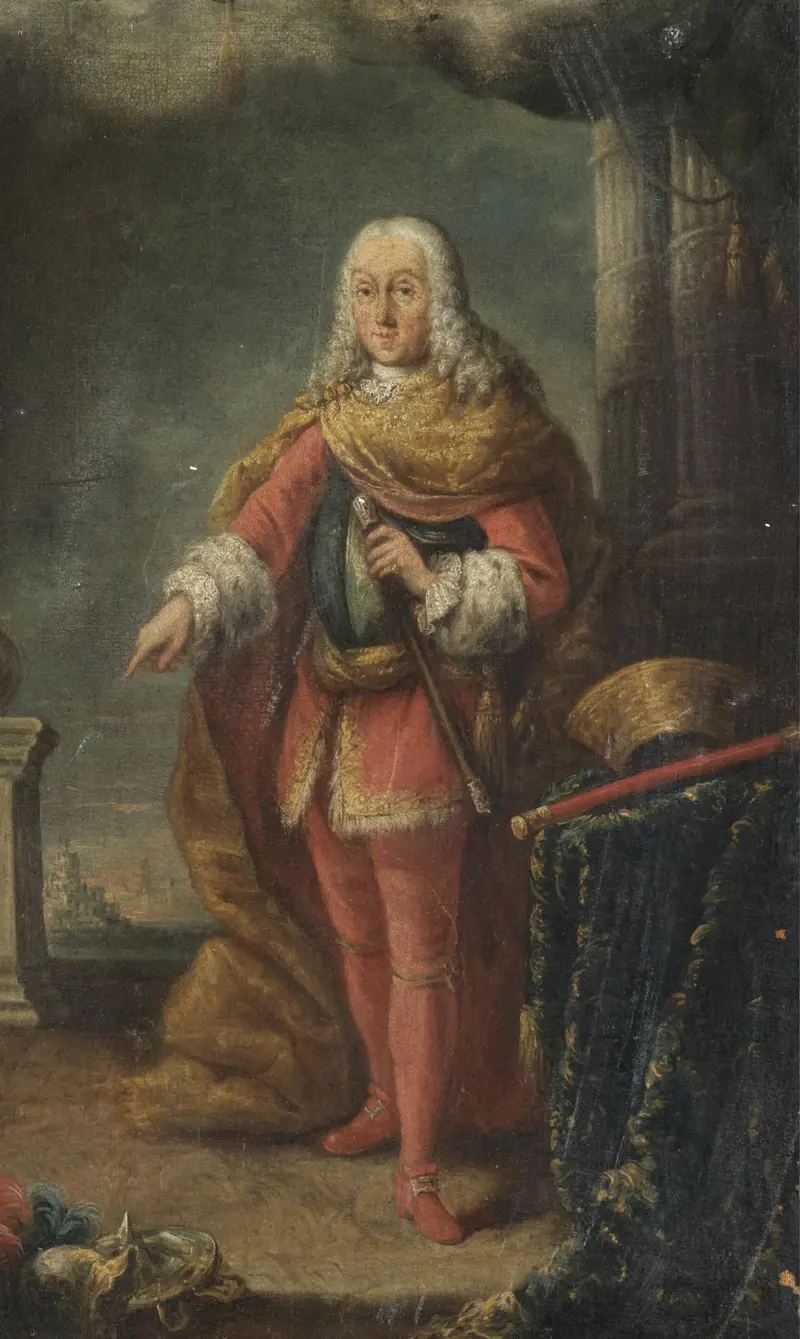
Francesco Grimani (1702–1779)
Alessandro Longhi
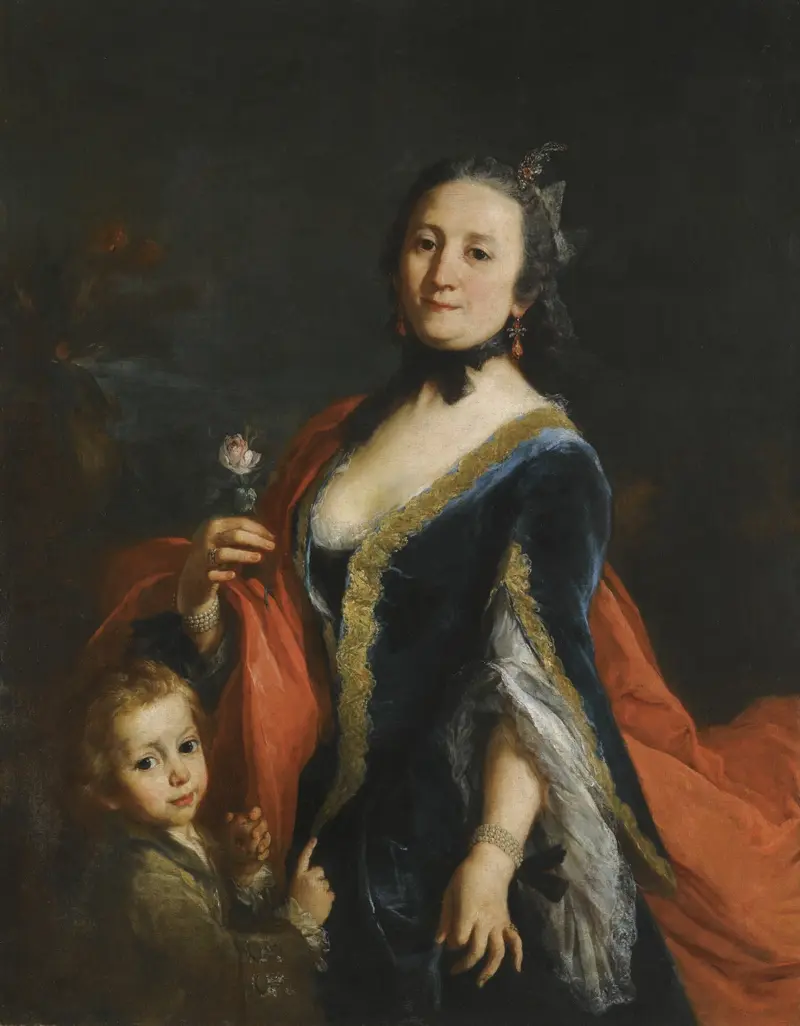
Portrait of a lady holding a rose and a boy holding an apple beside her
Alessandro Longhi





