
Portrait of a Physician — History & Facts
A sweep of emerald fabric and the glint of gold embroidery catch the eye before anything else, drawing you into the world of eighteenth-century intellect and ambition. The sitter’s gaze meets ours with a calm, almost conversational confidence, as if pausing mid-explanation. In his right hand, he holds a slender medical instrument—perhaps a probe or forceps—while his left points decisively to an open book, its pages crowded with notes and diagrams.
The light falls gently across his face and hands, leaving the background in shadow, so that every detail of his powdered wig and lace cravat stands out. This is not just a likeness, but a portrait of a mind at work, surrounded by the tools and texts of his trade. Painted in 1760 by Alessandro Longhi, this Portrait of a Physician belongs to a world where portraits were more than private mementos—they were public statements of learning and status. In Venice and across Enlightenment Europe, such images were often commissioned by professionals eager to assert their place in a rapidly changing society.
Longhi, known for his refined handling of fabric and character, here captures the self-assurance of the medical class at a time when science and reason were reshaping old certainties. Now held in the Slovak National Gallery, the painting invites us to imagine the ambitions and daily realities of those who shaped the modern world—one careful gesture, one thoughtful glance at a time.
More Artworks by Alessandro Longhi

Portrait of a Young Woman
Alessandro Longhi
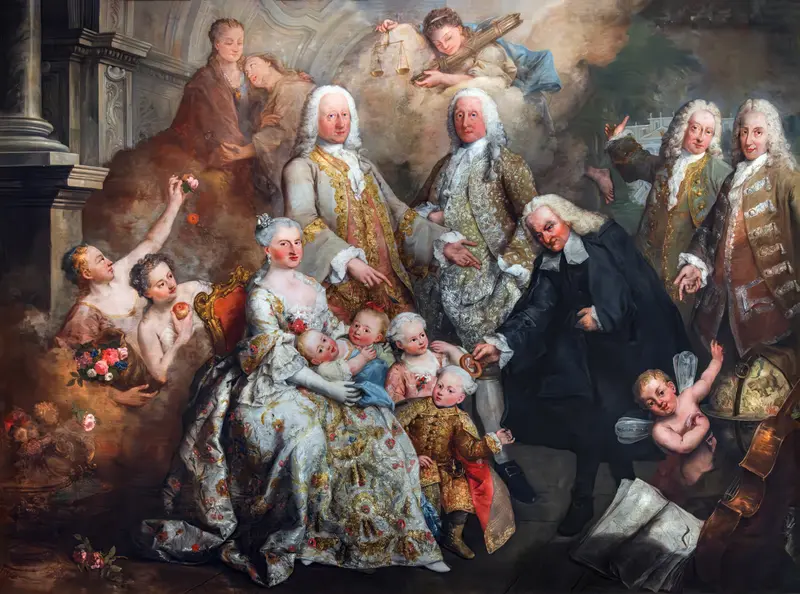
Portrait of Almorò III Alvise Pisani and his family
Alessandro Longhi
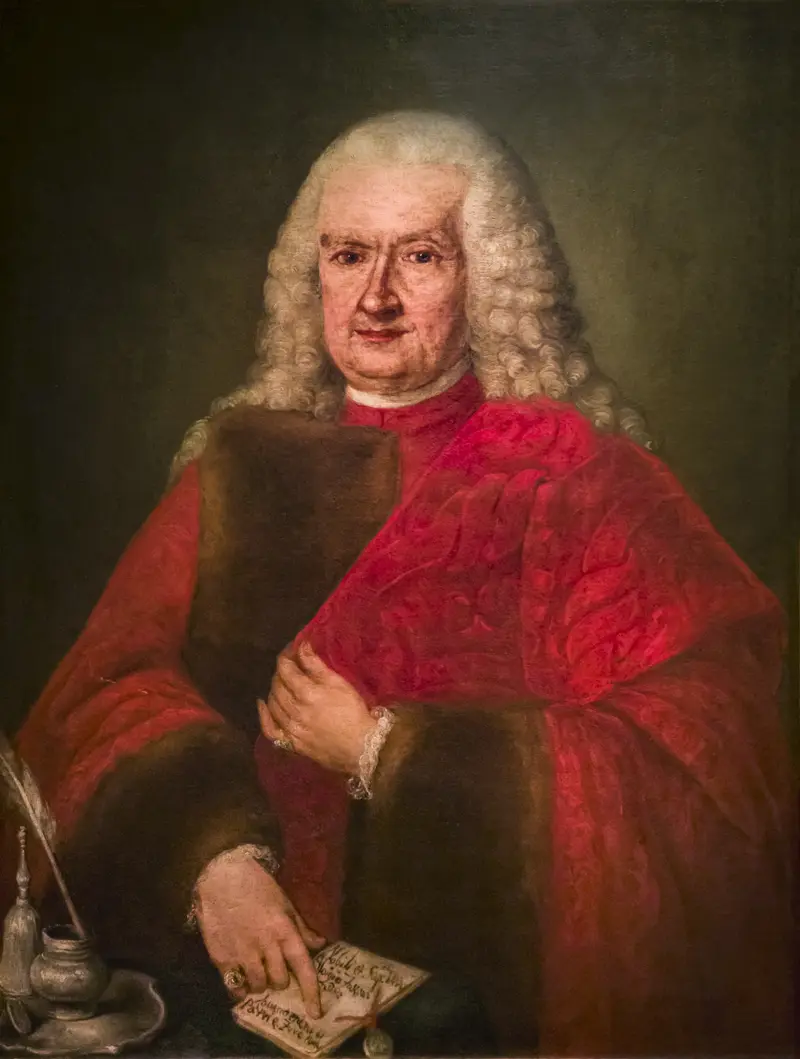
Aloisio Foscari
Alessandro Longhi
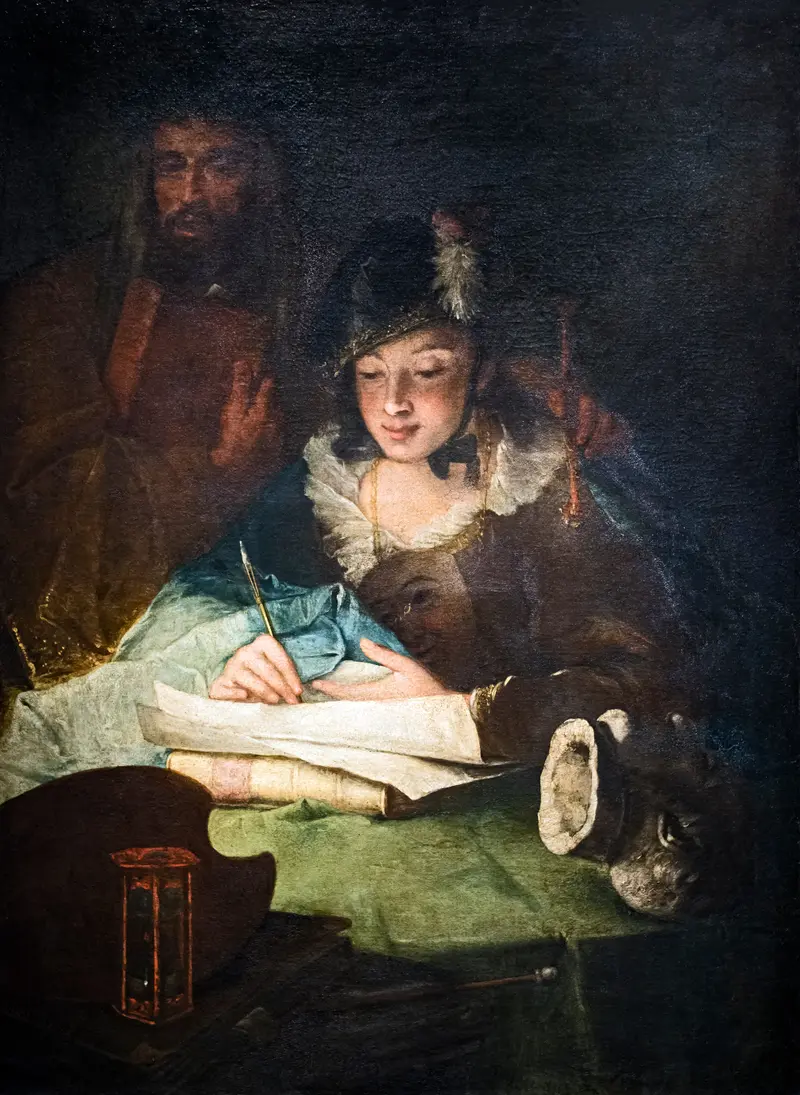
Painting and Merit
Alessandro Longhi
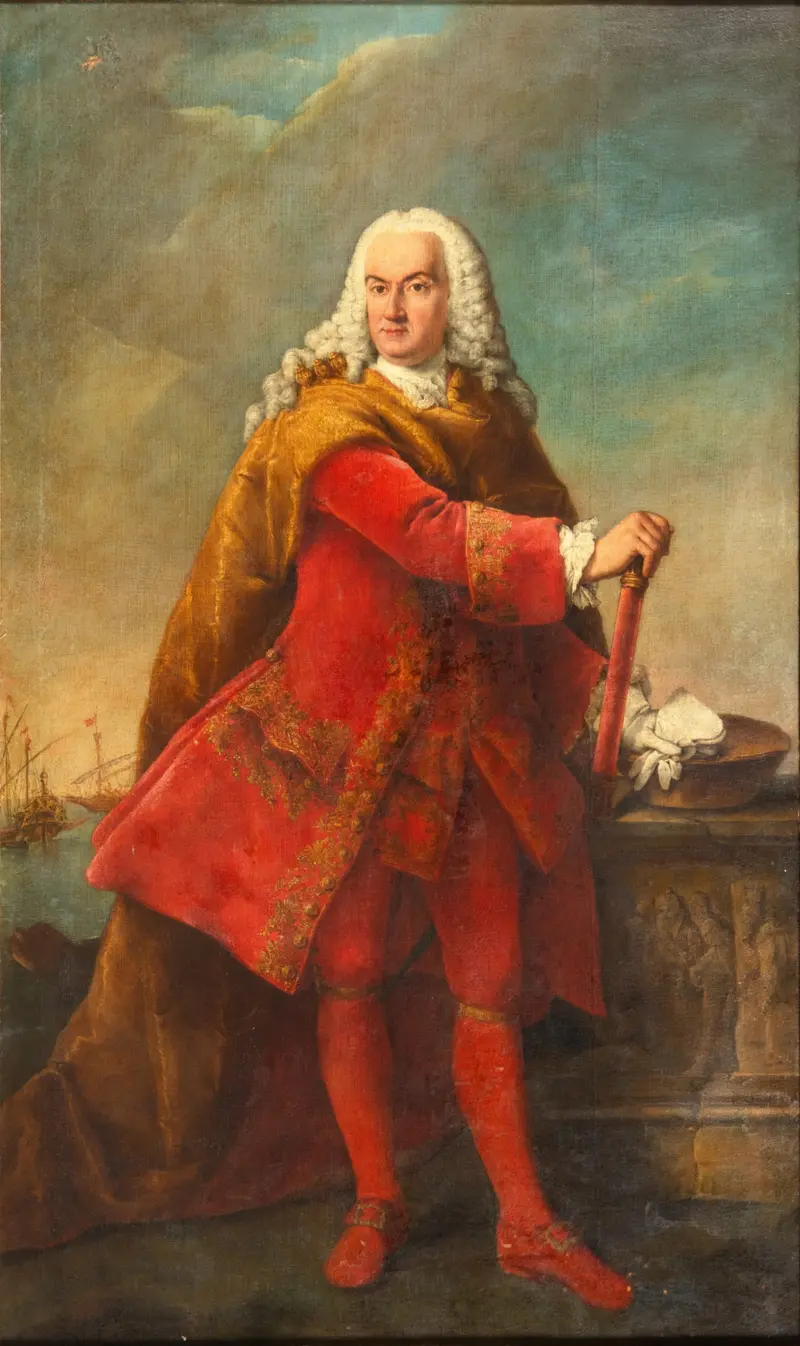
Portrait of a Gentleman
Alessandro Longhi
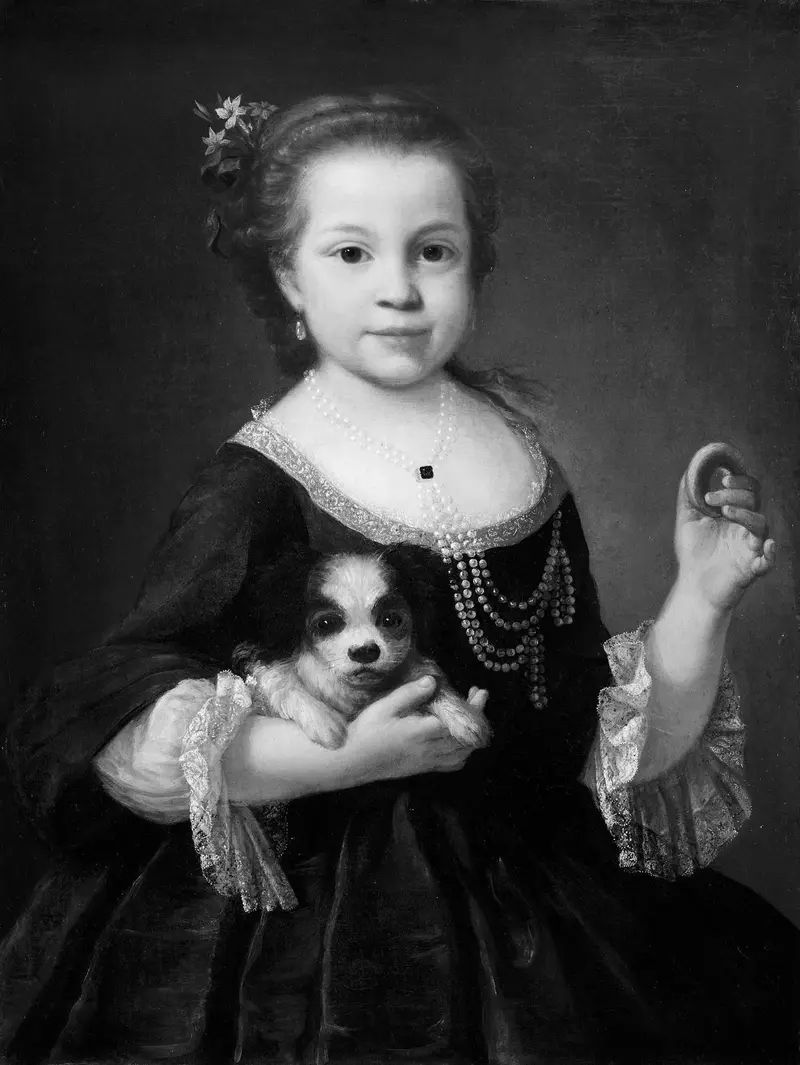
Portrait of a Girl with a Dog
Alessandro Longhi
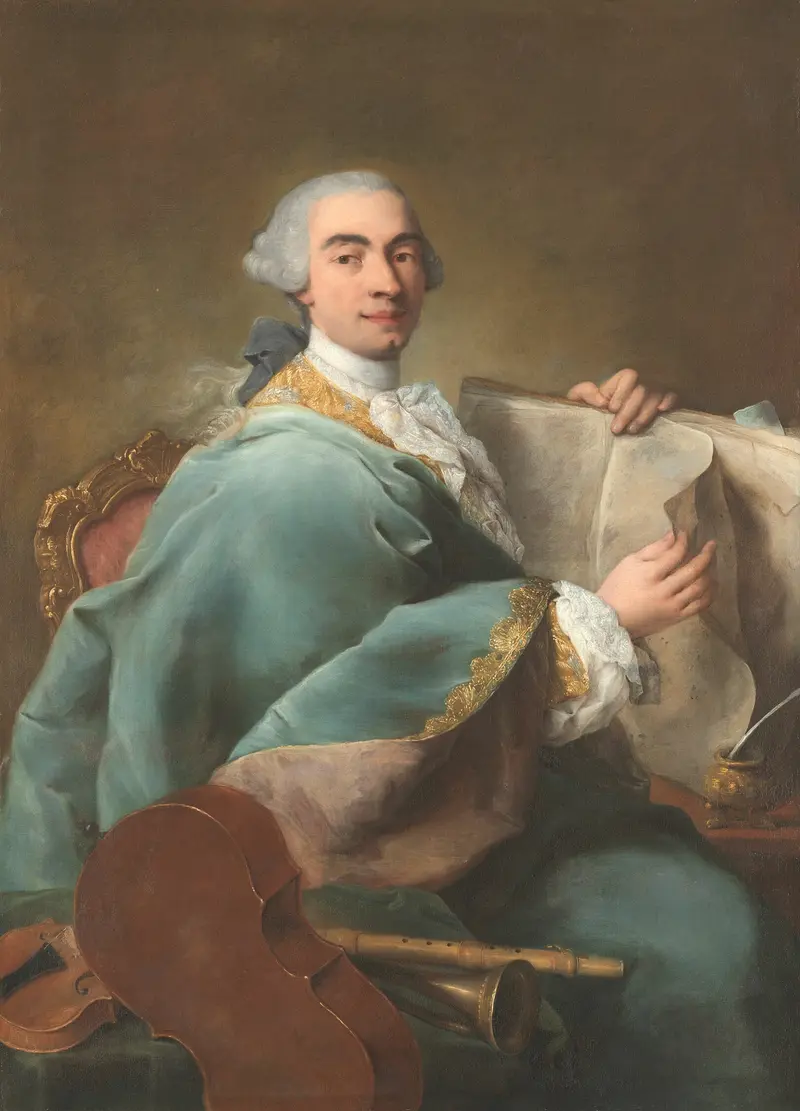
Portrait of a Musician
Alessandro Longhi
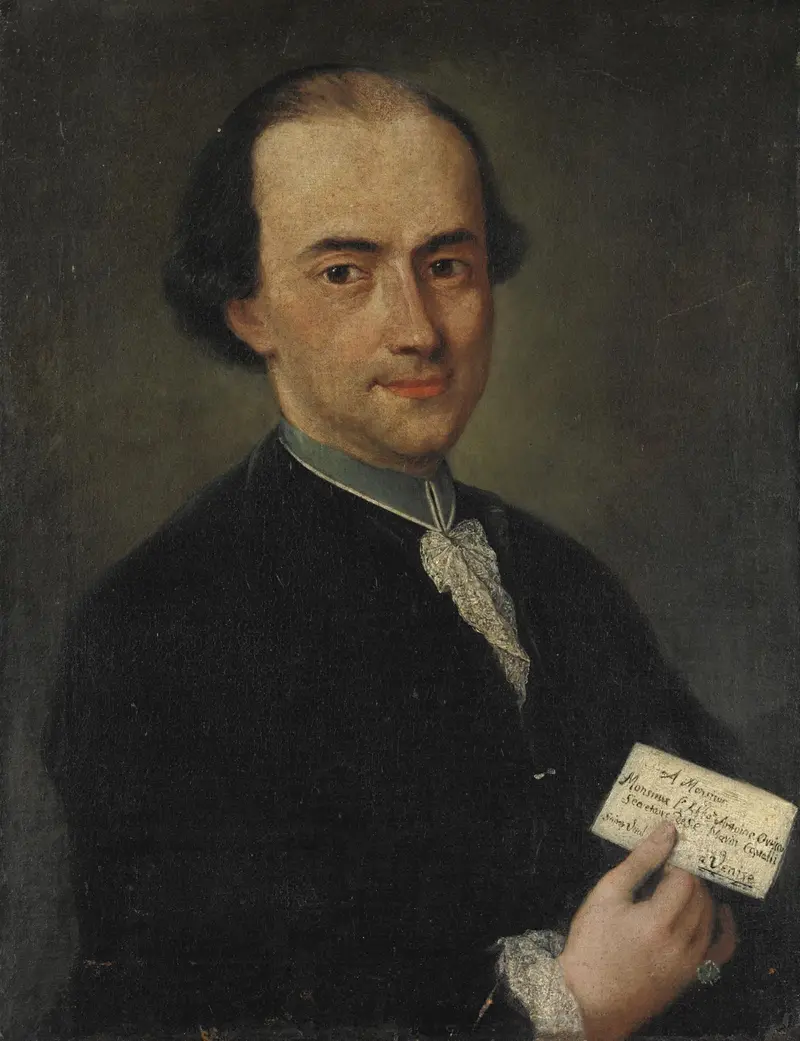
Abbot Antoine Ortica
Alessandro Longhi
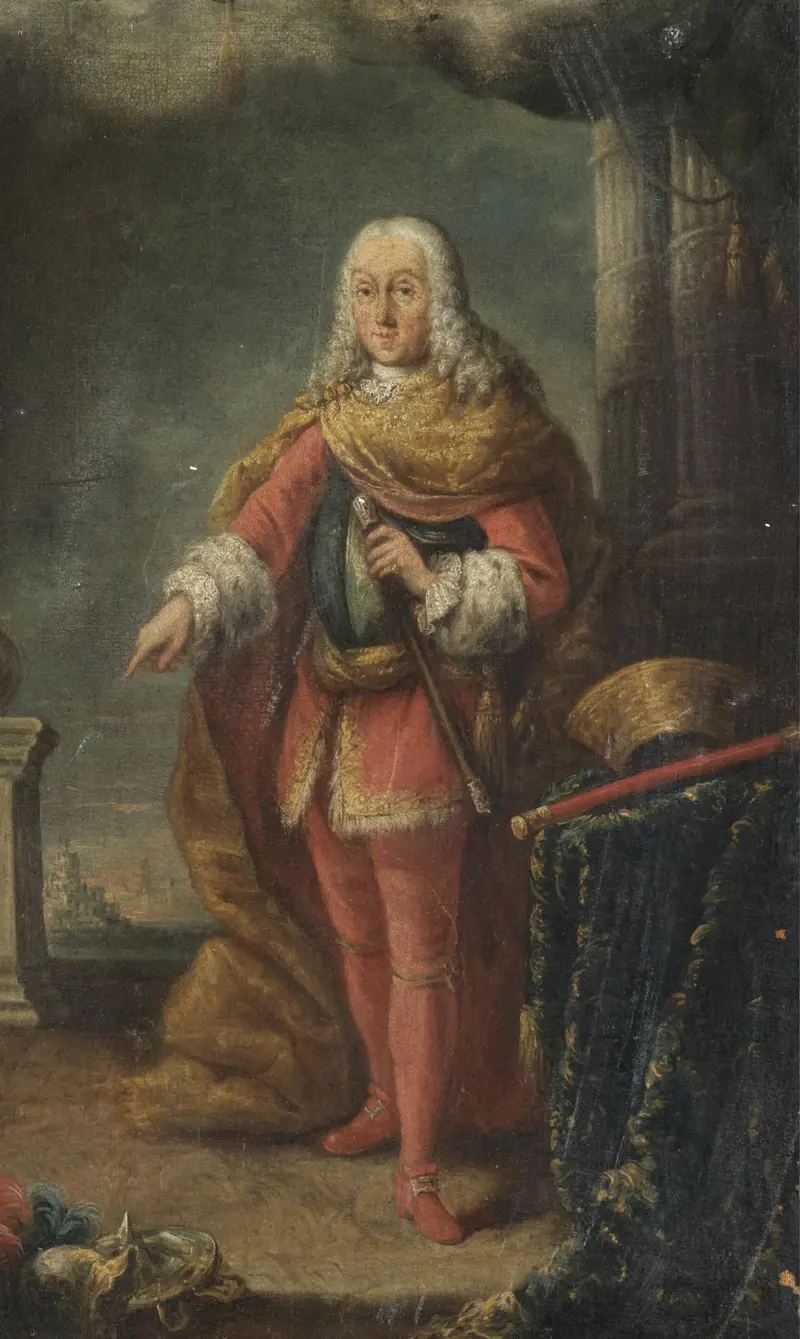
Francesco Grimani (1702–1779)
Alessandro Longhi
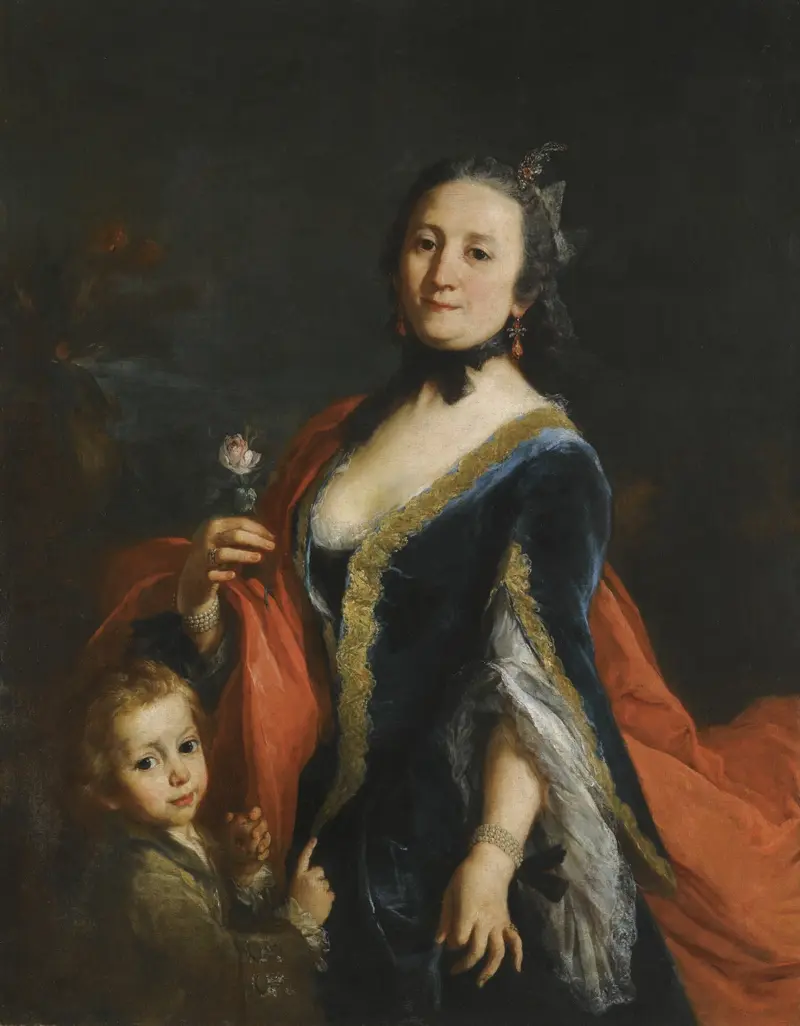
Portrait of a lady holding a rose and a boy holding an apple beside her
Alessandro Longhi





