
Portrait of Almorò III Alvise Pisani and his family — History & Facts
What first catches the eye is the theatrical abundance of figures, both mortal and mythic, woven together in a single, crowded stage. The painter draws us into a world of ceremony and allegory: men in powdered wigs and gold-embroidered coats stand in calculated poses, their gestures deliberate, while a woman in a resplendent brocade gown anchors the composition, surrounded by children who seem both real and idealized. Scattered among them, cherubs and allegorical figures offer apples, flowers, and scales, their presence blurring the line between portrait and pageant.
Notice how the artist uses light to single out the faces and hands, guiding the viewer through a hierarchy of importance, while the darker corners dissolve into a swirl of drapery and suggestion. The palette, rich with golds, silvers, and delicate pastels, sets a mood of opulence and controlled spectacle, inviting us to linger over each embroidered fold and symbolic gesture. This is a world shaped by the ambitions and anxieties of mid-eighteenth-century Venice, when grand family portraits like this one were both private records and public statements. Such works were typically commissioned by noble families eager to assert their lineage, virtue, and worldly success, often blending the real with the allegorical to proclaim their place in society.
The artist, Alessandro Longhi, was known for his ability to capture both likeness and status, and here he surrounds his sitters with emblems of justice, abundance, and perhaps even familial harmony. Taken on 9 May 2023 and now in a private collection, this painting survives as a testament to a vanished world—one where art, family, and allegory were inseparable, and where every detail still invites the viewer to decode its meaning.
More Artworks by Alessandro Longhi

Portrait of a Young Woman
Alessandro Longhi
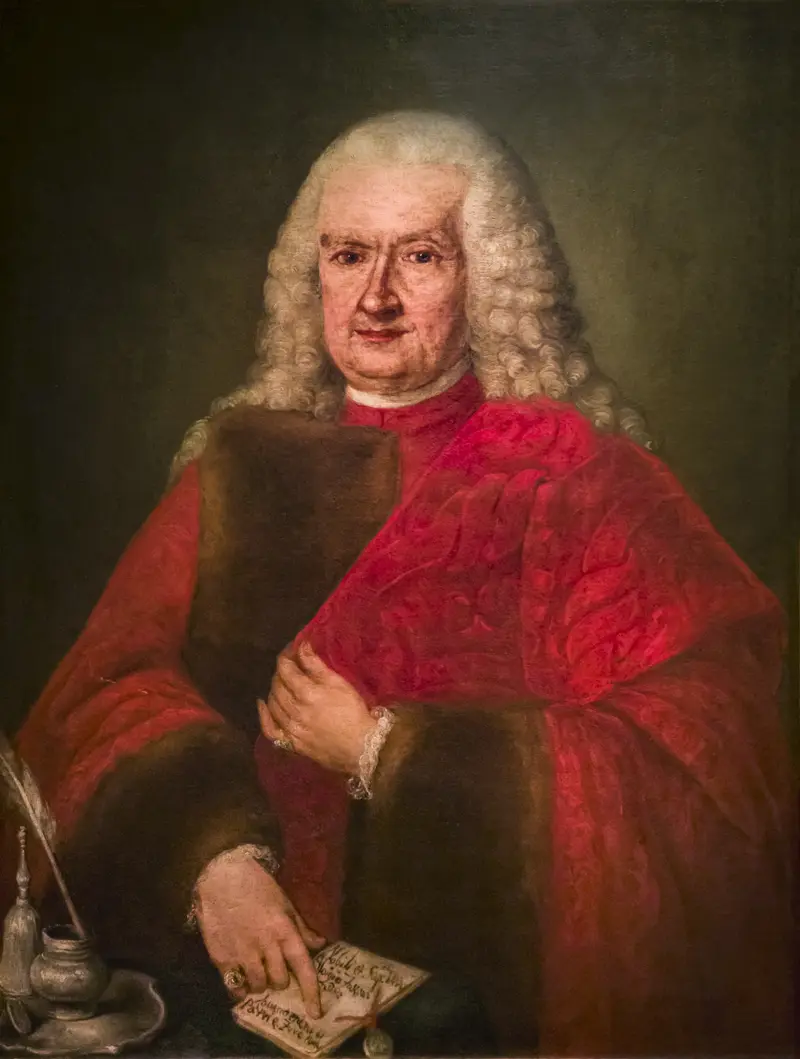
Aloisio Foscari
Alessandro Longhi
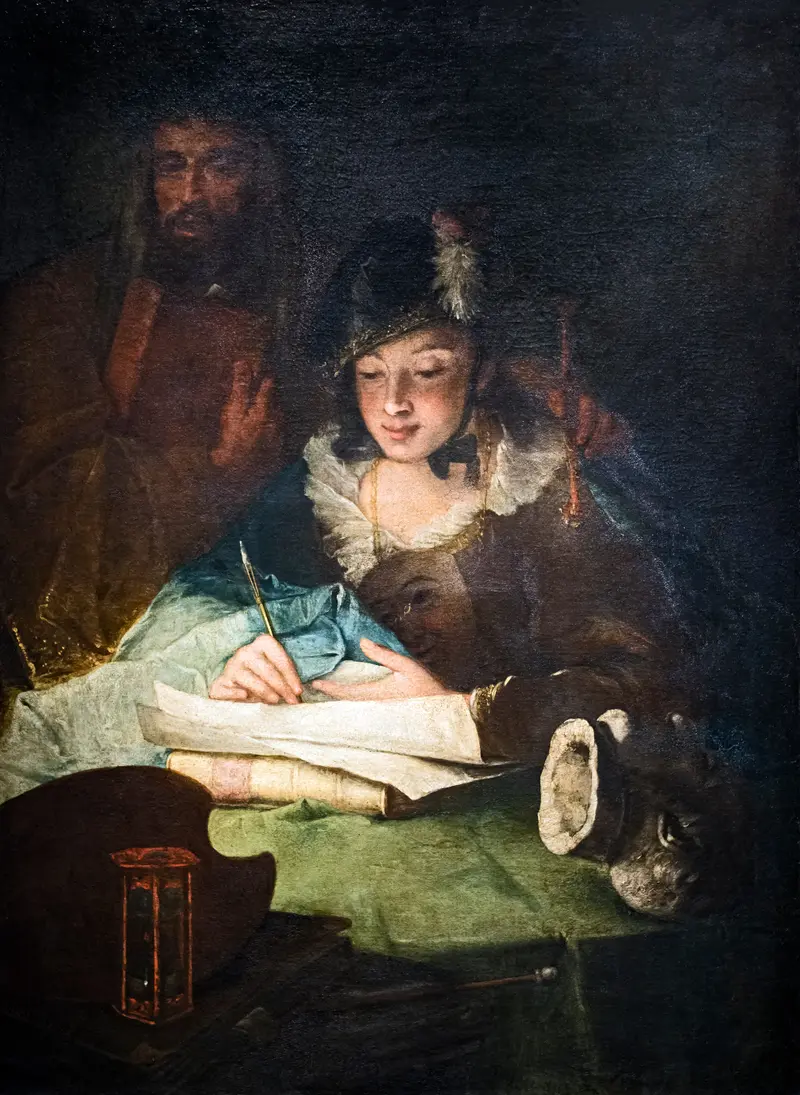
Painting and Merit
Alessandro Longhi
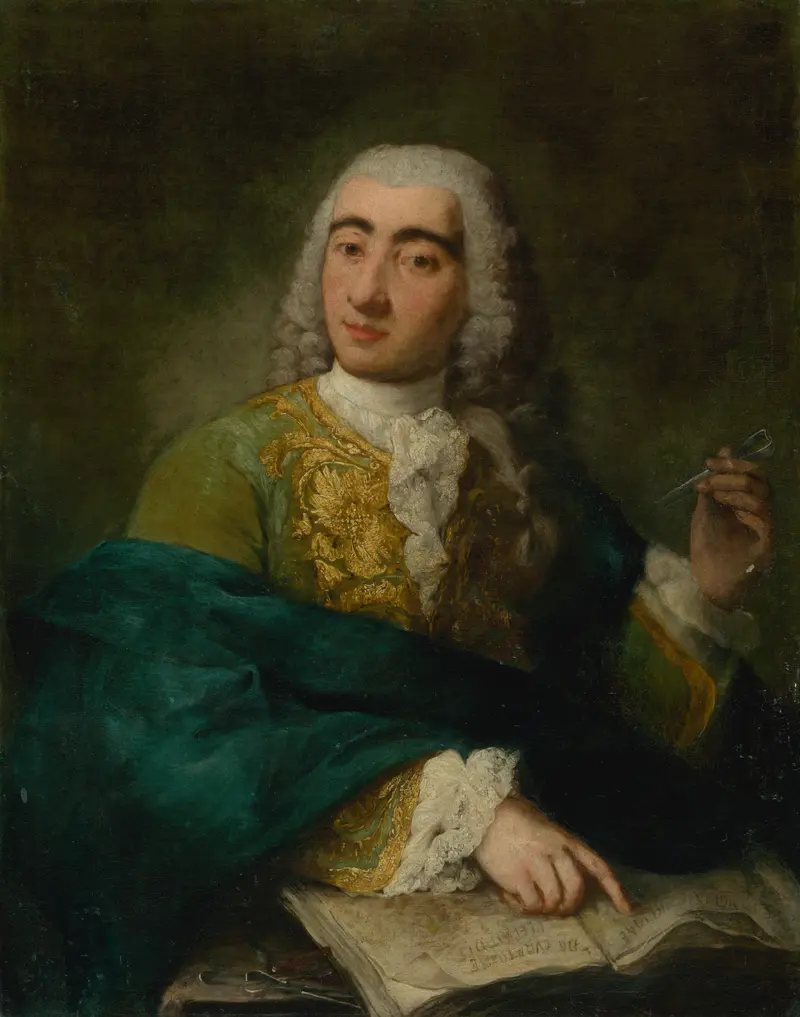
Portrait of a Physician
Alessandro Longhi
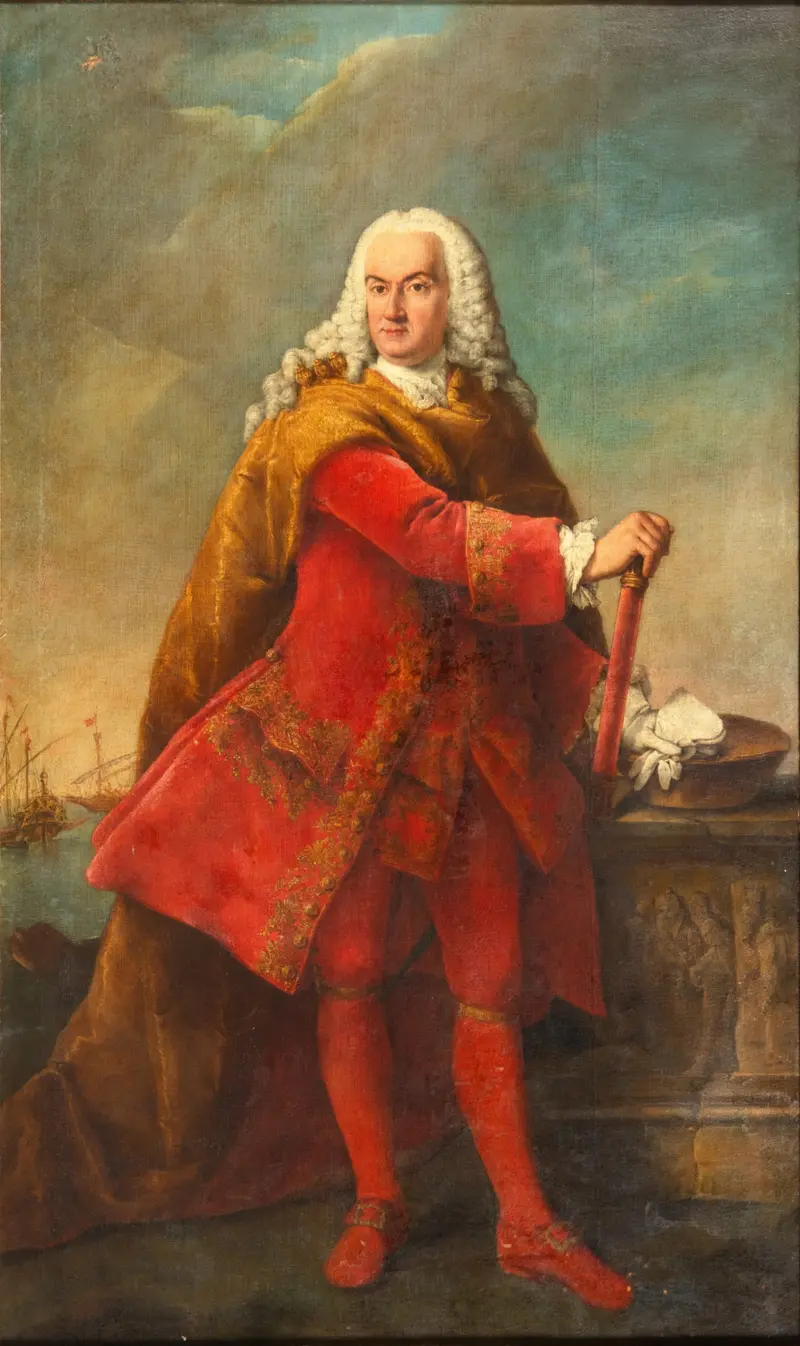
Portrait of a Gentleman
Alessandro Longhi
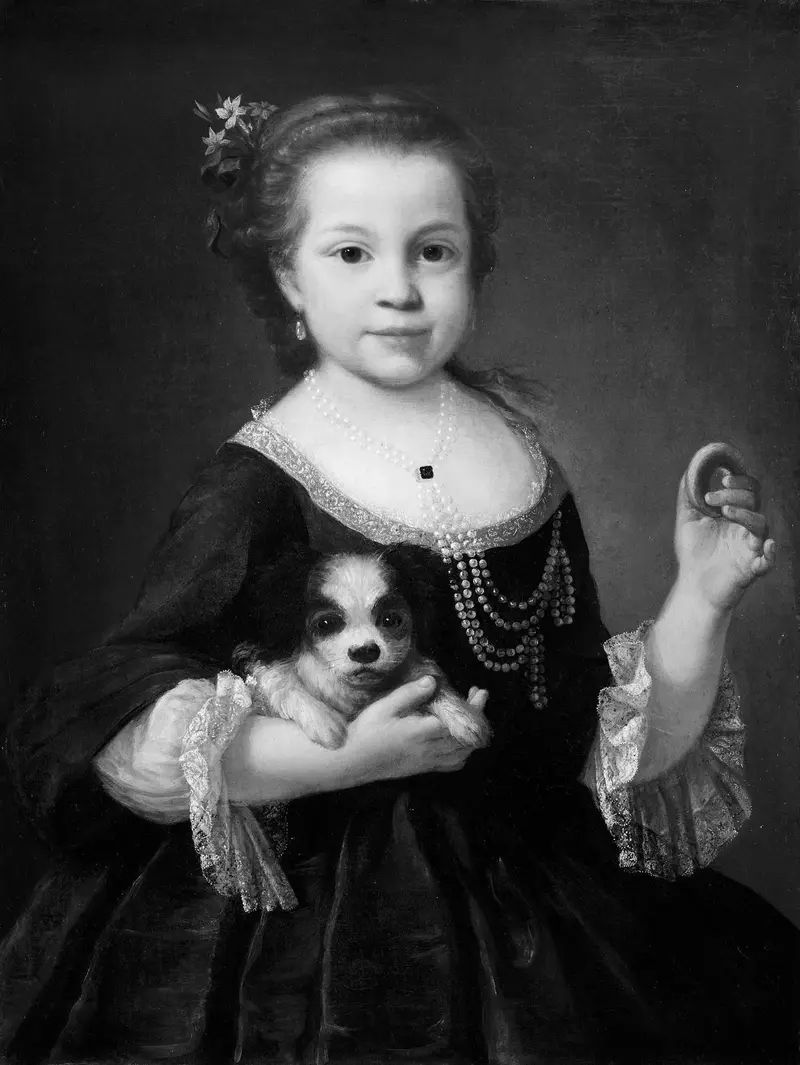
Portrait of a Girl with a Dog
Alessandro Longhi
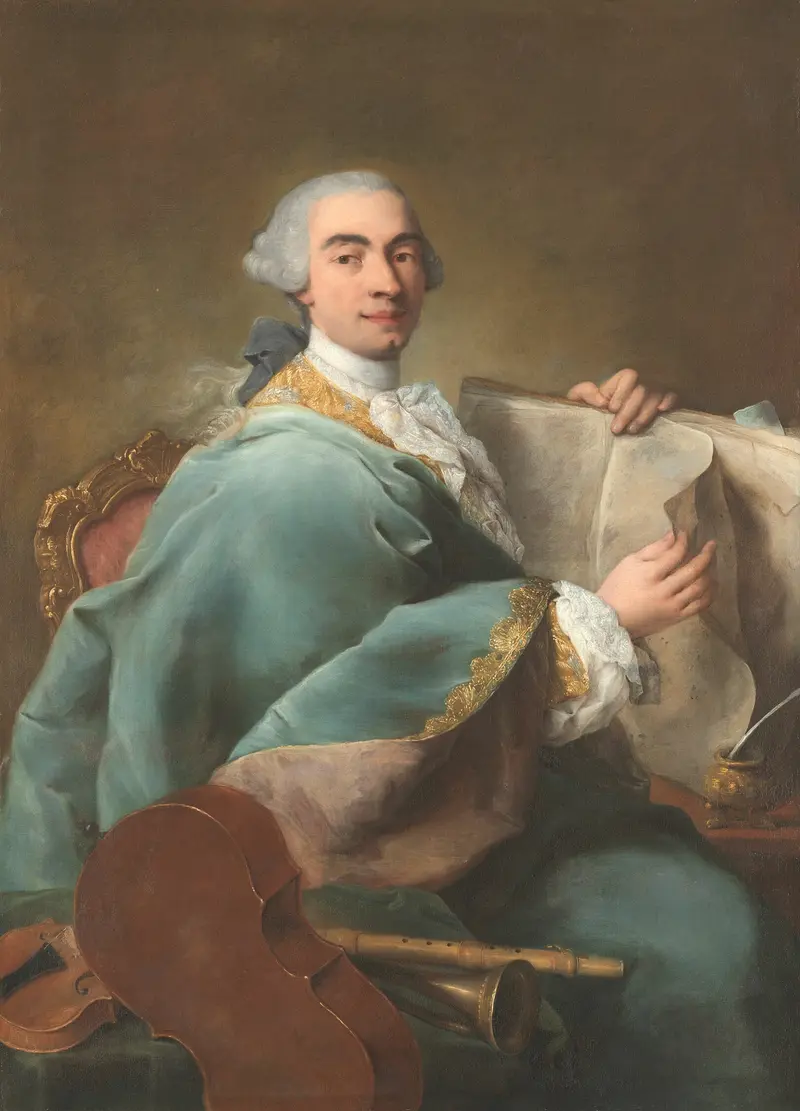
Portrait of a Musician
Alessandro Longhi
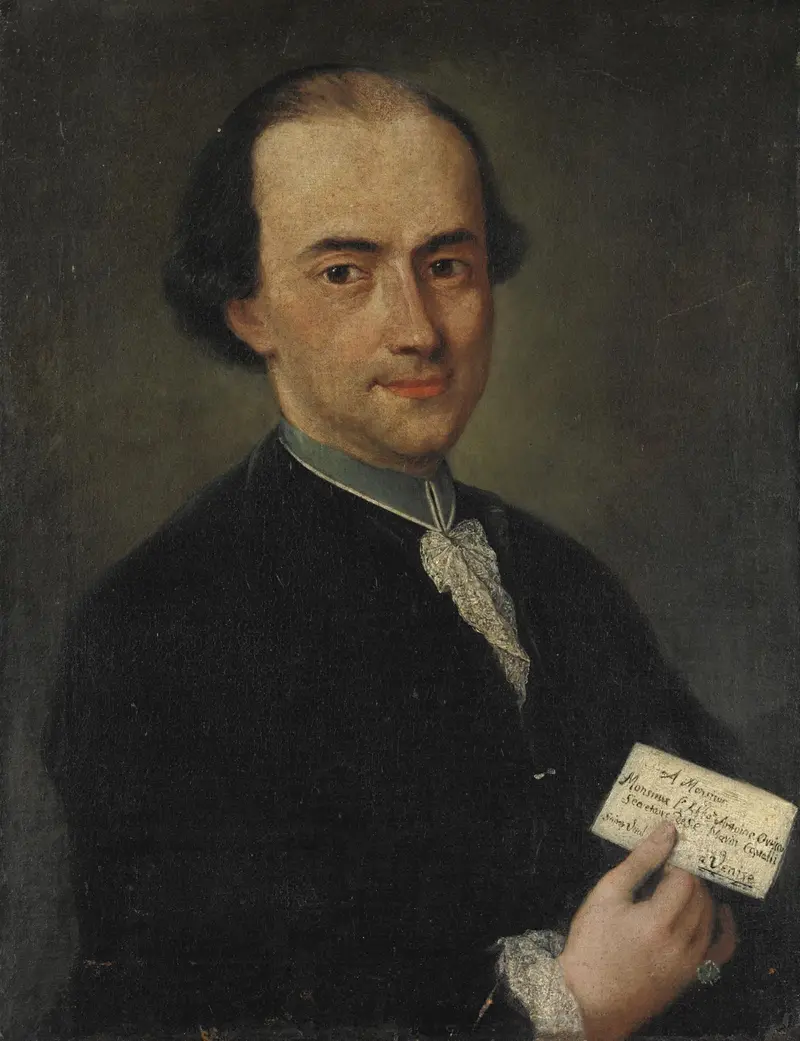
Abbot Antoine Ortica
Alessandro Longhi
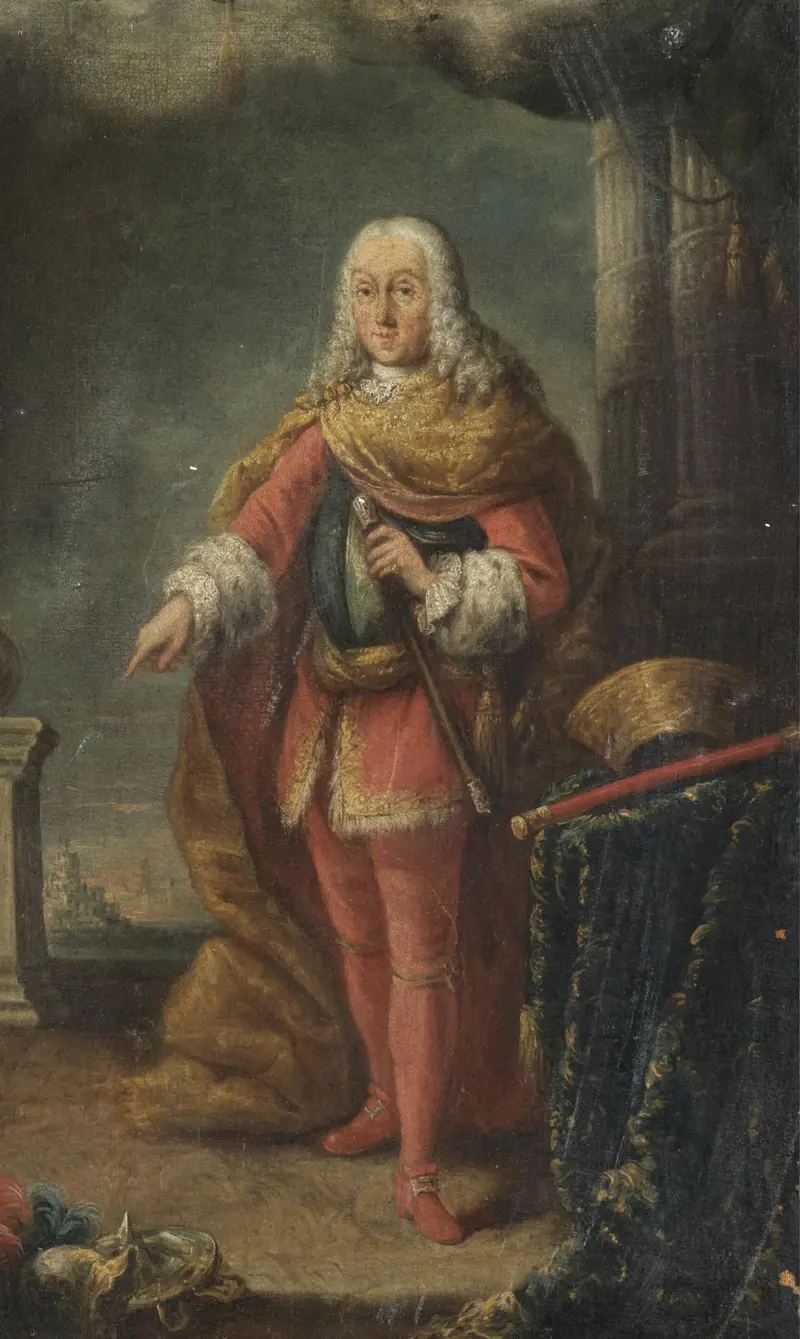
Francesco Grimani (1702–1779)
Alessandro Longhi
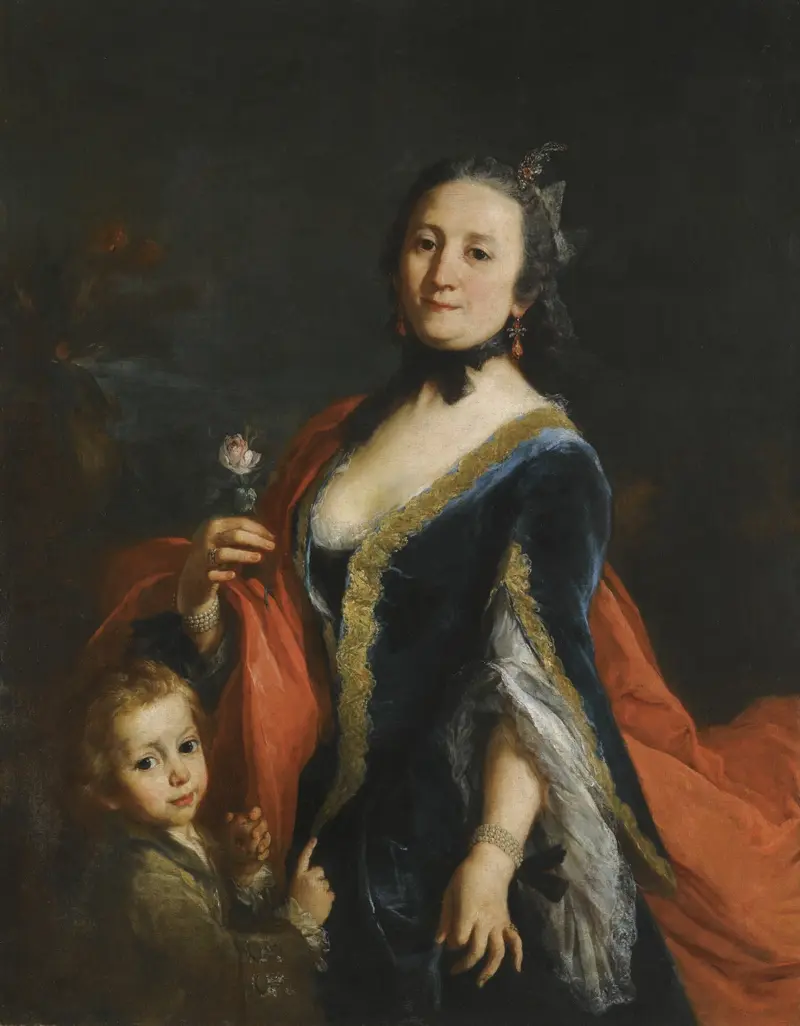
Portrait of a lady holding a rose and a boy holding an apple beside her
Alessandro Longhi





