
Abendromanze — History & Facts
This thought lingers as one contemplates the dreamlike allure of Abendromanze. It captures the delicate interplay between enchanting fantasy and the shadowy edges of sorrow, revealing that not all shimmering surfaces are without their burdens. Focus on the glimmering hues that dance across the canvas, particularly in the luminous sky where deep blues merge effortlessly into soft, warm golds. The gentle curves of the landscape invite viewers' eyes to wander, creating a pathway through the scene.
Notice how the light reflects off the surfaces, casting intricate shadows that suggest both movement and stillness, evoking the tender embrace of twilight where day meets night. Within the harmonious palette lies a profound tension: the beauty of the natural world is juxtaposed against the chill of impending darkness. Subtle strokes reveal hidden anxiety, as delicate flowers bathed in golden light seem fragile, as if they may wither at any moment. This ethereal quality hints at a fleeting dream, where joy is intertwined with an unspoken fear of loss, encapsulating the transient nature of beauty itself. Created in 1938, Abendromanze emerged during a tumultuous time for Karl Wiener, who was facing personal and societal changes in pre-war Europe.
Living in Germany, he was influenced by the growing undercurrents of tension and uncertainty. This piece reflects not only his inner struggles but also the broader artistic movements of the era as artists grappled with the complexities of their realities, blending beauty with deeper emotional landscapes.
More Artworks by Karl Wiener
Browse all →
Österreich
Karl Wiener

Vorstadt VII
Karl Wiener

Der Turm
Karl Wiener

Ohne Titel (Häuser mit Holzscheune)
Karl Wiener

Kopfstudie, aus; ‘Profile’, 10 Blätter, Graz XV
Karl Wiener

Steinberg
Karl Wiener
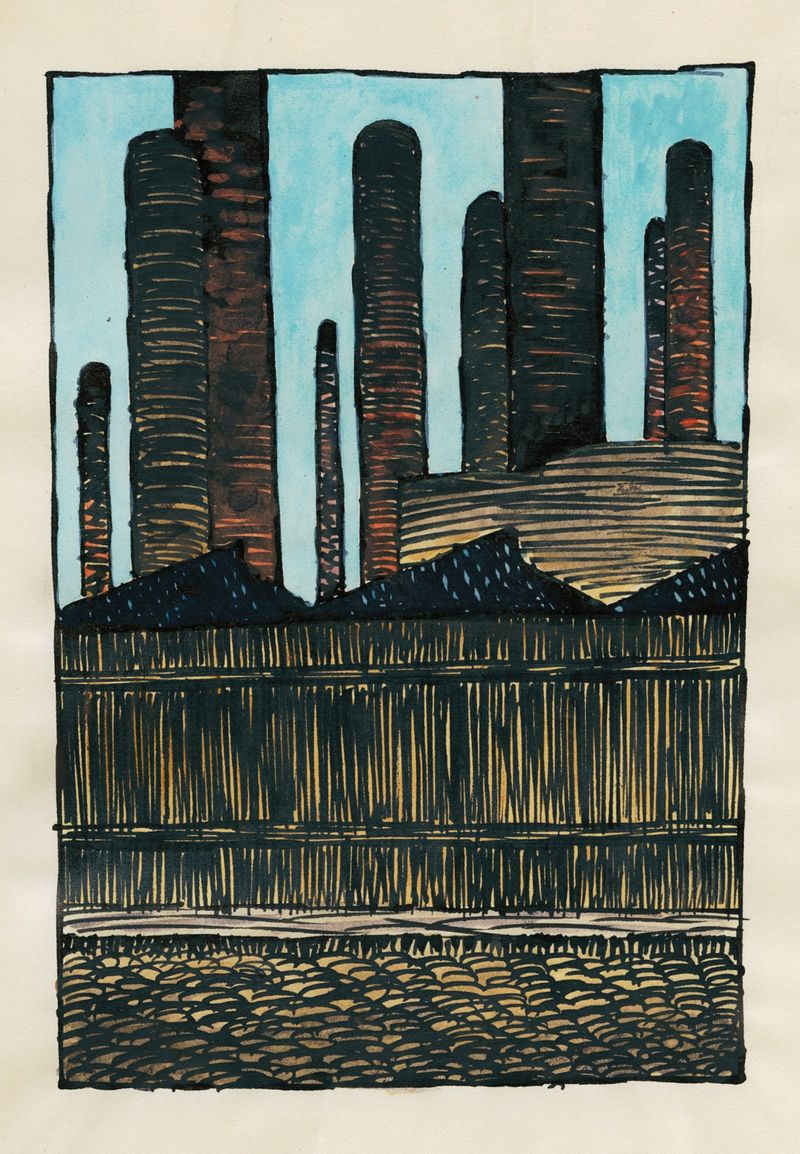
Kopfstudie, aus; ‘Profile’, 10 Blätter, Graz XIV
Karl Wiener

Ohne Titel (Bauernhaus mit Vorgarten)
Karl Wiener
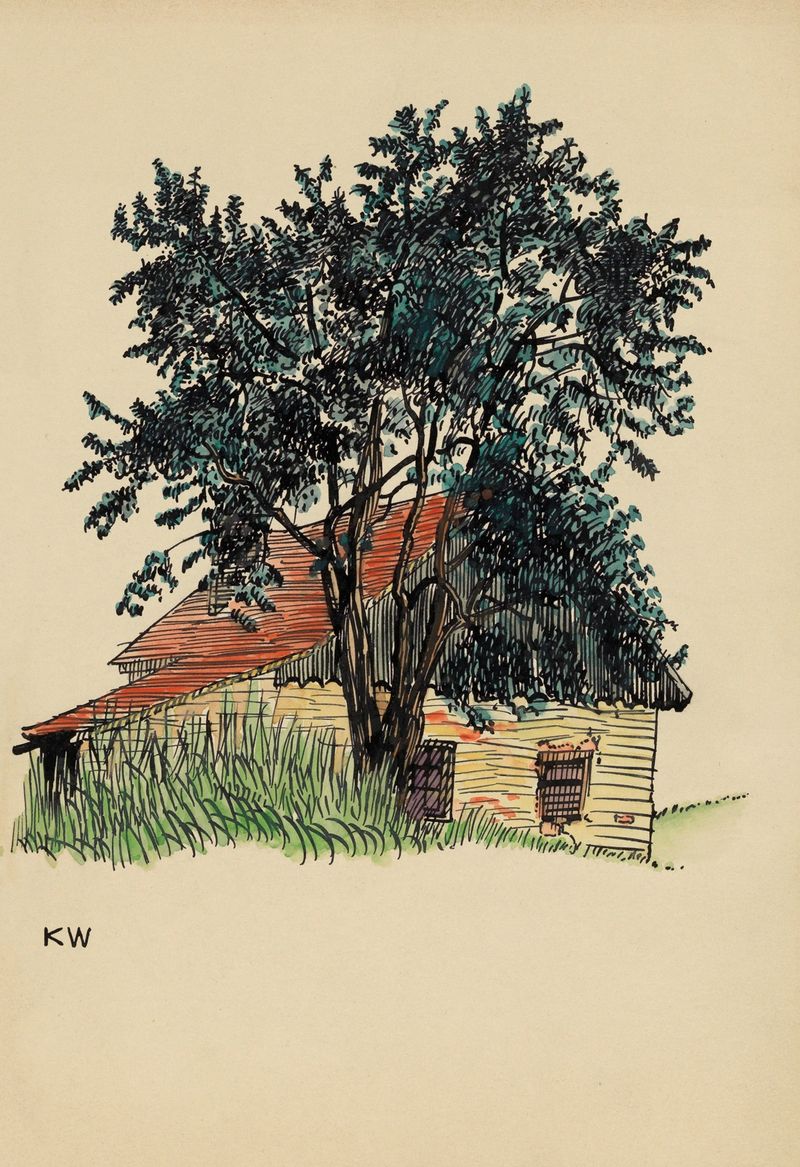
Ohne Titel (Bauernhaus)
Karl Wiener
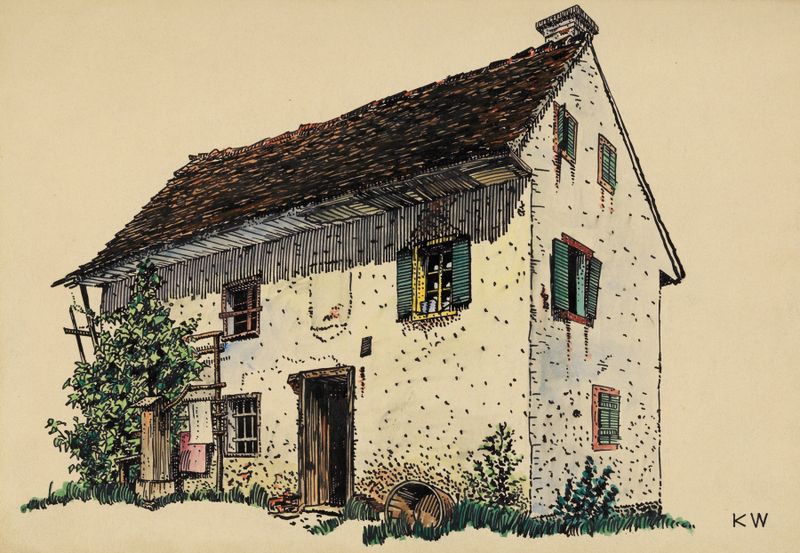
Ohne Titel (Bauernhaus)
Karl Wiener





