
Art movement · From 1924 · Paris
Surrealism Art and Artists
Surrealism is an art movement that began in Paris in 1924, when the poet André Breton published the first Surrealist Manifesto, and set out to free the unconscious mind through dreams, chance and strange, unexpected images. Its best-known painters are Salvador Dalí, René Magritte, Max Ernst and Joan Miró, together with Yves Tanguy, the British painter Paul Nash and Frida Kahlo, whom Breton claimed for the movement; the Surrealists also embraced the work of Paul Klee.
Some Surrealists painted dream worlds in sharp, realistic detail; others drew automatically, without a plan, to let images rise from the unconscious. Most of this art is still under copyright: Dalí, Magritte, Ernst and Miró died between 1967 and 1989, so their paintings are named here but not shown. The works we show were made in 1930 or earlier by artists who died in 1955 or earlier, such as Klee's Fish Magic (1925) and Tanguy's paintings of 1929 and 1930.
Most Surrealist art is still in copyright, so its famous paintings are named and explained here rather than shown; the 111 works filed under Surrealism below include public-domain paintings by Paul Klee and Yves Tanguy, free to download.
Selected and written by Pavel MazuelasUpdated November 5, 2026
Part of Art Movements and Painting StylesRelated: Symbolism, Expressionism, Abstract Expressionism
All works filed under Surrealism
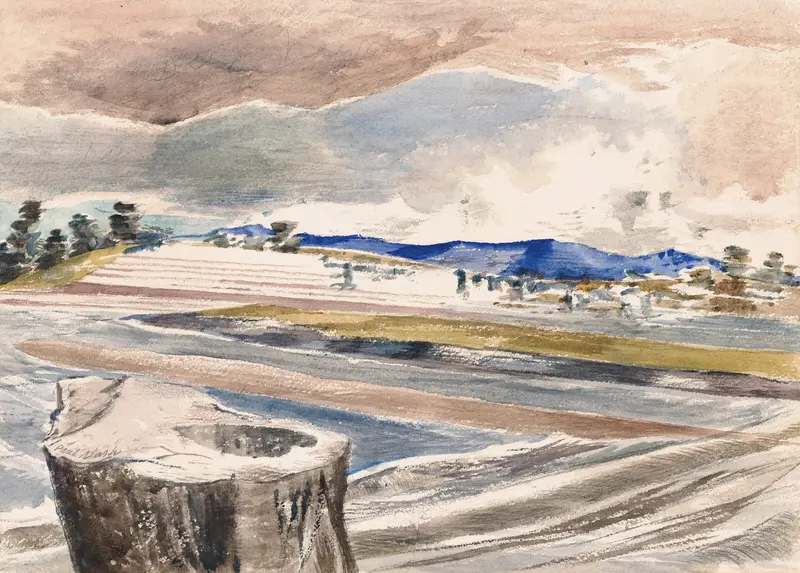
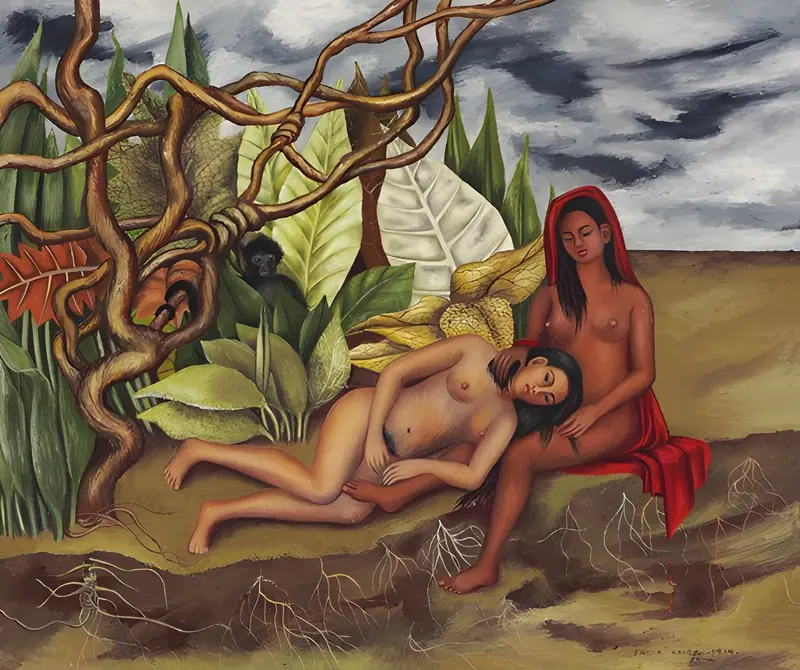
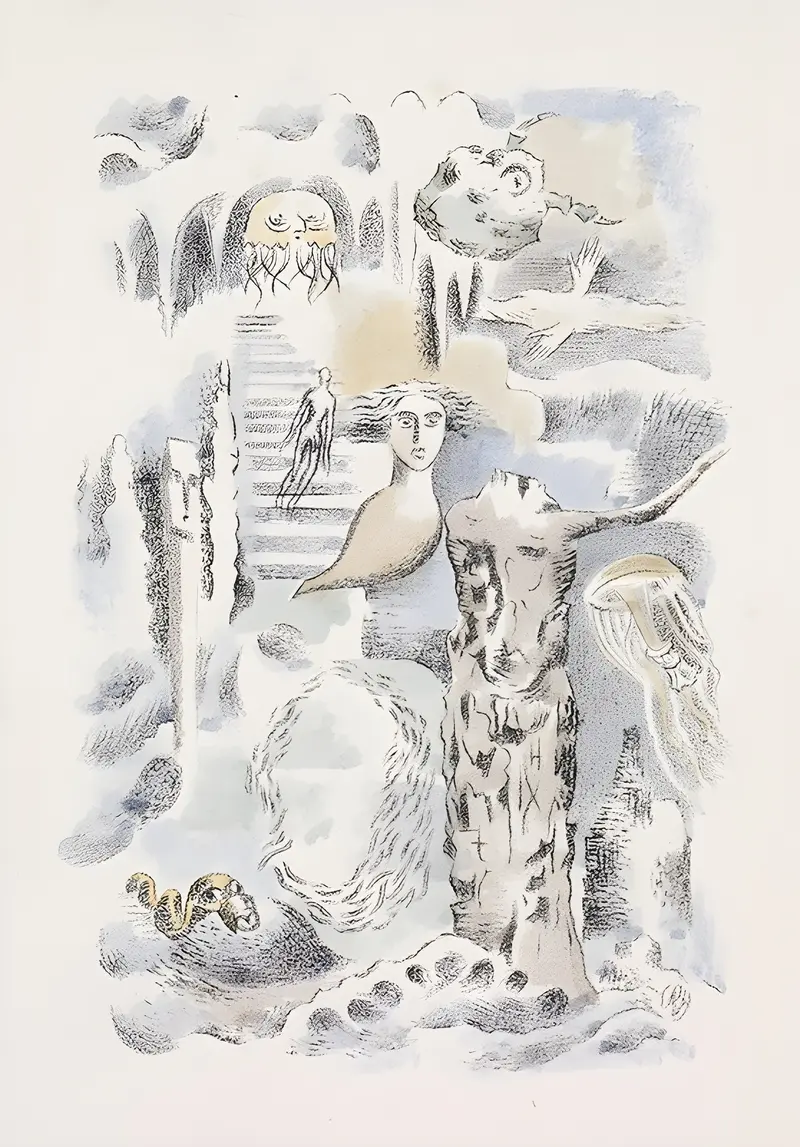
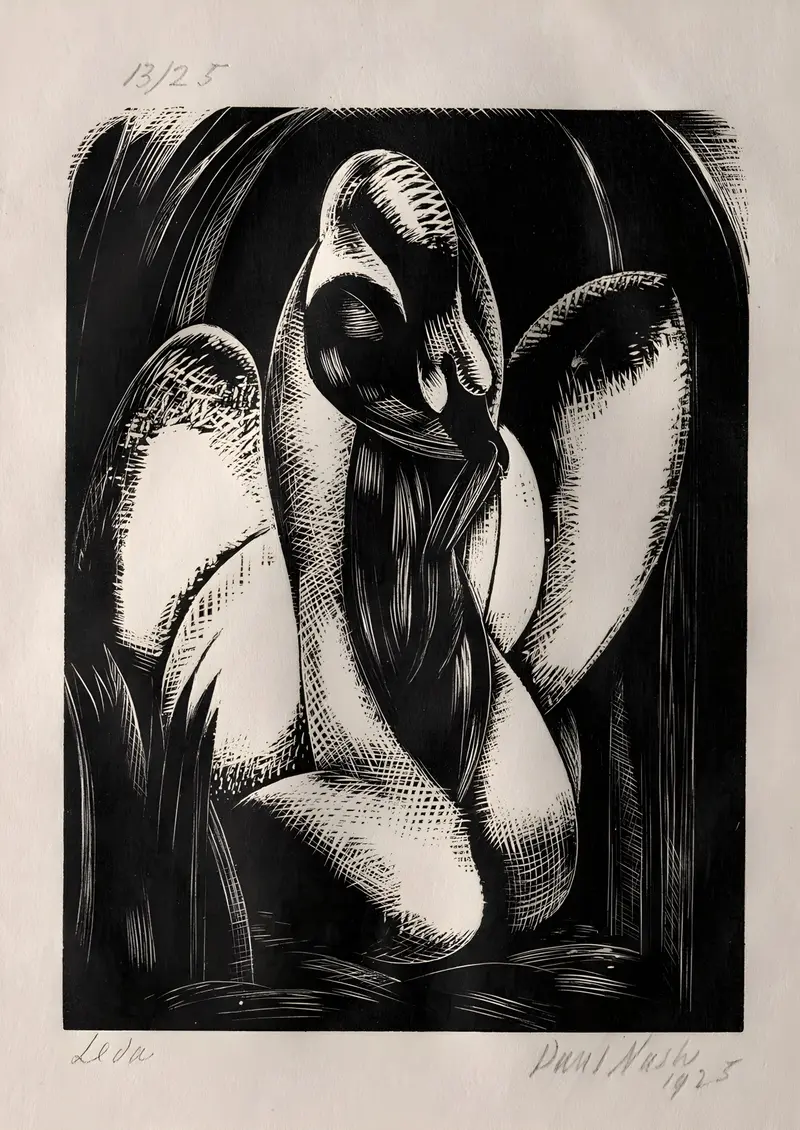
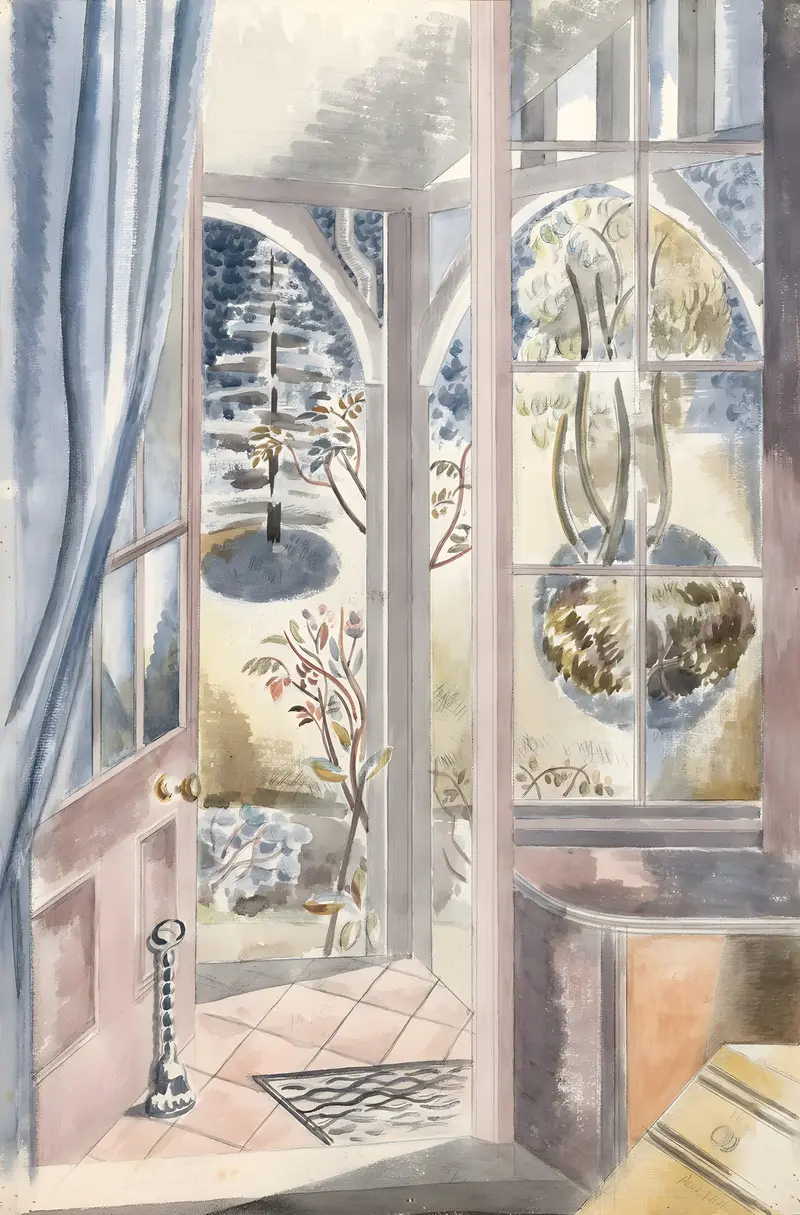
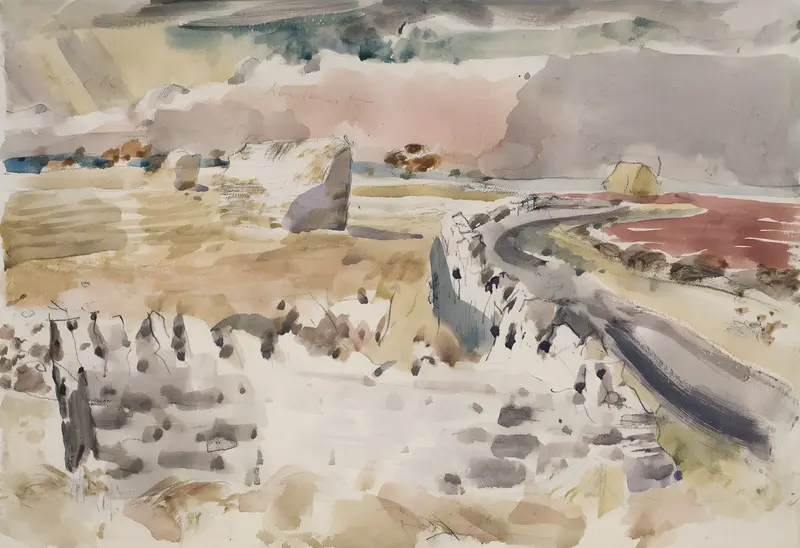
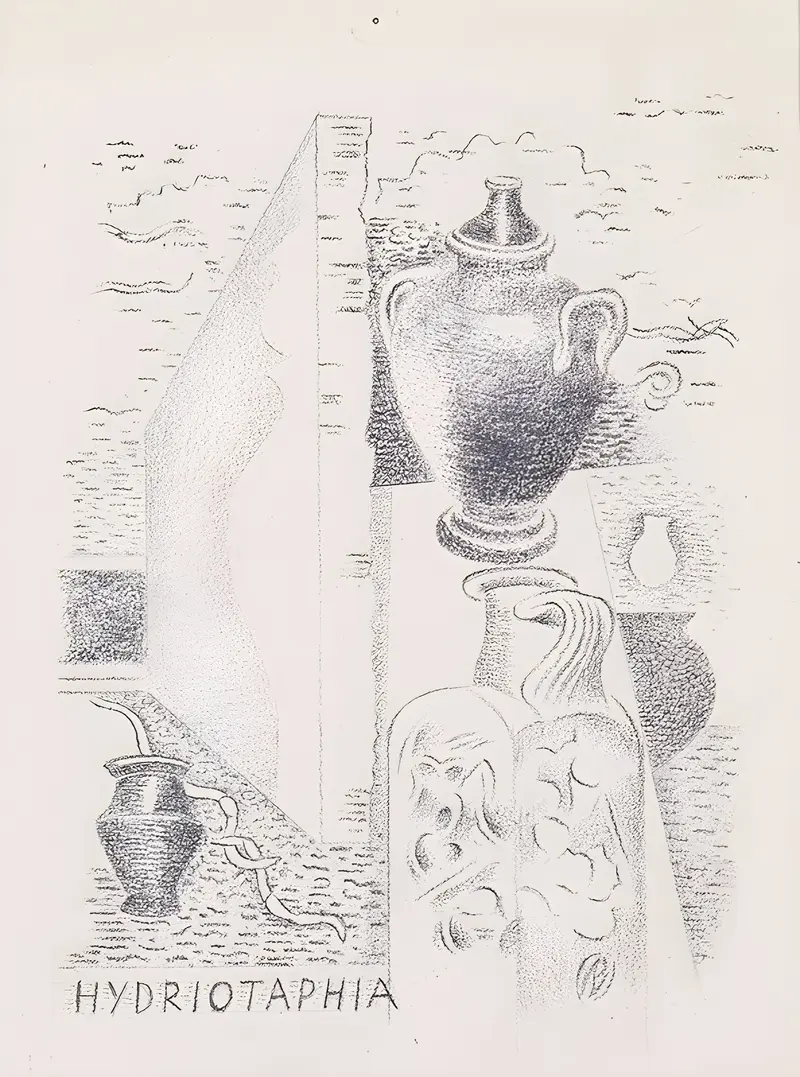
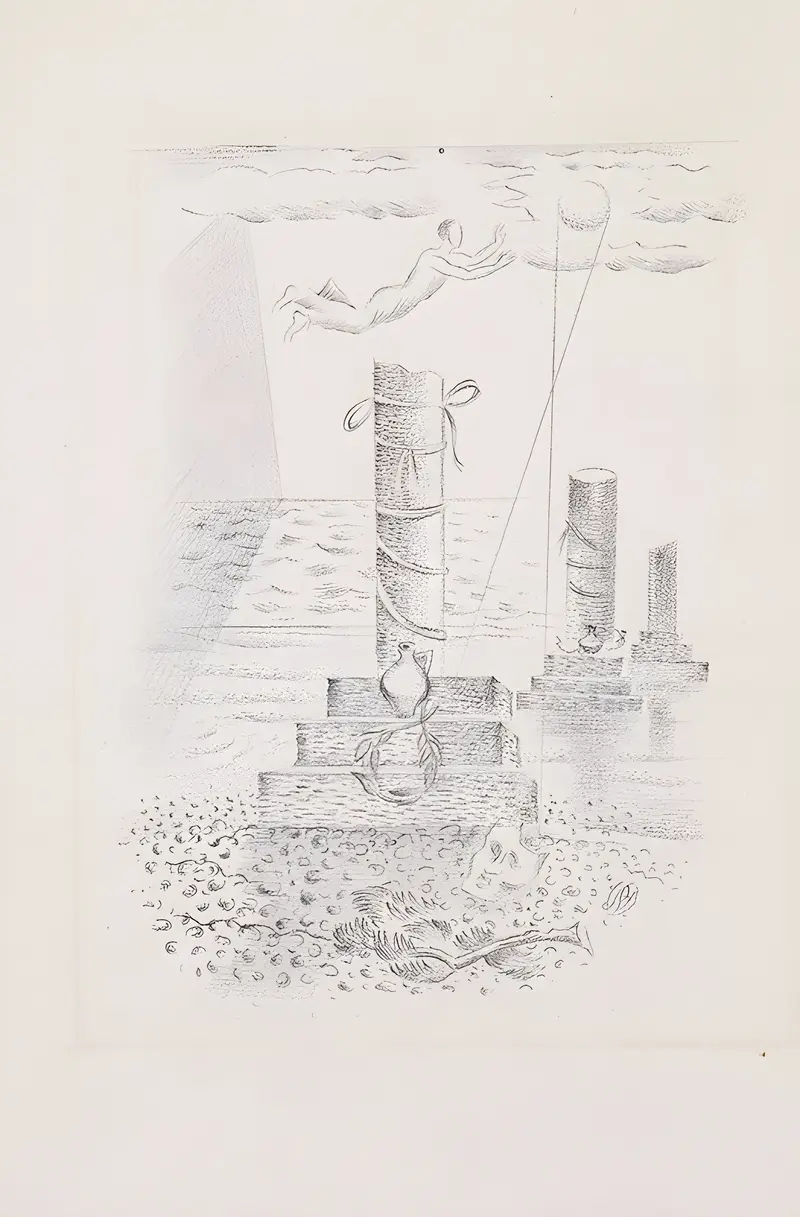
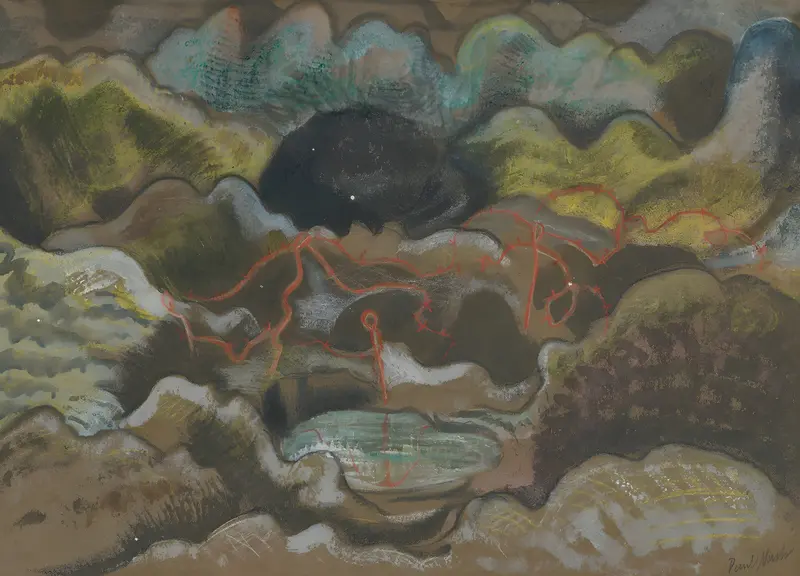
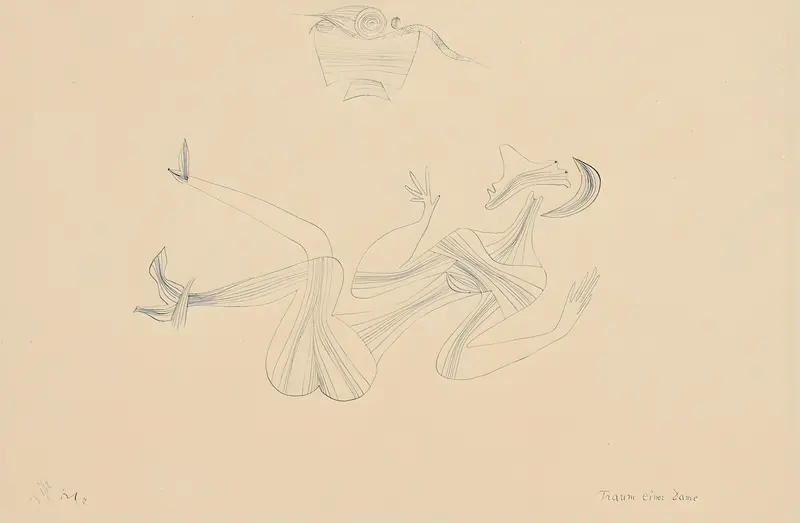
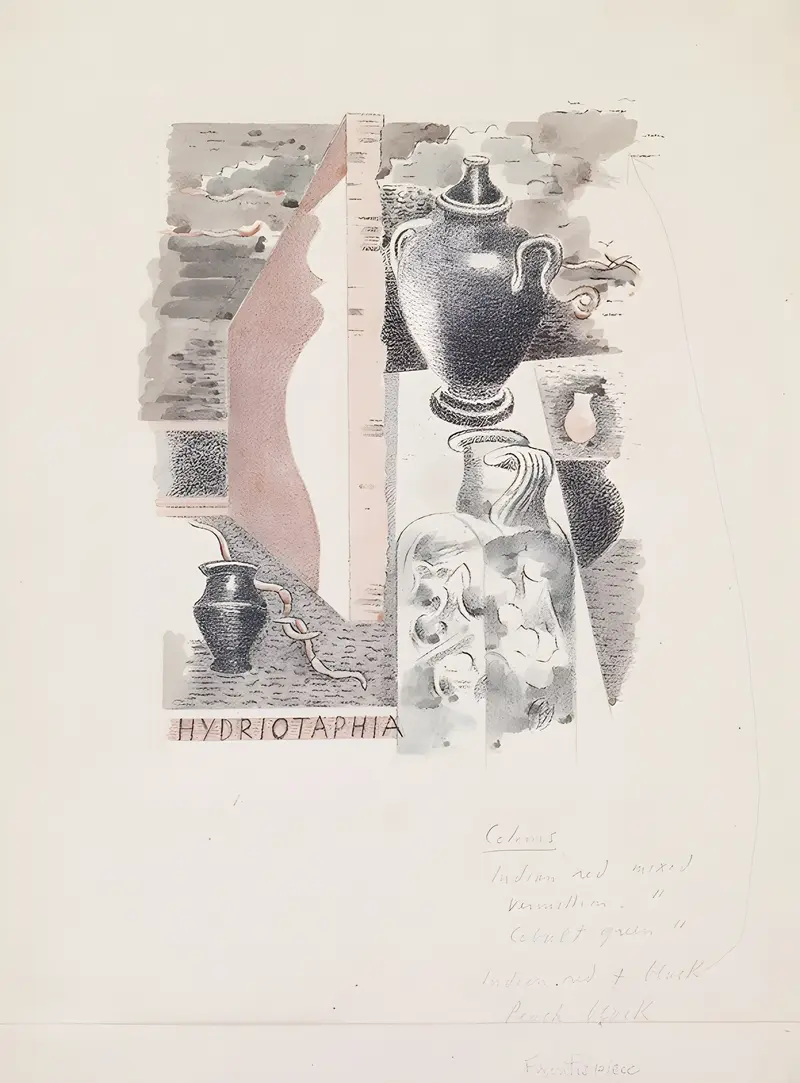
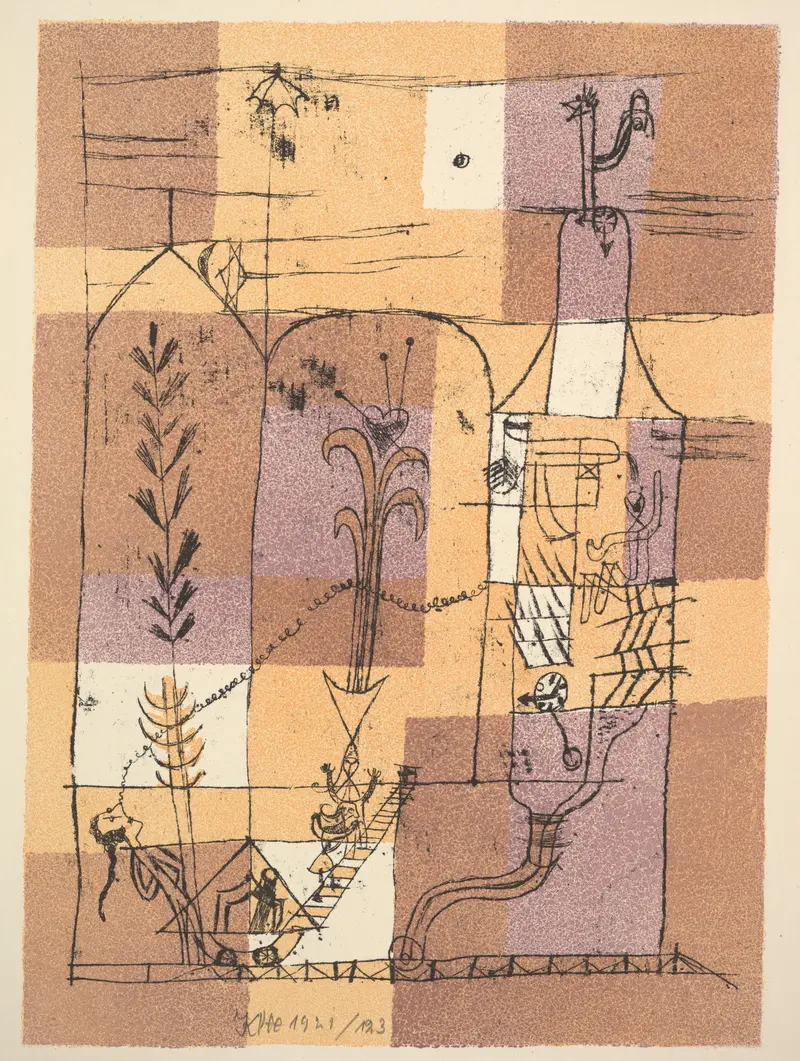
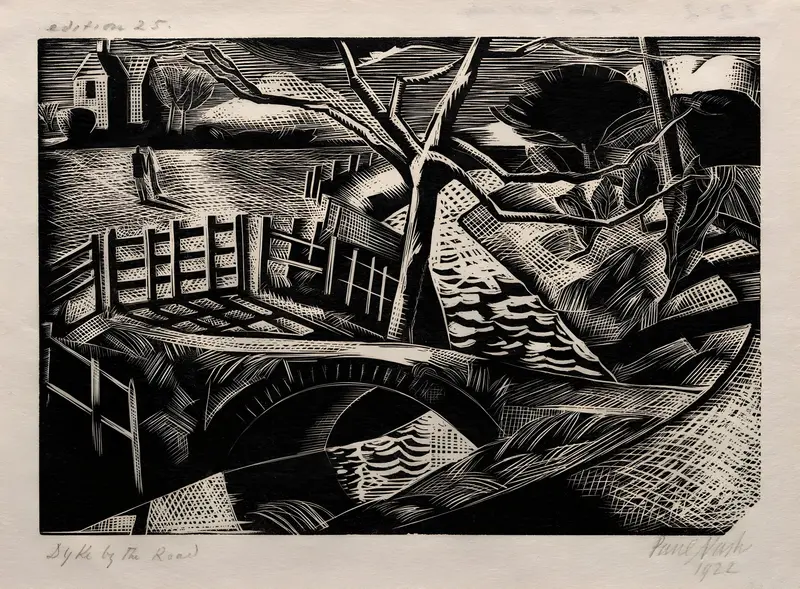
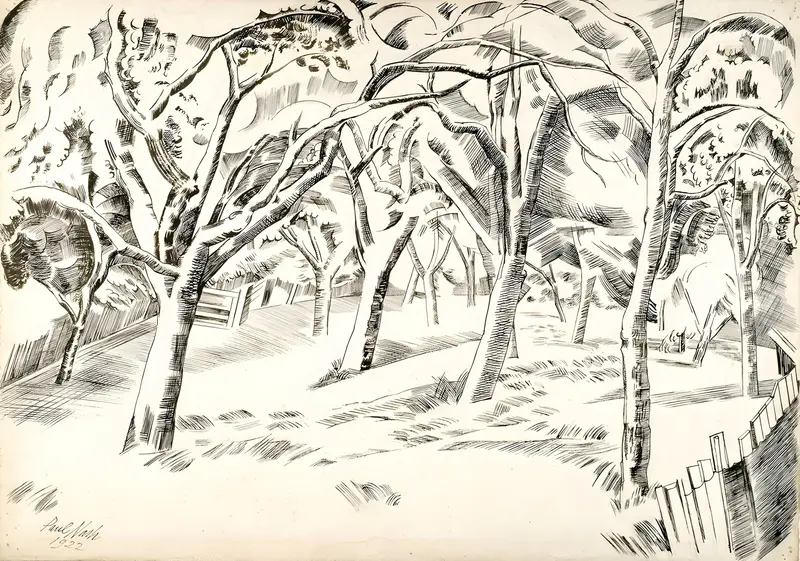
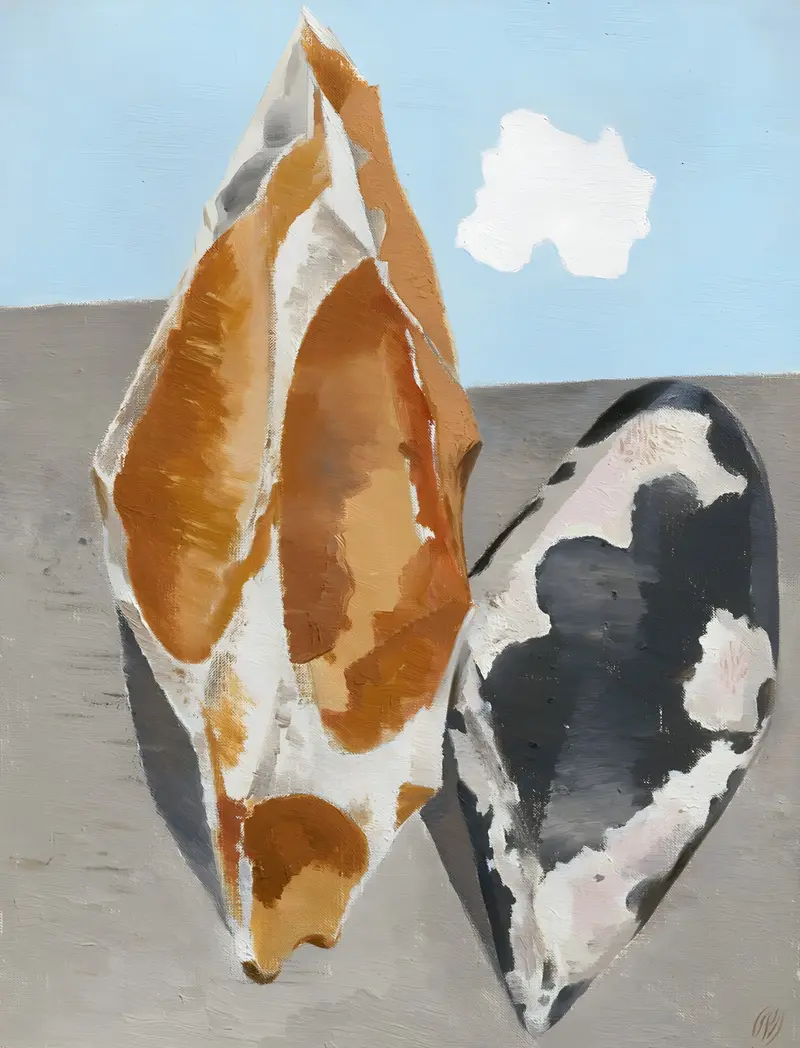
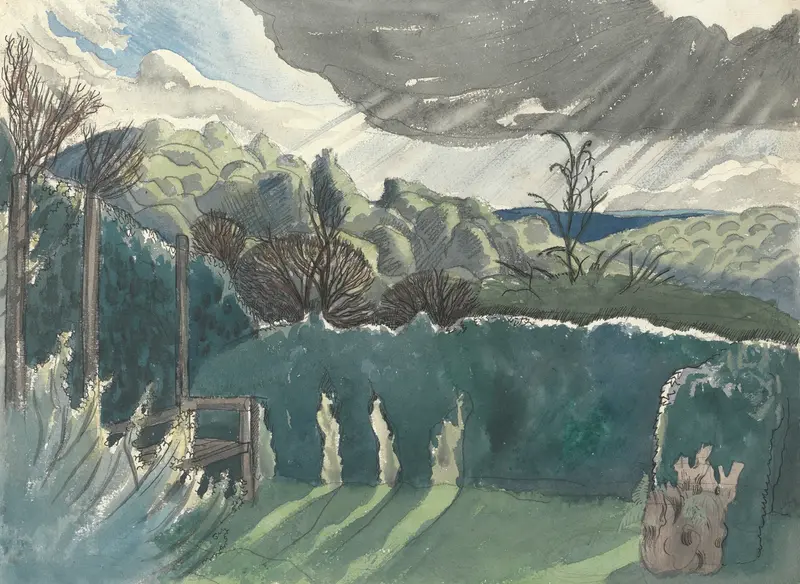
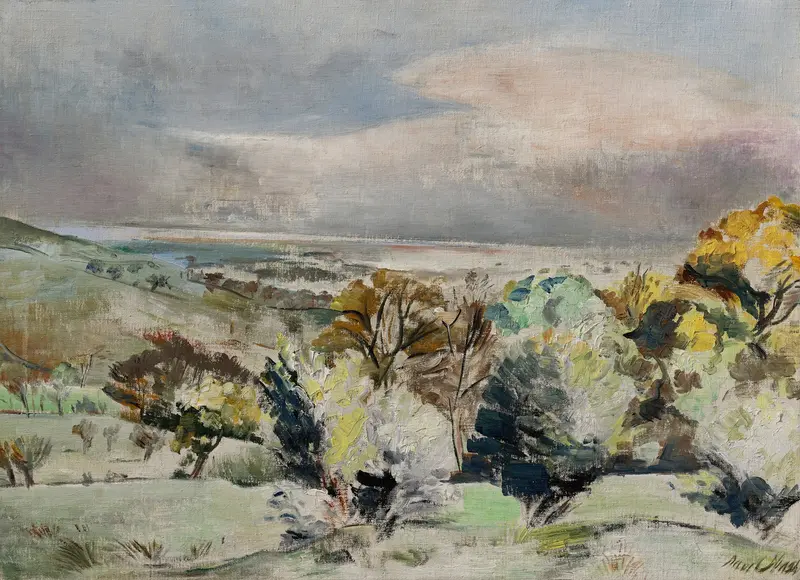
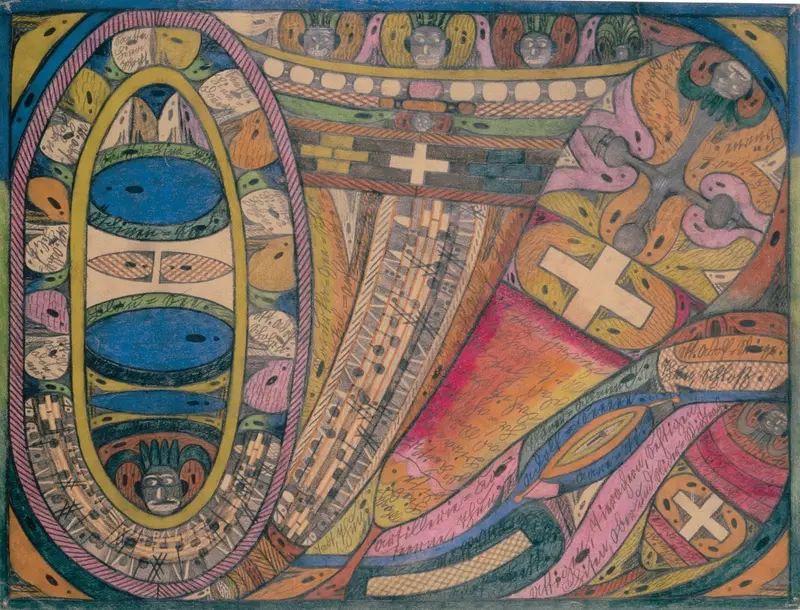
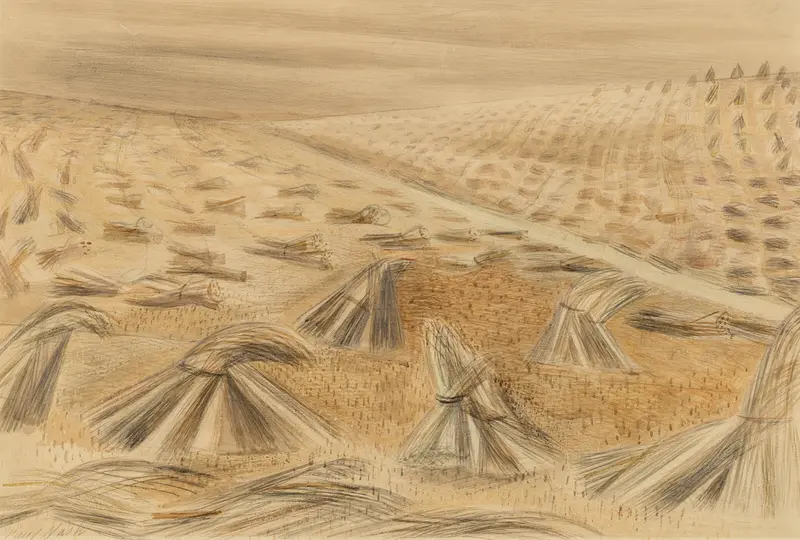
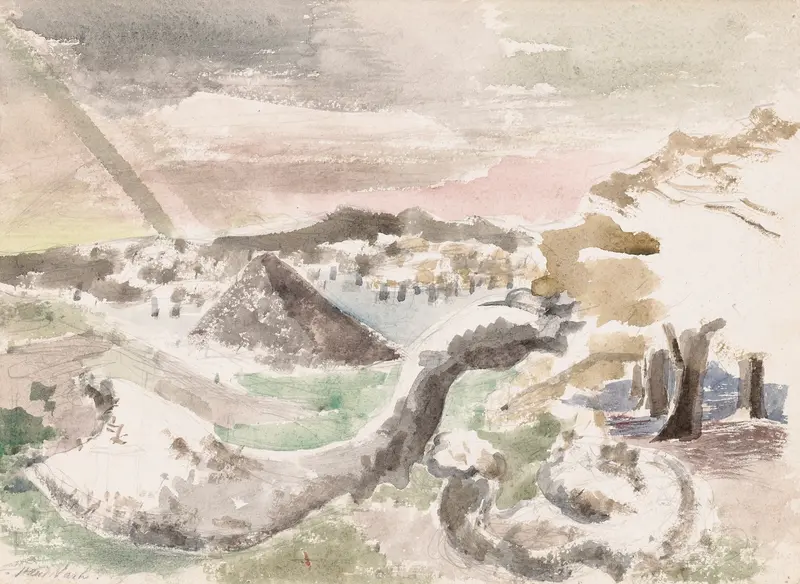
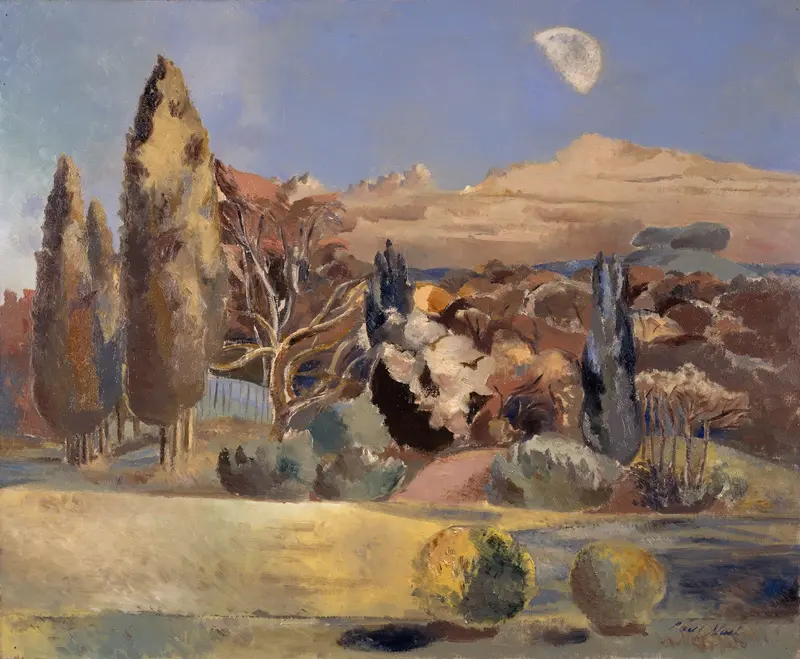
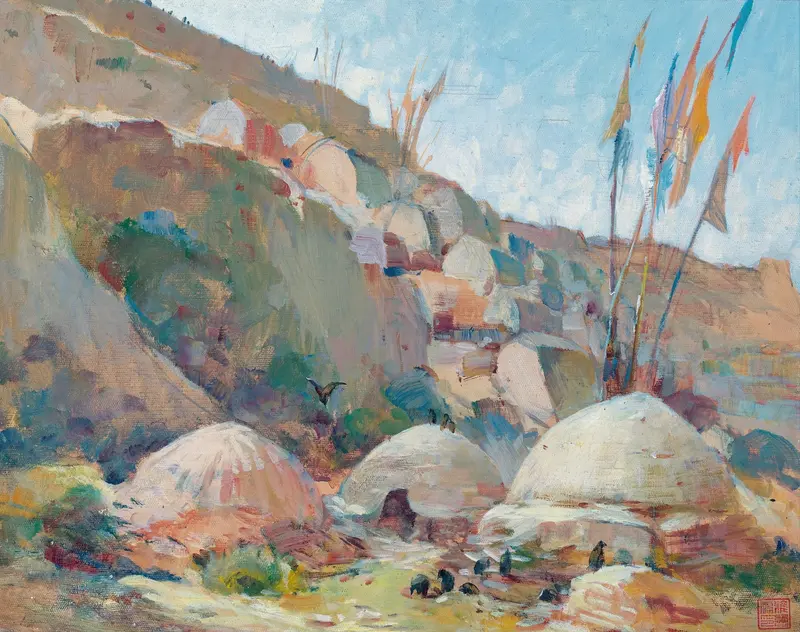
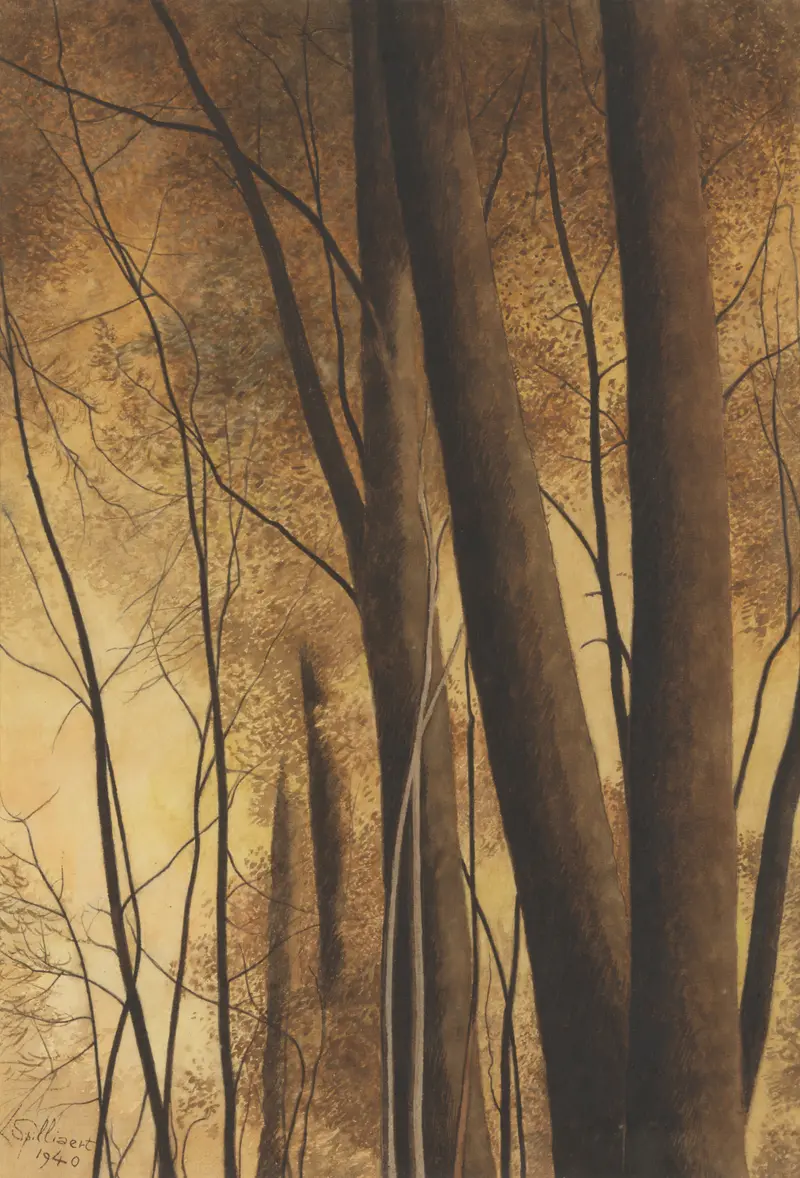
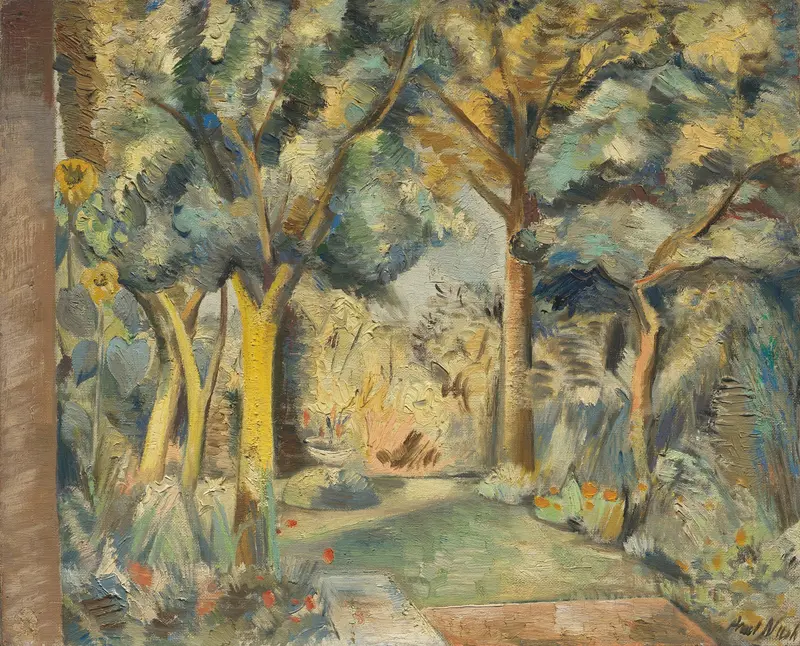
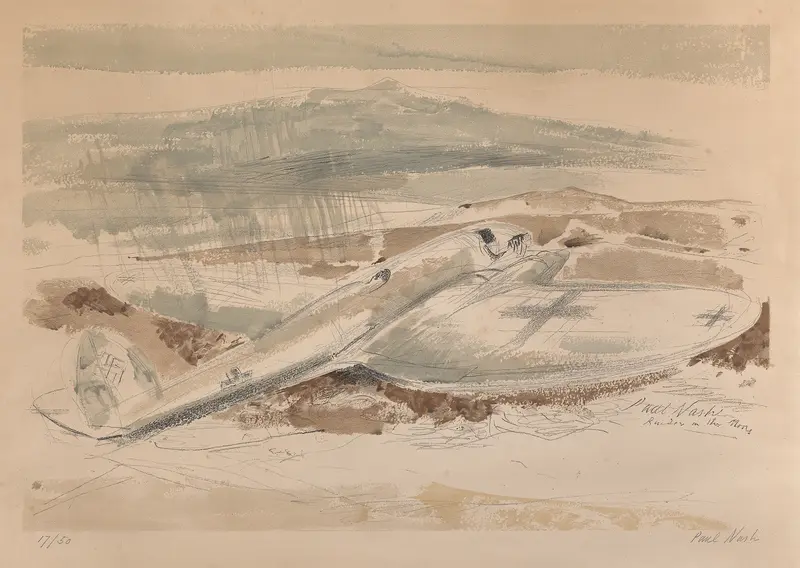
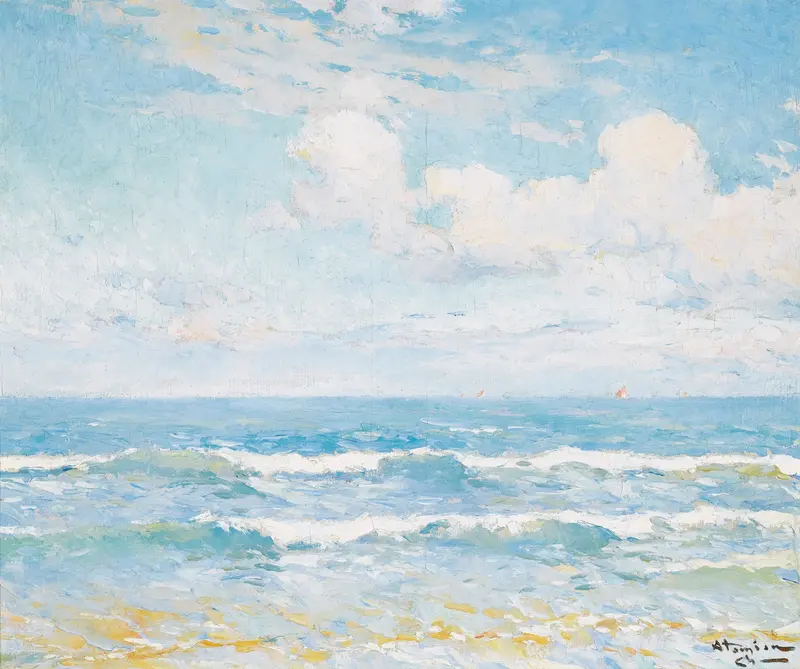
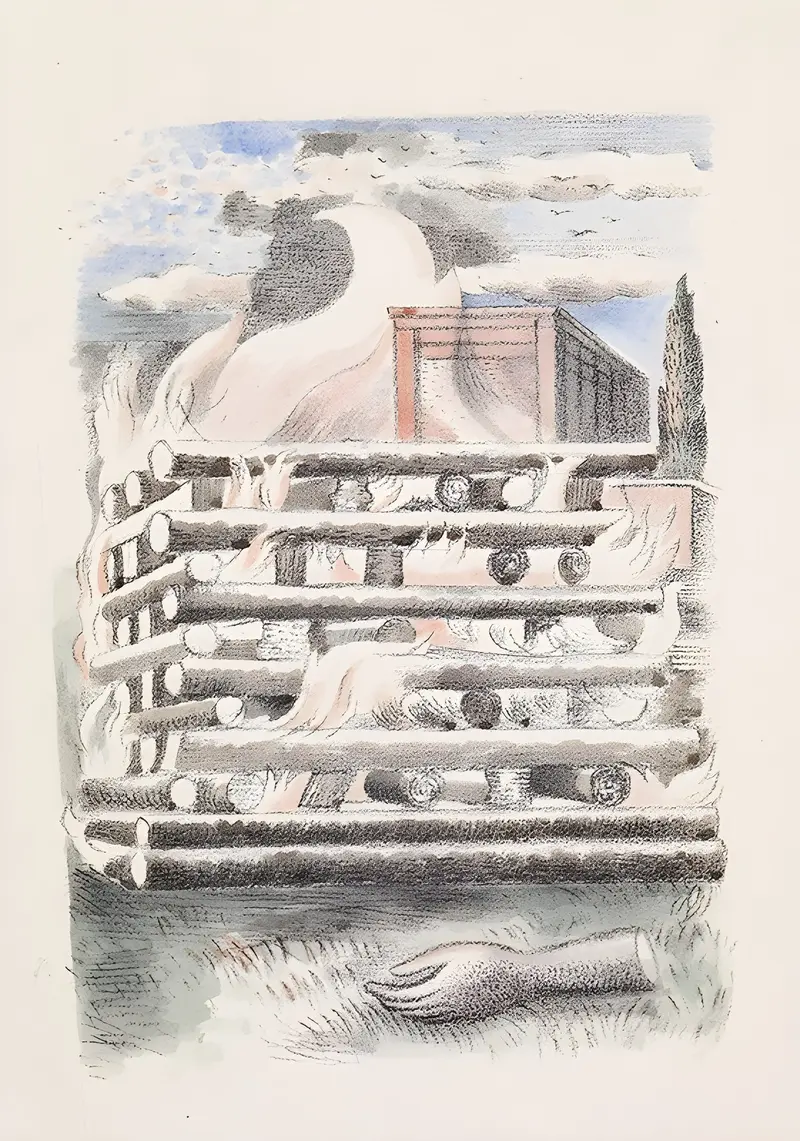
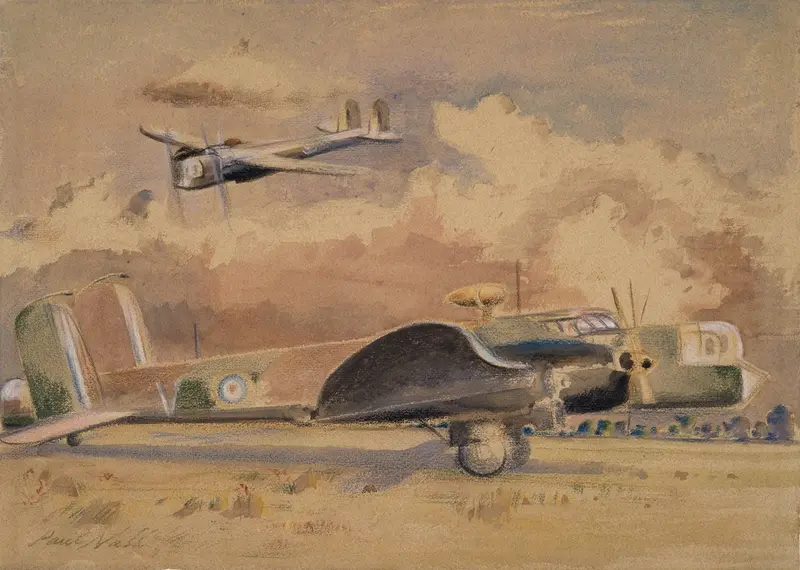
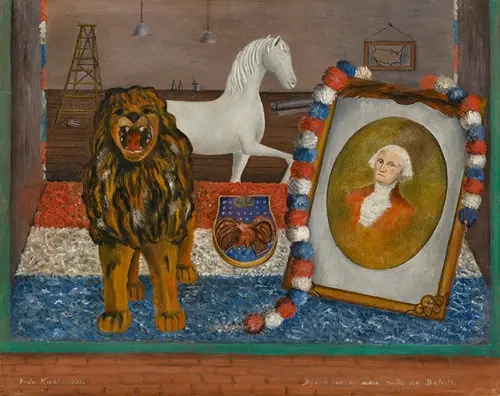
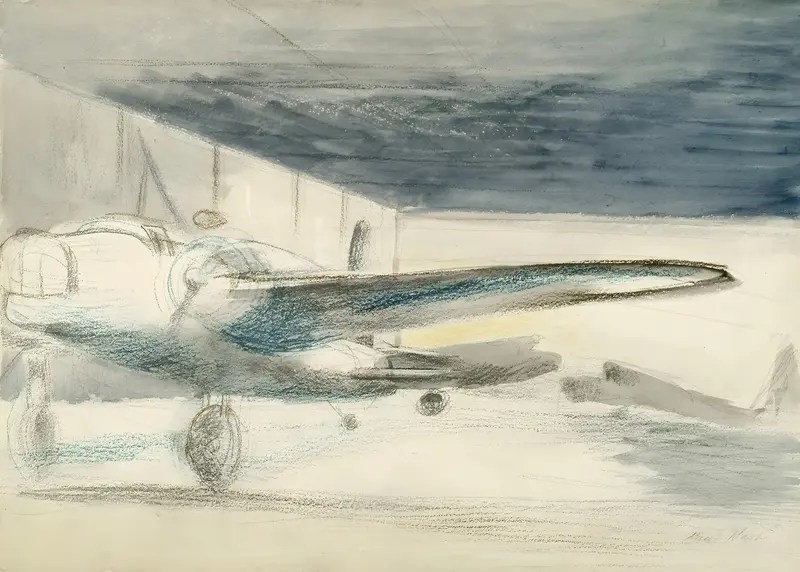
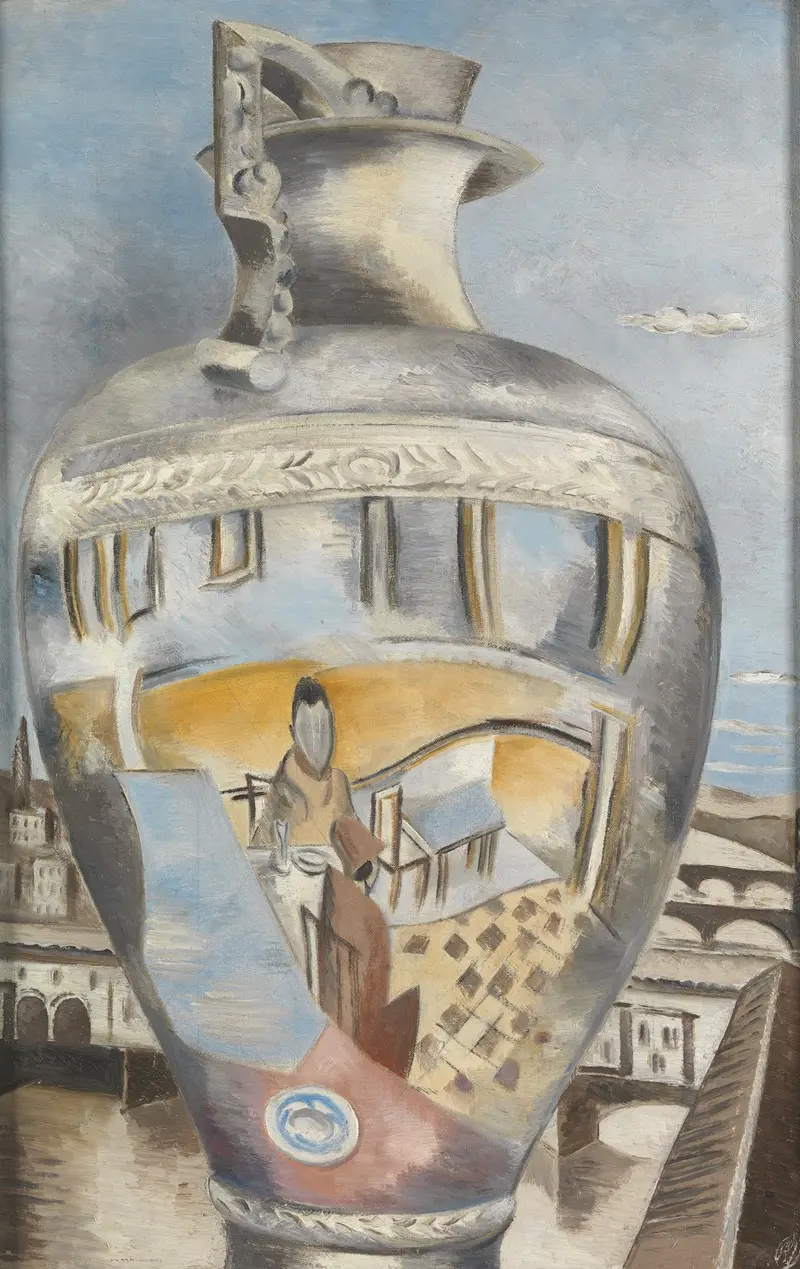
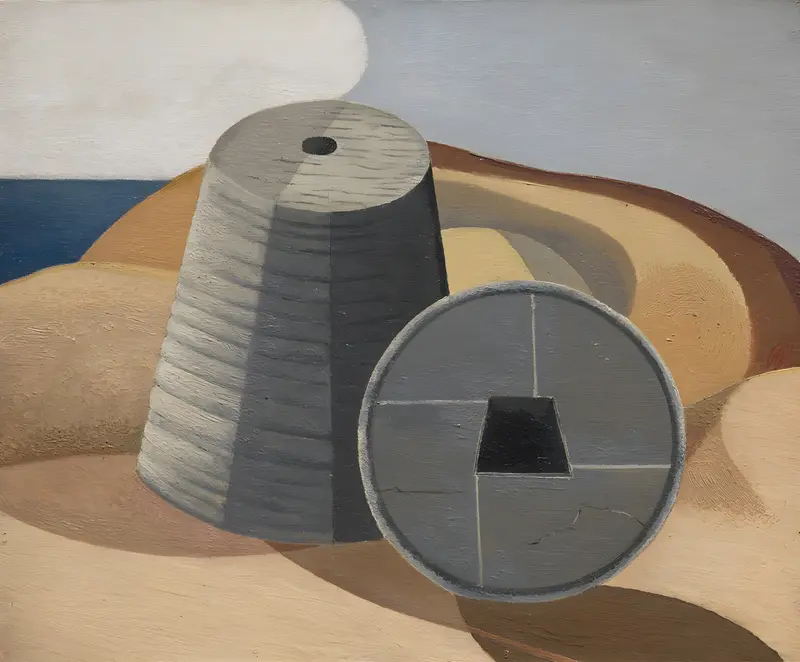
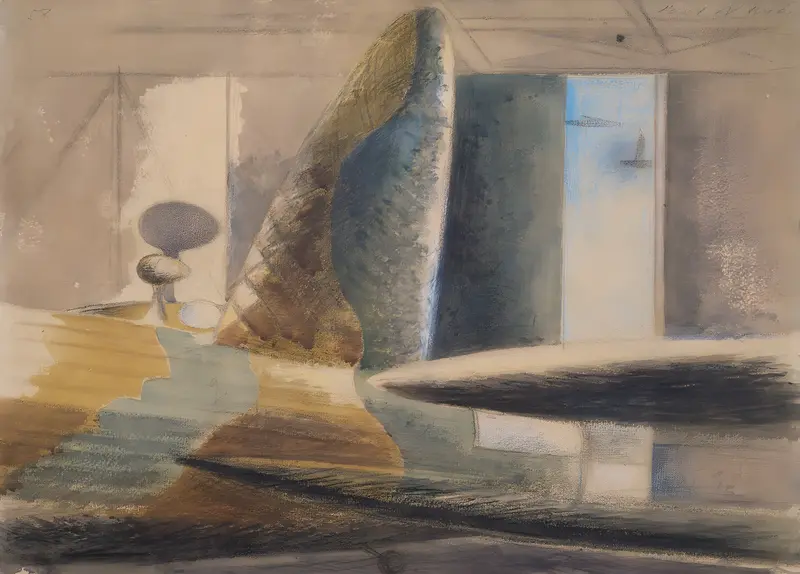
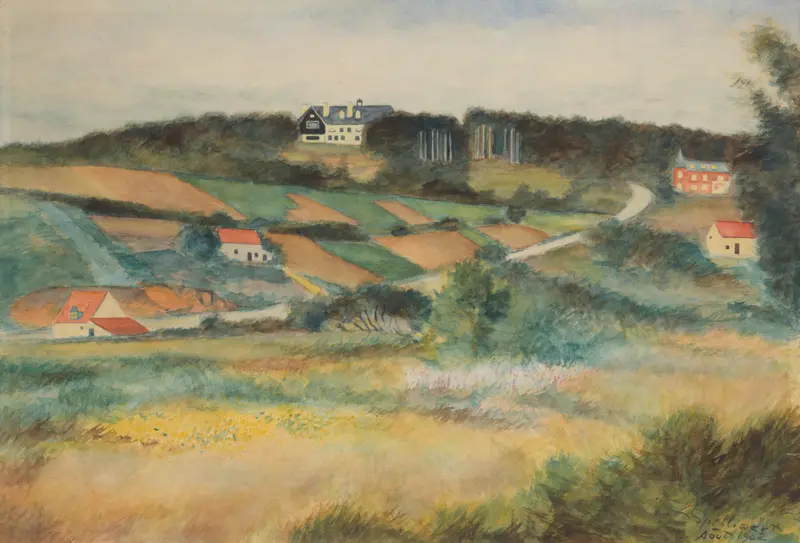
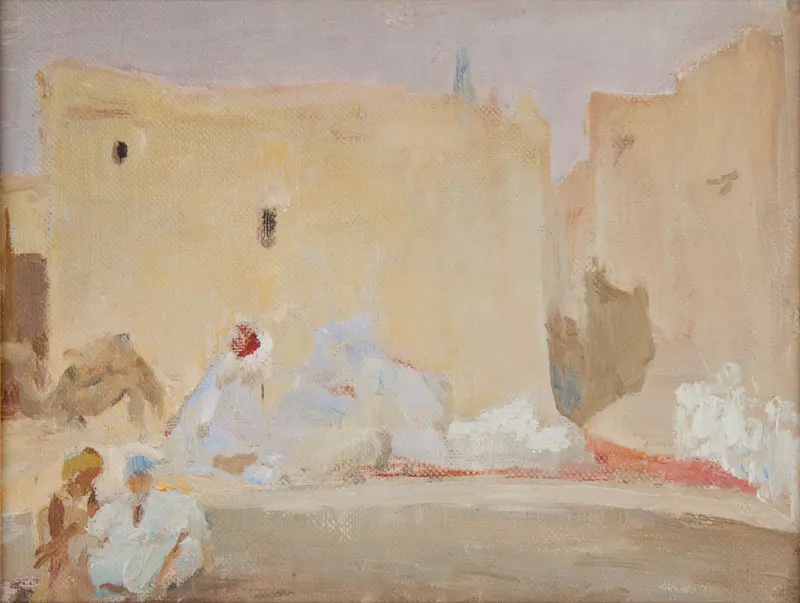
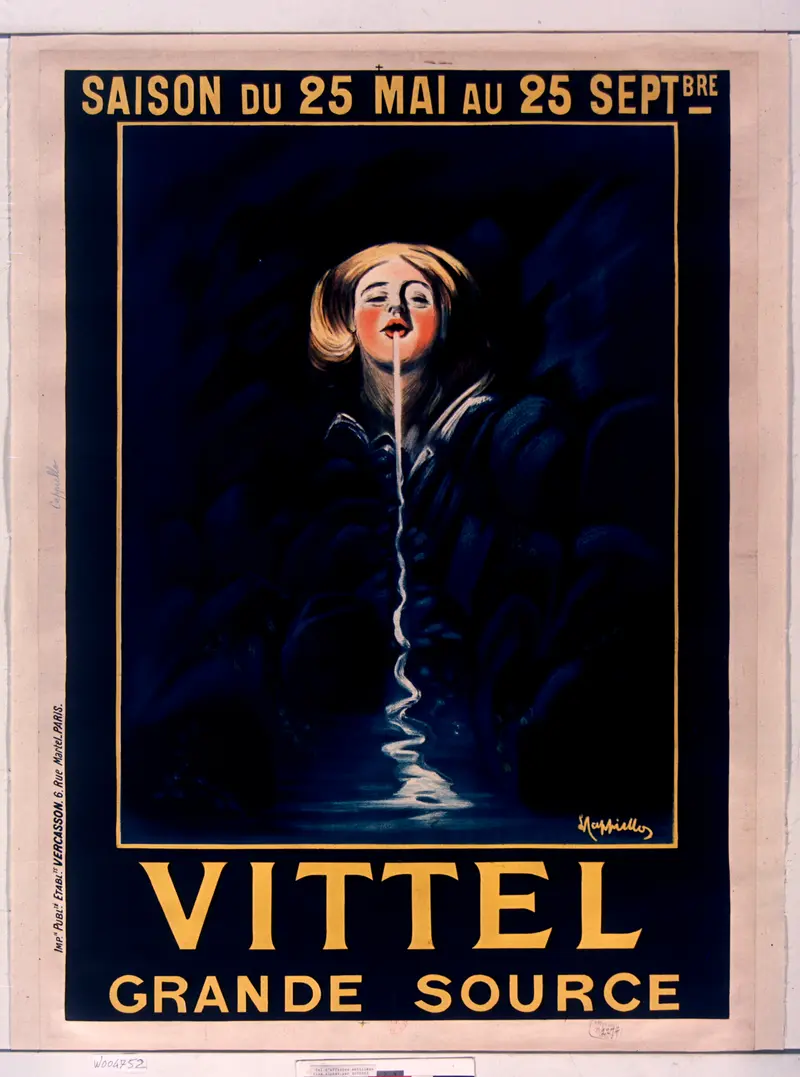
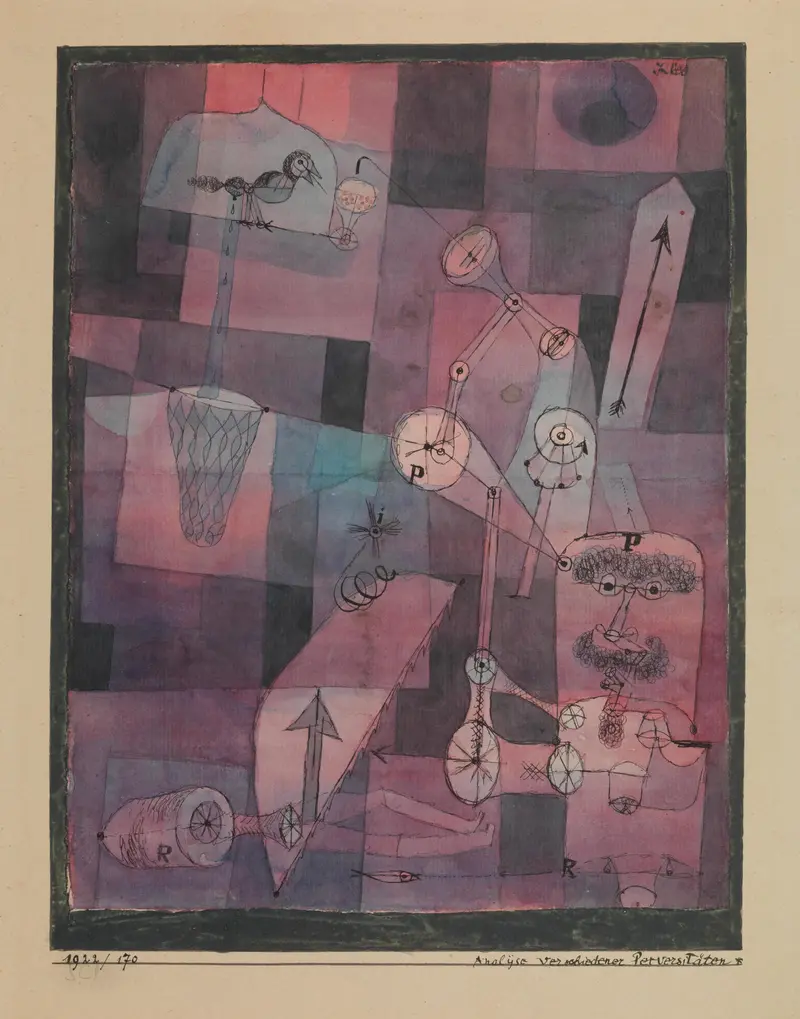
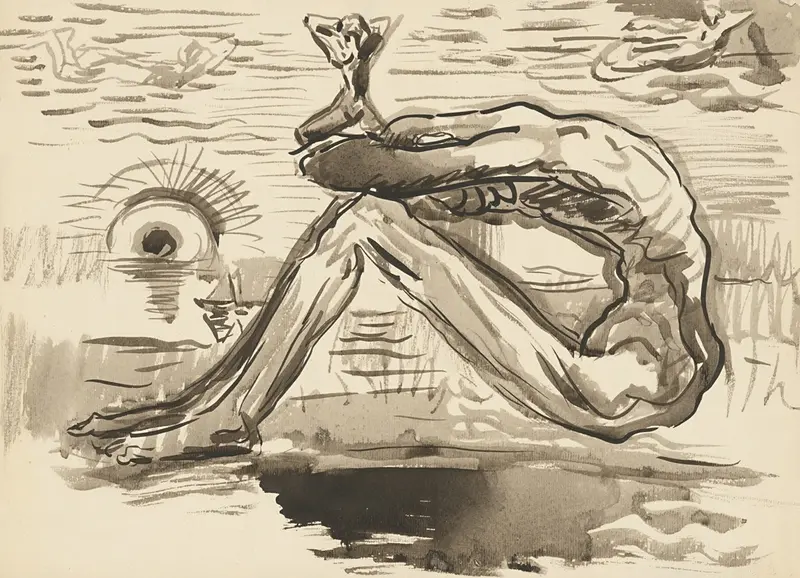
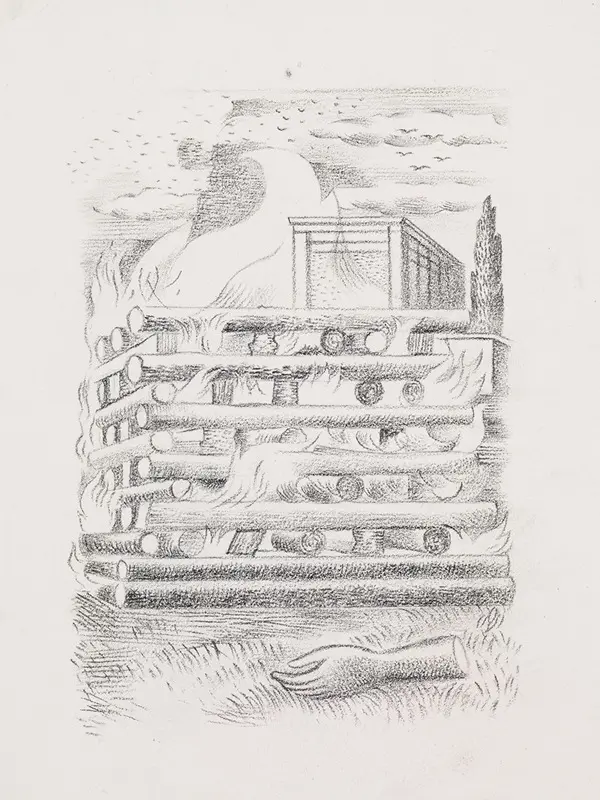
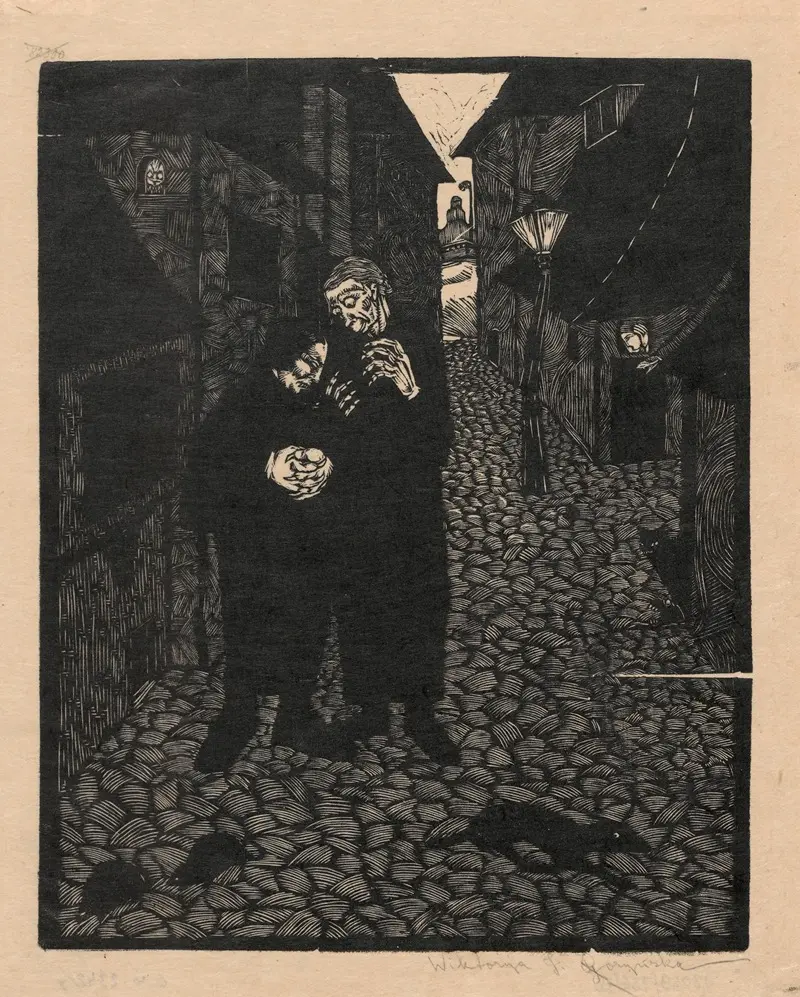
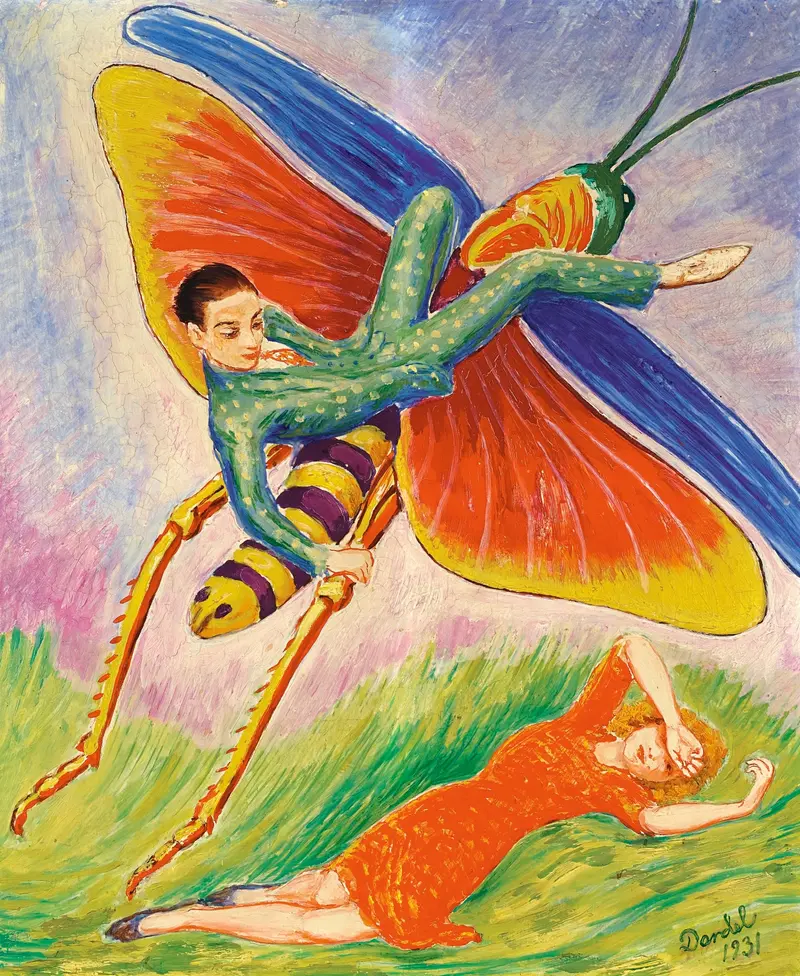
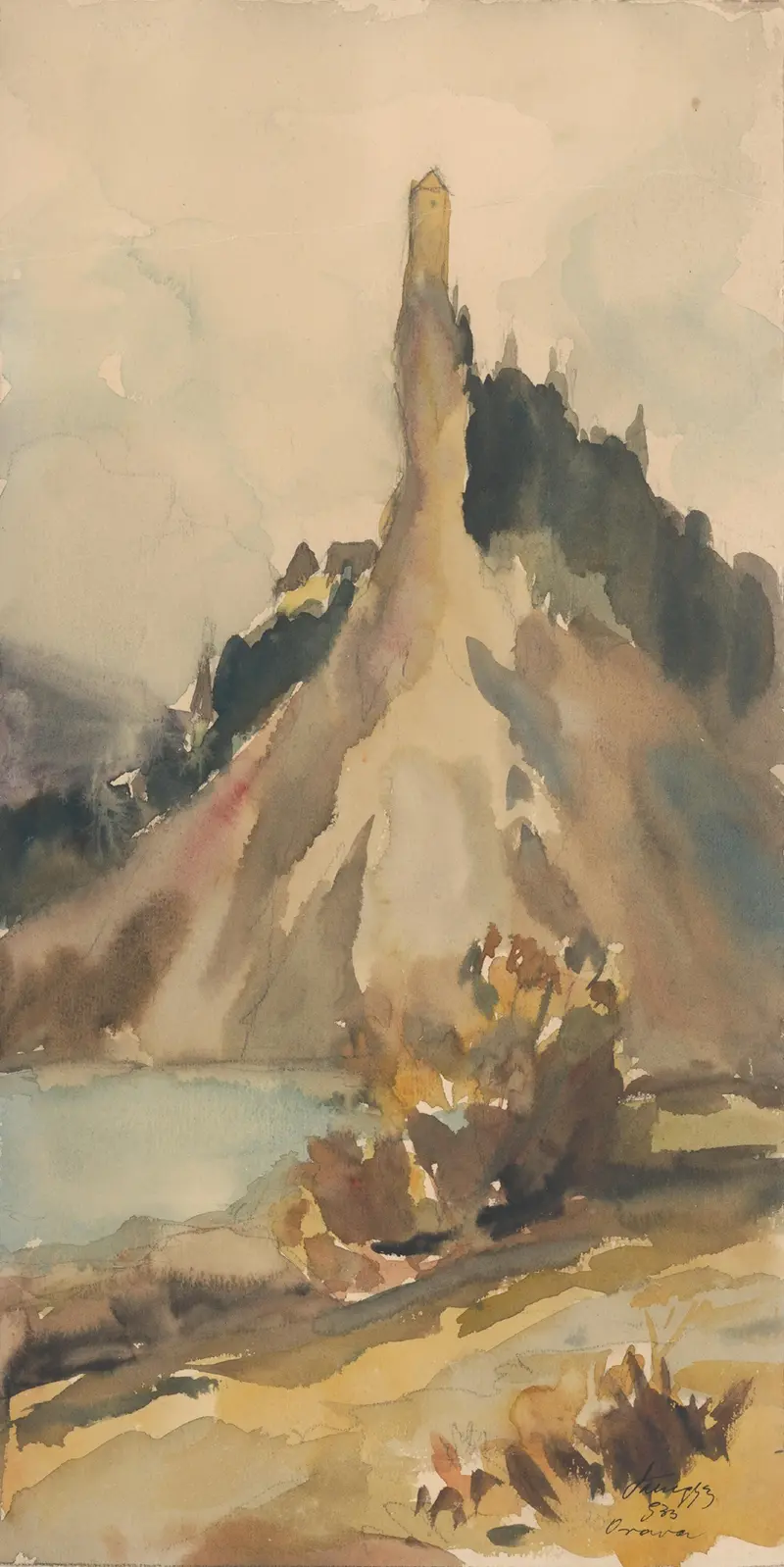
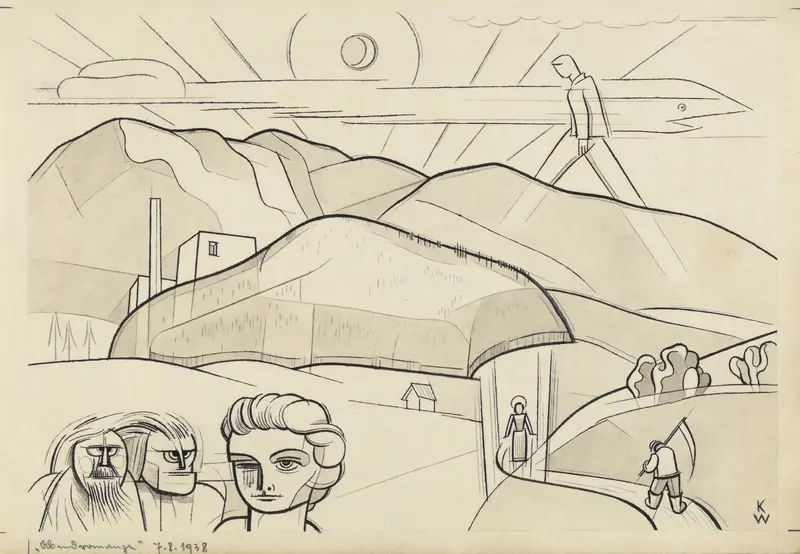
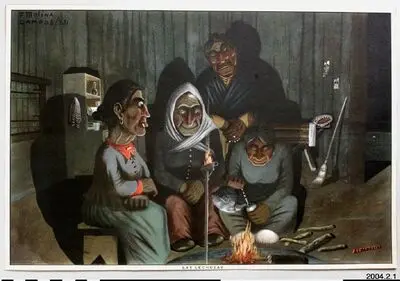
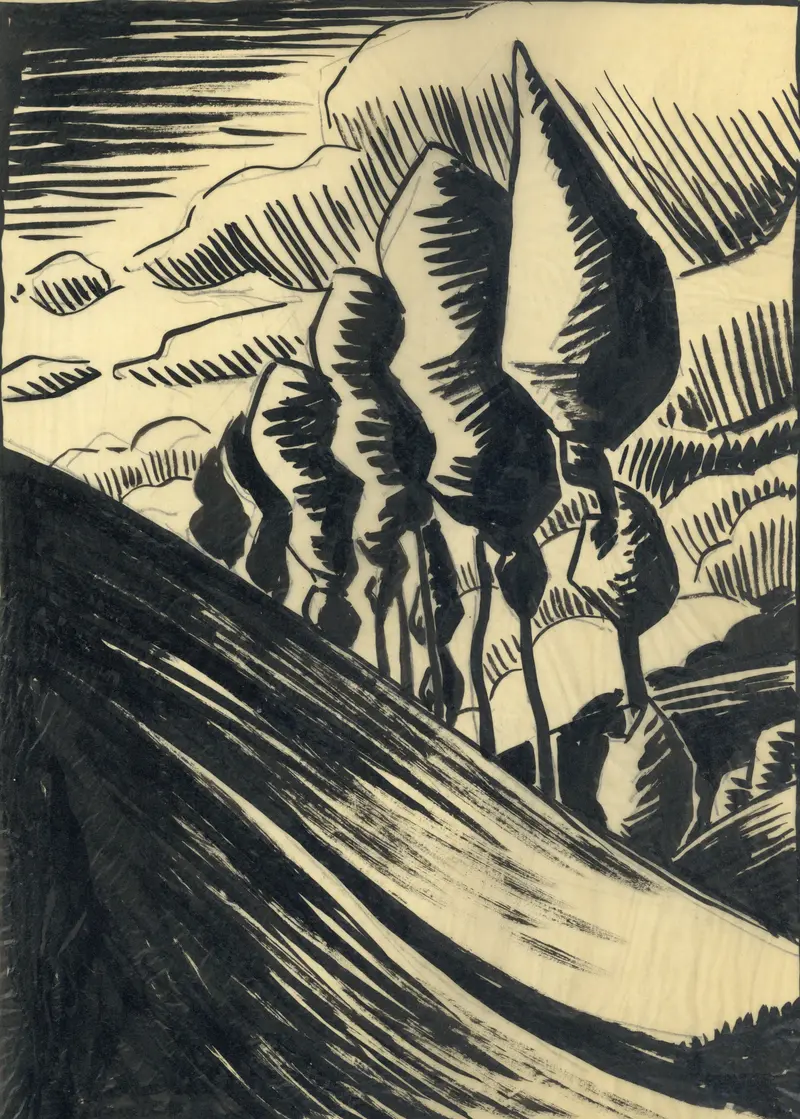
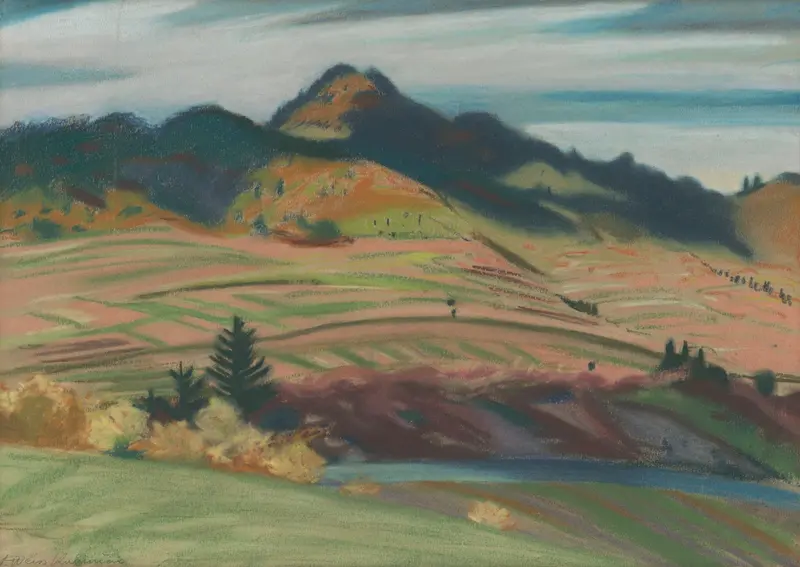
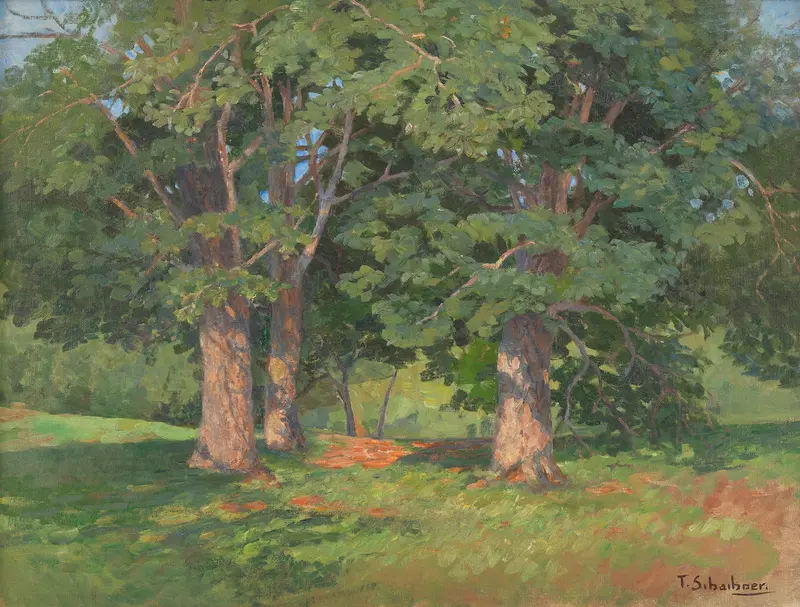
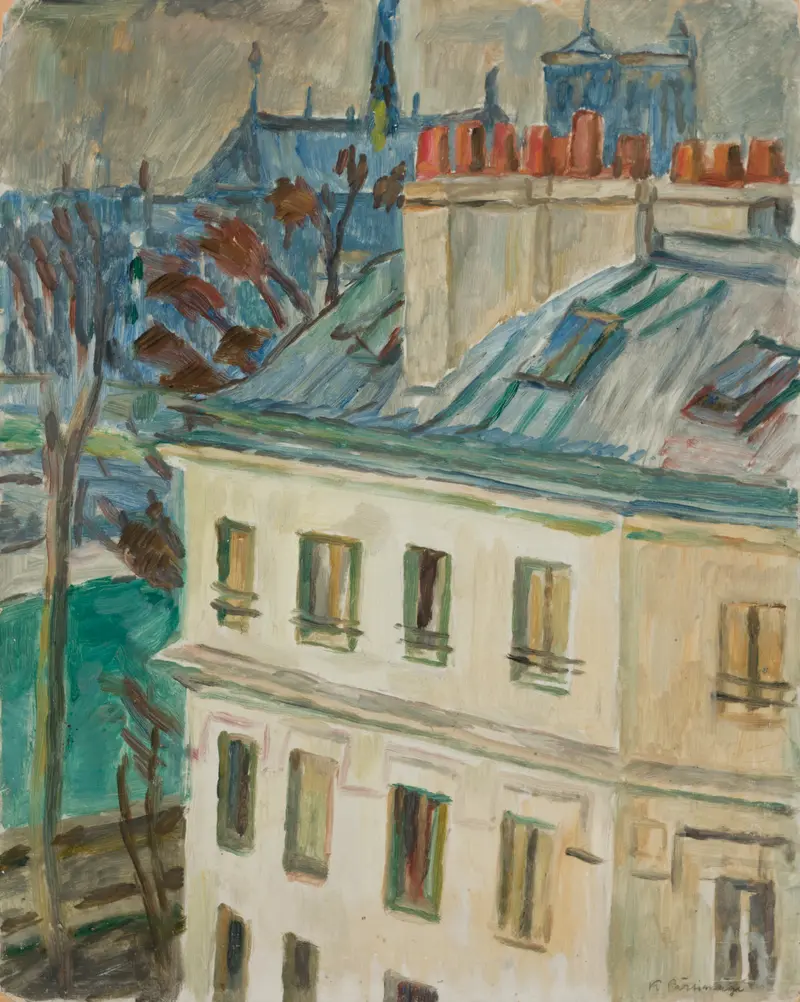
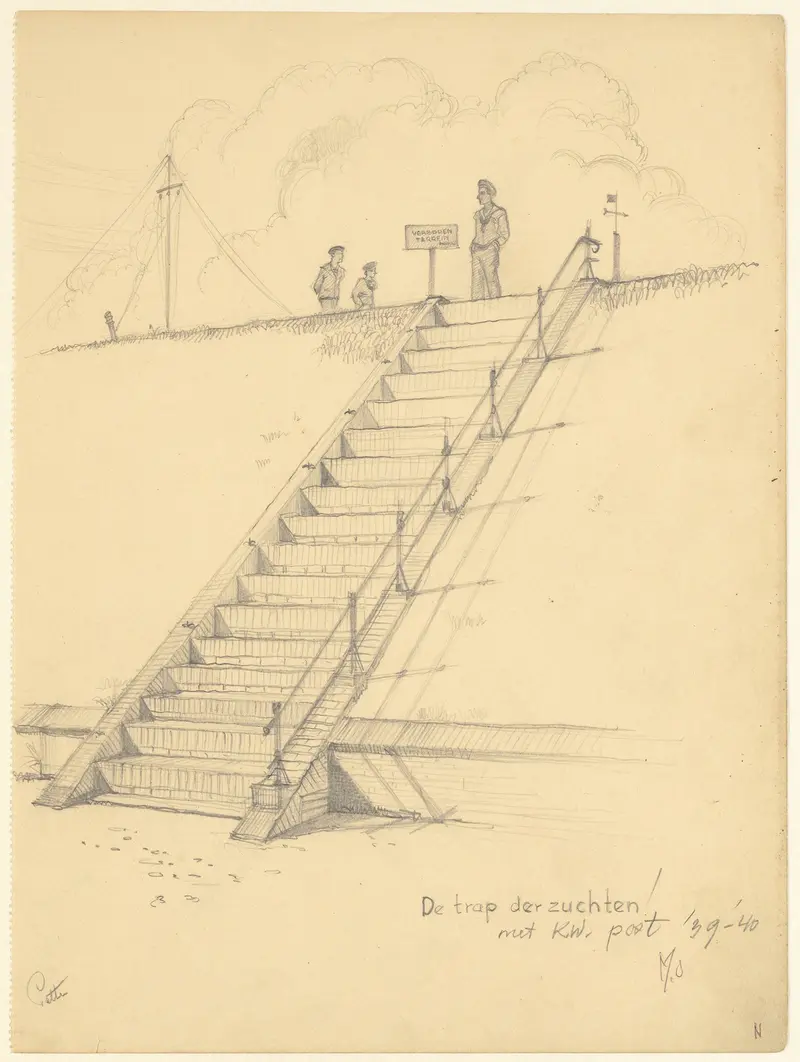
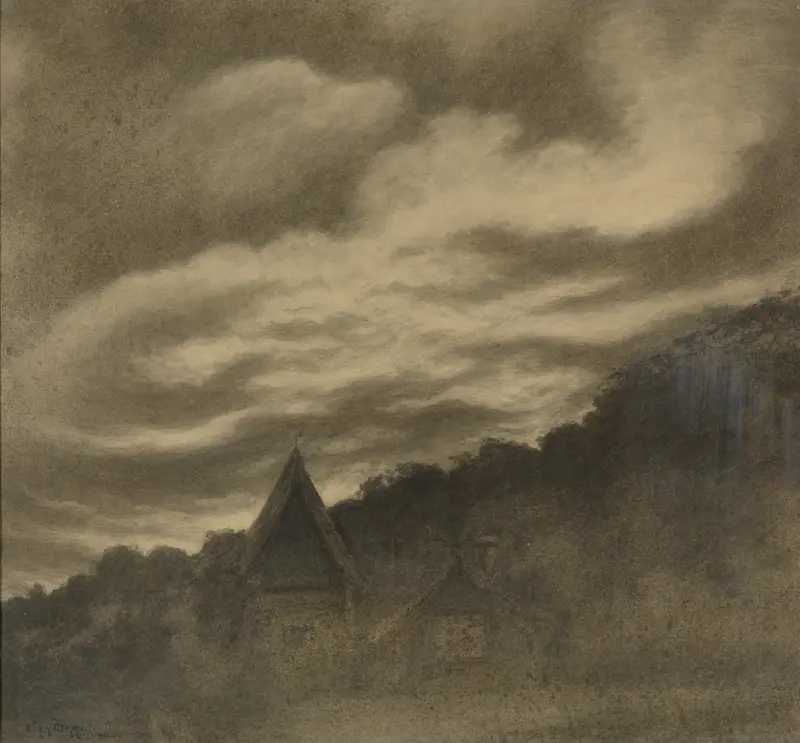
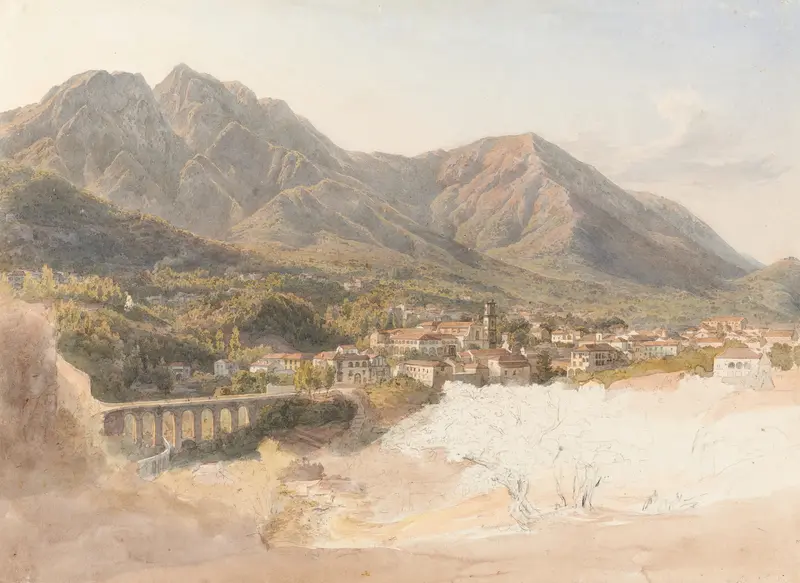
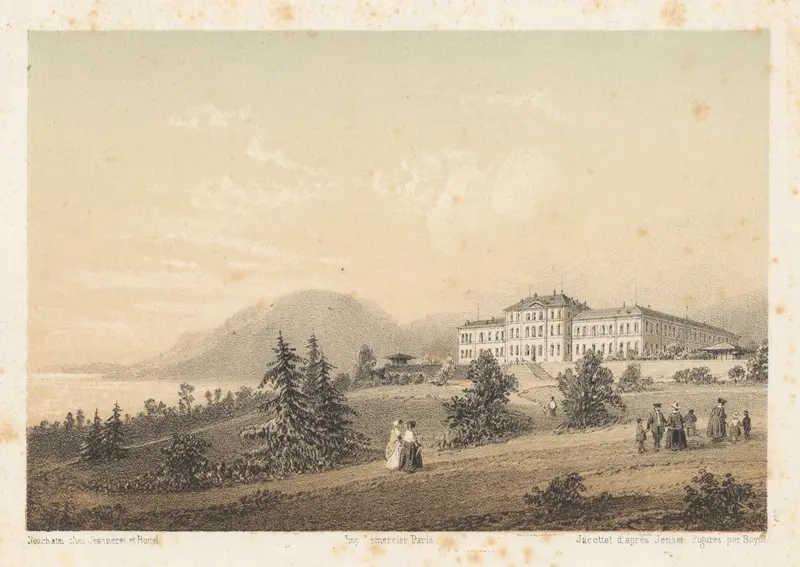
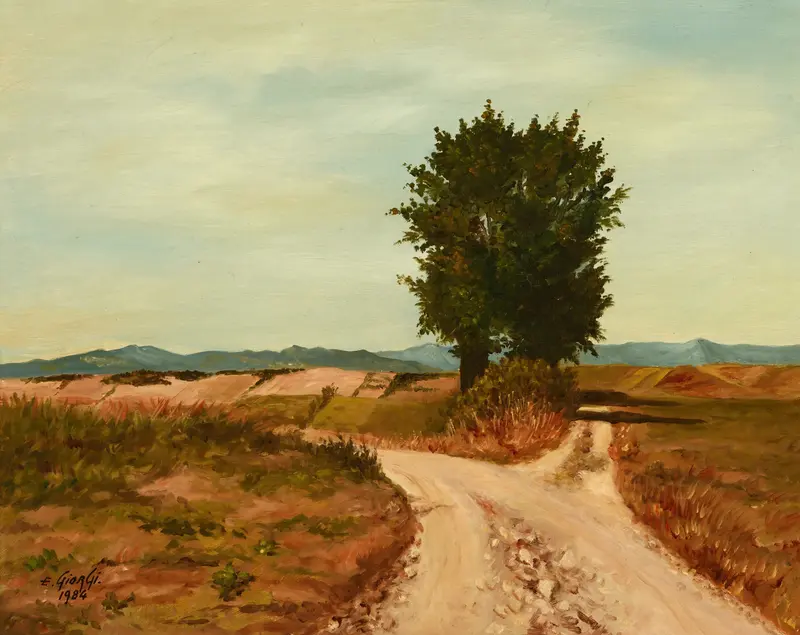
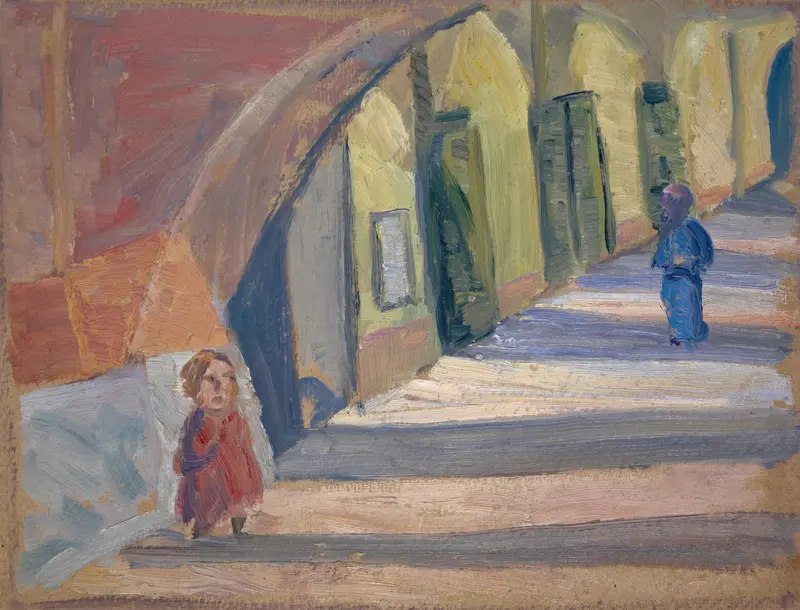
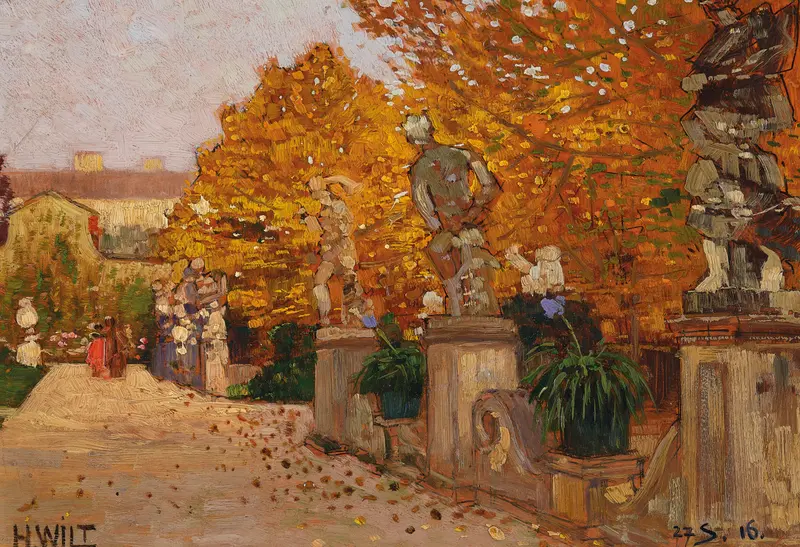
Paintings by Paul Klee and Yves Tanguy, early works by Paul Nash, and older prints and drawings that are filed under this label but are not Surrealist.
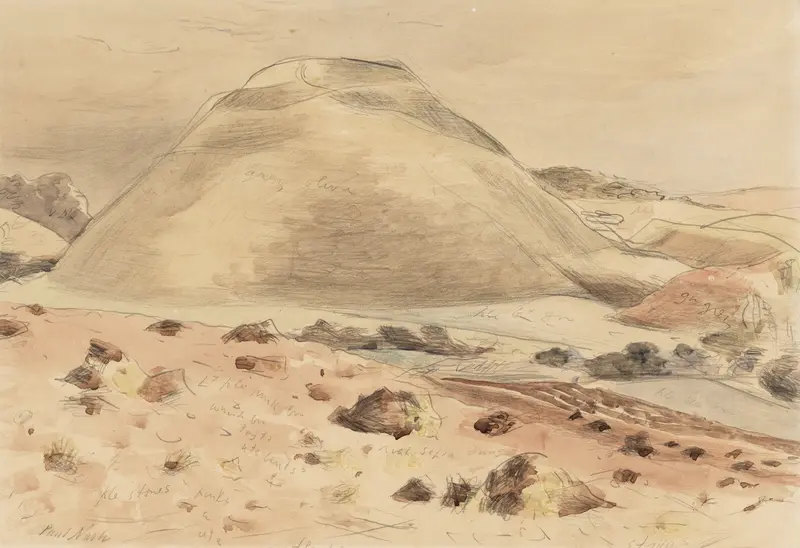
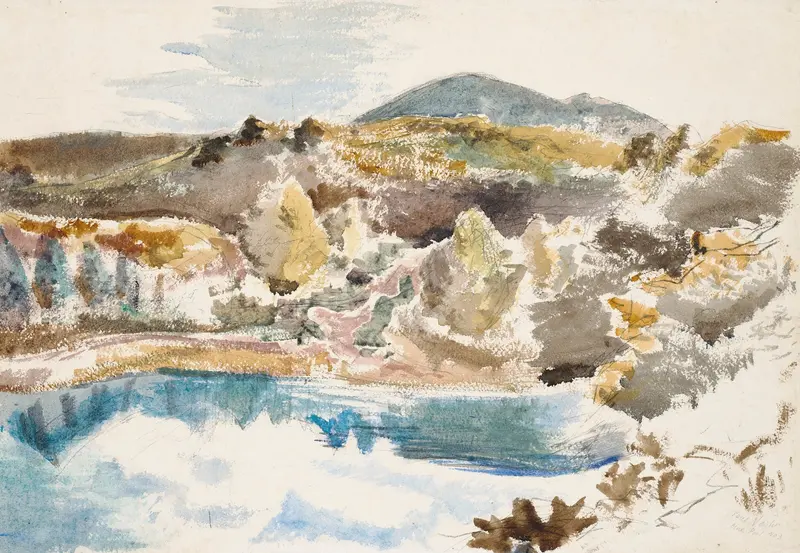
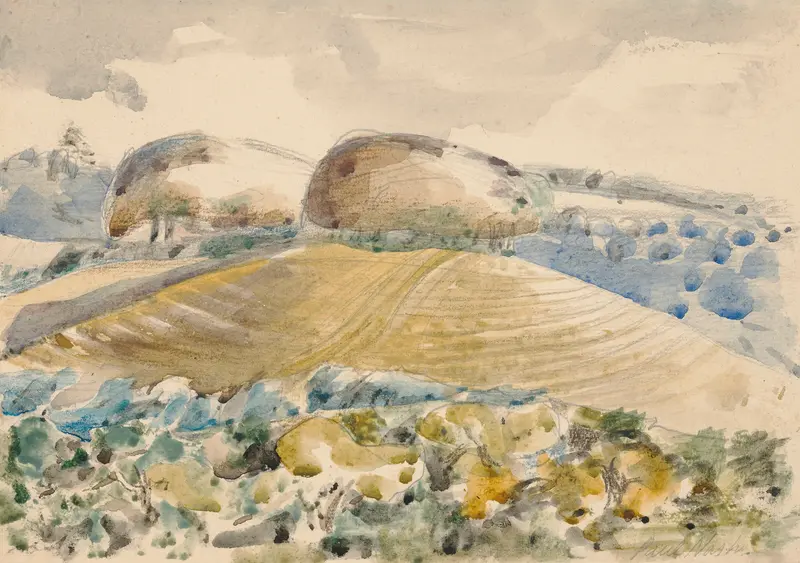
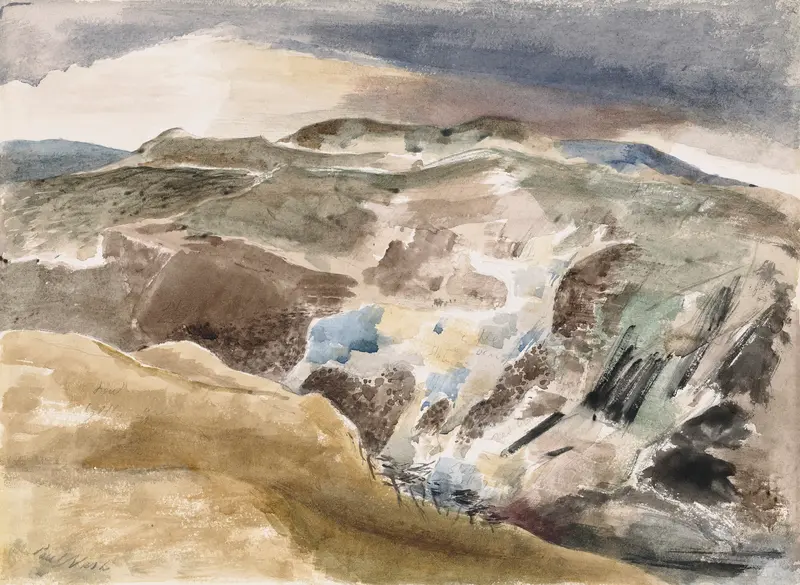















Famous Surrealist paintings in the public domain
Paul Klee's Fish Magic is the best-known Surrealist painting in our collection that is public domain. The movement's famous paintings by Dalí, Magritte, Ernst and Miró are still in copyright, so they are named in the questions below.
Surrealism artists in our collection
Three painters linked with Surrealism whose public-domain works are in our collection. The best-known Surrealists, from Dalí to Magritte, are still in copyright, so they are named in the text only. Each link opens all their paintings.
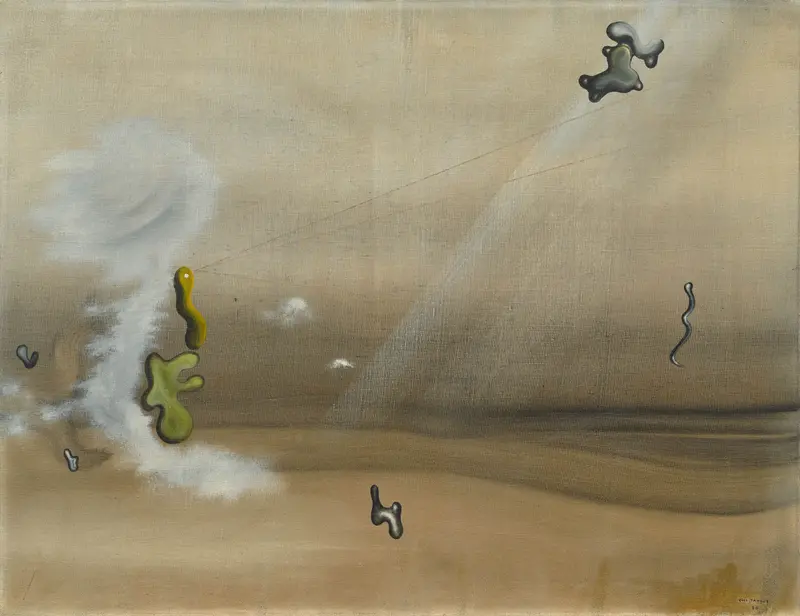 Yves Tanguy1900–1955. Self-taught French painter whom Giorgio de Chirico's example inspired to take up painting in 1923; the Guggenheim says his dream landscapes draw on the rocks and coasts of his native Brittany. His paintings of 1930 and earlier are public domain; his later ones may still be protected in the United States.
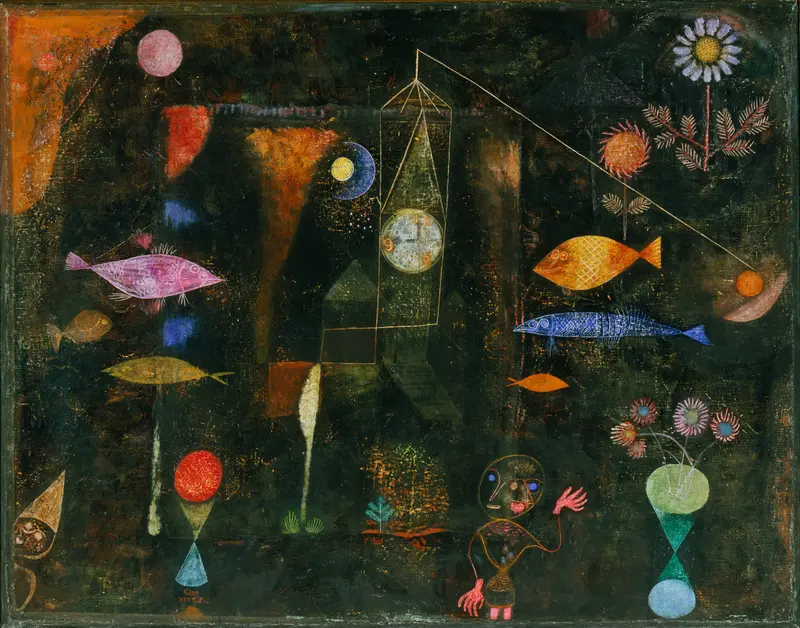 Paul Klee1879–1940. Swiss painter whose work, the Guggenheim notes, was embraced in turn by the Blue Rider group, the Dada artists, the Surrealists and the Bauhaus; he took part in the Surrealists' 1925 exhibition La Peinture surréaliste in Paris.
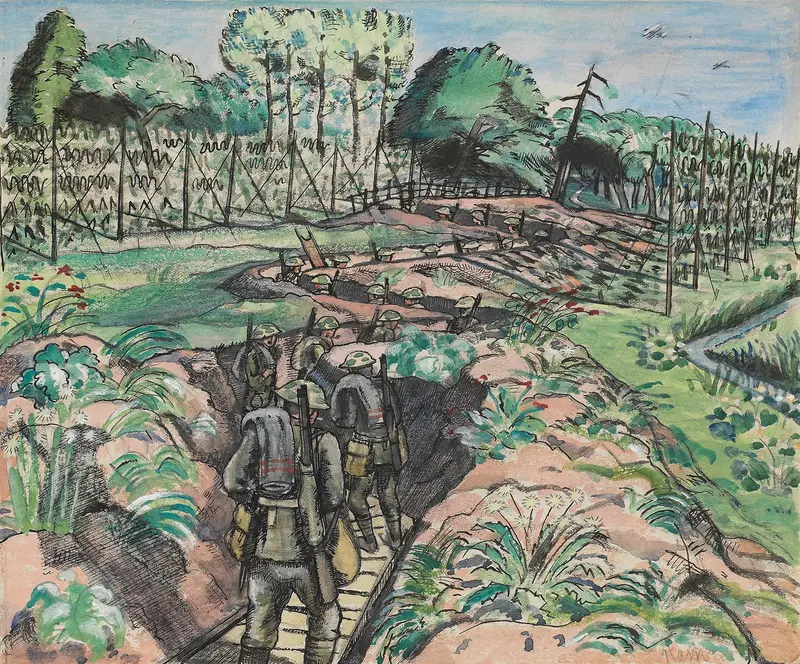
 Paul Nash1889–1946. War artist in both World Wars and, Tate says, one of the leading figures in British Surrealism, shown at the International Surrealist Exhibition in London in 1936. His Surrealist landscapes of the 1930s may still be protected in the United States; earlier works such as We Are Making a New World (1918) are free.
Characteristics of Surrealism: how to recognize it
Dream worlds in sharp detail
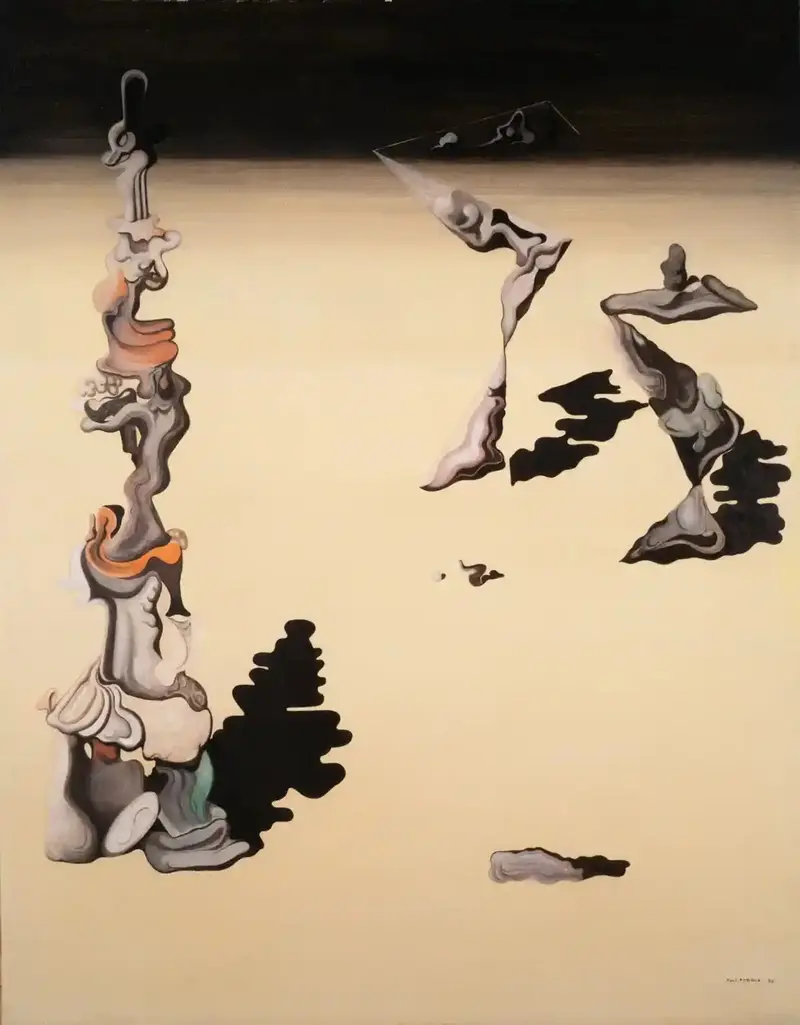
Bony, twisting forms stand and float above a pale, empty plain under a black sky, each casting a hard black shadow. Tate Modern says some Surrealists painted the imagery of dreams in highly realistic detail, and the Guggenheim says Tanguy's meticulous paintings create a tangible but inexplicable reality that simulates a dream. The Guggenheim also links the strong shadows in Tanguy's landscapes to Giorgio de Chirico, whose example made him take up painting in 1923.
Fraud in the Garden, Yves Tanguy
Images found without a plan
Small, soft shapes, a plume of smoke and fine straight lines drift through a hazy, sandy space. The Guggenheim says Tanguy arrived at his “lunar or submarine” forms in about 1927 and composed his pictures in an unpremeditated way, directly on the canvas. Tate says many Surrealists used such unplanned, automatic methods to unlock images from the unconscious mind.
Untitled, Yves Tanguy
Magic and strange beauty
Fish, flowers, a clock and small figures float together in one dark, watery night. The Philadelphia Museum of Art says Klee scratched his designs into a black surface to reveal the colors beneath it. Tate says Surrealist artists find magic and strange beauty in the unexpected.
Fish Magic, Paul Klee
Before and after Surrealism
 Symbolismc. 1886–1900
 Expressionismc. 1905–1914
 Cubismc. 1907–1914
- SurrealismFrom 1924
 Abstract Expressionism1940s–1950s
Surrealism vs Dada and Expressionism
| Compared | Expressionism | Dada | Surrealism |
|---|---|---|---|
| When | c. 1905–1914 | 1916–1923 | From 1924 |
| Where | Germany (Dresden, Munich, Berlin) and Austria | Zurich and New York, then Berlin and Paris | Paris, then Belgium, Britain, the United States and Mexico |
| Aim | Express inner feelings rather than how things look | Mock art and middle-class values in protest against the war | Free the unconscious mind through dreams and chance |
| Methods | Intense, non-naturalistic color, distorted forms, thick paint | Chance, collage, photomontage, everyday objects and performance | Dream images in realistic detail, automatic drawing, uncanny combinations |
| Famous example | Munch, The Scream | Man Ray, Cadeau (Gift) | Dalí, The Persistence of Memory |
| Key artists | Munch, Kirchner, Kandinsky, Marc | Hugo Ball, Duchamp, Arp, Picabia, Schwitters | Breton, Dalí, Magritte, Ernst, Miró, Tanguy |
List of famous Surrealist paintings in the public domain
The famous Surrealist painting in our collection that is public domain: who painted it, when, and where it is today.
Show the listHide the list
| Painting | Painted by | Year | Medium | Size | Located in | City |
|---|---|---|---|---|---|---|
| Fish Magic | Paul Klee | 1925 | Oil and watercolor on canvas on panel | 77.2 × 98.4 cm (30.4 × 38.7 in) | Philadelphia Museum of Art | Philadelphia |
Surrealism: questions and answers
What is Surrealism, and what does it mean in art?
In art, Surrealism means making images that release the unconscious mind: dreams, chance and strange, unexpected combinations. The word, suggesting “beyond reality,” was coined by the poet Guillaume Apollinaire in 1917, and André Breton defined the movement in his Surrealist Manifesto of 1924. Tate says its artists look for magic and strange beauty in the unexpected and the uncanny, and the Getty's art vocabulary describes it as fusing reality with the instinctual, the subconscious and the realm of dreams.
Sources: Tate: Surrealism · Getty AAT: Surrealist
What are the main characteristics of Surrealism?
Surrealist art has no single look, but it always draws on the unconscious mind. Tate Modern says some Surrealists painted the imagery of dreams in highly realistic detail, while others used “automatic” techniques to make abstract works without planning a theme or correcting mistakes. Typical traits are dreamlike, illogical scenes, ordinary objects in uncanny settings, and chance methods such as Max Ernst's frottage (rubbing) and grattage (scraping).
Sources: Tate Modern: International Surrealism · Tate: Automatism · Tate: The uncanny
Who started Surrealism?
The French poet André Breton started Surrealism when he published the Manifesto of Surrealism in Paris in 1924. Tate says Breton was strongly influenced by Sigmund Freud's ideas and defined Surrealism as “pure psychic automatism”: thought set down without any control by reason. Breton and other poets made the first automatic writings, and Max Ernst invented Surrealist collage, the first form of automatism in visual art.
Sources: Tate: Automatism · Tate: Surrealism
When did Surrealism start and end?
Surrealism began in Paris in 1924 with Breton's first manifesto, and the Getty's art vocabulary describes it as a movement centered mainly in Paris from the 1920s to the late 1940s. In November 1925 the Galerie Pierre in Paris showed La Peinture surréaliste, with works by Ernst, Klee, Masson, Miró, Man Ray and others. The movement soon became international: it came to London with the International Surrealist Exhibition of 1936, and Mexico City held the International Exhibition of Surrealism in 1940. Tate Modern notes that Surrealism is now understood as a more open, shifting term.
Sources: Getty AAT: Surrealist · Metropolitan Museum of Art Libraries: La peinture surréaliste, Galerie Pierre, 1925 (catalog) · Tate: Paul Nash (exhibition press release) · Art Institute of Chicago: Frida Kahlo's Month in Paris · Tate Modern: International Surrealism
Who are the famous Surrealist artists?
The best-known Surrealist artists are Salvador Dalí, René Magritte, Max Ernst and Joan Miró, with the poet André Breton as the movement's leader. Tate's guide also names Yves Tanguy, Paul Nash, Leonora Carrington, Dorothea Tanning, Leonor Fini, Eileen Agar and Wifredo Lam, and Paul Klee took part in the Surrealists' 1925 exhibition in Paris. Of these, only Klee (died 1940), Nash (1946) and Tanguy (1955) died early enough for their work to be public domain where copyright lasts 70 years after death.
Sources: Tate: Surrealism · Metropolitan Museum of Art Libraries: La peinture surréaliste, Galerie Pierre, 1925 (catalog) · Guggenheim: Paul Klee, Red Balloon · Philadelphia Museum of Art (Google Arts & Culture)
What are famous examples of Surrealist paintings?
Measured by the number of languages with an encyclopedia article about it, the best-known Surrealist painting is Salvador Dalí's The Persistence of Memory (1931), at the Museum of Modern Art in New York, with articles in 47 languages. Next come René Magritte's The Treachery of Images (1929), which the Los Angeles County Museum of Art calls a key Surrealist work, his The Son of Man (1964) and Frida Kahlo's The Two Fridas (1939). Max Ernst's Celebes (1921) hangs at Tate Modern. All are still under copyright somewhere, so we name them but do not show them.
Sources: LACMA: René Magritte, The Treachery of Images · Tate: Max Ernst, 1891–1976 · Tate Modern: International Surrealism
Is Surrealist art in the public domain?
Mostly not yet. Where copyright lasts 70 years after the artist's death, as in the European Union and Britain, works by artists who died in 1955 or earlier are free, but Magritte (died 1967), Ernst (1976), Miró (1983) and Dalí (1989) are still protected. In the United States, works published before 1931 are public domain. So we offer only works made in 1930 or earlier by artists who died by 1955, such as Paul Klee's Fish Magic (1925) and Yves Tanguy's paintings of 1929 and 1930.
Sources: Cornell University Library: Copyright Term and the Public Domain · Tate: Surrealism · Philadelphia Museum of Art: Fish Magic
Can I download Salvador Dalí's paintings for free?
Not as public domain images in most countries yet. Dalí died in 1989, so where copyright lasts 70 years after death his paintings stay protected until the end of 2059. In the United States, The Persistence of Memory, painted in 1931, can enter the public domain on January 1, 2027 at the earliest, since works published in 1931 are protected for 95 years. Magritte's, Ernst's and Miró's paintings are protected in the same way, so we name them but do not offer them as downloads.
Sources: Cornell University Library: Copyright Term and the Public Domain · Tate: Surrealism
Was Frida Kahlo a Surrealist?
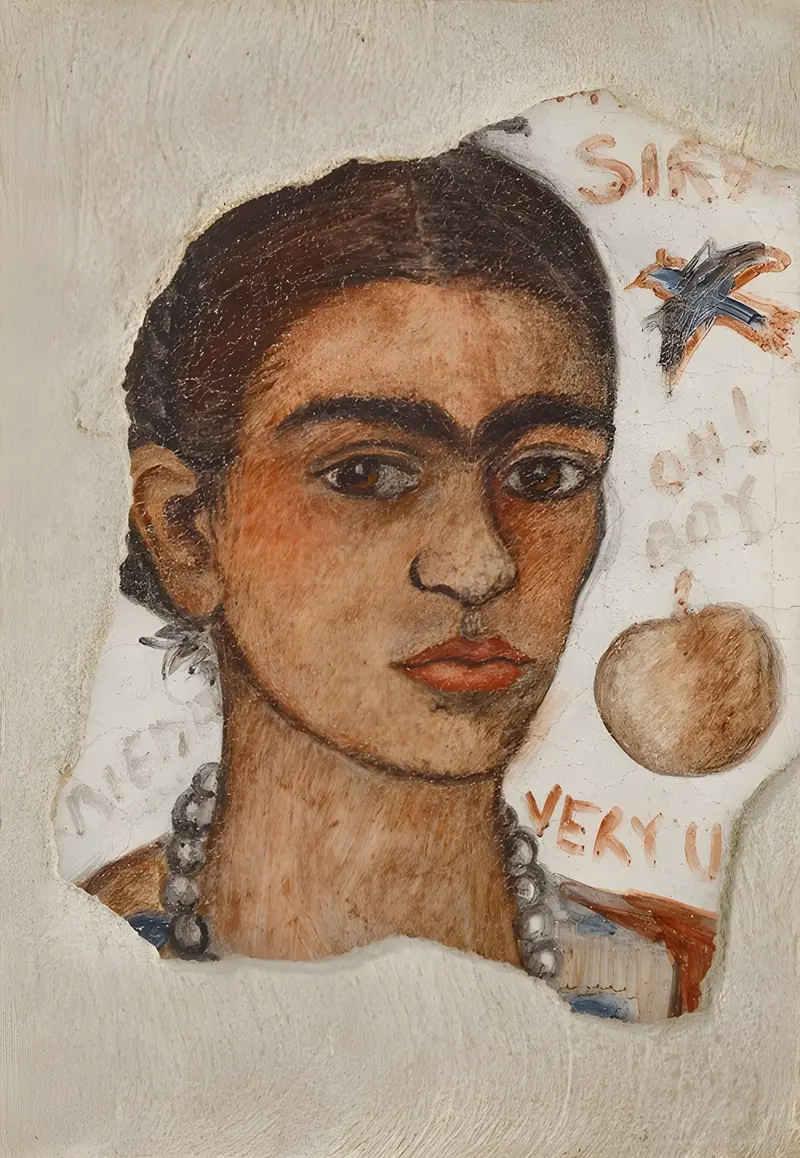
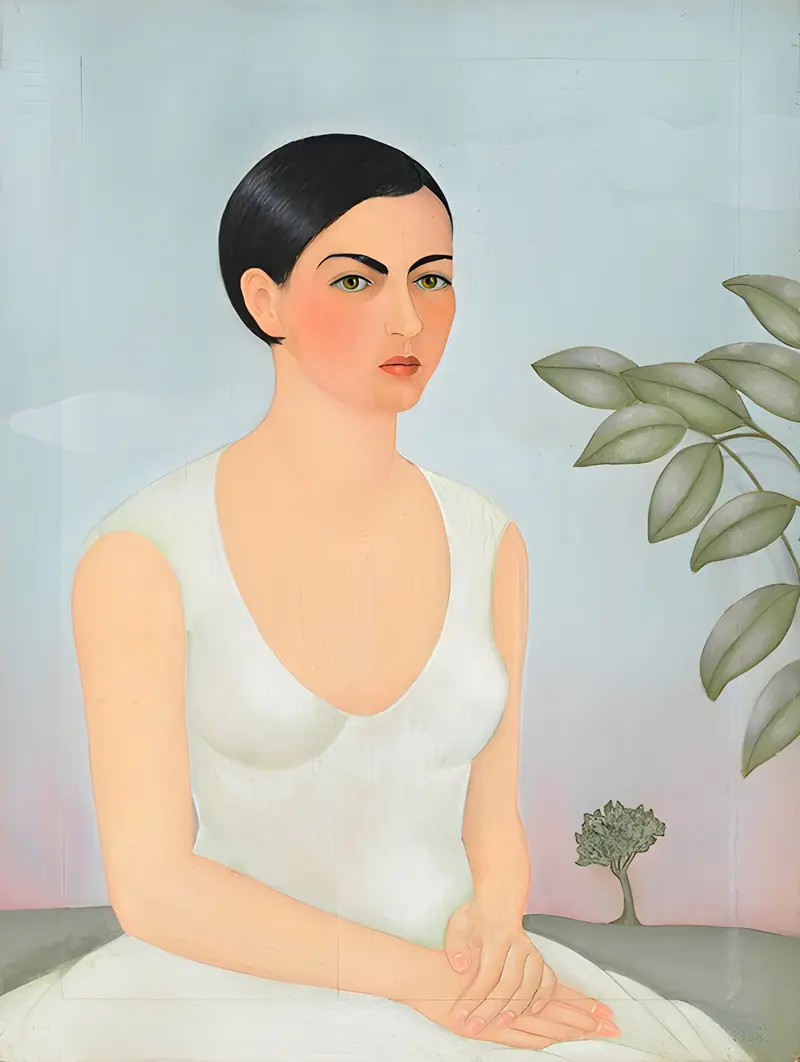
André Breton claimed her as one, and she exhibited with the Surrealists, but her pictures grew out of her own life. Time magazine reported in 1938 that Kahlo had never known she was a Surrealist until Breton came to Mexico and told her so; Breton called her art “a ribbon around a bomb.” She traveled to Paris at his invitation in 1939 and showed in the International Exhibition of Surrealism in Mexico City in 1940. Mexico protects her paintings until 2054, so we do not offer them.
Sources: Time: Bomb Beribboned (14 November 1938) · Art Institute of Chicago: Frida Kahlo's Month in Paris · Mexico: Ley Federal del Derecho de Autor, art. 29 (Spanish)
Who were the female Surrealist artists?
Female Surrealist artists include Leonora Carrington, Remedios Varo, Dorothea Tanning, Leonor Fini, Eileen Agar, Claude Cahun and Frida Kahlo. Tate tells how Carrington, Varo and the photographer Kati Horna found refuge in Mexico City during the Second World War and made kitchens, homes and gardens strange and otherworldly in their work. Most of these artists died long after 1955, so their work is still under copyright; Kahlo and Cahun died in 1954, but Mexico protects Kahlo's paintings for 100 years.
Sources: Tate: Surrealism · Tate: Surreal friends (Carrington, Varo, Horna) · Mexico: Ley Federal del Derecho de Autor, art. 29 (Spanish)
What is the difference between Dada and Surrealism?
Dada came first: it began in Zurich during the First World War as a satirical, nonsensical protest against the war, and Tate says it eventually formed the basis of Surrealism in Paris after the war. Dada mocked art and middle-class values; Surrealism, launched by André Breton in 1924, turned inward, to dreams and the unconscious. Some artists belonged to both: Tate Modern shows Man Ray's Cadeau, made at the height of Paris Dada, as a forerunner of the Surrealist object.
Sources: Tate: Dada · Tate: Surrealism · Tate Modern: International Surrealism
What is metaphysical art?
Metaphysical art (pittura metafisica) is the Italian movement of Giorgio de Chirico and Carlo Carrà, who painted eerie, empty arcaded squares where statues and objects meet in strange juxtapositions. Tate says it shaped the dreamlike side of Surrealist painting, above all Max Ernst's, and Tate Modern notes that the Surrealists enthusiastically embraced de Chirico's early works. De Chirico died in 1978, so his paintings stay under copyright in Europe until the end of 2048 and are not shown here.
Sources: Tate: Metaphysical Art · Tate Modern: International Surrealism
What is automatism in Surrealist art?
Automatism means making art without conscious control, so that images come straight from the unconscious mind. Tate traces it to Freud's use of free association and automatic drawing, which strongly influenced André Breton. Ernst, Miró and André Masson developed forms of automatic drawing and painting, and Ernst used rubbing (frottage) and scraping (grattage) to bring chance textures into his pictures. Tate notes that automatism later played a part in the Abstract Expressionism of Jackson Pollock and others.
Sources: Tate: Automatism · Tate: Abstract expressionism
Where can you see famous Surrealist paintings?
Tate Modern in London shows Surrealism in its International Surrealism room, with works by Max Ernst, René Magritte, Giorgio de Chirico, Paul Nash and others, and its exhibition Frida: The Making of an Icon runs until January 3, 2027. The Persistence of Memory is at the Museum of Modern Art in New York, and The Treachery of Images at the Los Angeles County Museum of Art. The Philadelphia Museum of Art has Klee's Fish Magic and Dalí's Soft Construction with Boiled Beans.
Sources: Tate Modern: International Surrealism · Tate Modern: Frida: The Making of an Icon · LACMA: René Magritte, The Treachery of Images · Philadelphia Museum of Art: Fish Magic
How we chose the famous paintings
The famous paintings on this page are the Surrealist paintings in our collection that have an encyclopedia article in at least two languages and are in the public domain, which for us means made in 1930 or earlier by an artist who died in 1955 or earlier; checked in November 2026. Only one painting passes today: Paul Klee's Fish Magic (1925). Klee took part in the Surrealists' exhibition La Peinture surréaliste in Paris in 1925, and our catalog files the painting under Surrealism.
The best-known Surrealist paintings, such as Salvador Dalí's The Persistence of Memory and René Magritte's The Treachery of Images, are named but not shown, because their painters died after 1955 and the paintings are still under copyright in most countries. Frida Kahlo's paintings are left out because Mexico protects them until 2054, and Paul Nash's Surrealist landscapes of the 1930s because works made after 1930 may still be protected in the United States. Nash's war painting We Are Making a New World, shown on his card, was painted in 1918, before the movement began, so it is not on the list.
Dates, sizes and locations come from the Philadelphia Museum of Art, Tate, the Los Angeles County Museum of Art, the Guggenheim and the Metropolitan Museum of Art's library.
Spotted a mistake? Tell us and we will correct it.