
Abendrot Tatra — History & Facts
Can beauty exist without sorrow? In the delicate interplay of hues, Abendrot Tatra offers a poignant meditation on rebirth, revealing the duality of human experience. Focus on the sweeping strokes of crimson and gold that dominate the canvas, where the sunset casts its ethereal glow over the jagged peaks of the Tatra mountains. Notice how the artist masterfully juxtaposes the vibrant colors against the deep blues of the sky, creating a sense of both warmth and melancholy. The composition draws your gaze toward the horizon, inviting contemplation of the day’s end and the promise of a new dawn. Beneath this breathtaking vista lies a deeper narrative woven into the brushwork.
The mountains, steadfast and eternal, reflect a resilience that contrasts with the fleeting beauty of the sunset — a reminder that each ending holds the potential for new beginnings. The interplay of light and shadow not only creates a visual spectacle but also evokes a sense of longing, hinting at the transient nature of life itself. Sorrow and beauty coexist in this moment, suggesting that one cannot flourish without the other. Jan Stanisławski painted Abendrot Tatra before 1908, during a time of significant transformation in Polish art.
As a member of the Young Poland movement, he was influenced by the growing interest in nationalism and the revival of Polish landscapes. The piece reflects his commitment to capturing the essence of his homeland while exploring the emotional depths of nature, a theme that resonated widely in the artistic discourse of his era.
More Artworks by Jan Stanisławski
Browse all →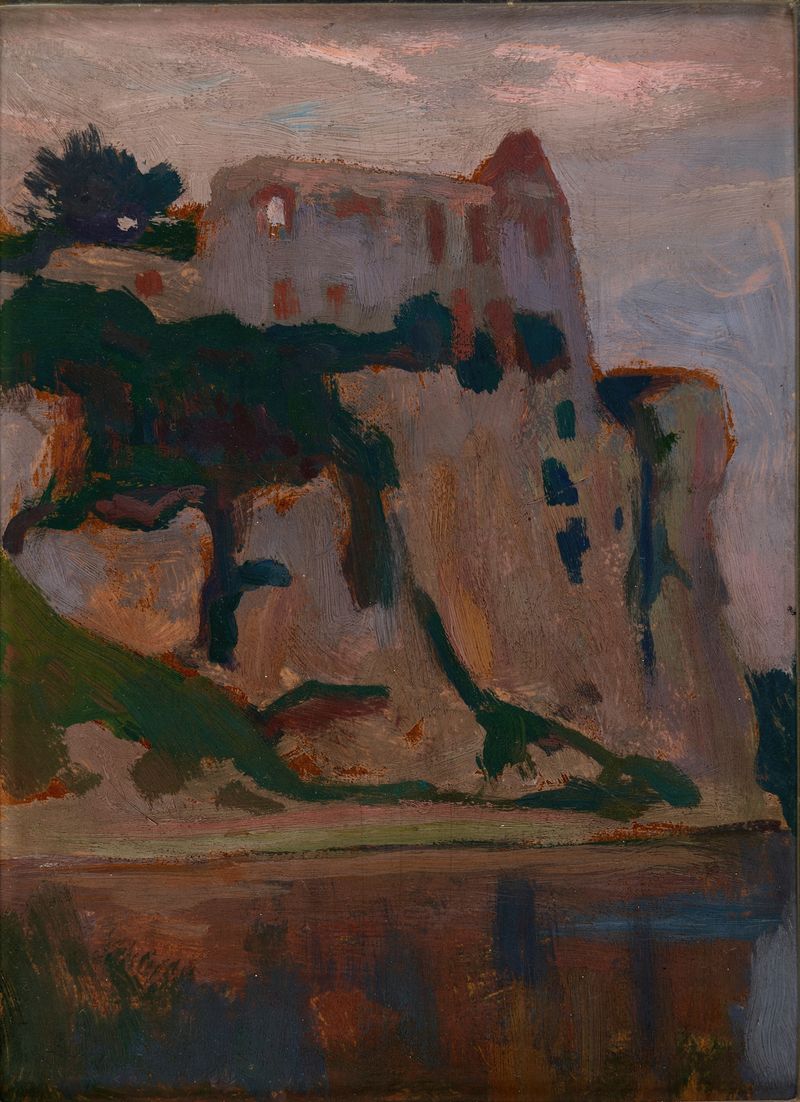
Tyniec at Dawn
Jan Stanisławski
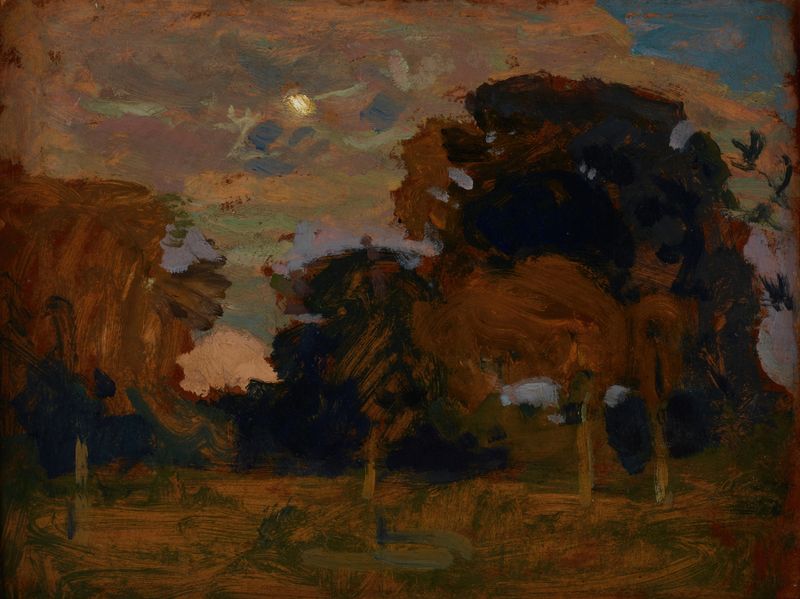
Moon in the Clouds
Jan Stanisławski
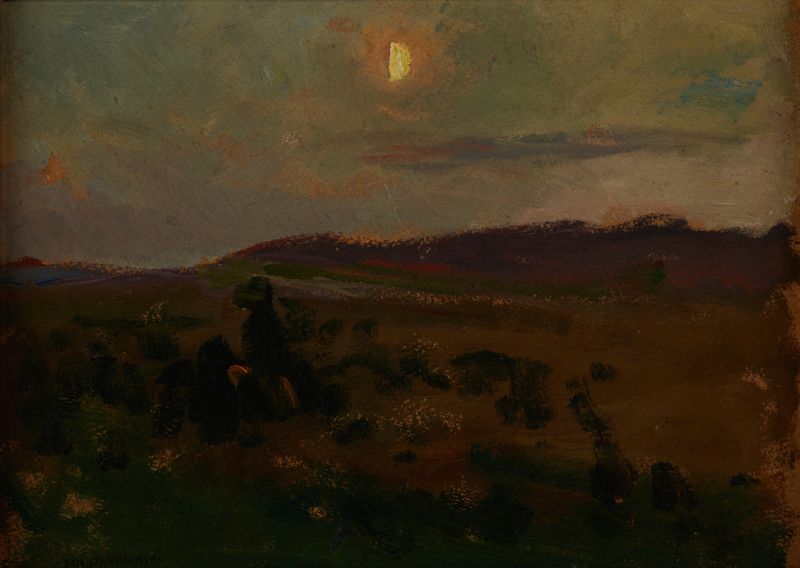
Moonrise
Jan Stanisławski
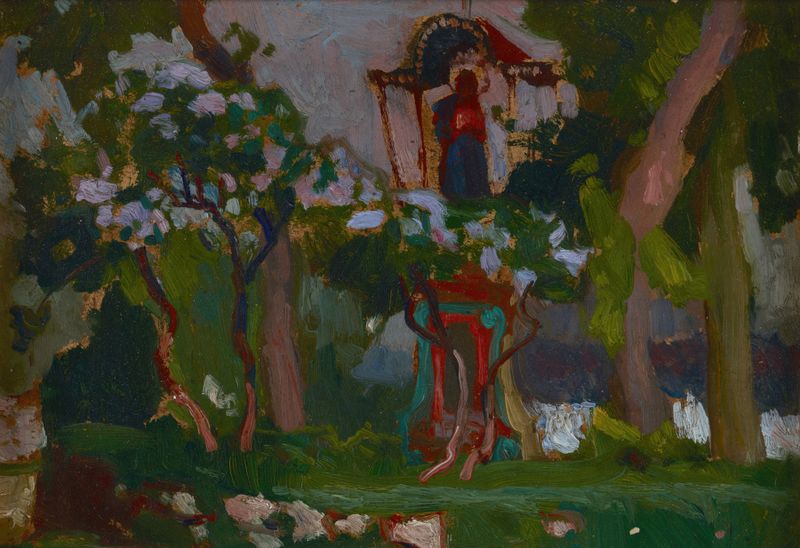
May
Jan Stanisławski
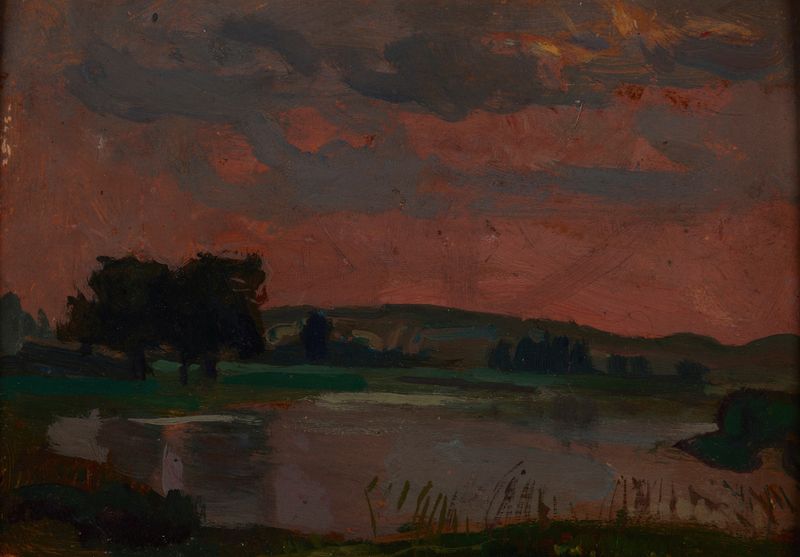
The Vistula in the Twilight
Jan Stanisławski
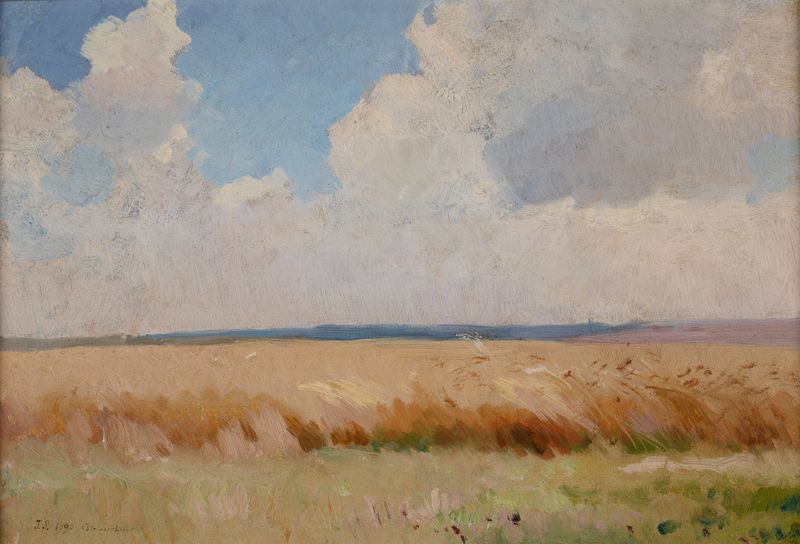
Field at Białocerkiew (Bila Tserkva)
Jan Stanisławski
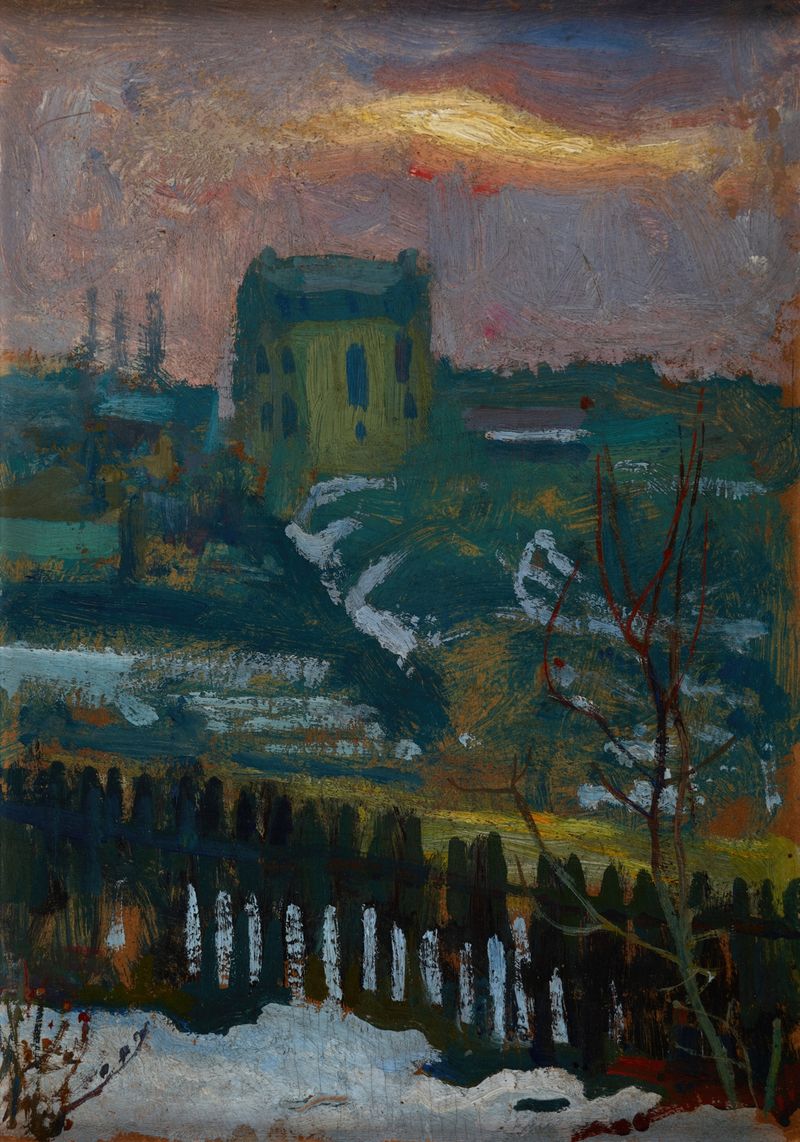
House in Winter
Jan Stanisławski
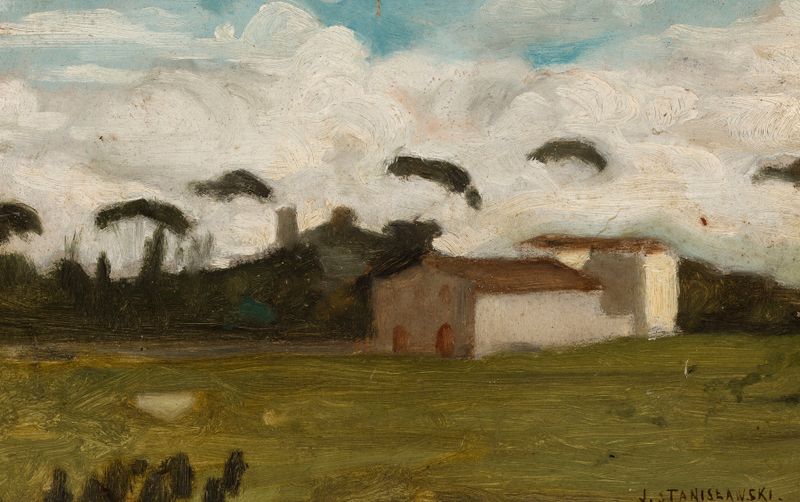
Landscape
Jan Stanisławski
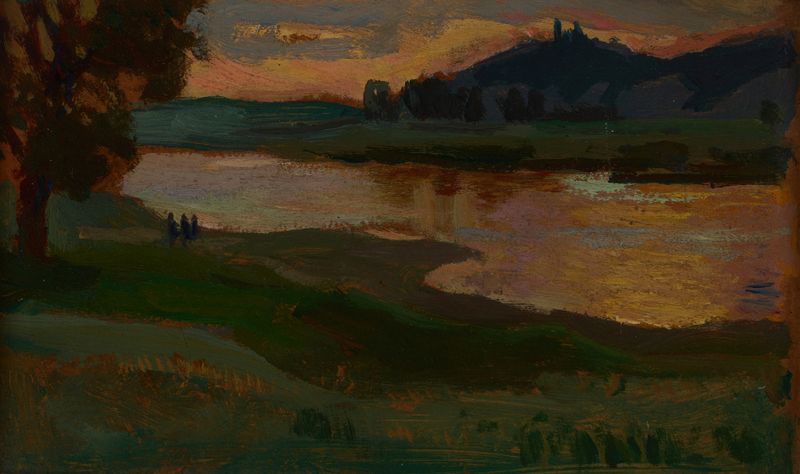
Bielany at Dusk
Jan Stanisławski
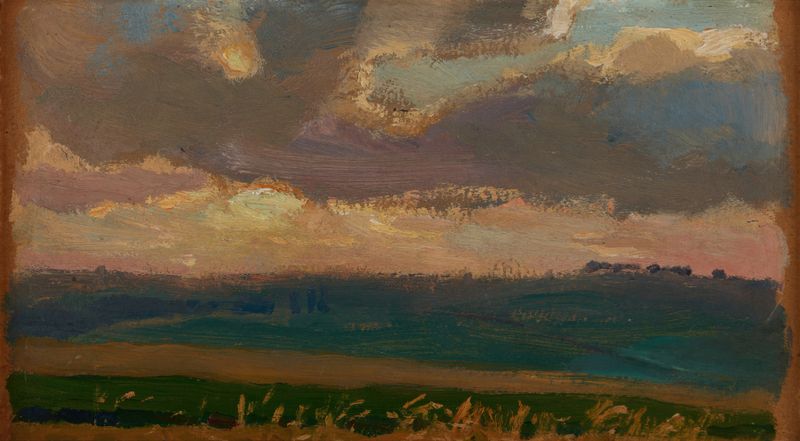
Fields at Proszowice
Jan Stanisławski





