
Abgesessene Kürassiere — History & Facts
What if beauty was never meant to be finished? This question lingers in the air, inviting contemplation long after the first glance at the painting. Focus on the central figures; two cuirassiers, their expressions both stoic and contemplative, invite you to ponder their stories and the world they inhabit. The subdued palette of earthy tones evokes a sense of gravity, while the intricate details of their armor capture a moment where history and individual narratives intertwine. Notice how the light softly caresses the curvature of their helmets, casting shadows that hint at the weight of their duties and the burdens they carry. Delve deeper into the contrasts present in the composition.
The juxtaposition of the rigid, gleaming armor against the natural, unrefined backdrop raises questions about conflict and identity, revealing the tension between man and his environment. Additionally, their relaxed postures suggest a resignation to fate, a moment of stillness before a storm, echoing the brewing societal changes of the time. This sense of impending revolution hangs palpably in the air, urging the viewer to reflect on the fragility of peace. In 1875, Wilhelm Trübner was navigating the complex artistic landscape of Germany, transitioning from historical themes to a more personal and contemporary style.
During this period, he sought to capture the psychological depth of his subjects against the backdrop of a rapidly changing society. As industrialization reshaped landscapes and lifestyles, Trübner’s work began to merge realism with emotional resonance, setting a foundation for the modern approaches to painting that would follow.
More Artworks by Wilhelm Trübner
Browse all →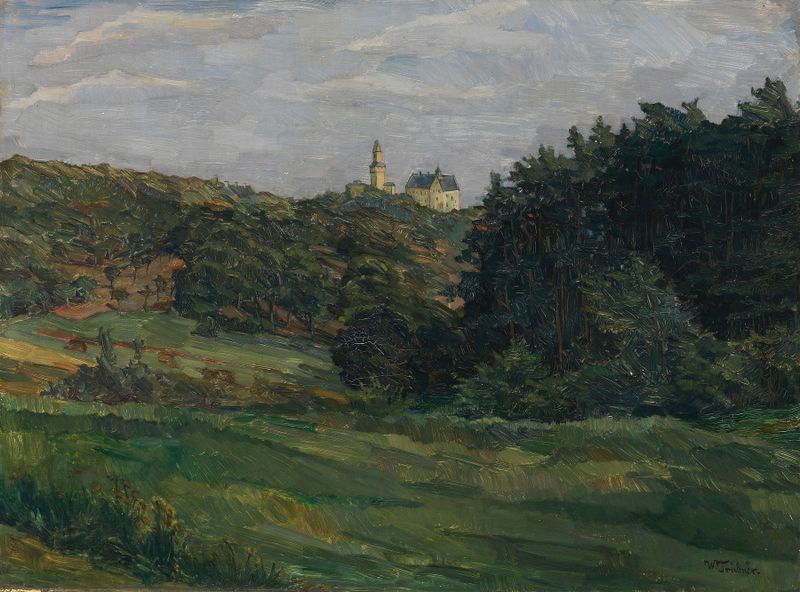
Burg Kronberg im Taunus
Wilhelm Trübner
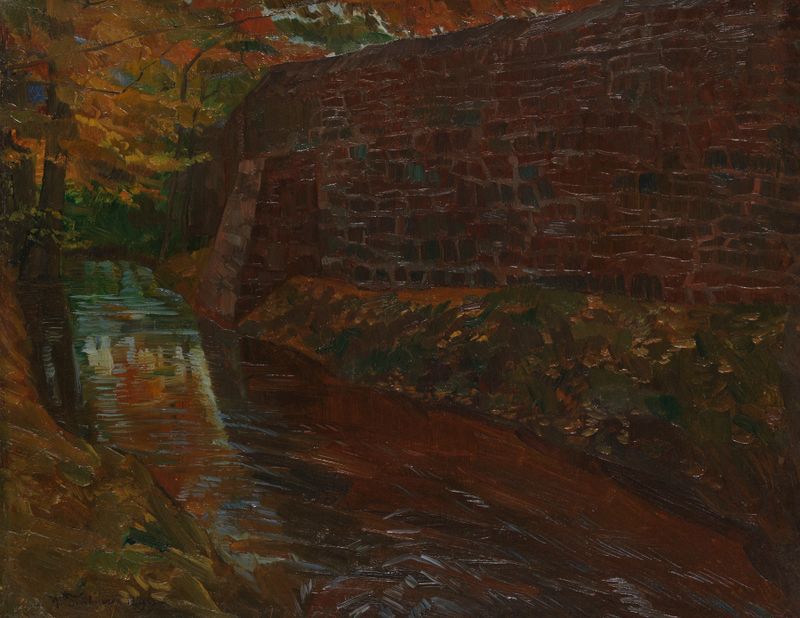
Parkmauer in Amorbach
Wilhelm Trübner

Garten einer Villa am Starnberger See
Wilhelm Trübner

A View of Frauenchiemsee
Wilhelm Trübner
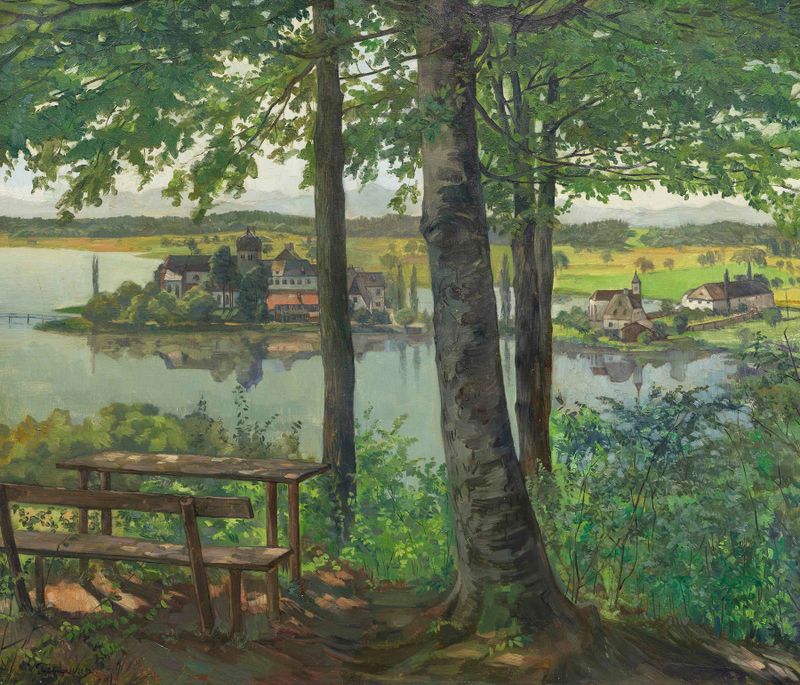
Aussicht auf Kloster Seeon
Wilhelm Trübner
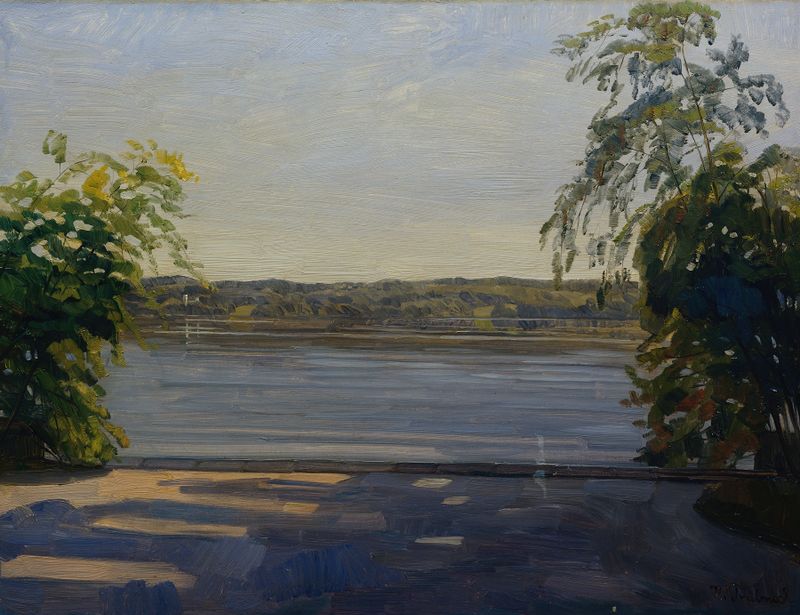
Starnberger See
Wilhelm Trübner
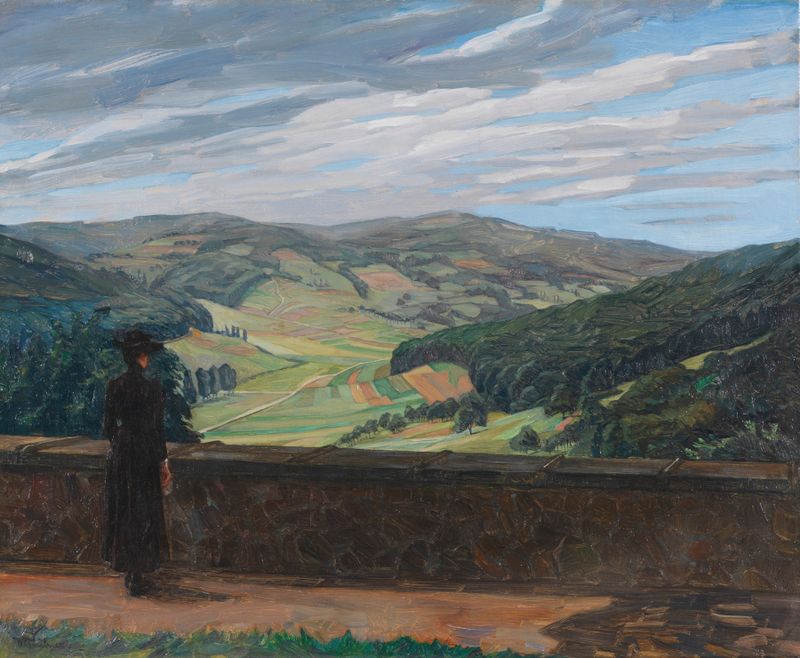
Blick in den Odenwald
Wilhelm Trübner
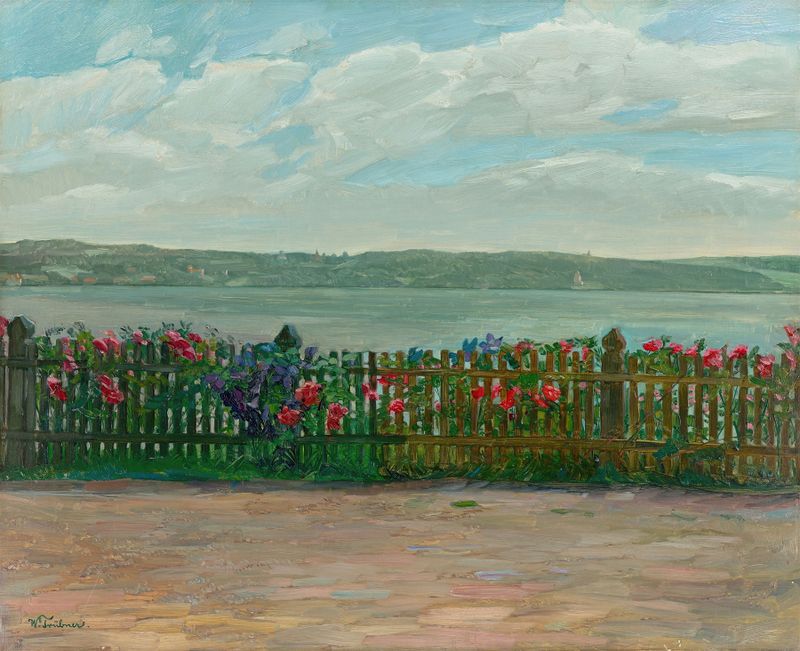
Rose fence with view of the Berg Castle at Lake Starnberg
Wilhelm Trübner
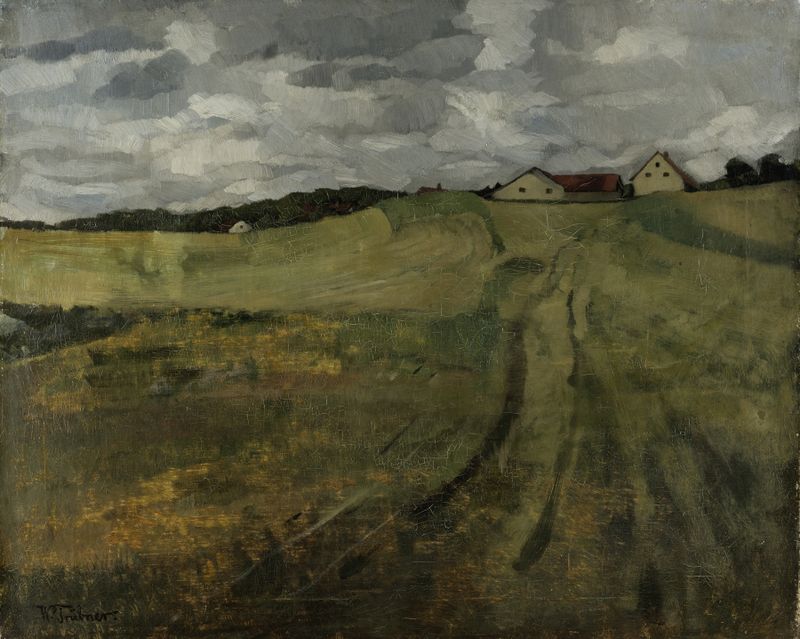
Stubble Field with Ascending Path near Wessling
Wilhelm Trübner
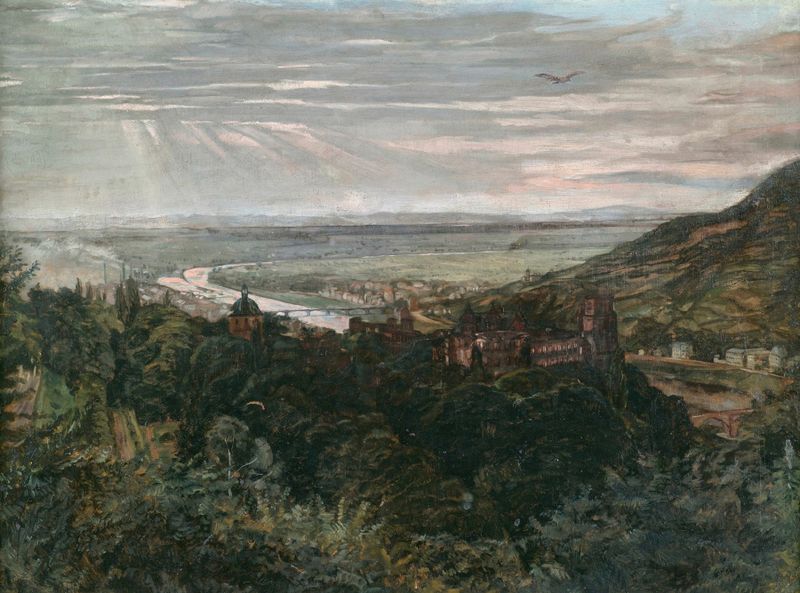
View of Heidelberg
Wilhelm Trübner





