
Abisag knielt voor David — History & Facts
What if silence could speak through light? In the hushed moment captured within this work, a palpable yearning emanates from the canvas, inviting us to ponder the depths of unvoiced feelings. Look to the left at the figure of Abisag, her delicate posture radiating both reverence and vulnerability as she kneels before King David. The soft, golden light bathes her in an ethereal glow, emphasizing the contours of her face and the intricate folds of her garments. The rich colors of the background contrast with her pale skin, creating a striking visual dialogue that draws the viewer's gaze deeper into this intimate encounter.
The meticulous detail of her expression and the gentle draping of fabric showcase Holbein's masterful technique, bringing the scene to life. In this poignant depiction, the tension between power and submission resonates profoundly. Abisag's lowered gaze suggests a mix of devotion and longing, while David's regal yet distant demeanor hints at the emotional chasm between them. The interplay of shadows on their faces deepens the complexity of their relationship, reflecting an unfulfilled yearning for connection that transcends the physical space separating them.
This nuanced exploration of desire and duty elevates the work beyond a mere historical moment, inviting a universal reflection on the nature of love and sacrifice. Hans Holbein the Younger painted this piece in 1538 while he was in England, a time when he served as court painter to Henry VIII. The artist was navigating the complexities of the Tudor court, where political and personal allegiances were ever-shifting. This backdrop of intrigue and ambition influenced his portrayal of intimate subjects, imbuing the artwork with layers of meaning that resonate through history.
More Artworks by Hans Holbein (II)
Browse all →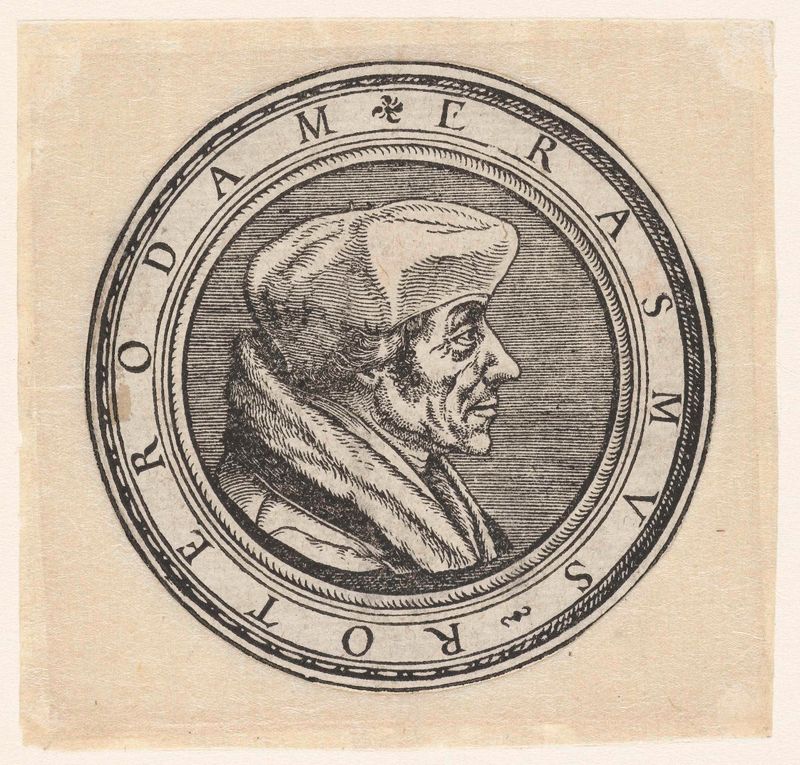
Portret van Erasmus
Hans Holbein (II)
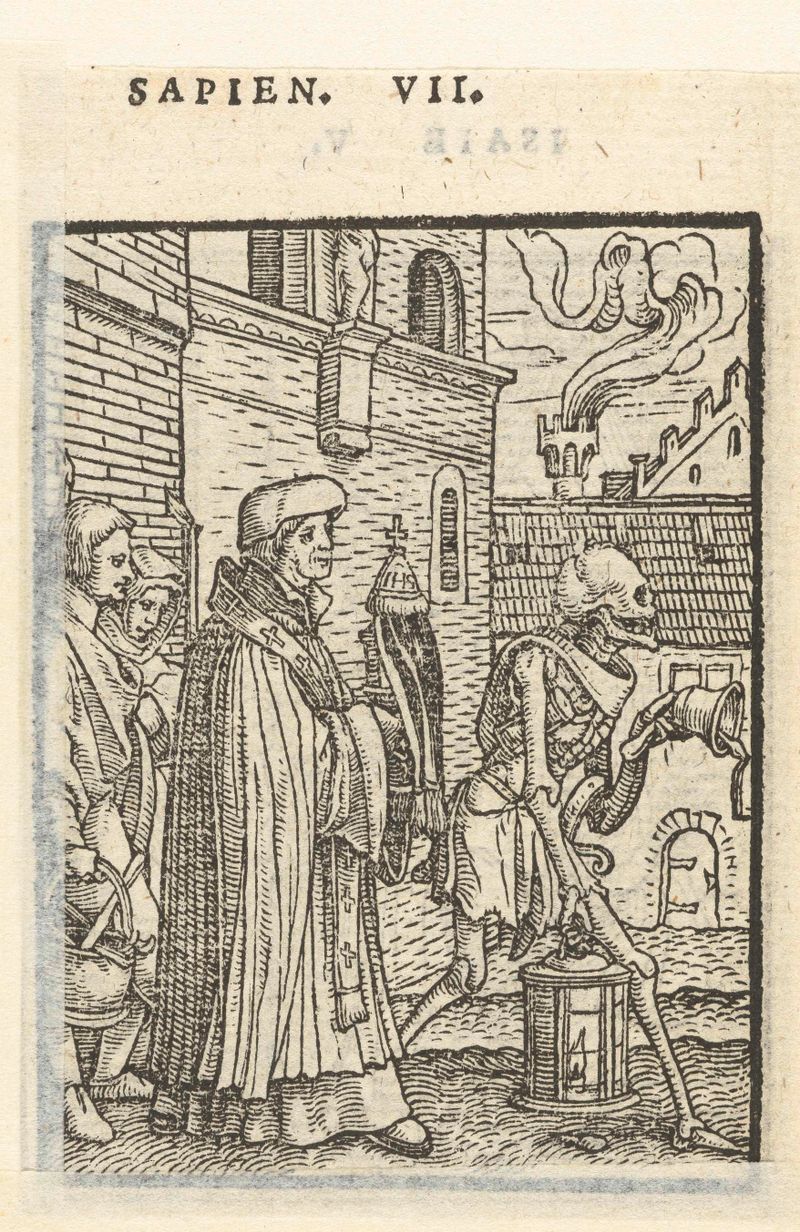
Priester en de Dood
Hans Holbein (II)
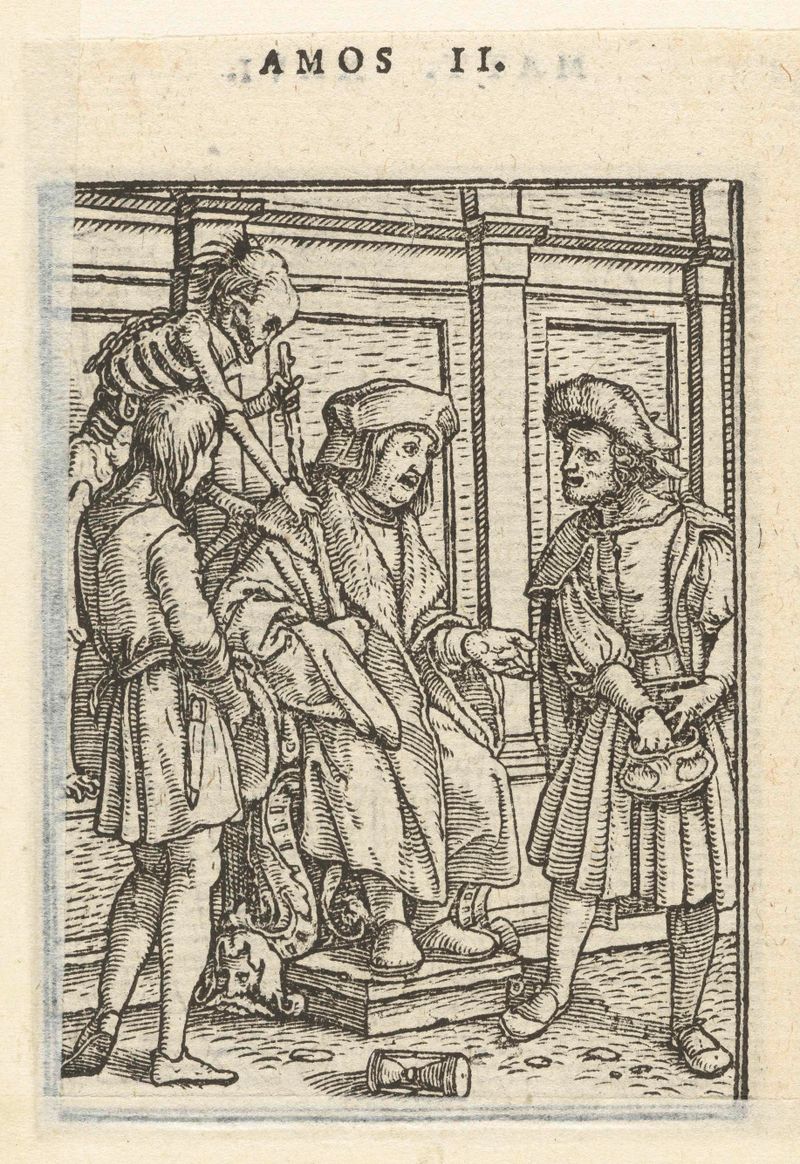
Rechter en de Dood
Hans Holbein (II)
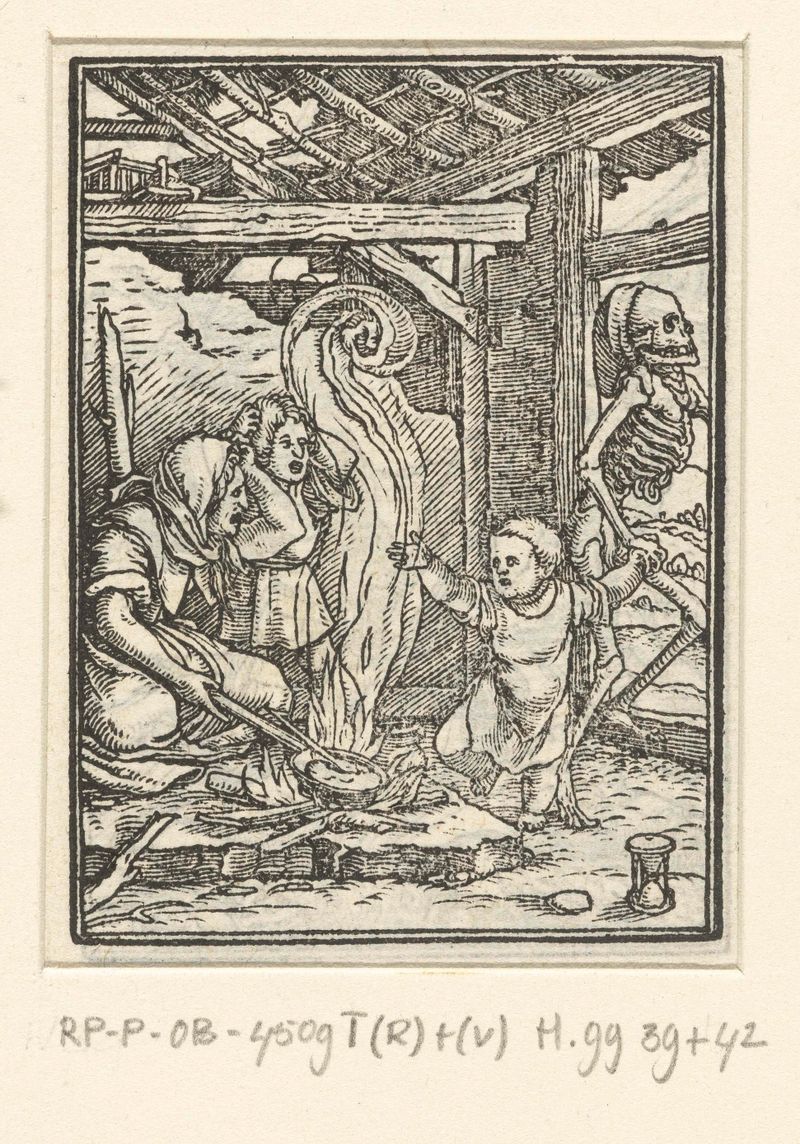
Kind en de Dood
Hans Holbein (II)
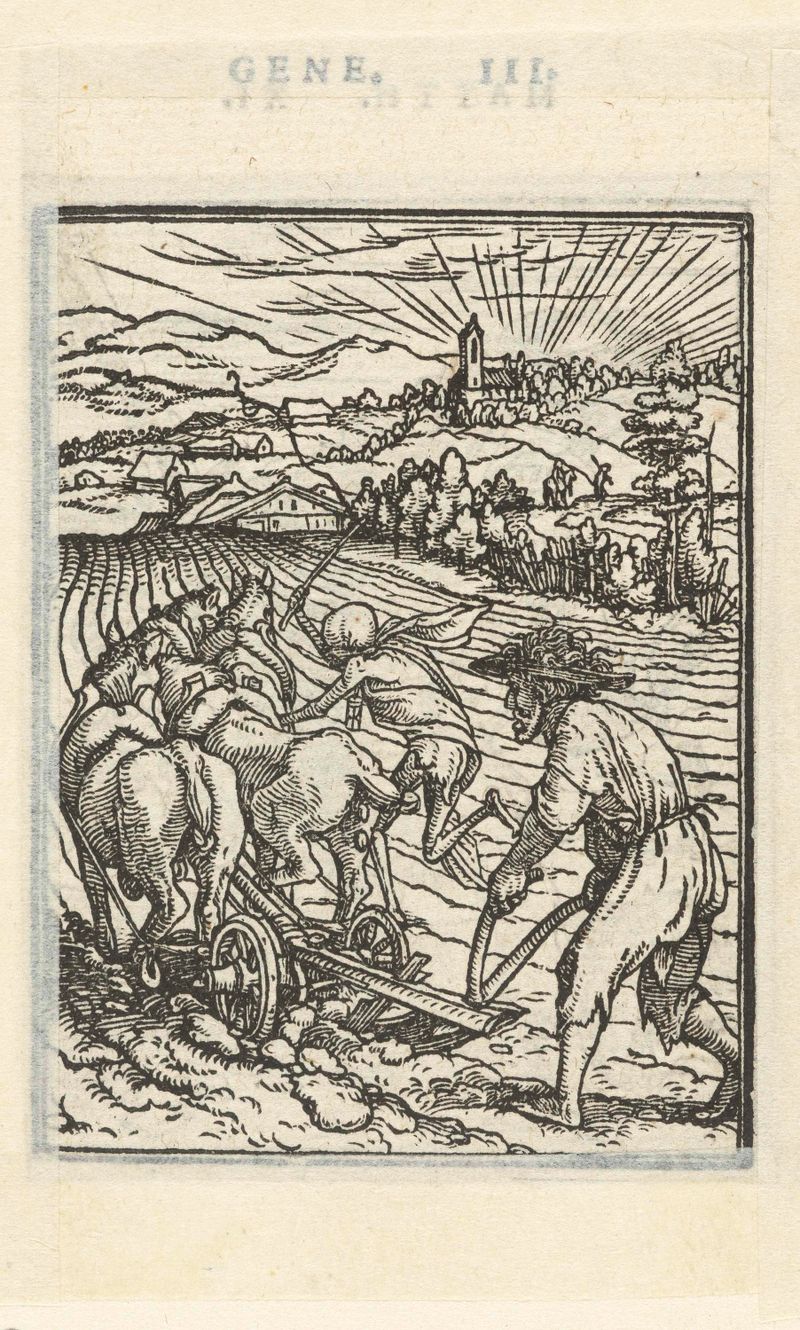
Boer en de Dood
Hans Holbein (II)
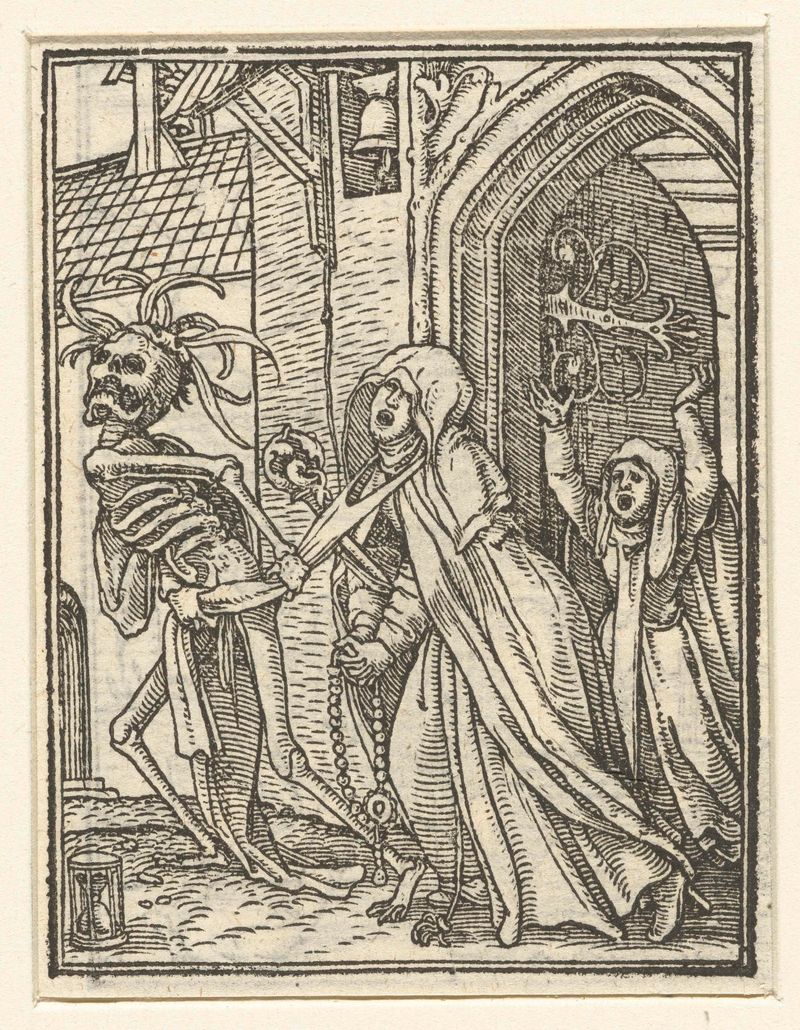
Abdis en de Dood
Hans Holbein (II)
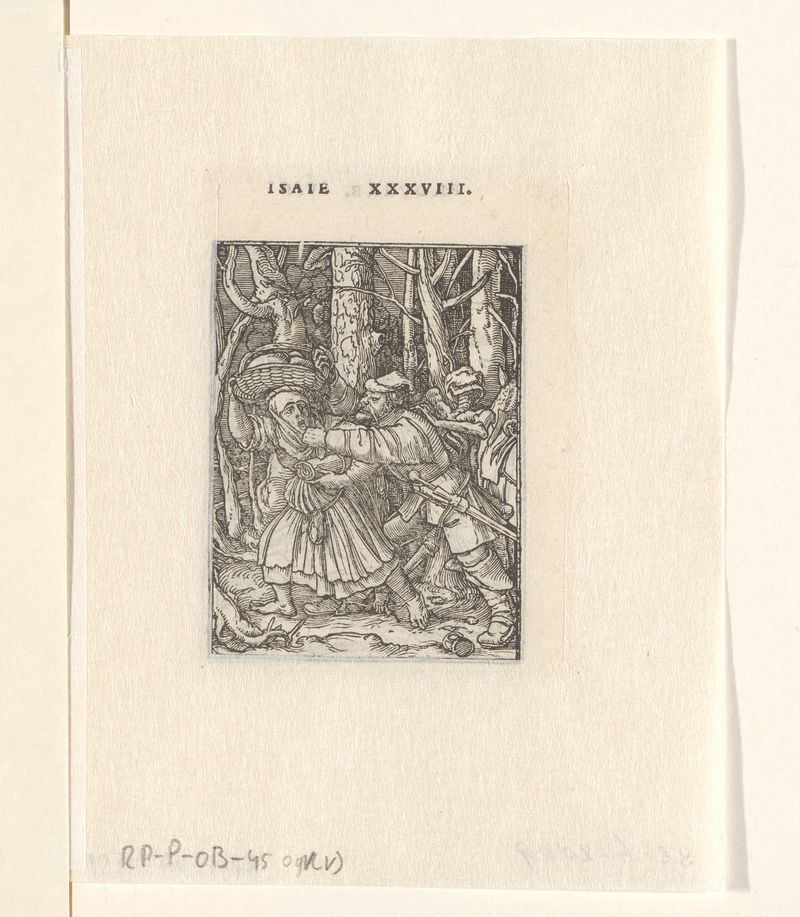
Dief en de Dood
Hans Holbein (II)
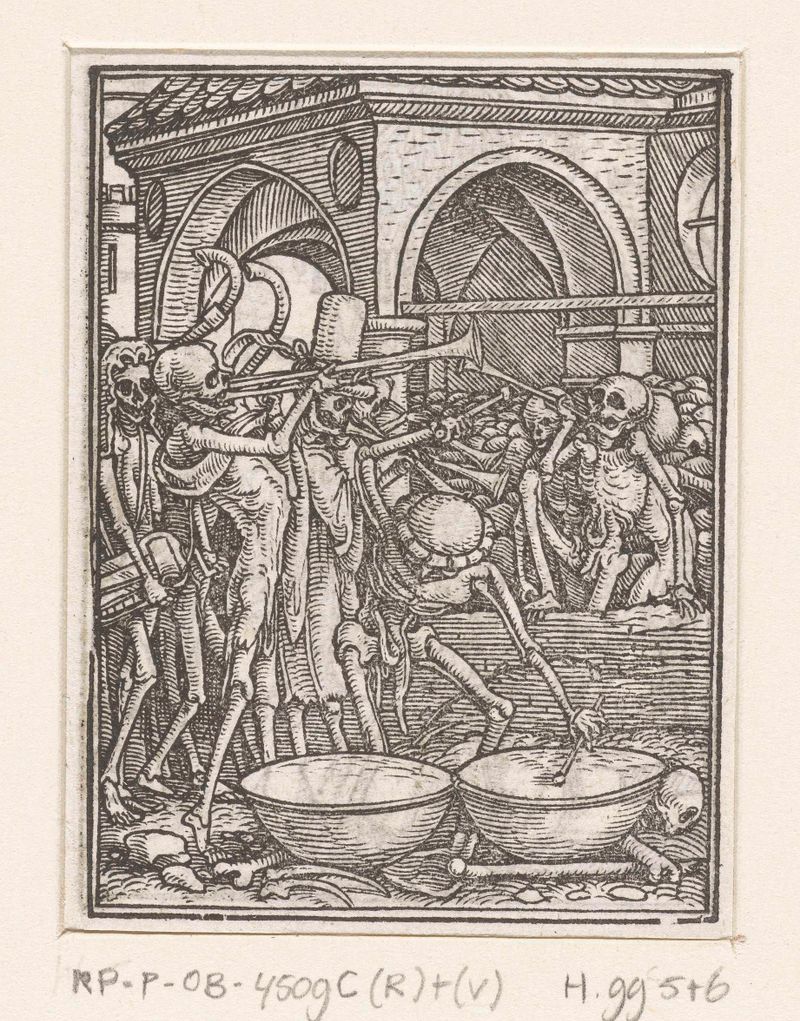
Skeletons Making Music from Dance of the Dead
Hans Holbein (II)
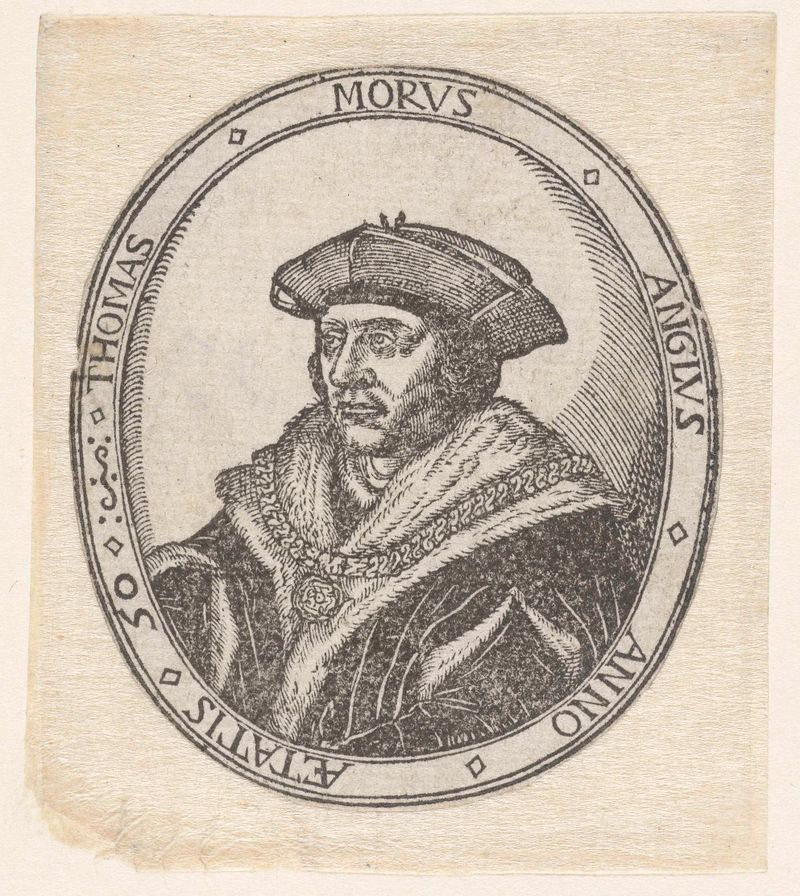
Portret van Thomas More
Hans Holbein (II)
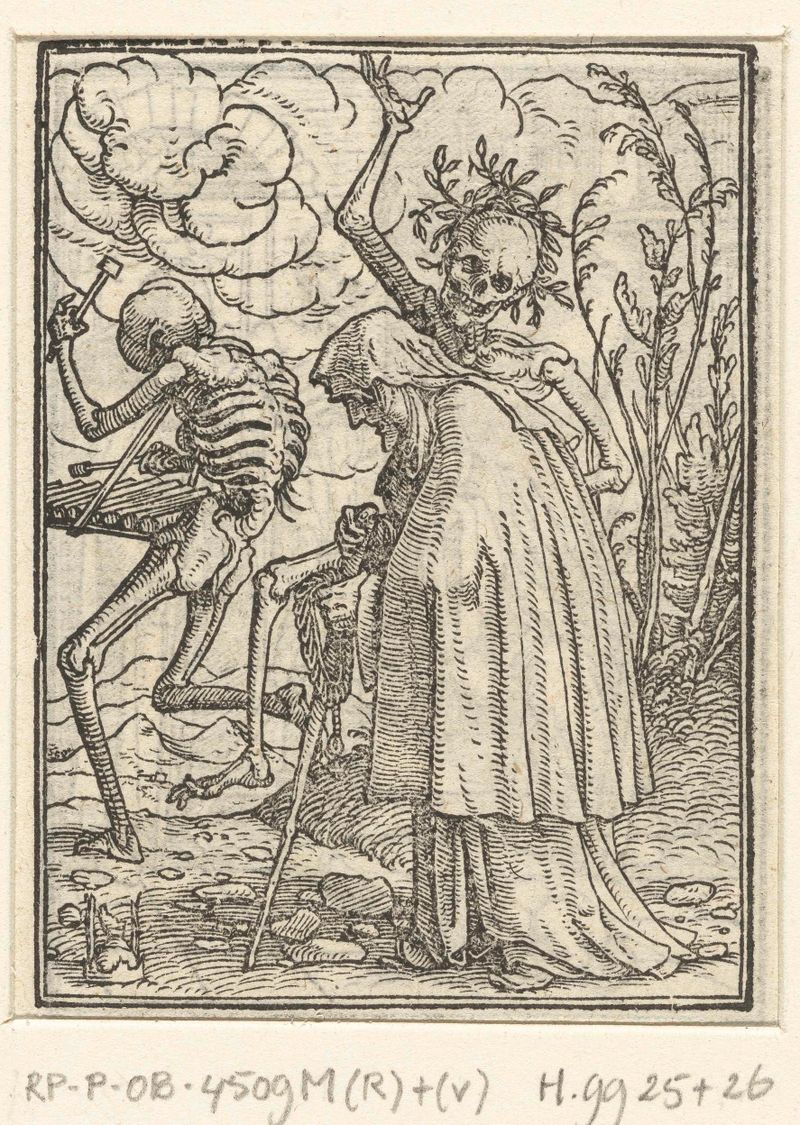
Oude vrouw en de Dood
Hans Holbein (II)
More Religious Art
Browse all →
The Return of the Prodigal Son
Rembrandt van Rijn

The Garden of Earthly Delights
El Bosco

Count Orgaz’ funeral
El Greco

The Hundred Guilder Print: the central piece with Christ preaching, the plate arched
Rembrandt van Rijn

The Descent from the Cross
Rogier van der Weyden

The return of the prodigal son
Rembrandt van Rijn