
Abraham and the Angels — History & Facts
A hush seems to settle over the table, as if the very air is holding its breath for what comes next. In Abraham and the Angels, Aert de Gelder chooses not the moment of miracle or revelation, but the charged pause just before it—a gathering of figures in close, golden light, each face turned inward with its own quiet gravity. The bearded central figure, draped in luminous robes, gestures gently toward the bread and meat, his hand open in a gesture that is both offering and invitation.
The angels, marked only by the faintest shimmer of wings and the otherworldly calm on their faces, lean forward, their bodies curving into the circle of the meal. The table itself is a stage: a silver platter, a jug, and flat loaves, each rendered with the same care as the faces above. This is a painting that draws the viewer into its intimacy, using light to sculpt the scene out of darkness. The background melts away, leaving only the figures and the meal, as if the world outside has been suspended.
The palette is warm but muted, the whites and golds of the garments glowing against the deep brown shadows. De Gelder, a late pupil of Rembrandt, carries forward his master's love of dramatic chiaroscuro and psychological nuance, but here the drama is hushed, the mystery internal. Unlike the theatrical gestures seen in earlier Baroque treatments of this story, here the miracle is anticipated, not enacted—the divine presence is felt in the stillness, in the attentive gaze of the angel on the right, in the humility of the man in red. Painted in the 1680s, this work belongs to a period when Dutch artists were exploring new ways to bring biblical stories into the realm of everyday experience.
While little is recorded about the specific journey of this painting, its presence today in the collectie.boijmans.nl collection is a testament to the enduring appeal of such intimate, contemplative scenes. In an age of shifting religious and social landscapes, paintings like this offered viewers a space to reflect on the mysteries of faith and hospitality—inviting them, as this table does, to draw closer and look again.
More Artworks by Aert de Gelder

Portrait of a Young Woman
Aert de Gelder

Hermanus Boerhaave (1668-1738), Professor of Medicine at the University of Leiden, with his Wife Maria Drolenvaux (1686-1746) and their Daughter Johanna Maria (1712-91)
Aert de Gelder
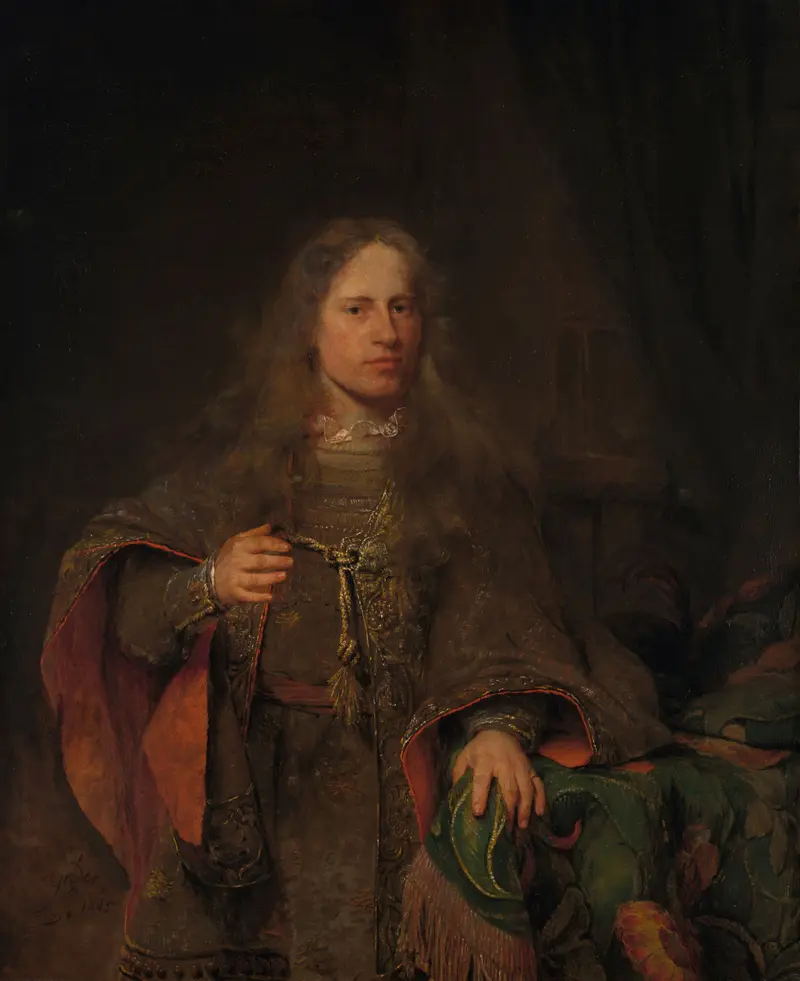
Portrait of Ernest de Beveren, Lord of West-IJsselmonde and De Lindt
Aert de Gelder
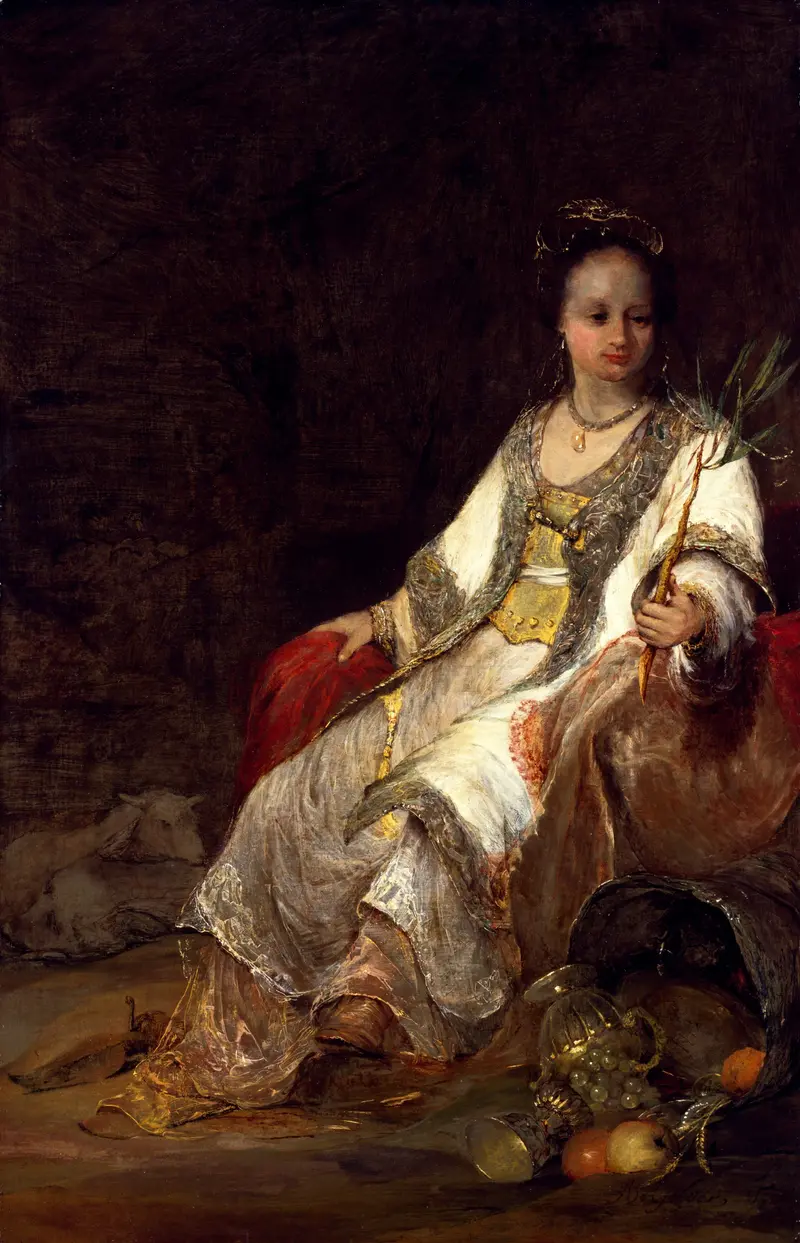
Allegory on Peace
Aert de Gelder
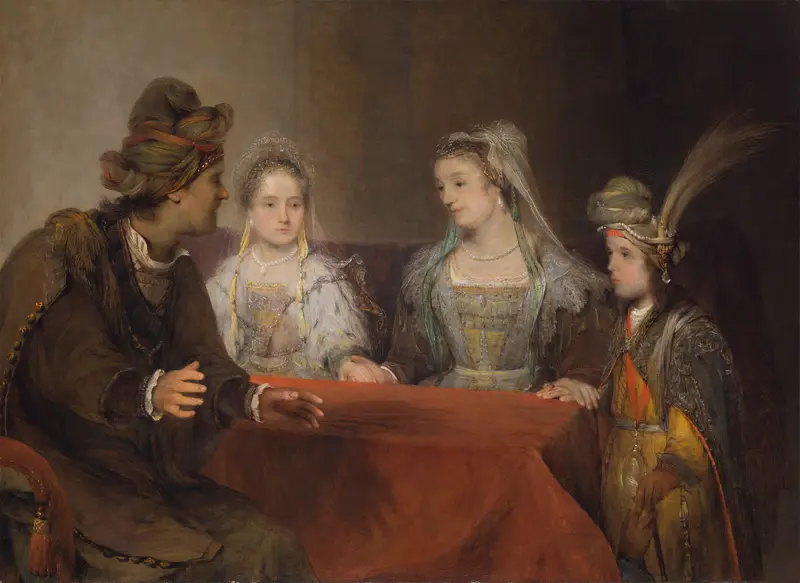
Edna Entrusting Tobias with Sarah
Aert de Gelder
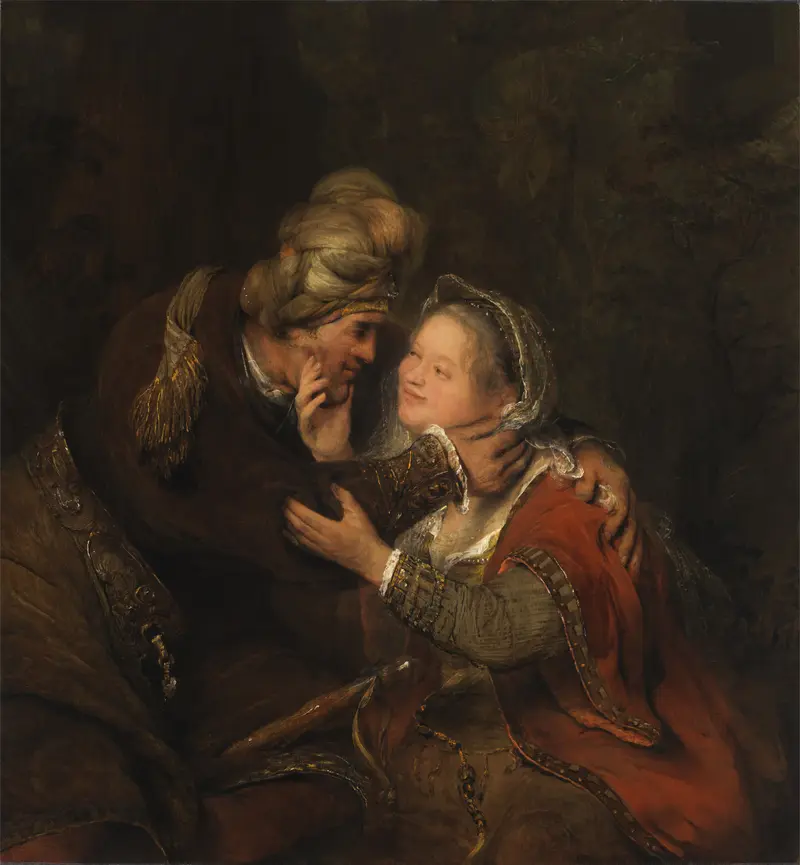
Judah and Tamar
Aert de Gelder
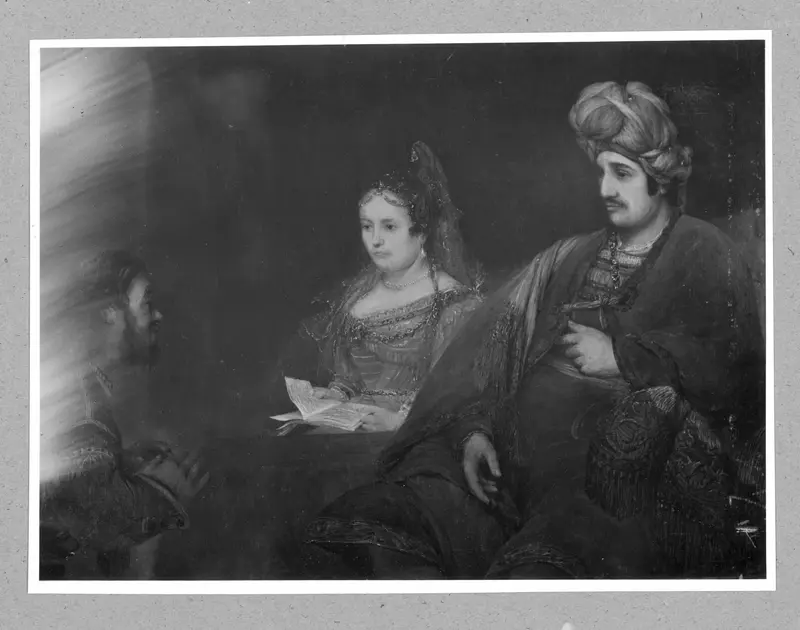
Hamas before Ahasver
Aert de Gelder
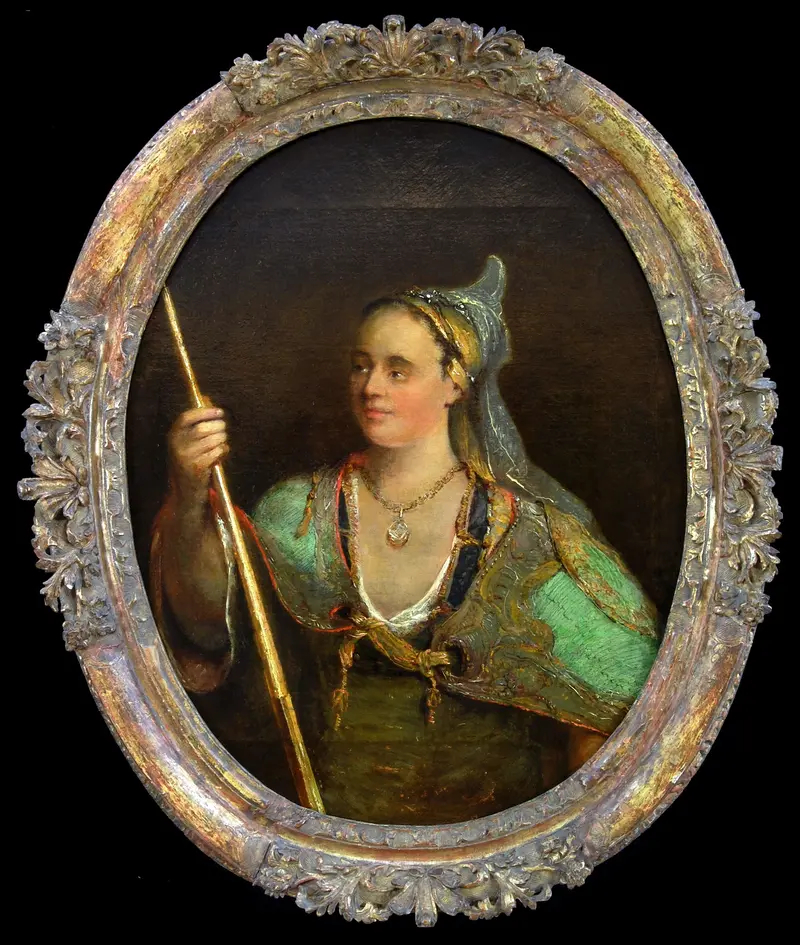
A female allegorical figure
Aert de Gelder
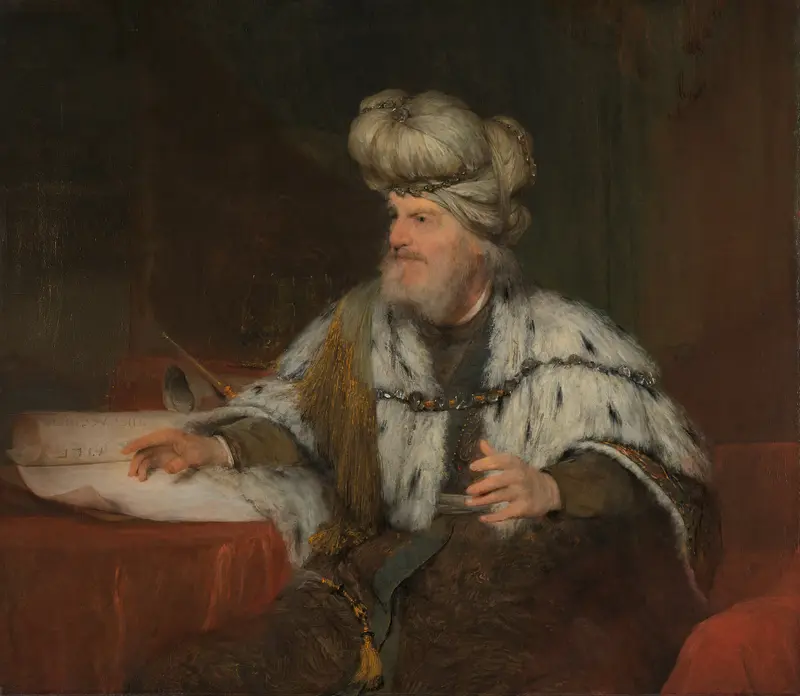
King David
Aert de Gelder
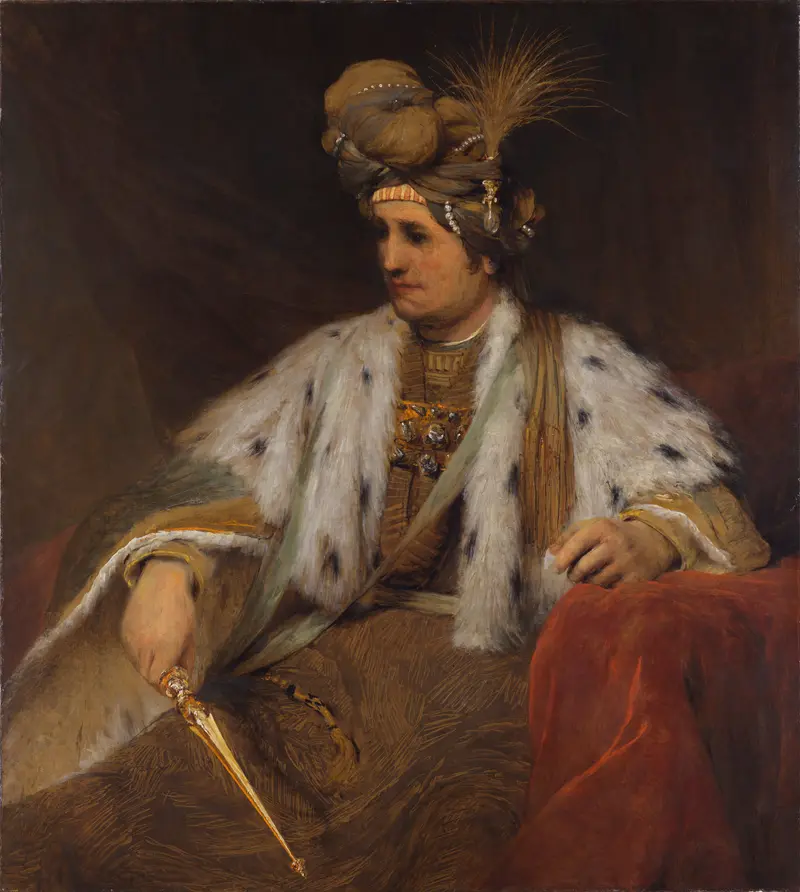
Old Testament Figure, Probably King Solomon
Aert de Gelder





