
Abraham en de drie engelen — History & Facts
Can beauty exist without sorrow? In Hans Holbein's Abraham en de drie engelen, the answer seems to linger in the air, suspended like a fragile memory. The painting captures a moment of divine visitation, where the sacred intertwines with the earthly, evoking a sense of both reverence and longing. Look to the left, where Abraham stands poised in a flowing robe, a figure of strength and humility. His gaze, directed towards his celestial visitors, draws you into the profound mystery of the encounter.
Notice how the soft, golden light bathes the scene, illuminating the rich colors of the angels’ garments, and casting delicate shadows that hint at the gravity of the moment. The meticulous detail in each figure – from Abraham’s furrowed brow to the serene expressions of the angels – invites contemplation, showcasing Holbein’s masterful technique and deep understanding of human emotion. Within this tranquil scene lies a tapestry of contrasts. The angels, with their ethereal presence, embody hope and promise, while Abraham’s solemn demeanor conveys the weight of expectation and impending change.
The interplay of light and shadow not only enhances the visual richness but also symbolizes the duality of faith and doubt, joy and sorrow. Each element is imbued with significance, echoing the complexities of divine intervention in human life. Created in 1538 during Holbein's stay in England, Abraham en de drie engelen reflects a period when the artist was deeply engaged with the court of Henry VIII. Holbein, renowned for his portraiture and attention to detail, was navigating a vibrant but tumultuous artistic landscape.
This work encapsulated his ability to merge narrative depth with visual splendor, capturing an eternal moment steeped in both promise and the weight of memory.
More Artworks by Hans Holbein (II)
Browse all →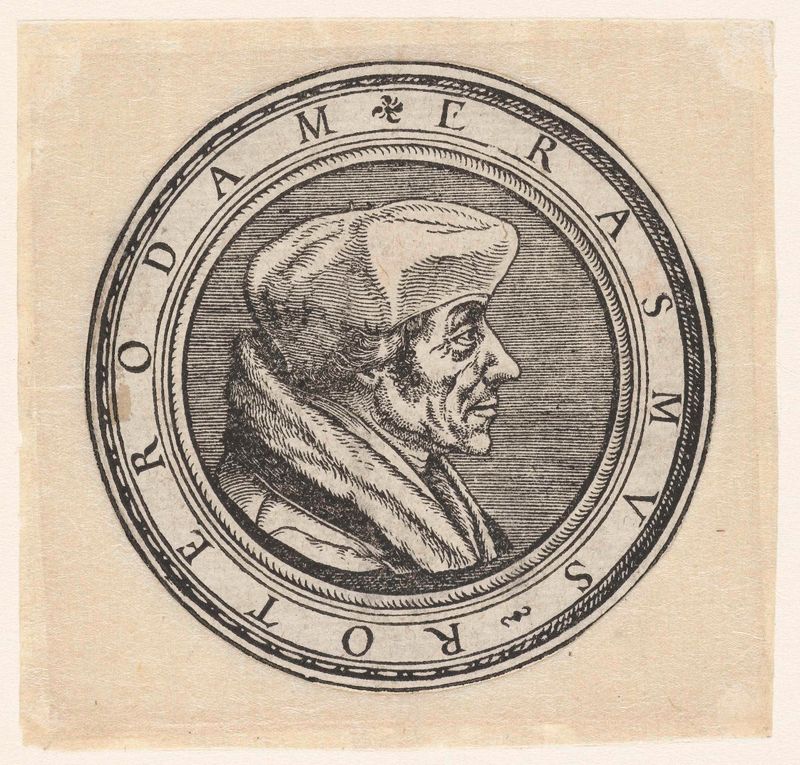
Portret van Erasmus
Hans Holbein (II)
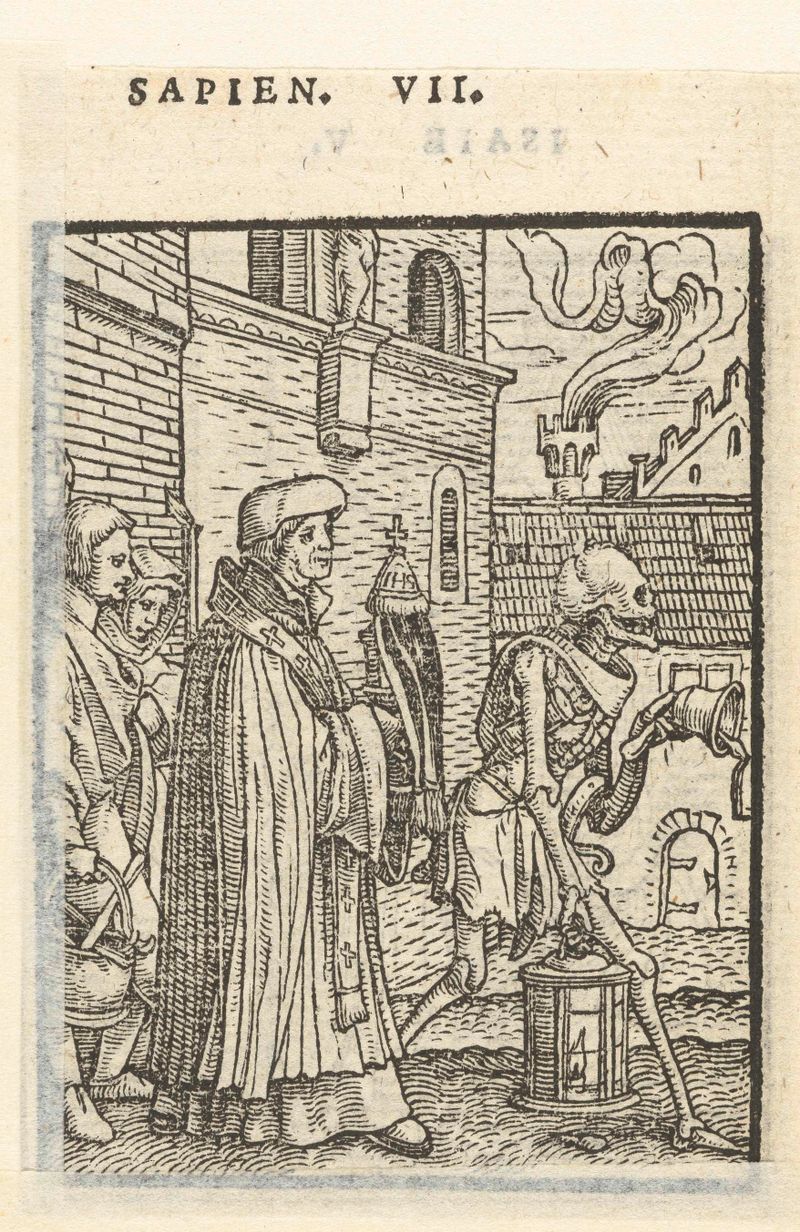
Priester en de Dood
Hans Holbein (II)
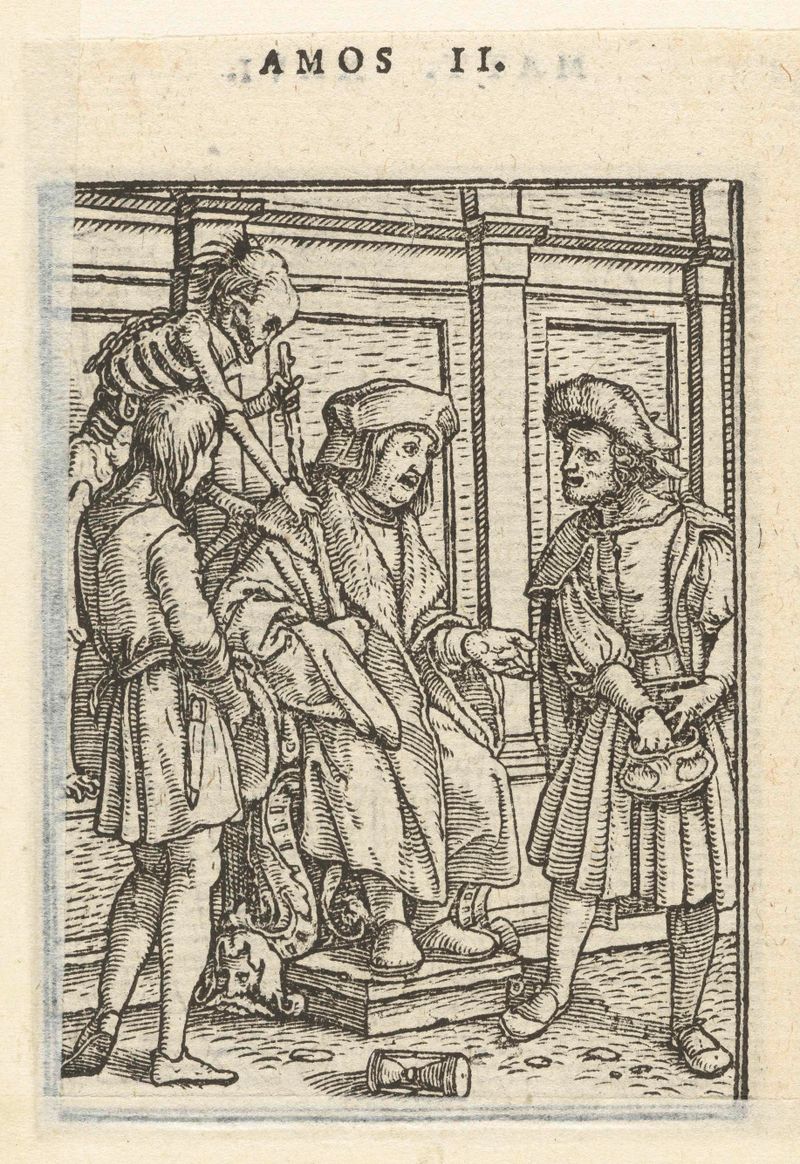
Rechter en de Dood
Hans Holbein (II)
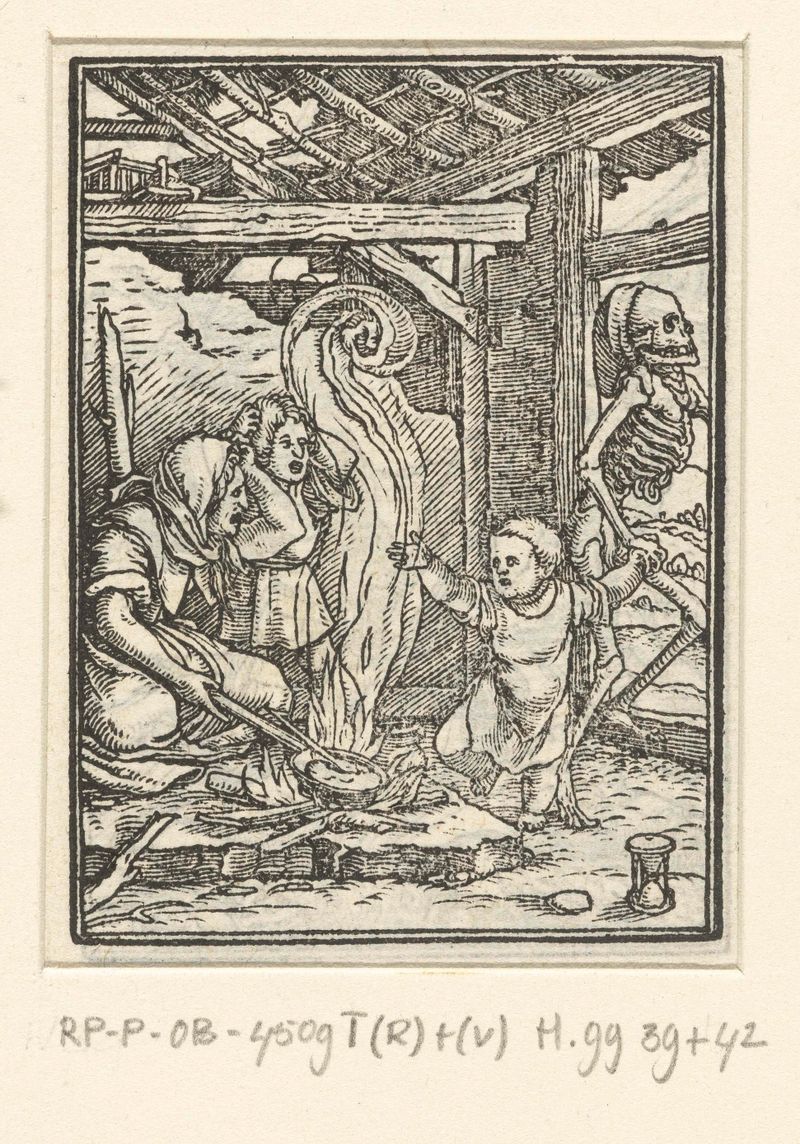
Kind en de Dood
Hans Holbein (II)
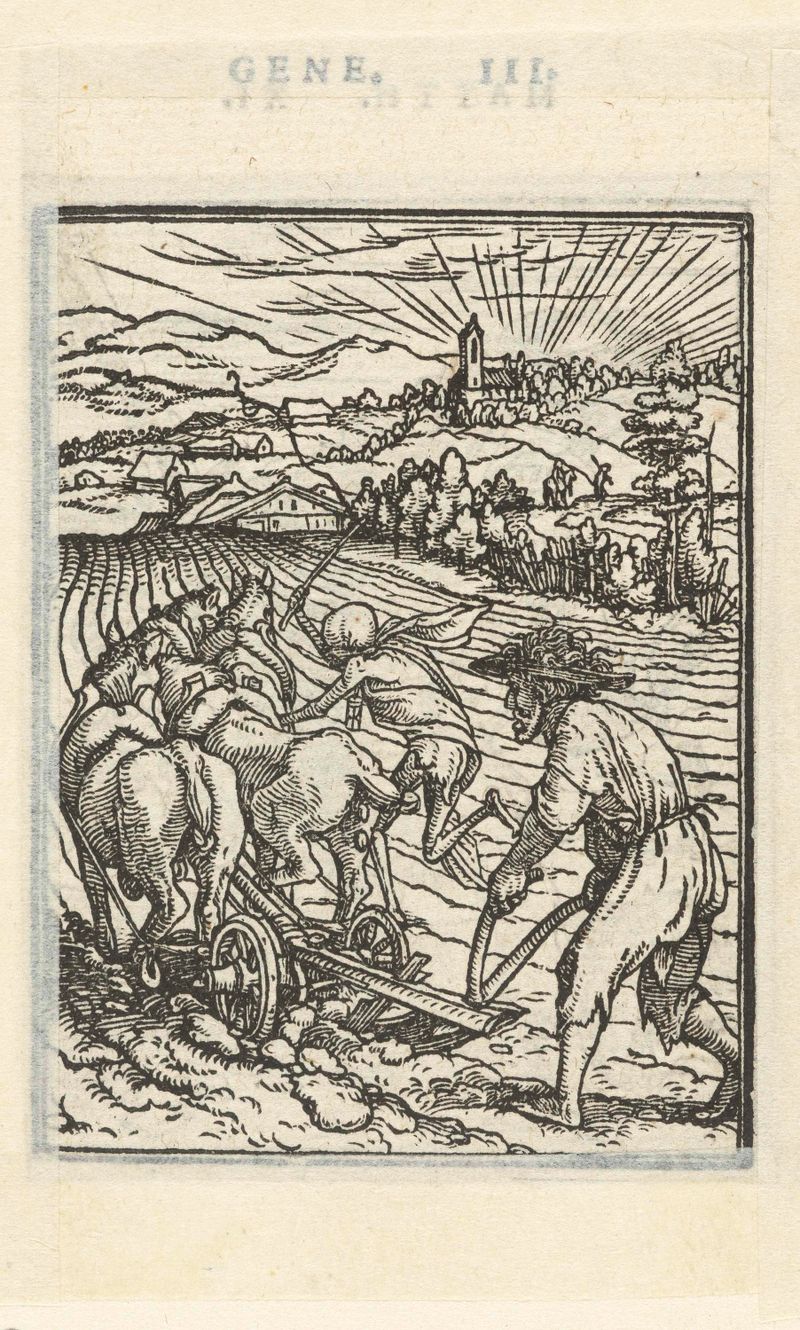
Boer en de Dood
Hans Holbein (II)
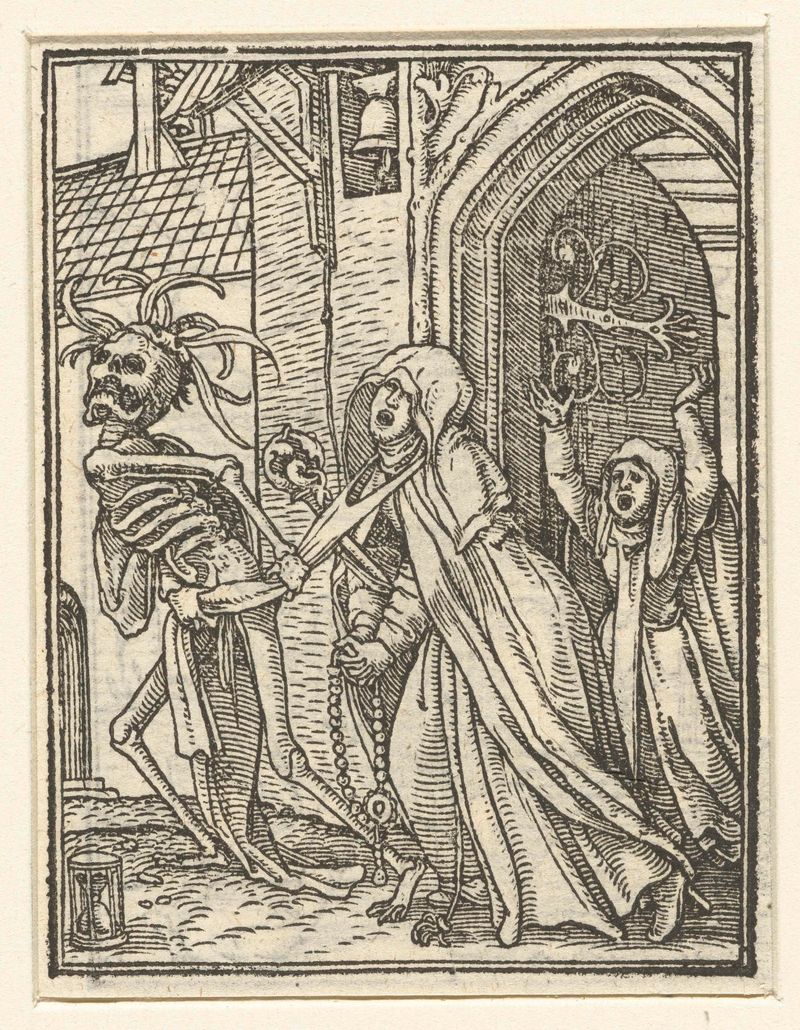
Abdis en de Dood
Hans Holbein (II)
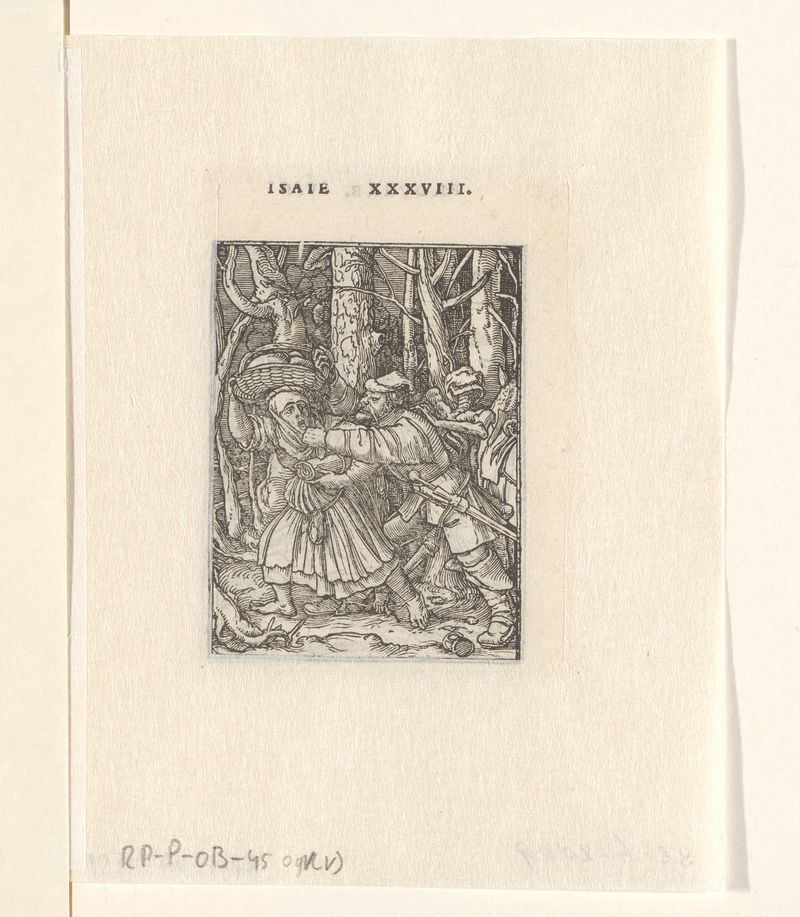
Dief en de Dood
Hans Holbein (II)
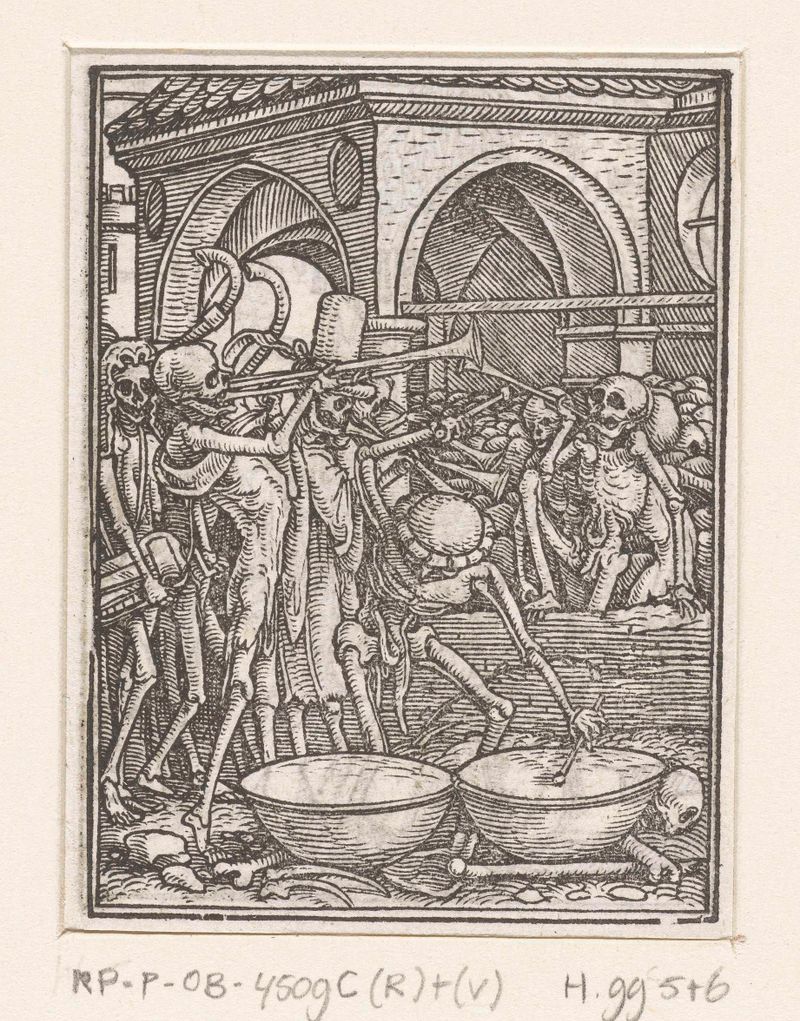
Skeletons Making Music from Dance of the Dead
Hans Holbein (II)
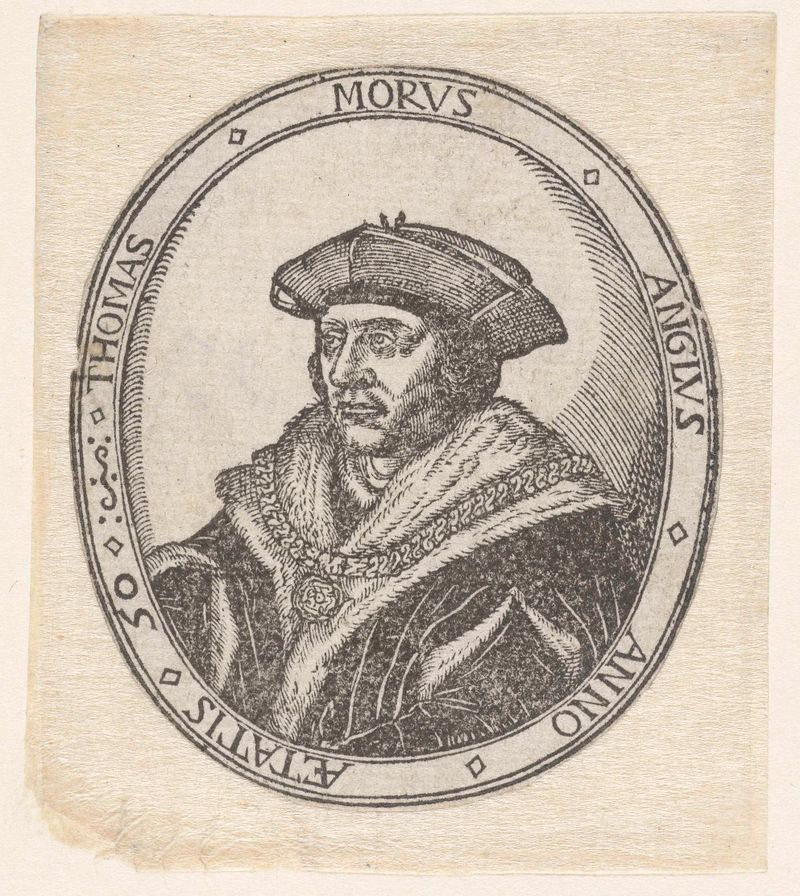
Portret van Thomas More
Hans Holbein (II)
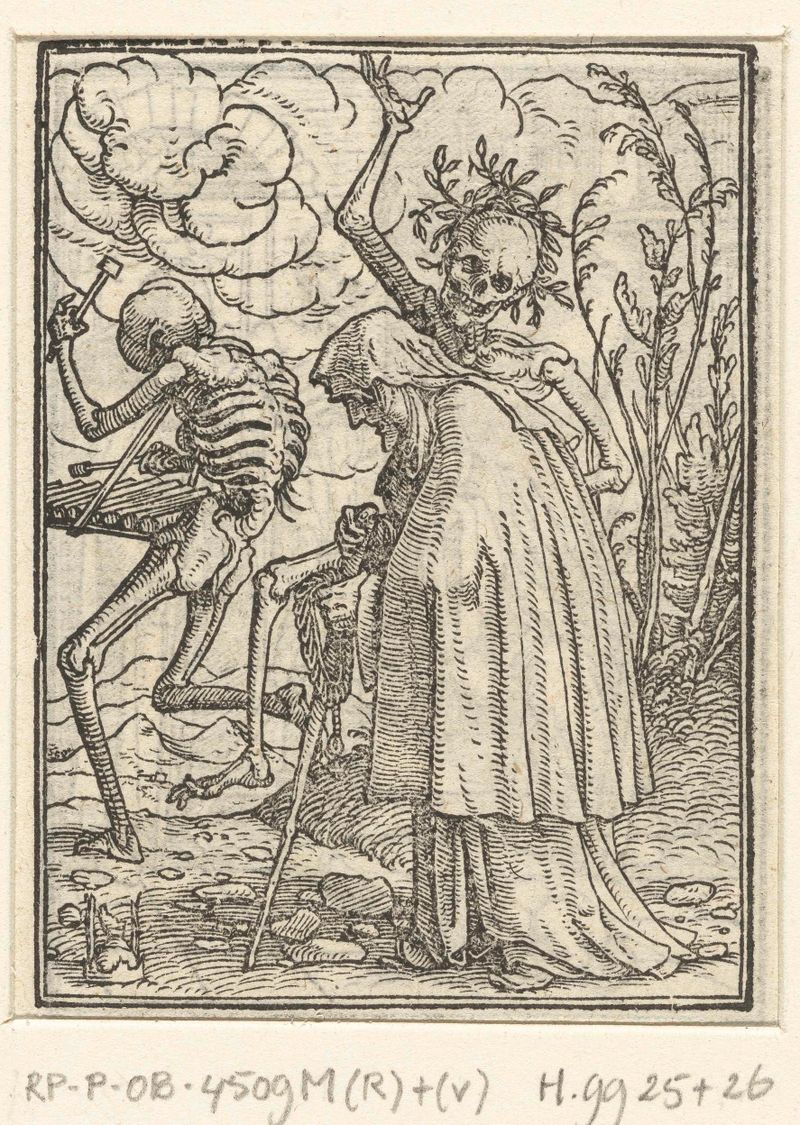
Oude vrouw en de Dood
Hans Holbein (II)
More Religious Art
Browse all →
The Return of the Prodigal Son
Rembrandt van Rijn

The Garden of Earthly Delights
El Bosco

Count Orgaz’ funeral
El Greco

The Hundred Guilder Print: the central piece with Christ preaching, the plate arched
Rembrandt van Rijn

The Descent from the Cross
Rogier van der Weyden

The return of the prodigal son
Rembrandt van Rijn