
Abt en de Dood als bisschop — History & Facts
The interplay of life and death emerges as a powerful testament to legacy, evoking deep contemplation about the fleeting nature of existence. Focus on the bishop at the center, clad in opulent ecclesiastical robes that command attention. His serene expression juxtaposes the intricate web of symbolism surrounding him, including the looming figure of death on the right, portrayed as a skeletal presence. Notice how Holbein masterfully employs shadow and light to illustrate the fragile boundary between the sacred and the macabre, drawing your gaze across the canvas in a silent invitation to reflect on mortality and faith. Beneath the surface, this composition breathes with rich emotional tension.
The juxtaposition of the ornate garments against the grim figure of death hints at the dichotomy of power and vulnerability, suggesting that earthly possessions are ultimately meaningless in the face of mortality. The bishop’s gaze, slightly averted, captures a moment of introspection, possibly signifying the internal struggle between duty and the inescapable end that awaits all. The surrounding symbols, from the hourglass to the skull, deepen the narrative of legacy, urging viewers to ponder their own lives and the marks they leave behind. Holbein created this work in 1538 during a time of significant change, as the Reformation was reshaping the religious landscape of Europe.
Living in England and serving as court painter, his work reflects both the personal and the societal transitions of the era. The painting encapsulates his ability to blend human emotion with intricate symbolism, illuminating the timeless dance between life, death, and the legacies we build along the way.
More Artworks by Hans Holbein (II)
Browse all →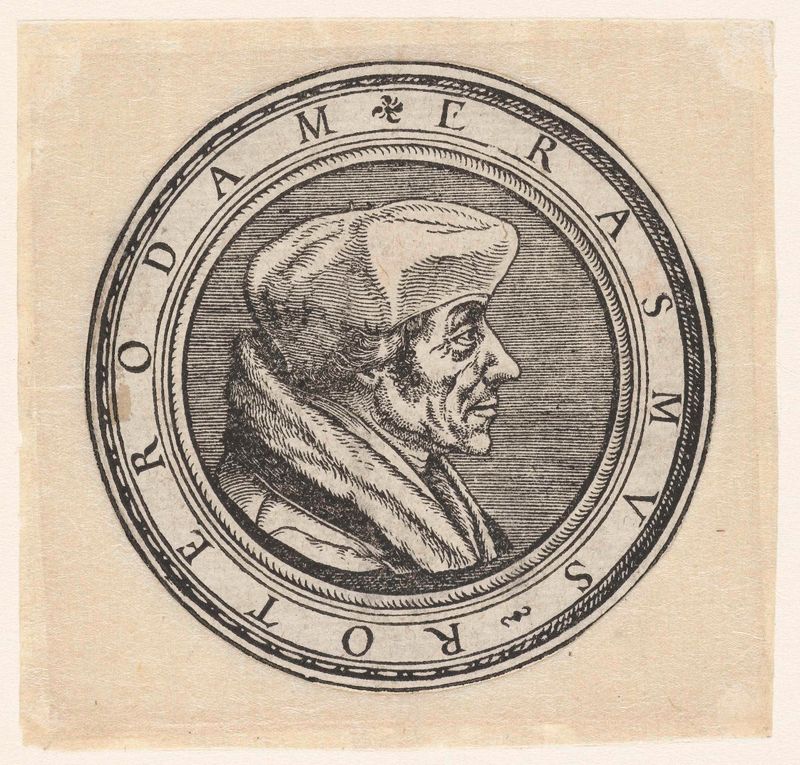
Portret van Erasmus
Hans Holbein (II)
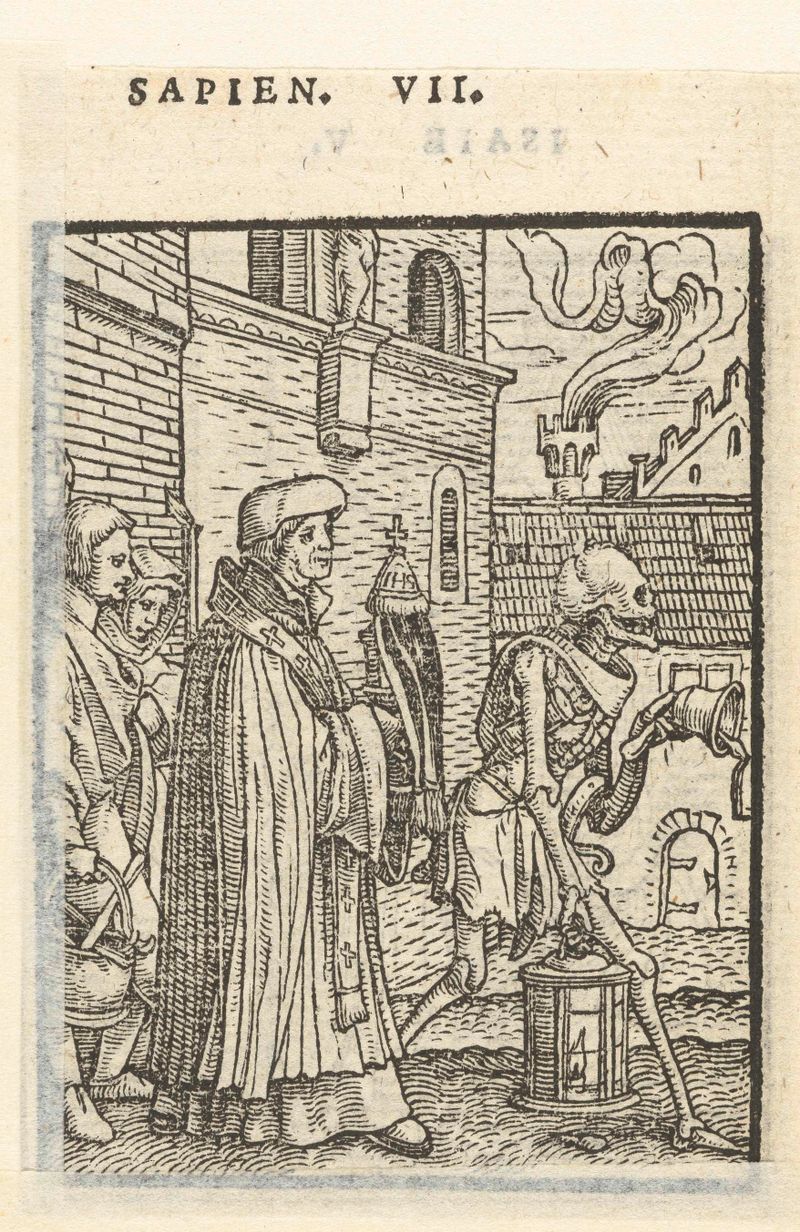
Priester en de Dood
Hans Holbein (II)
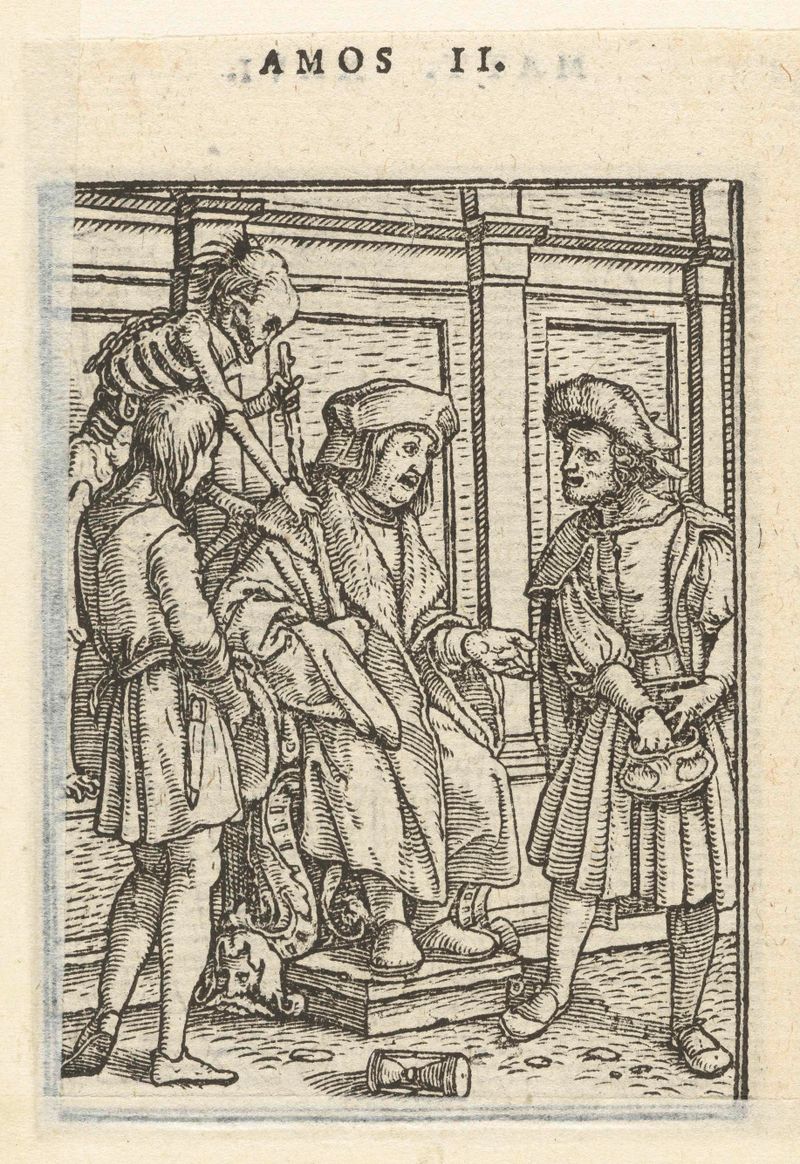
Rechter en de Dood
Hans Holbein (II)
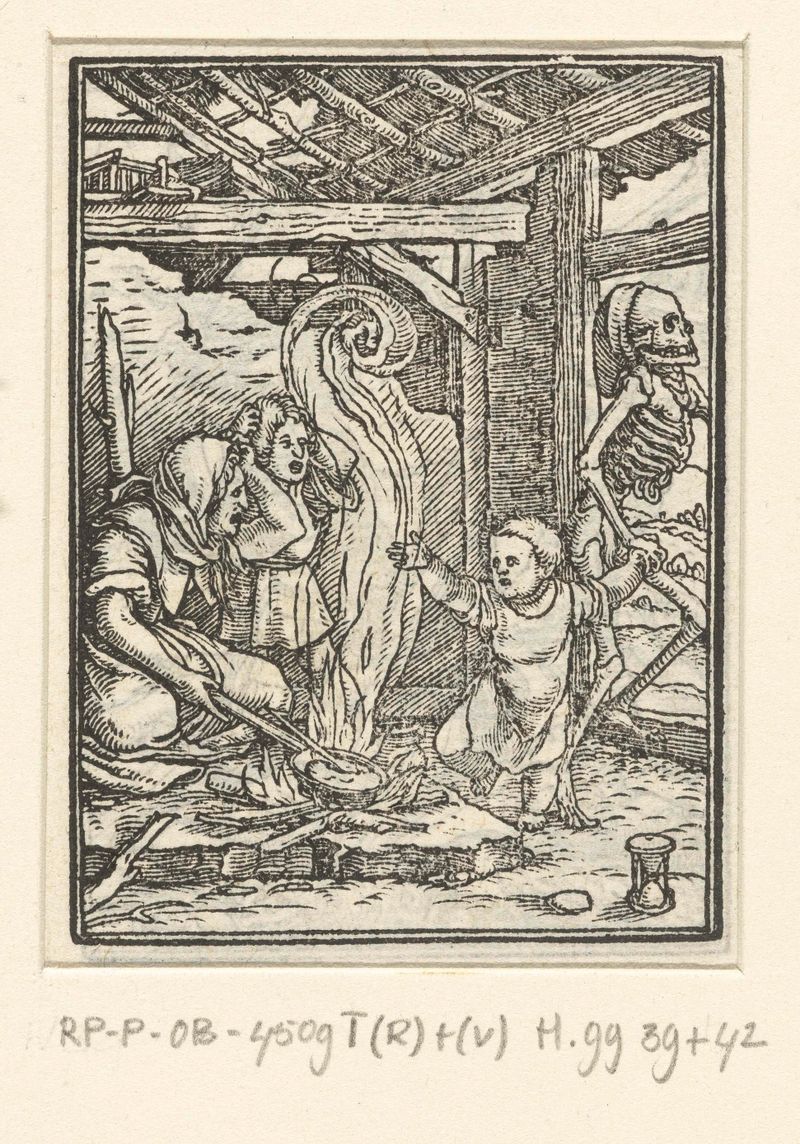
Kind en de Dood
Hans Holbein (II)
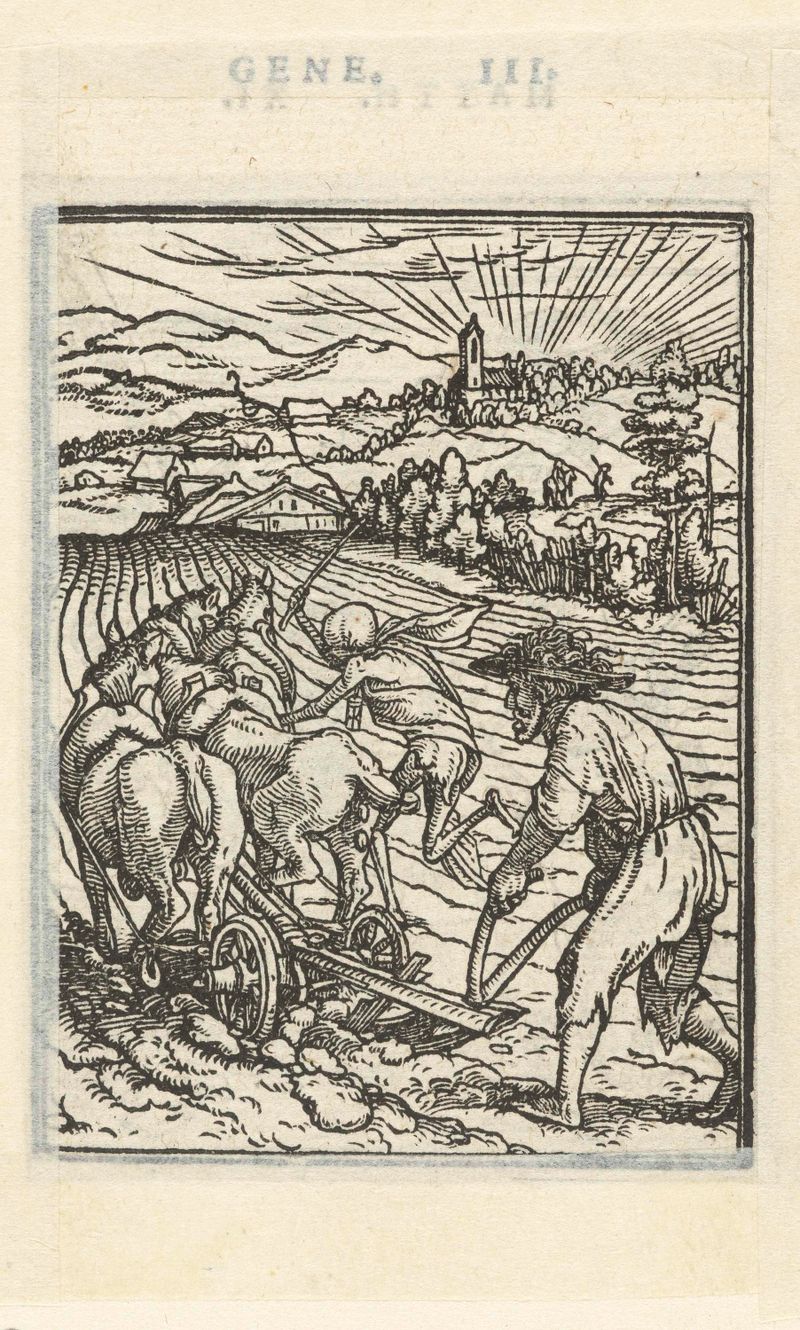
Boer en de Dood
Hans Holbein (II)
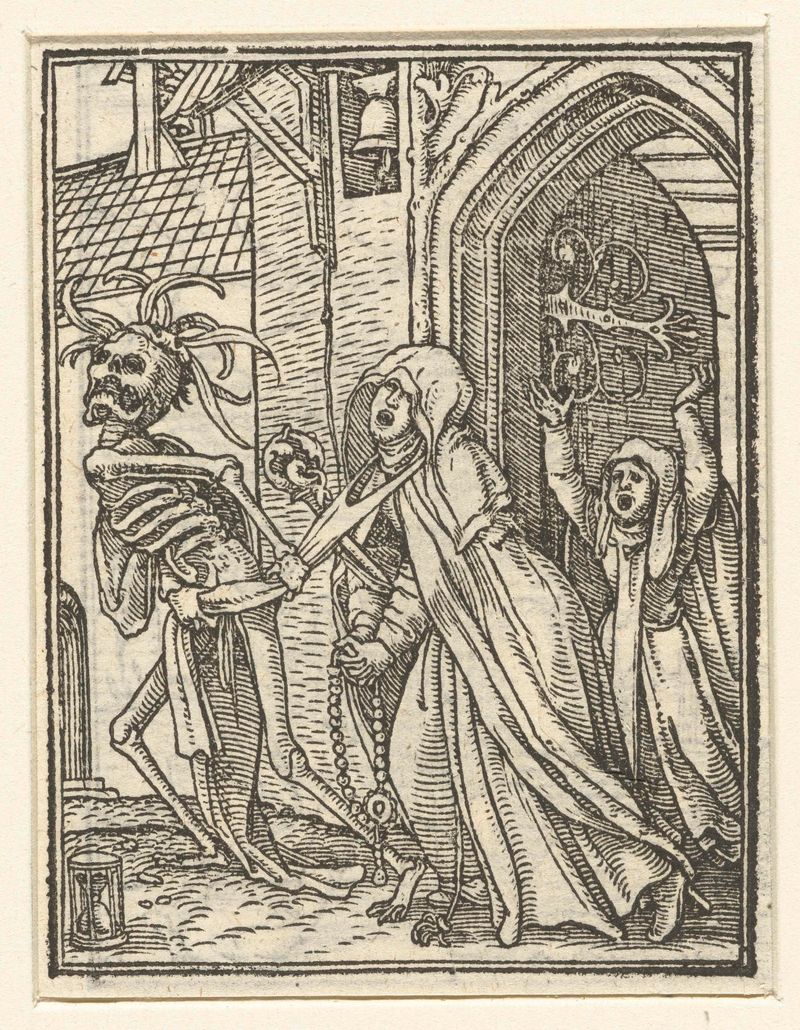
Abdis en de Dood
Hans Holbein (II)
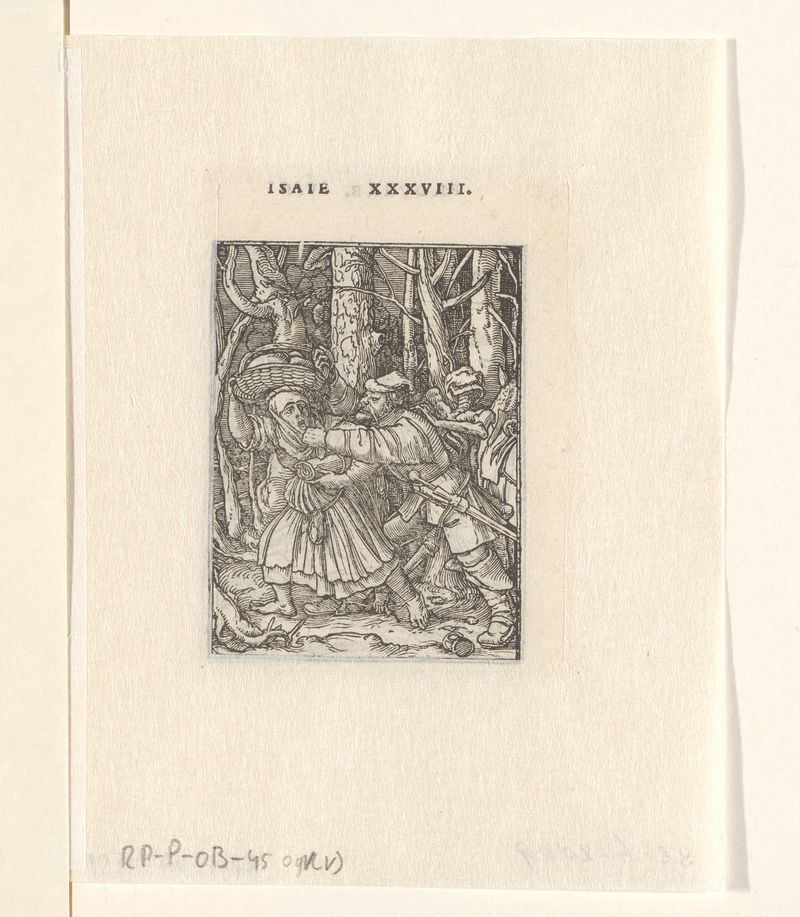
Dief en de Dood
Hans Holbein (II)
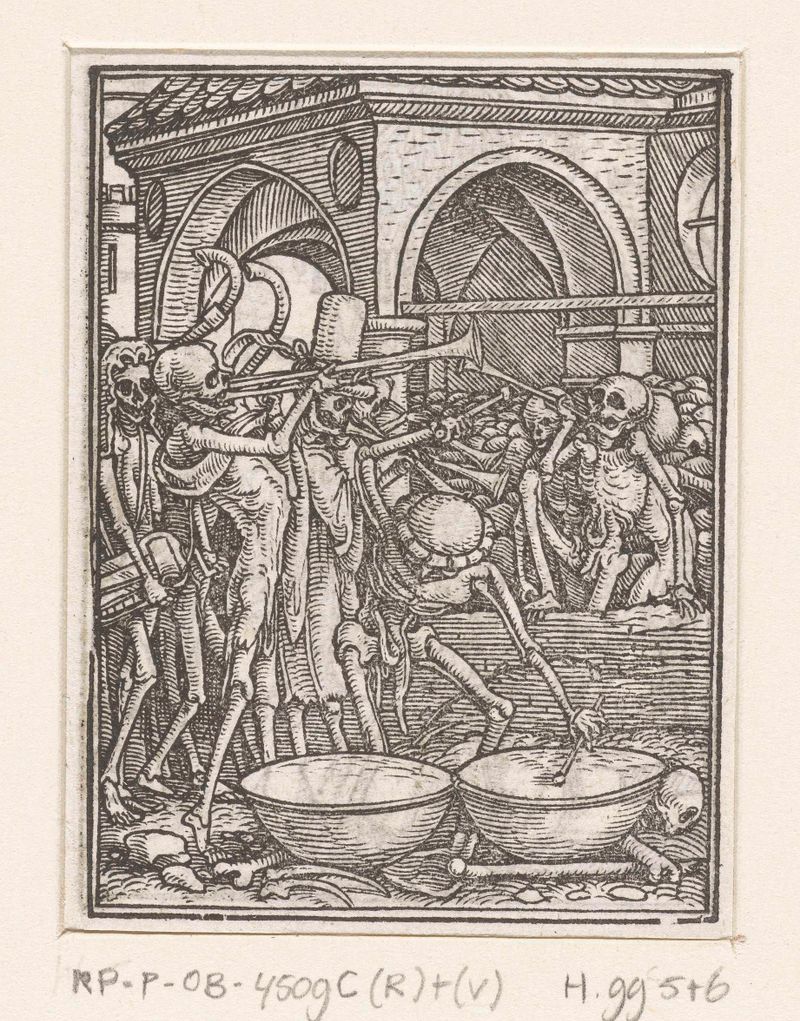
Skeletons Making Music from Dance of the Dead
Hans Holbein (II)
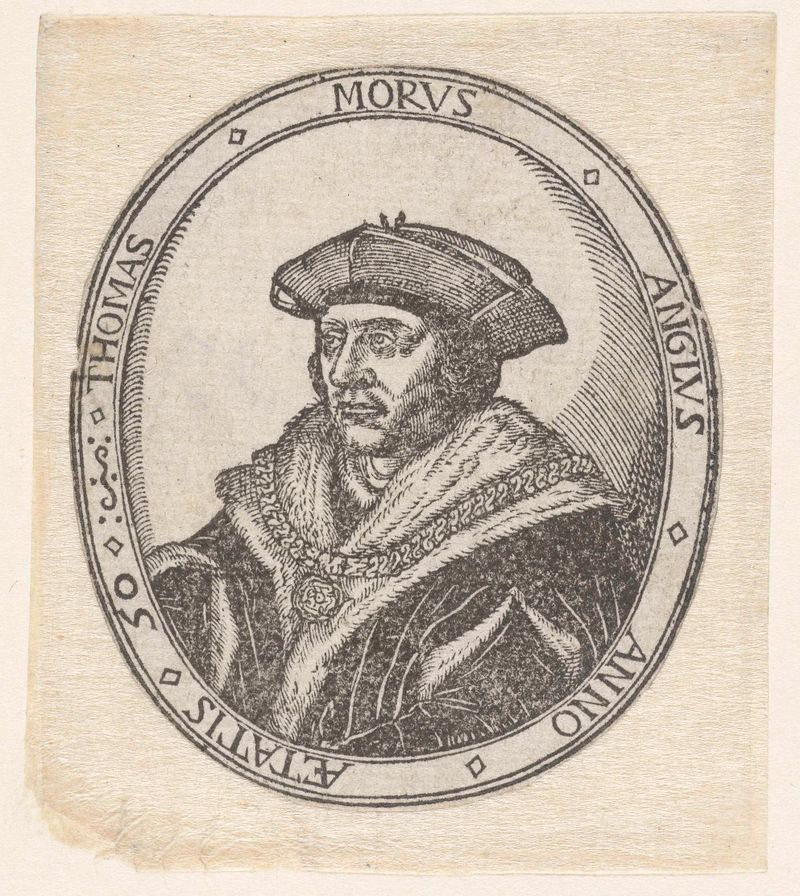
Portret van Thomas More
Hans Holbein (II)
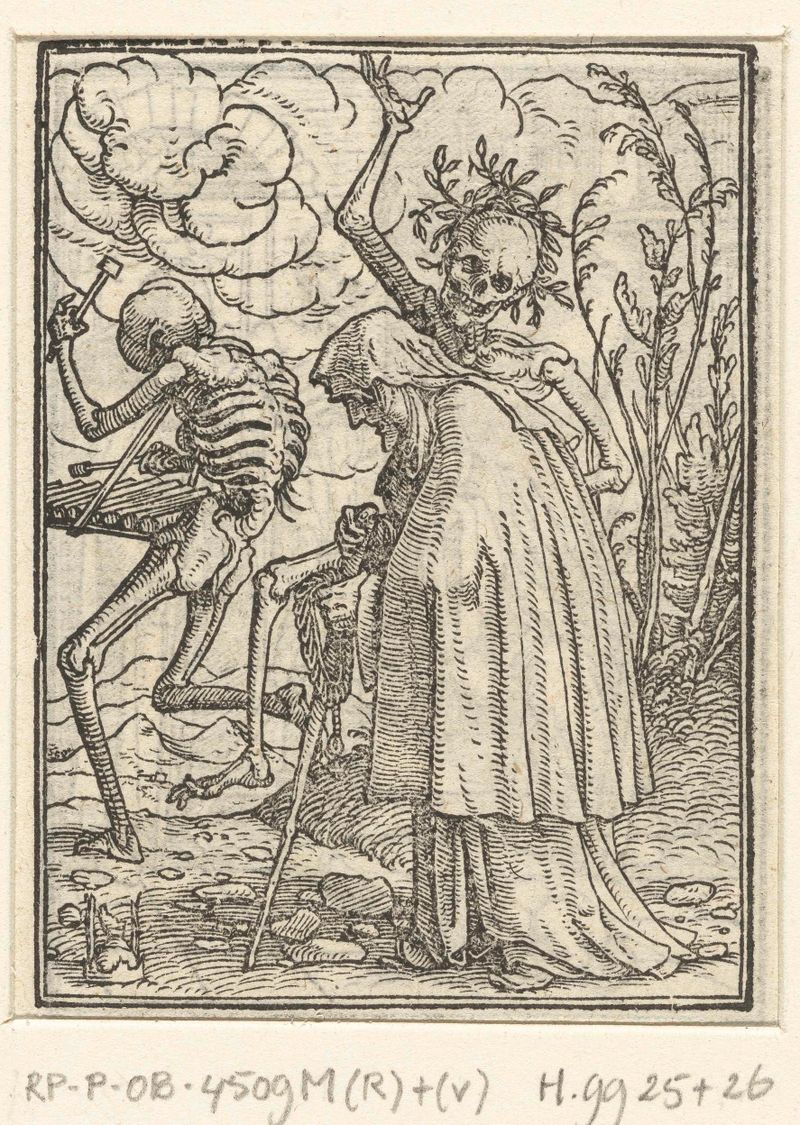
Oude vrouw en de Dood
Hans Holbein (II)
More Religious Art
Browse all →
The Return of the Prodigal Son
Rembrandt van Rijn

The Garden of Earthly Delights
El Bosco

Count Orgaz’ funeral
El Greco

The Hundred Guilder Print: the central piece with Christ preaching, the plate arched
Rembrandt van Rijn

The Descent from the Cross
Rogier van der Weyden

The return of the prodigal son
Rembrandt van Rijn