
Act of Violence against Two Women — History & Facts
In Act of Violence against Two Women, the brutal truth of human nature is laid bare, revealing the void where compassion should dwell. This painting captures the stark reality of violence, urging the viewer to confront their own feelings of dread and helplessness. Look to the left at the anguished expressions etched on the women's faces, their features contorted in terror and despair. The interplay of dark shadows and harsh light serves to heighten the emotional intensity of the scene.
Goya's bold brush strokes emphasize the chaotic movement inherent in the struggle, while the muted palette of grays and browns evokes a sense of hopelessness. The figures appear almost ghostly, their presence hauntingly palpable against the backdrop of desolation. Notice the stark contrast between the figures' vulnerability and the oppressive force looming over them. This juxtaposition reveals deeper societal commentaries on gender, power, and the fragility of human dignity.
The absence of a clear narrative further intensifies the emotional impact, forcing viewers to grapple with their own interpretations of violence and victimhood, leaving a void that resonates long after the initial encounter. In 1810, Goya painted this powerful piece amid the tumult of the Peninsular War, a conflict that shaped much of his later work. As he witnessed the horrors of war and the suffering of innocents, his artistry transformed into a conduit for social commentary. This period marked a turning point for the artist, as he shifted from celebratory themes to a raw exploration of human suffering, encapsulated poignantly in this chilling portrayal.
More Artworks by Francisco de Goya
Browse all →
The Third of May 1808
Francisco de Goya

De slaap van de rede brengt monsters voort
Francisco de Goya

The Charge of the Mamelukes (1814)
Francisco de Goya
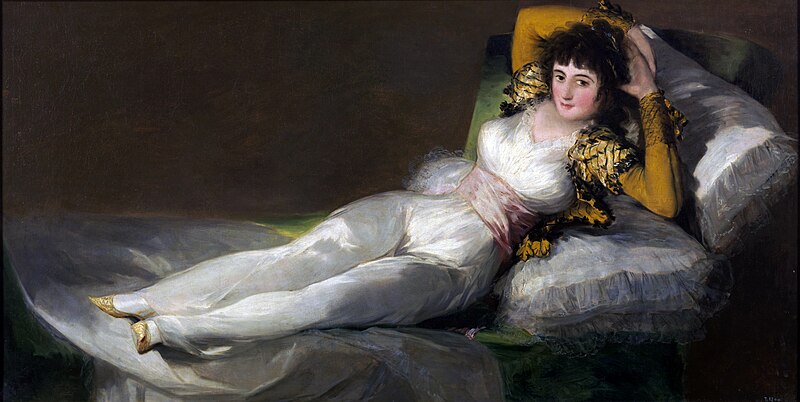
La maja vestida
Francisco de Goya

La maja desnuda
Francisco de Goya
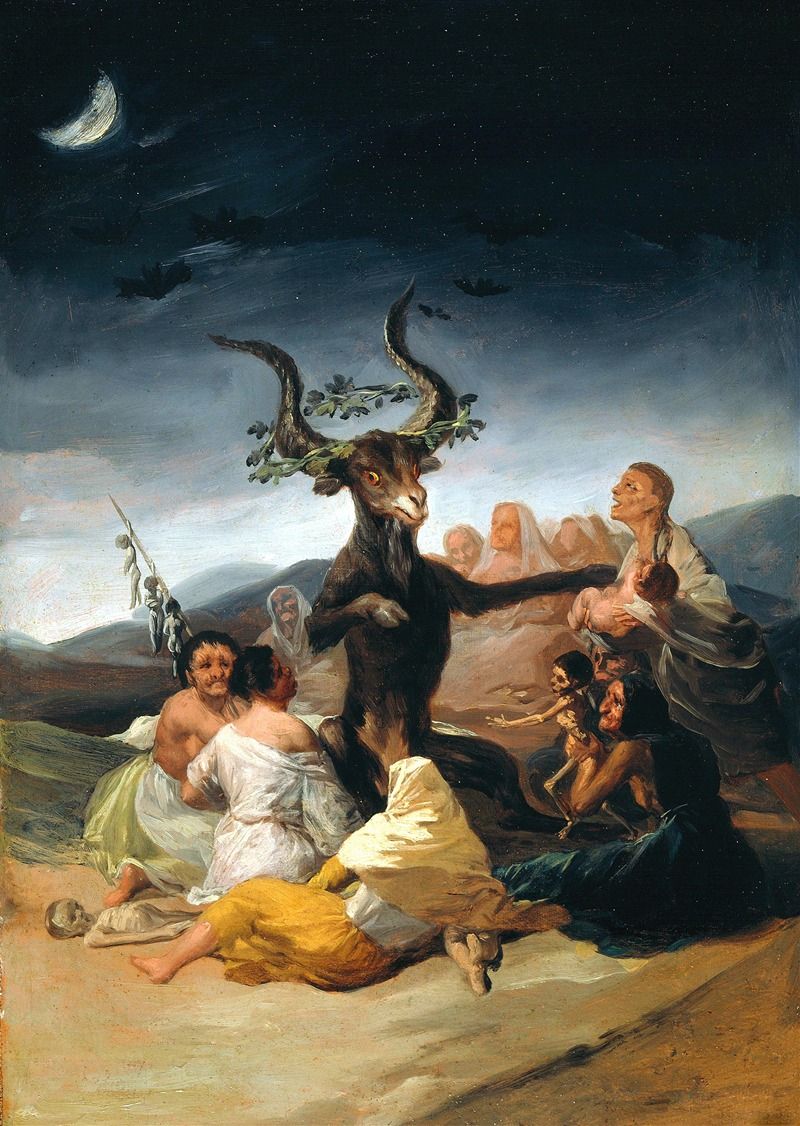
The Sabbath of witches
Francisco de Goya
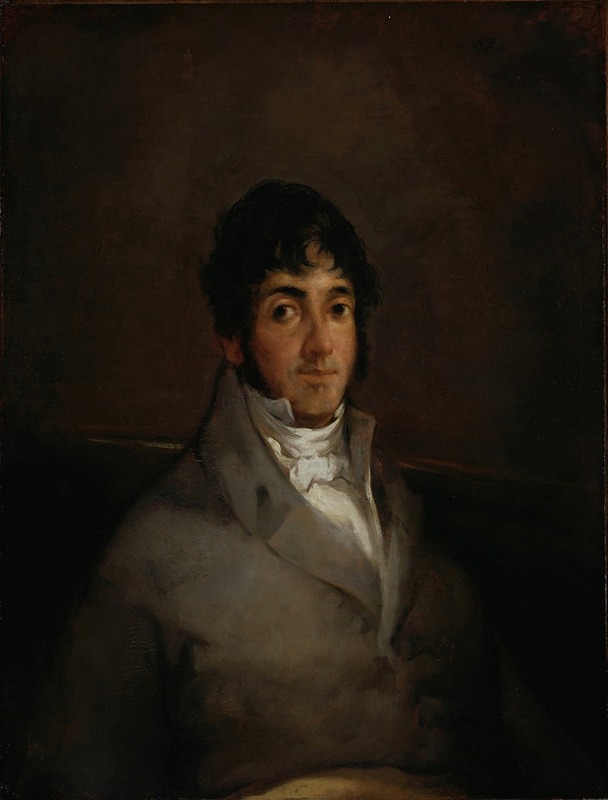
Portrait of Isidoro Maiquez
Francisco de Goya
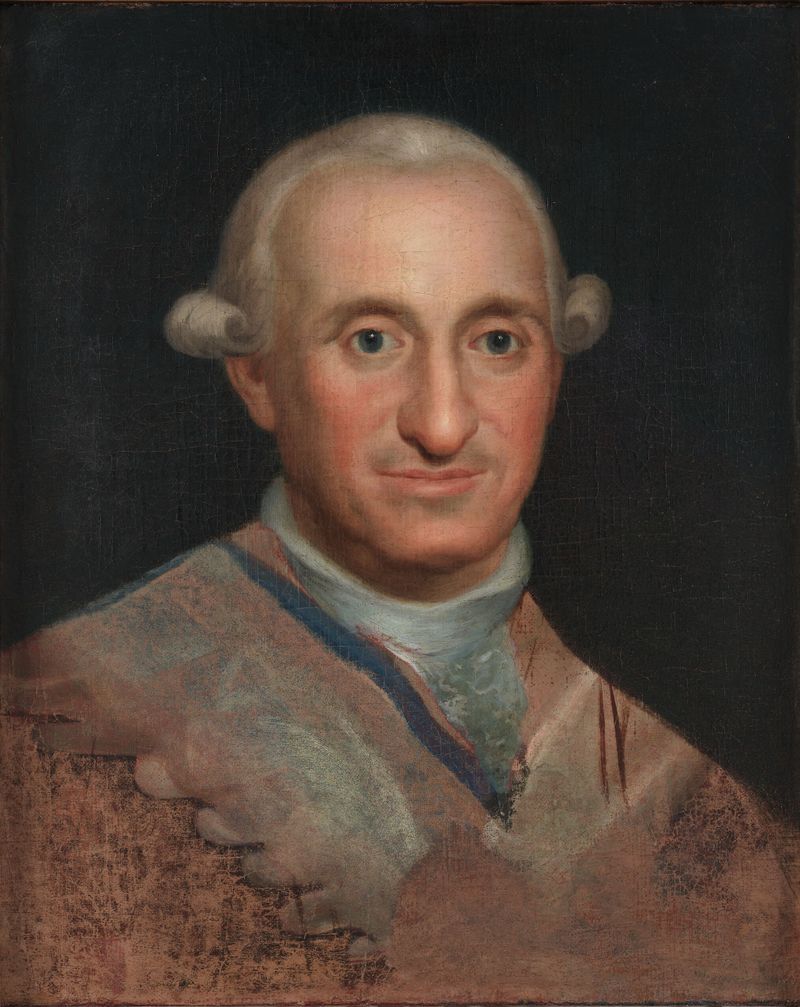
Charles IV, King of Spain
Francisco de Goya
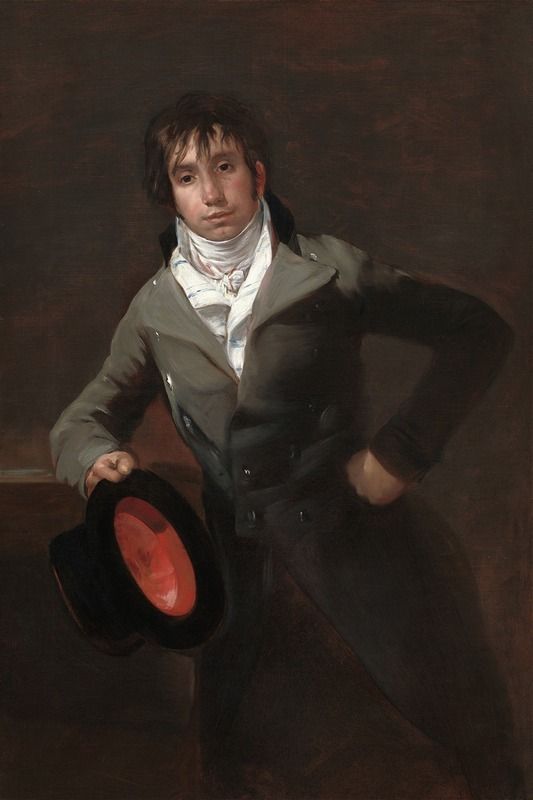
Bartolomé Sureda y Miserol
Francisco de Goya
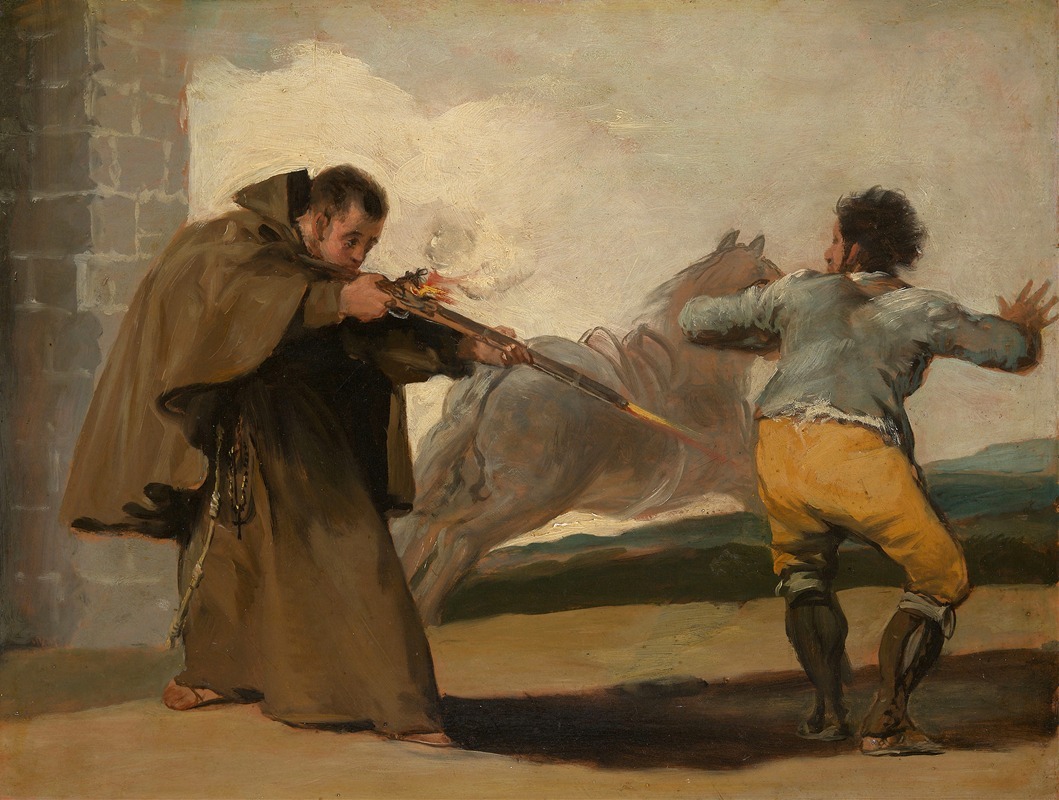
Friar Pedro Shoots El Maragato as His Horse Runs Off
Francisco de Goya




