
Adam and Eve — History & Facts
Adam and Eve is an oil on panel painting completed by Albrecht Dürer in 1507. The work was created during Dürer's mature period, following his return from Italy, and reflects his engagement with classical ideals of proportion and anatomy. This painting is among Dürer’s most significant explorations of the biblical theme of the Fall of Man, and it stands as a testament to his technical skill and intellectual interests at the beginning of the sixteenth century. The composition presents Adam and Eve as two life-sized, nude figures set against a dark, neutral background.
Adam stands on the left, holding a branch with an apple, while Eve is depicted on the right, grasping a fruit and accompanied by a serpent coiled around a tree trunk. Both figures are rendered with meticulous attention to anatomical detail, and their poses are reminiscent of classical sculpture. The lighting is even and soft, emphasizing the smoothness of their skin and the naturalistic textures of the foliage and ground.
The inclusion of the serpent and the apple directly references the biblical narrative of the original sin. The painting was executed in 1507, a period when Dürer was synthesizing Northern European detail with Italian Renaissance ideals. Adam and Eve has been recognized as an important example of Dürer’s ability to merge these traditions. The two panels are now in the Museo del Prado in Madrid.
More Artworks by Albrecht Dürer

Melancholia
Albrecht Dürer

St. George and the dragon.
Albrecht Dürer
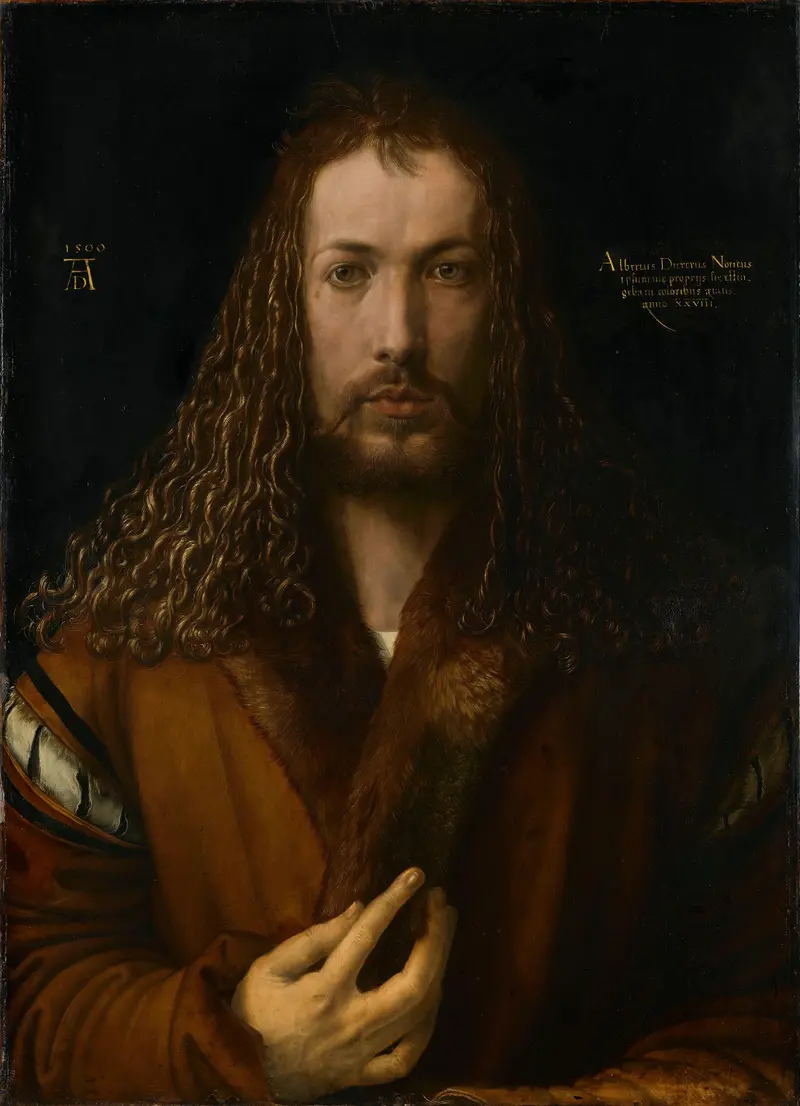
Self-Portrait with Fur-Trimmed Robe
Albrecht Dürer

Wing of a European Roller
Albrecht Dürer
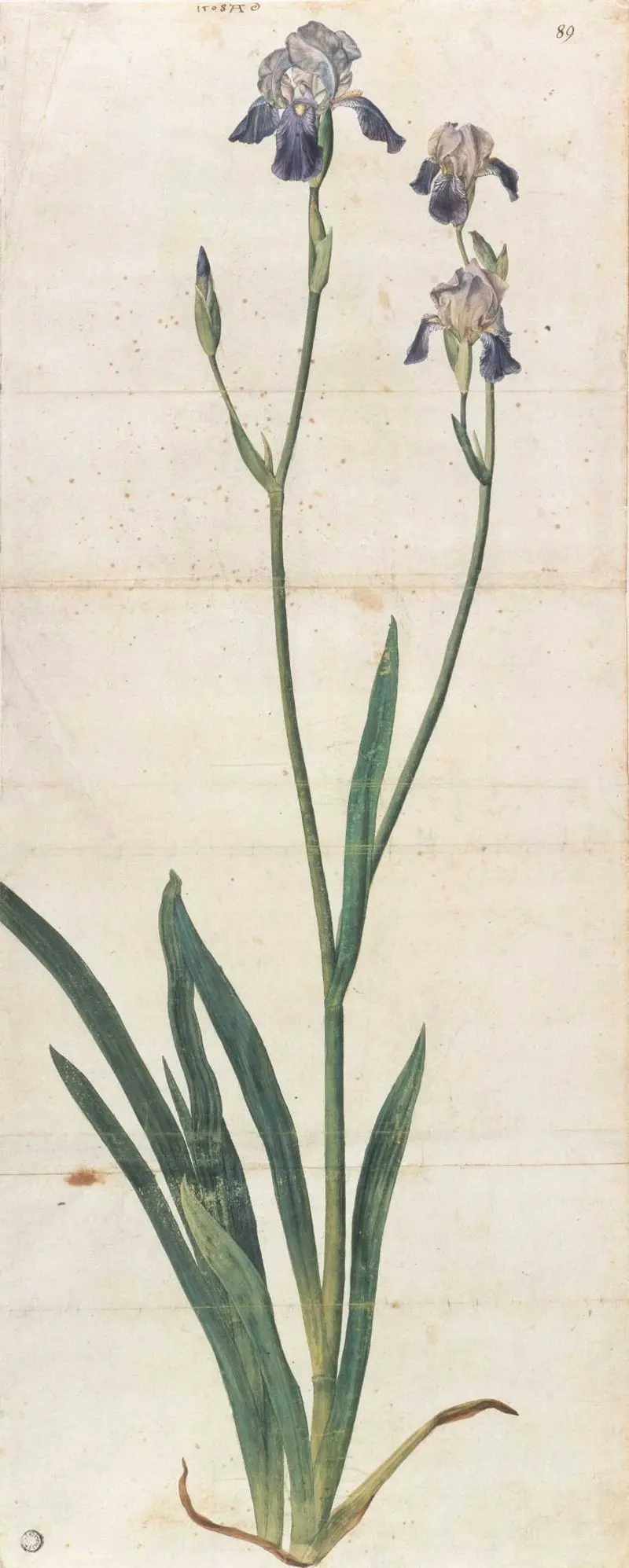
Iris
Albrecht Dürer

The Great Piece of Turf
Albrecht Dürer
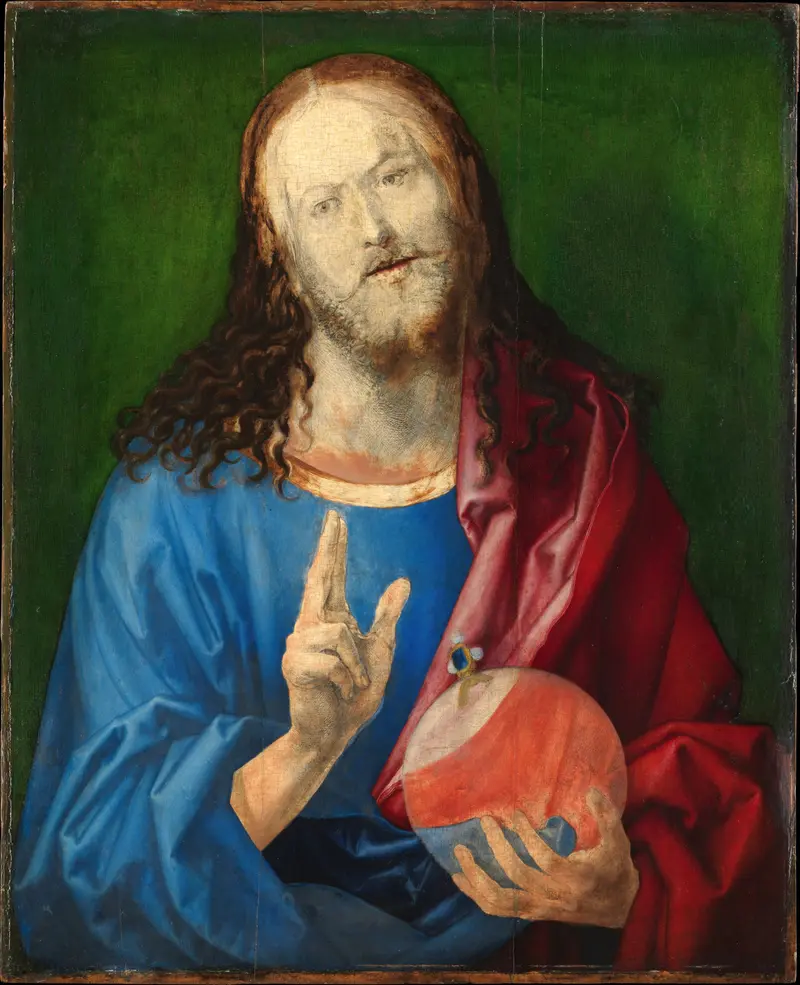
Salvator Mundi
Albrecht Dürer
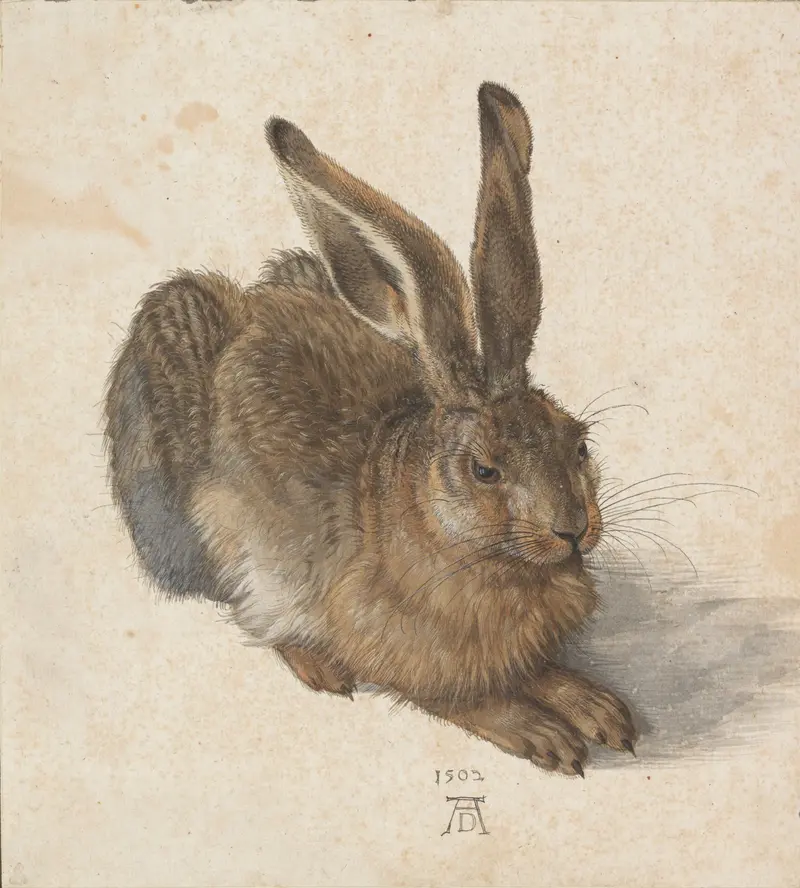
Young Hare
Albrecht Dürer
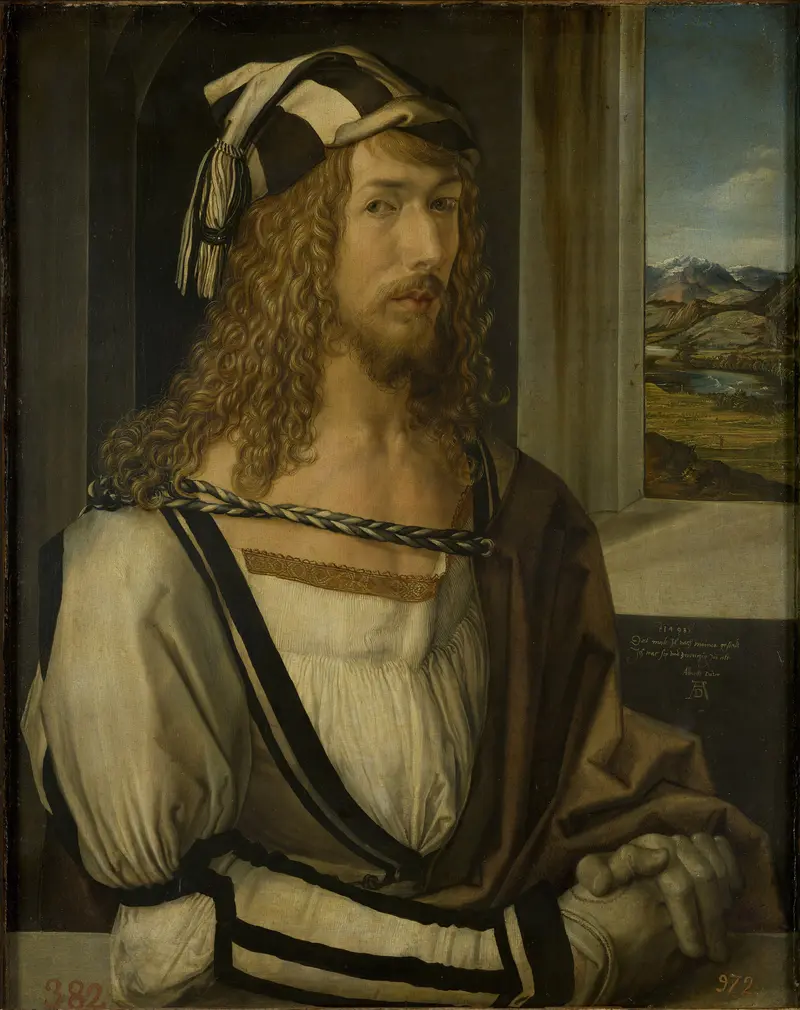
Self-portrait
Albrecht Dürer
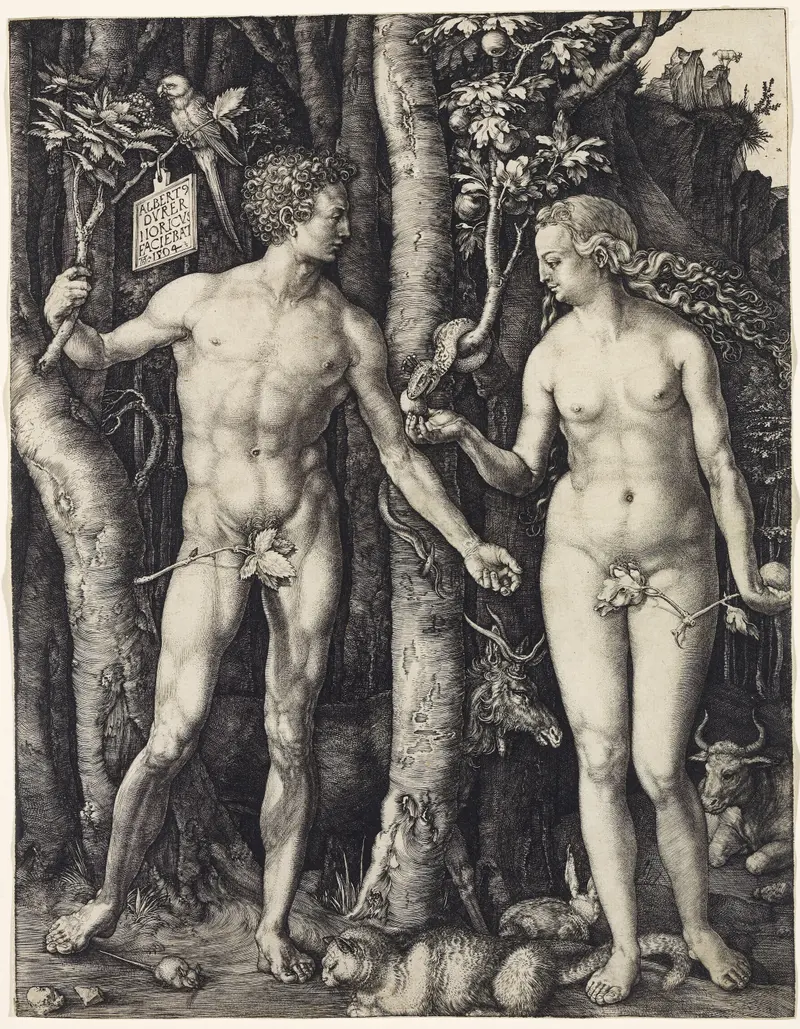
Adam and Eve (The Fall of Man)
Albrecht Dürer





