
Adoration of the Magi — History & Facts
When the Medici family commissioned a series of paintings for the convent of San Marco in Florence, they chose the Dominican friar and painter Fra Angelico to bring the sacred stories to life. Among these works, Adoration of the Magi stands out not just for its devotional purpose, but for its early and influential depiction of the Magi as travelers from distant lands. In the 1430s, Florence was a city alive with new ideas, and the arrival of the Magi—bearing gifts from the East—mirrored the city’s own fascination with foreign wonders and the expanding world. The scene captures the moment the three Magi kneel before the Christ Child, offering gold, frankincense, and myrrh.
Mary sits serenely, the infant Jesus on her lap, while Joseph stands protectively nearby. The Magi's richly patterned robes and exotic headgear signal their royal status and distant origins, while their gestures—one bowing deeply, another presenting a gift—emphasize humility before divinity. In the background, a retinue of attendants and horses waits, hinting at the grandeur of their journey.
Unlike the dramatic, crowded compositions of later artists like Sandro Botticelli, Fra Angelico’s version is intimate, focusing on the gentle exchange between the holy family and their visitors. The exact medium of Adoration of the Magi remains uncertain, though it is likely tempera on panel, typical for Florentine altarpieces of this era. Its original home was the convent of San Marco, where Fra Angelico’s paintings became an integral part of monastic life, intended to inspire meditation and prayer. Over the centuries, some works from the San Marco cycle were dispersed, but many—including this one—remain in Florence, now housed in the Museo di San Marco.
Fra Angelico’s approach, blending narrative clarity with spiritual warmth, would influence generations of Renaissance painters, securing his place as one of the period’s most admired artists.
More Artworks by Fra Angelico

Condemnation of St Lawrence by the Emperor Valerian
Fra Angelico
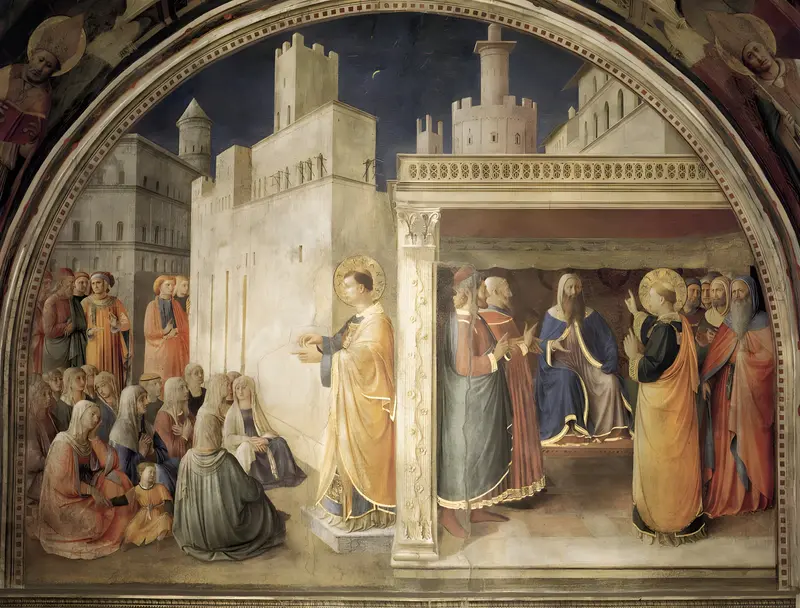
Lunette of the north wall
Fra Angelico
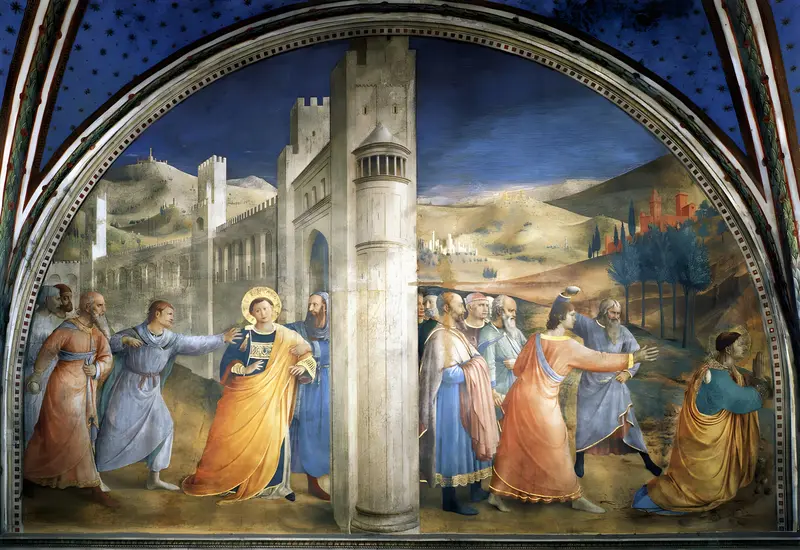
Lunette of the east wall in Niccoline Chapel
Fra Angelico
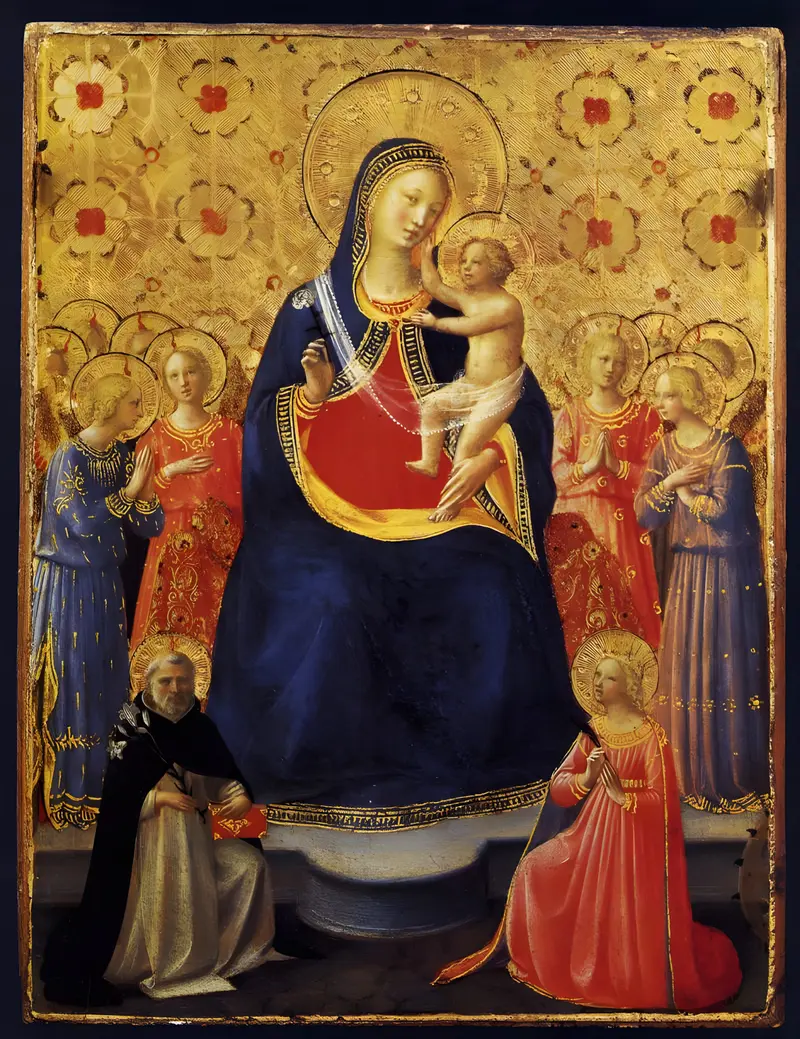
Madonna and Child Enthroned with Nine Angels and Saints Dominic and Catherine of Alexandria
Fra Angelico
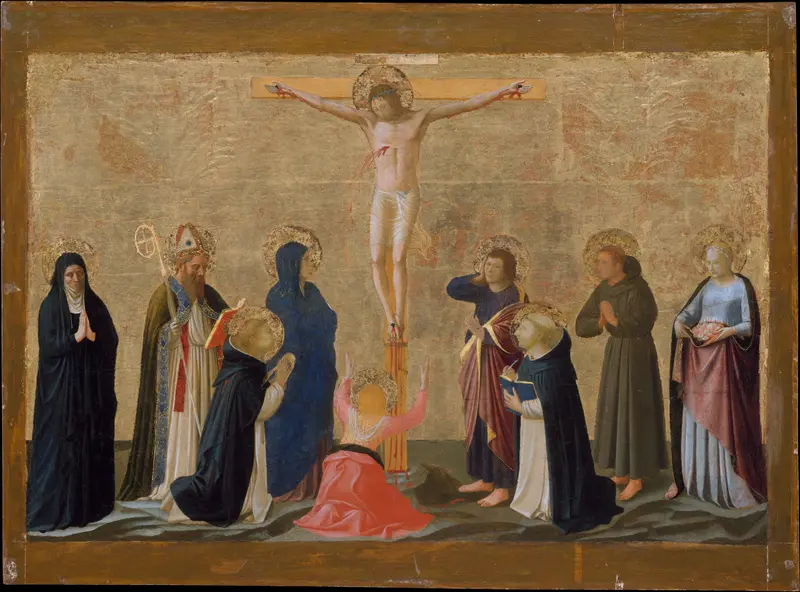
The Crucifixion
Fra Angelico
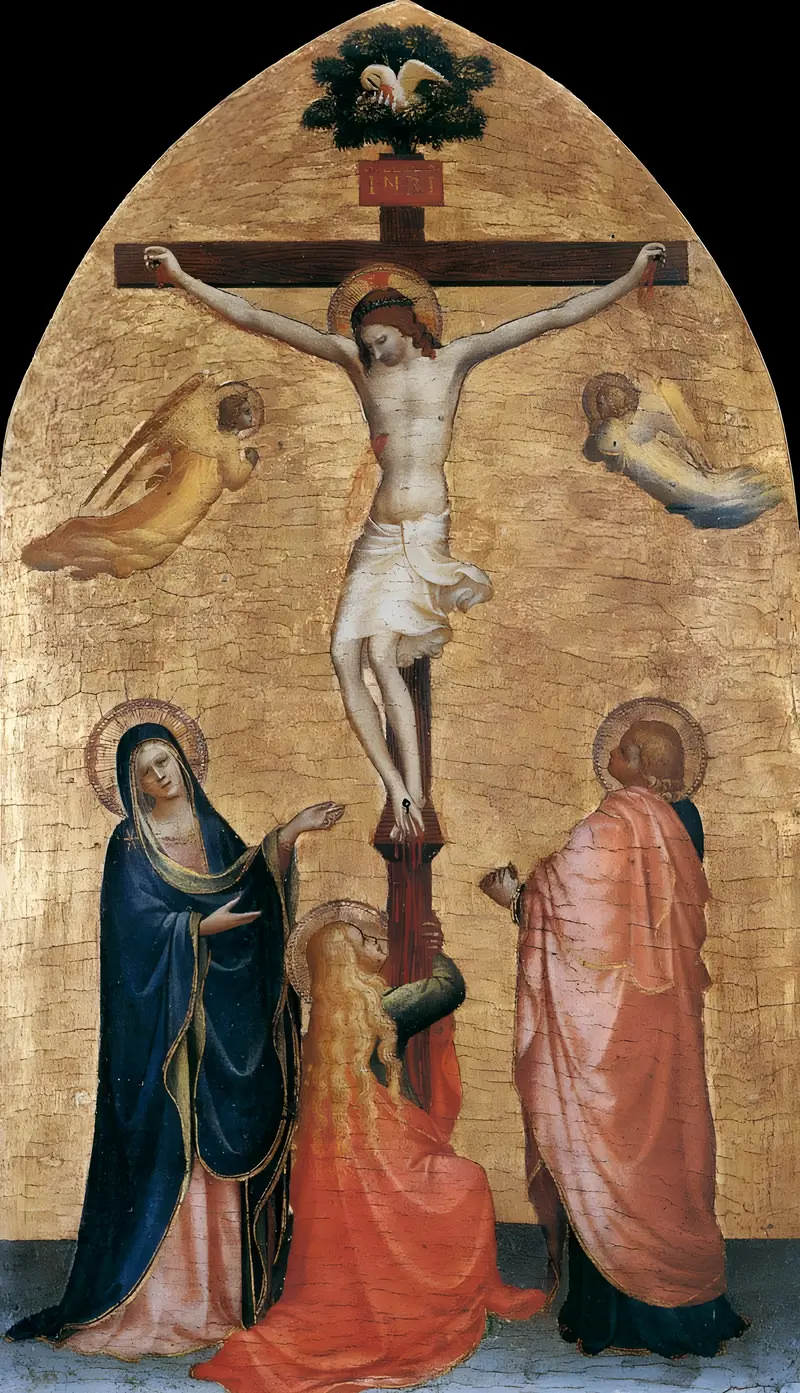
Crucifixion with the Virgin, John the Evangelist, and Mary Magdelene
Fra Angelico
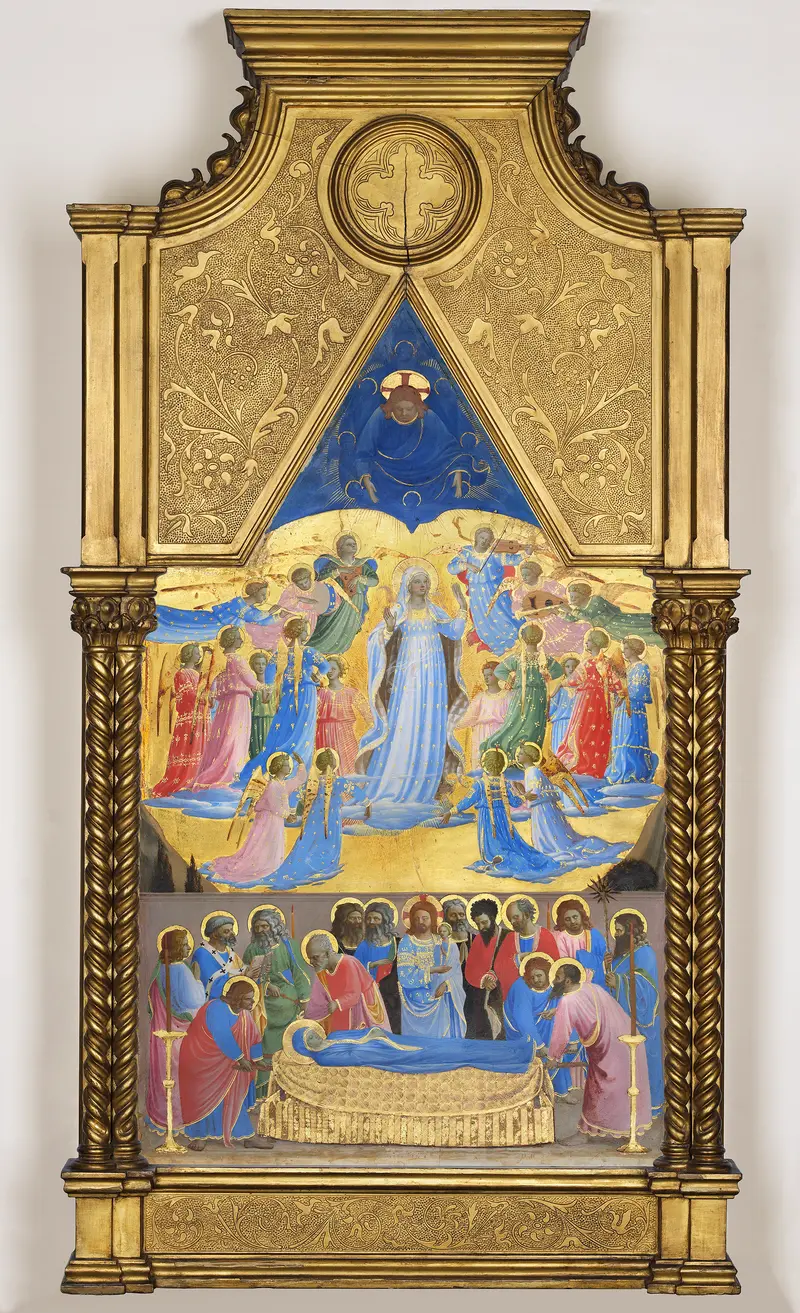
Dormition and Assumption of the Virgin
Fra Angelico
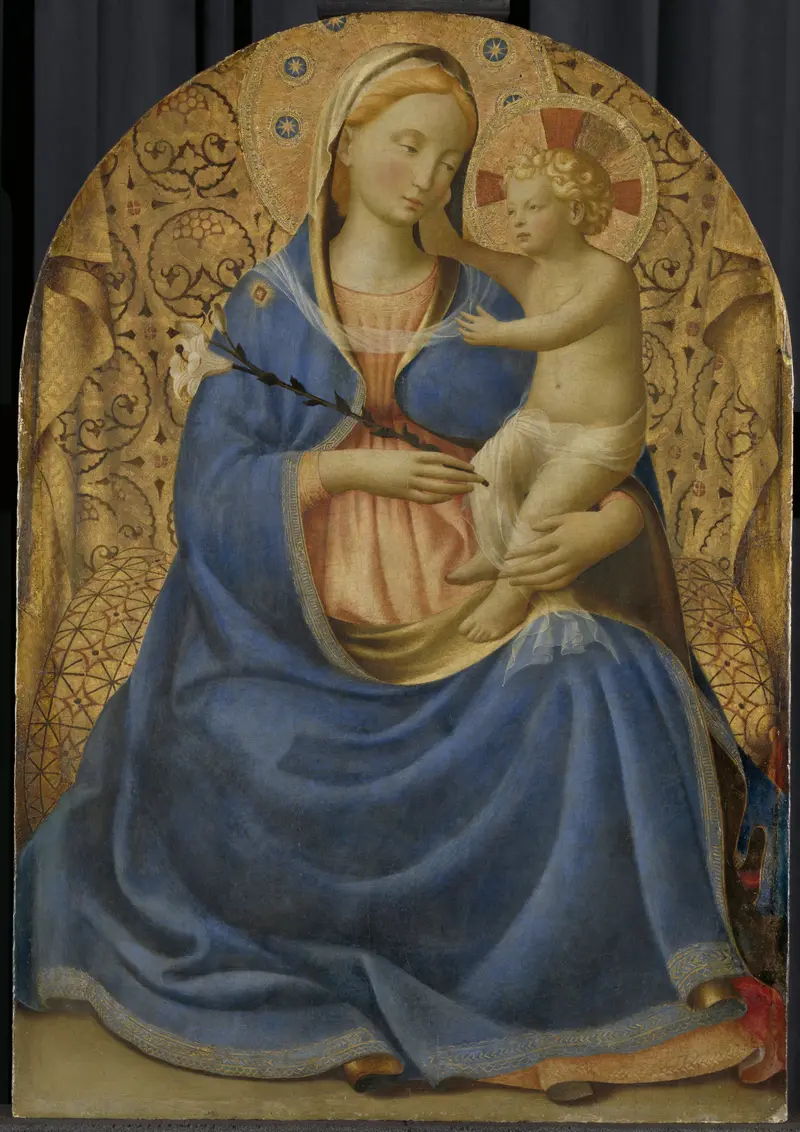
Madonna of Humility
Fra Angelico
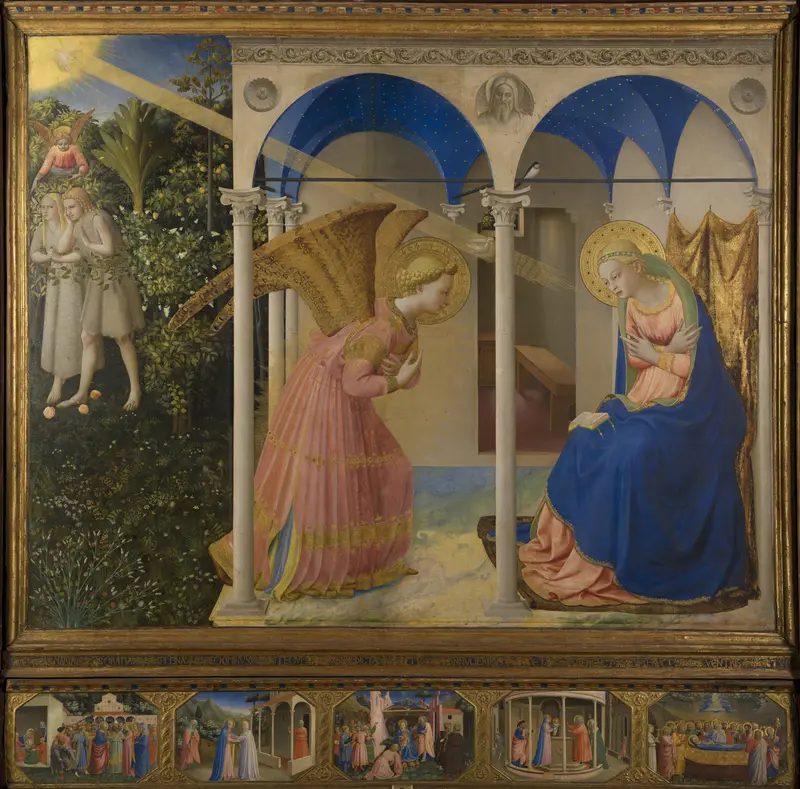
The Annunciation
Fra Angelico

Saint Anthony Abbot
Fra Angelico





