
Madonna and Child Enthroned with Nine Angels and Saints Dominic and Catherine of Alexandria — History & Facts
When Fra Angelico painted Madonna and Child Enthroned with Nine Angels and Saints Dominic and Catherine of Alexandria around 1435, he was at the heart of a quiet revolution in Florentine art. This altarpiece stands out as one of the earliest works in which Fra Angelico experimented with a more naturalistic treatment of space and light, moving away from the rigid gold backgrounds of earlier Gothic tradition. Its composition, rich with figures and gentle radiance, marks a pivotal moment when religious painting began to embrace the human warmth and spatial depth that would define the Early Renaissance.
The painting’s original location remains uncertain, but its scale and iconography suggest it was likely commissioned for a Dominican setting, reflecting the artist’s own ties to the order. At the center, the Virgin Mary sits serenely on an elaborate throne, the Christ Child perched on her lap, blessing the viewer. Flanking them are Saints Dominic and Catherine of Alexandria, each identified by their attributes: Dominic with his star and lily, Catherine with her martyr’s wheel and regal crown. Nine angels, arrayed in luminous robes, cluster around the throne, their gazes and gestures drawing the viewer’s eye upward and inward.
The gold leaf still visible in the halos and throne recalls medieval traditions, but the tender interaction between mother and child, and the individualized faces of the saints, point to a new concern for emotional realism. Compared to Masaccio’s more austere Madonna and Child, Fra Angelico’s vision is gentler, suffused with a sense of celestial harmony. The precise journey of this painting through the centuries is not fully documented, a common fate for many early Renaissance altarpieces. It is generally accepted that the work was created during Fra Angelico’s prolific period in Florence, before his move to Rome in the late 1430s.
While its original patron remains unknown, the inclusion of Saint Dominic hints at a Dominican commission, possibly for a convent or chapel. Over time, the painting has been admired for its delicate balance of tradition and innovation, and today it is recognized as a key work in the transition from medieval to Renaissance art. Its current home in a museum collection ensures that viewers can still experience the quiet radiance that made Fra Angelico’s name revered in his own lifetime.
Sources: Wikidata Q116600697 · Image source (Wikimedia Commons)
More Artworks by Fra Angelico

Condemnation of St Lawrence by the Emperor Valerian
Fra Angelico
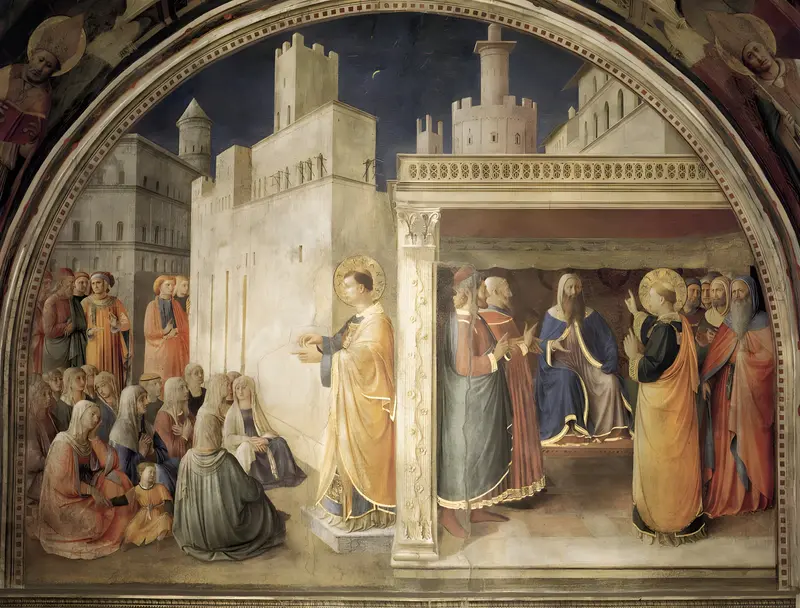
Lunette of the north wall
Fra Angelico
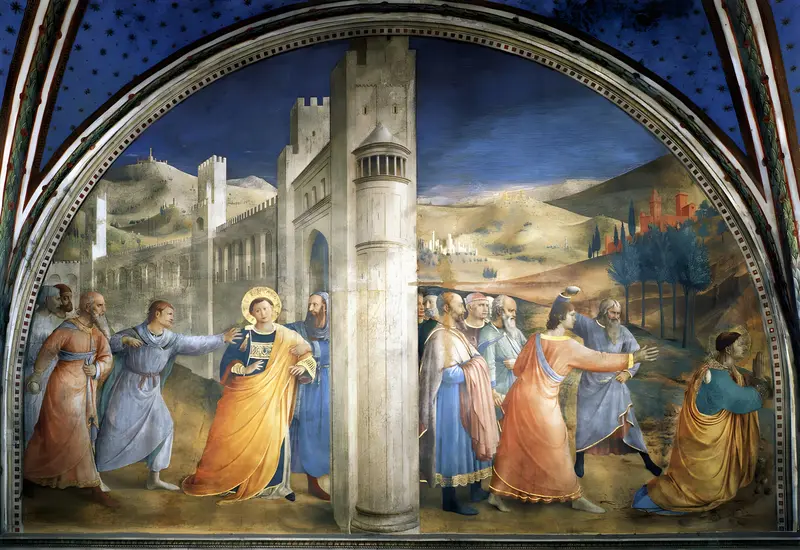
Lunette of the east wall in Niccoline Chapel
Fra Angelico
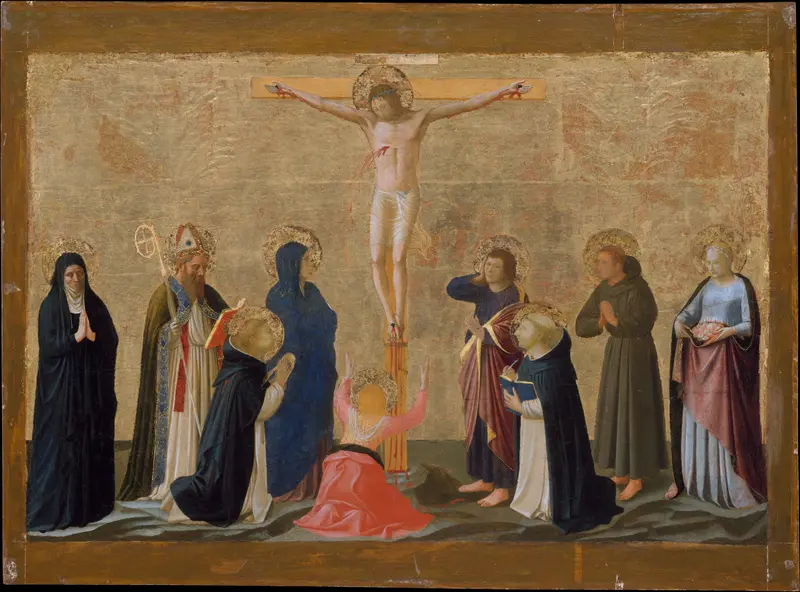
The Crucifixion
Fra Angelico
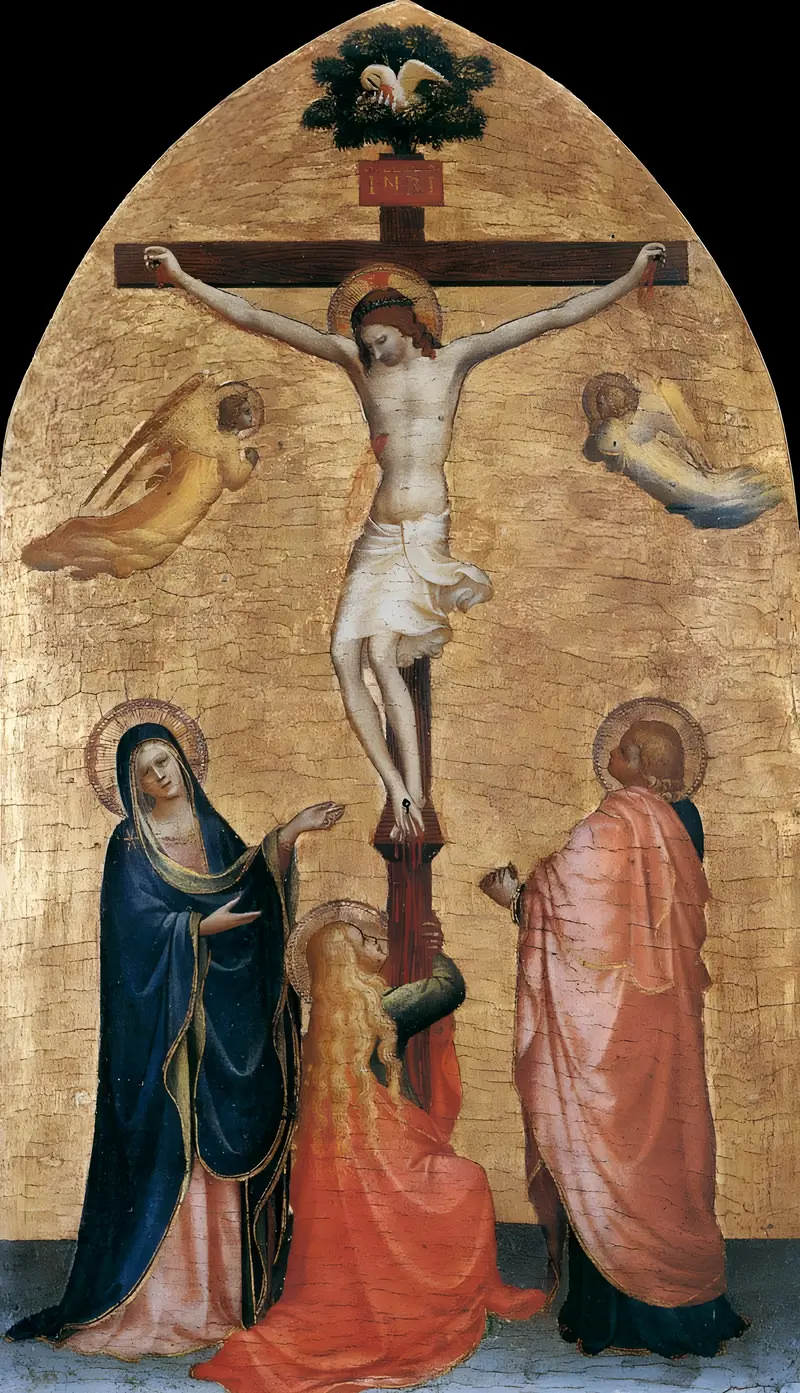
Crucifixion with the Virgin, John the Evangelist, and Mary Magdelene
Fra Angelico
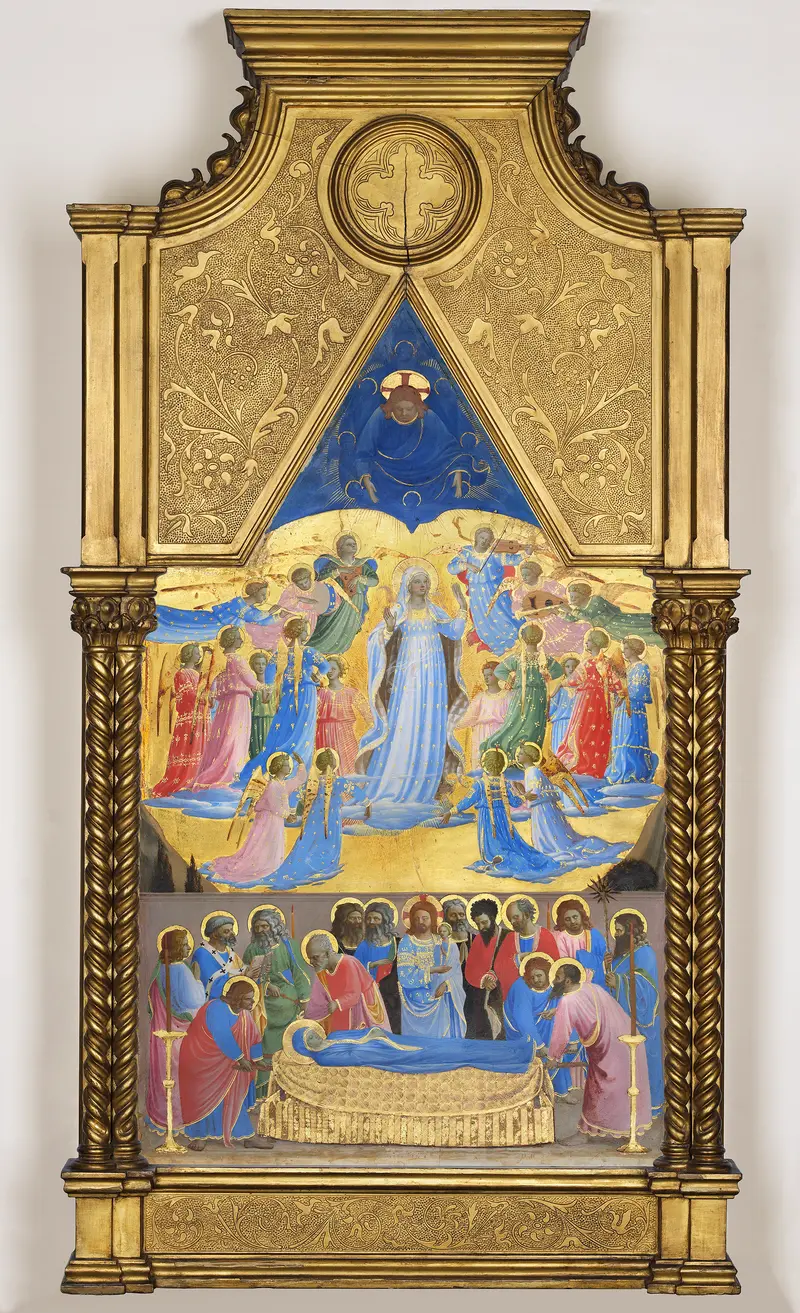
Dormition and Assumption of the Virgin
Fra Angelico
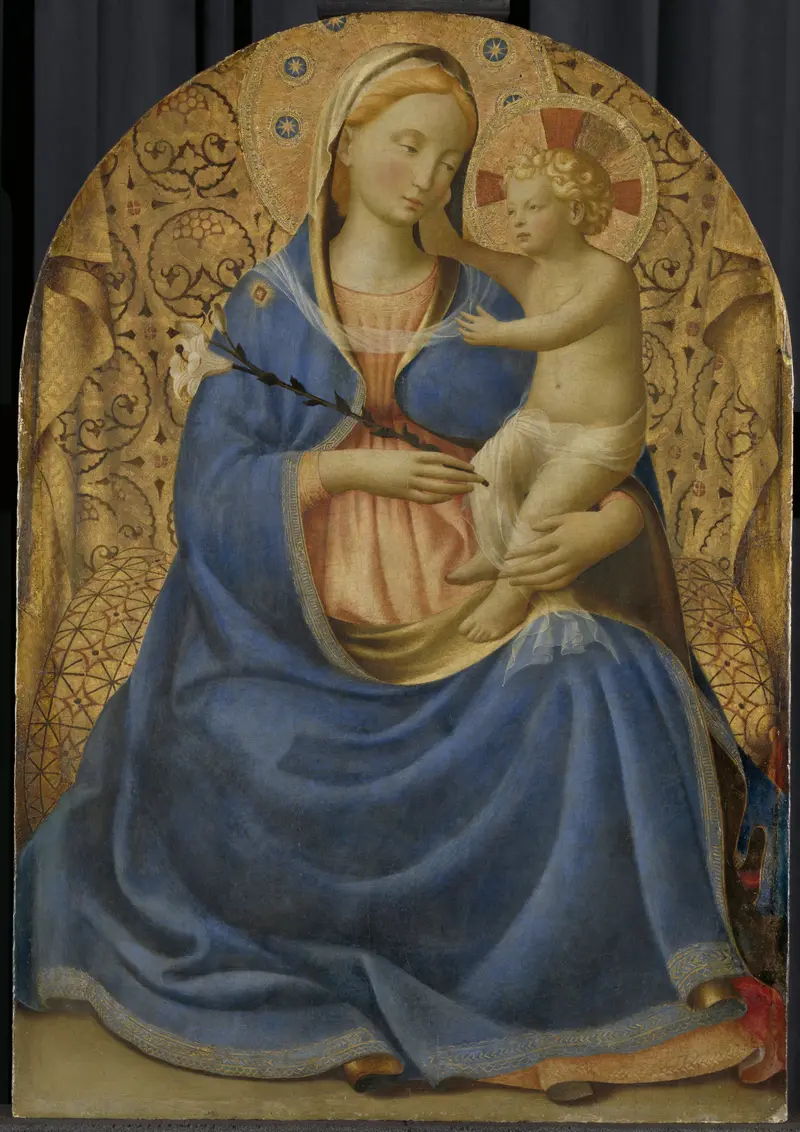
Madonna of Humility
Fra Angelico
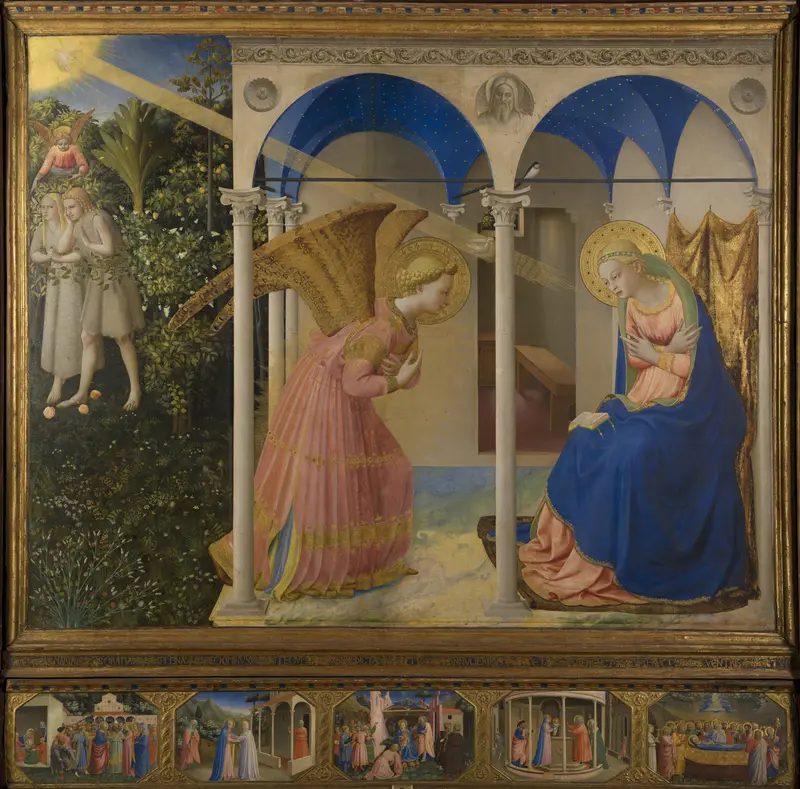
The Annunciation
Fra Angelico

Saint Anthony Abbot
Fra Angelico
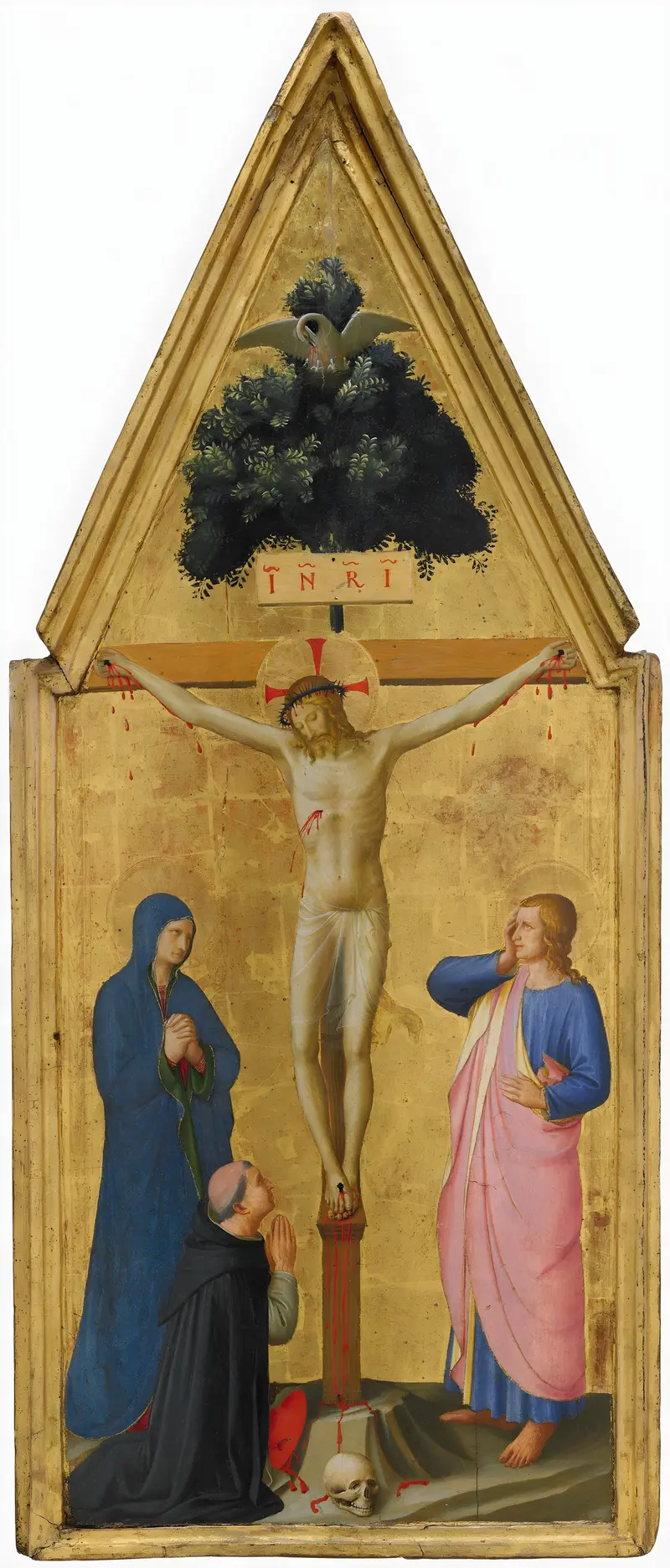
Christ on the Cross, the Virgin, Saint John the Evangelist, and Cardinal Torquemada
Fra Angelico





