
Adriaen Cornelisz (van der) Salm Driemast galjoot in volle zee P1223 Maritime Museum Rotterdam — History & Facts
A single ship claims the center of this pale, wind-swept sea, its three masts taut with canvas and its hull braced against the rolling waves. The artist’s hand, sparing and precise, draws the viewer’s eye first to the dark, crowded deck, then outward to the tiny boat bobbing at its side—a moment of connection between the world of men and the vast, indifferent ocean. The low horizon grants the sky a commanding presence, its emptiness punctuated only by the faint outlines of distant ships, as if to remind us of the loneliness and ambition of maritime life.
The palette is almost monochrome, the sepia lines and washes lending the scene a sense of memory or record, rather than spectacle. Every detail, from the careful rigging to the churn of the water, signals not drama but the steady business of seafaring. Works like this, created in the late seventeenth century, belong to a world where the Dutch Republic’s fortunes were built on mastery of the sea. Maritime scenes were not merely decoration—they were documents of pride, tools of navigation, and sometimes tokens of personal or commercial achievement.
The period between 1675 and 1700, when this piece entered the world, saw the Netherlands at the height of its naval and trading power, and artists responded with images that balanced technical accuracy with the poetry of daily labor. Today, this painting resides in the Maritime Museum Rotterdam, a fitting home for a work whose quiet authority invites us to look closer, and to imagine the stories carried by every ship on the horizon.
More Artworks by Abraham Salm
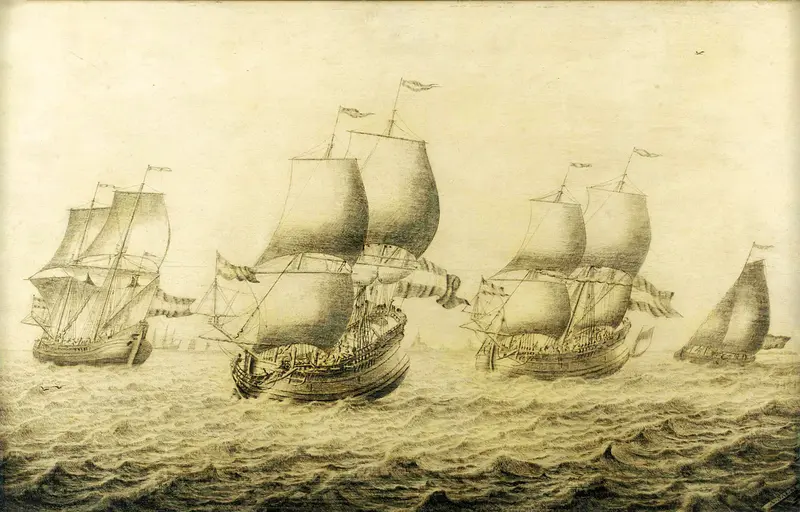
A Fleet of Whalers
Abraham Salm
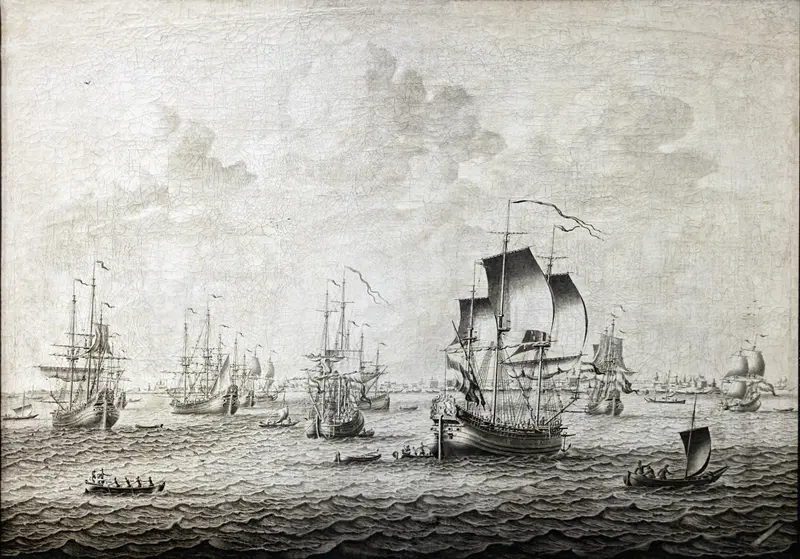
Marine with calm Sea
Abraham Salm
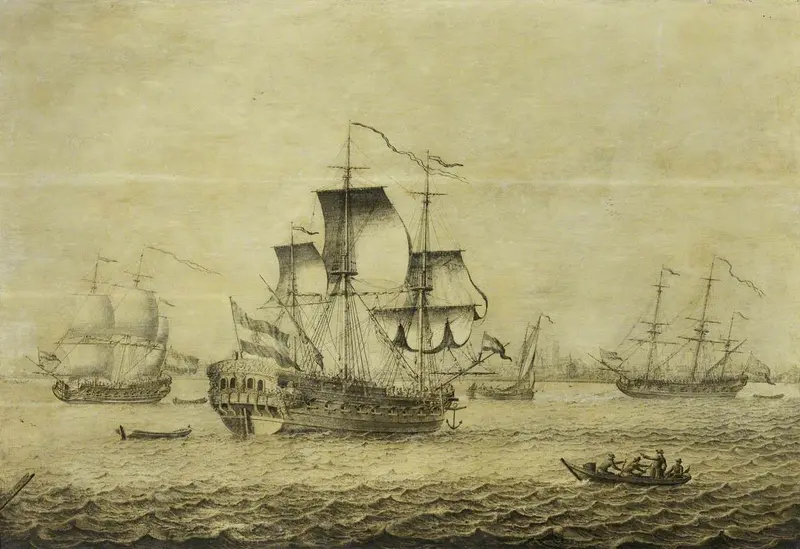
A Dutch frigate off Rotterdam
Abraham Salm

A DUTCH MAN-OF-WAR WITH A FLOTILLA OF FISHING BOATS AND OTHER SHIPS: A PENSCHILDERIJ
Abraham Salm
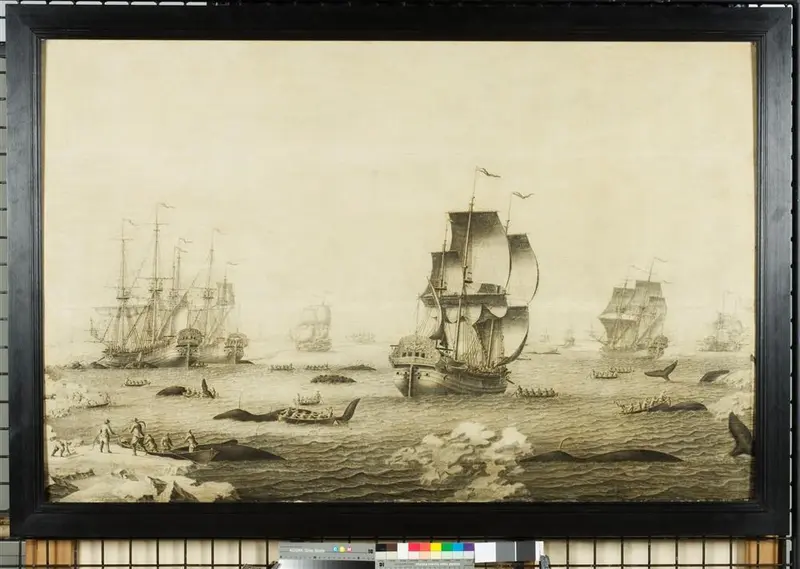
Adriaen Cornelisz (van der) Salm Walvisvaarders in bedrijf P1293 Maritime Museum Rotterdam
Abraham Salm
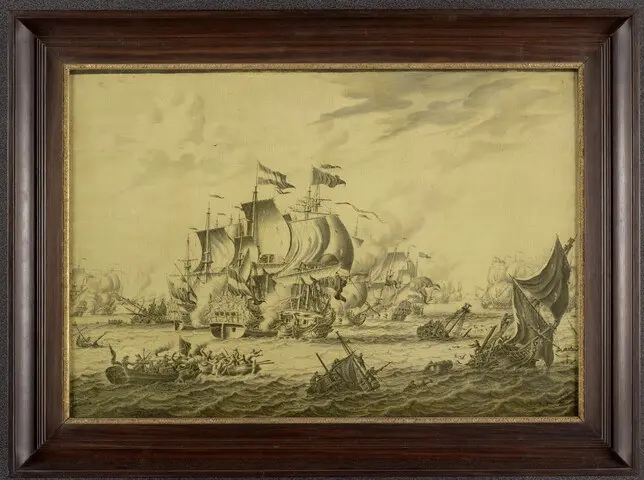
Adriaen Cornelisz. van Salm Een zeegevecht tussen Nederlandse, Engelse, en Franse oorlogsschepen A.2766 Het Scheepvaartmuseum
Abraham Salm
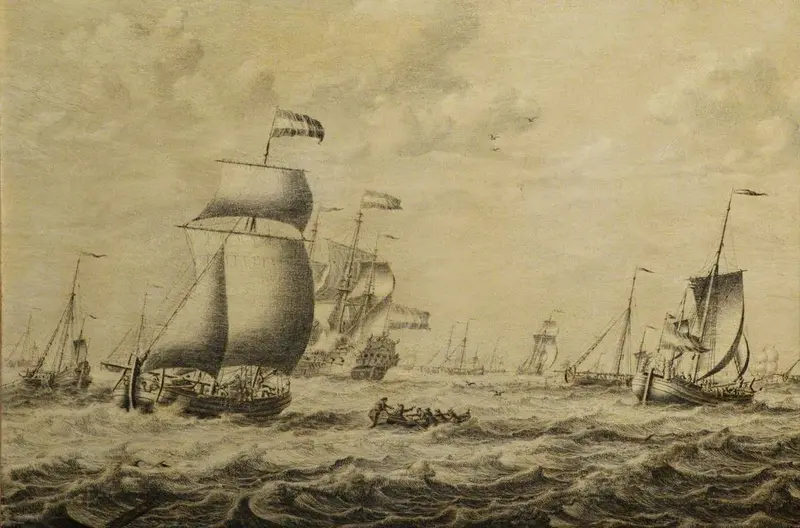
Dutch herring fishery
Abraham Salm
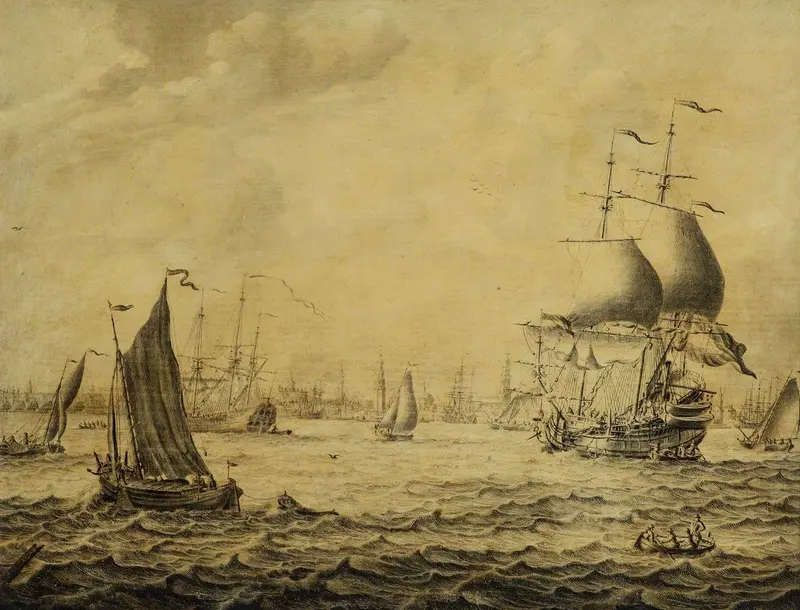
Dutch merchantmen and small craft in a roadstead
Abraham Salm
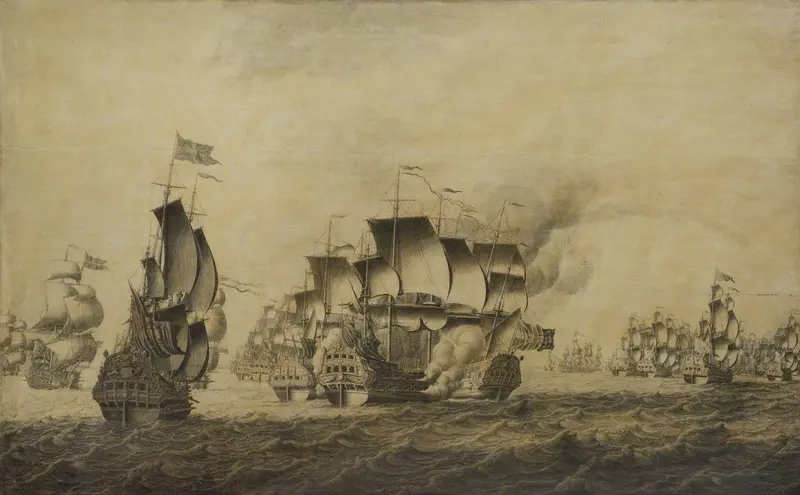
Forbin's Attempt Against Scotland, 13 March
Abraham Salm

Abraham van Salm Een walvisvaarder en twee fluitschepen A.4152 Het Scheepvaartmuseum
Abraham Salm





