African Beach — History & Facts
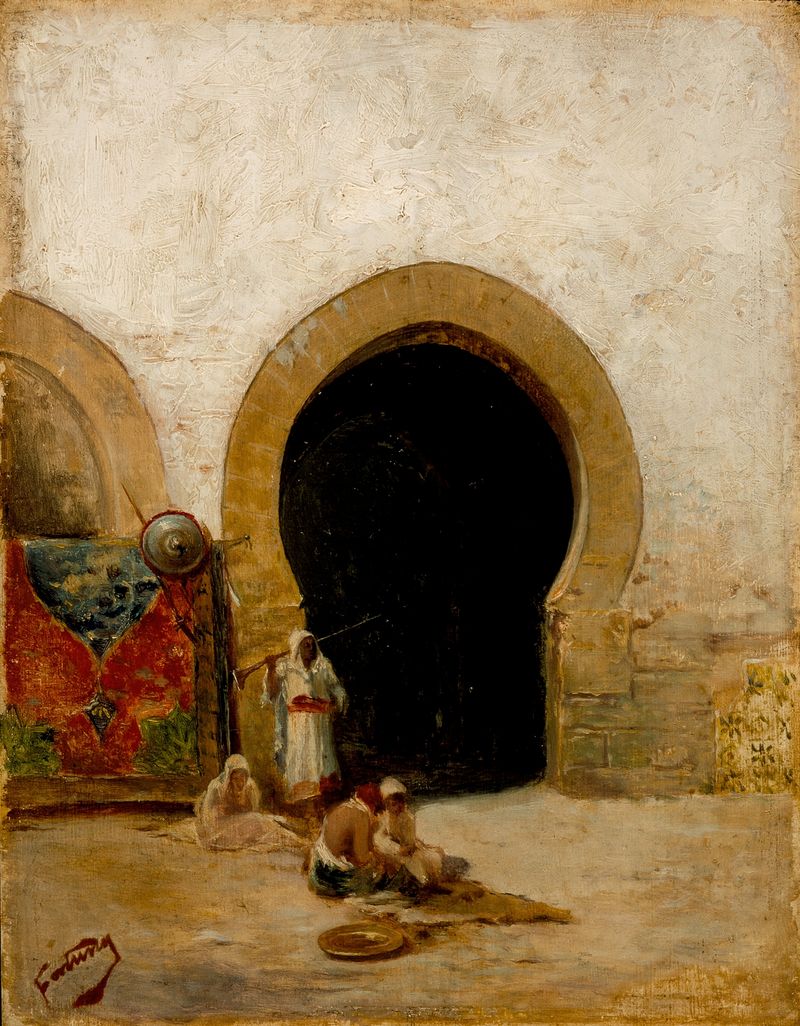
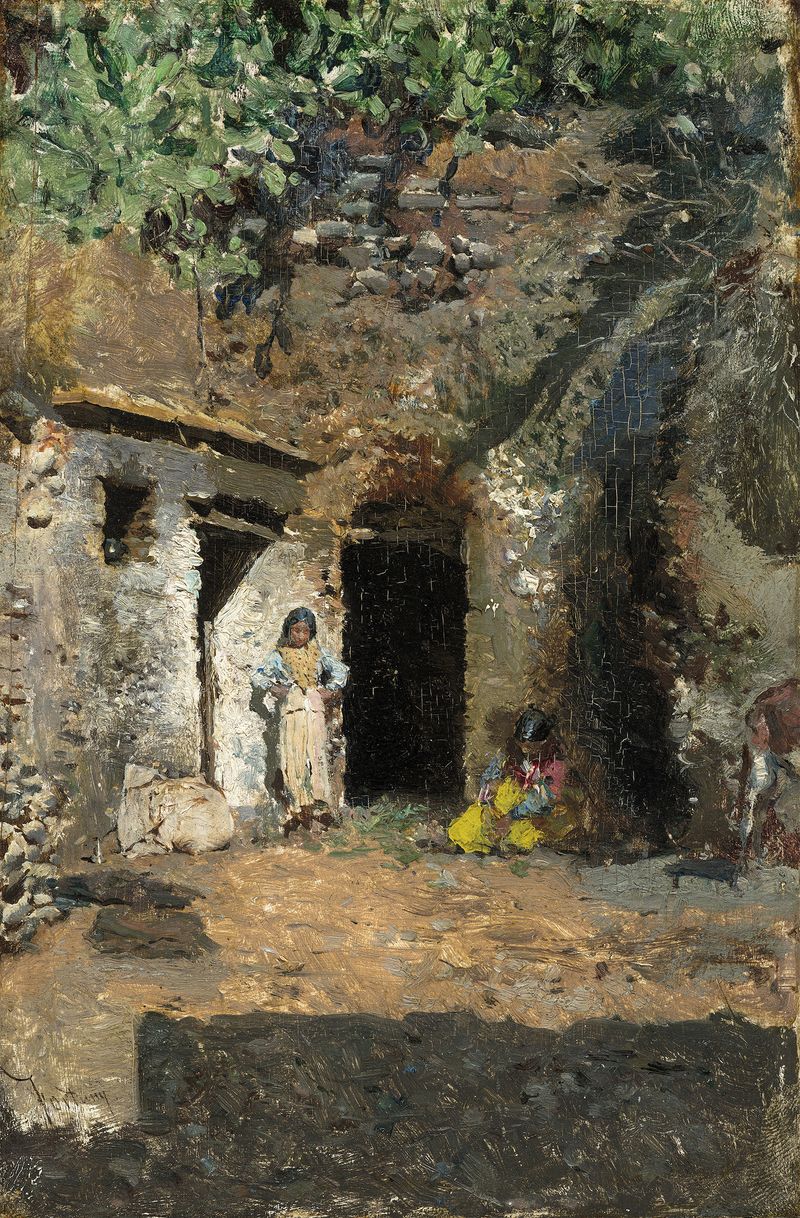
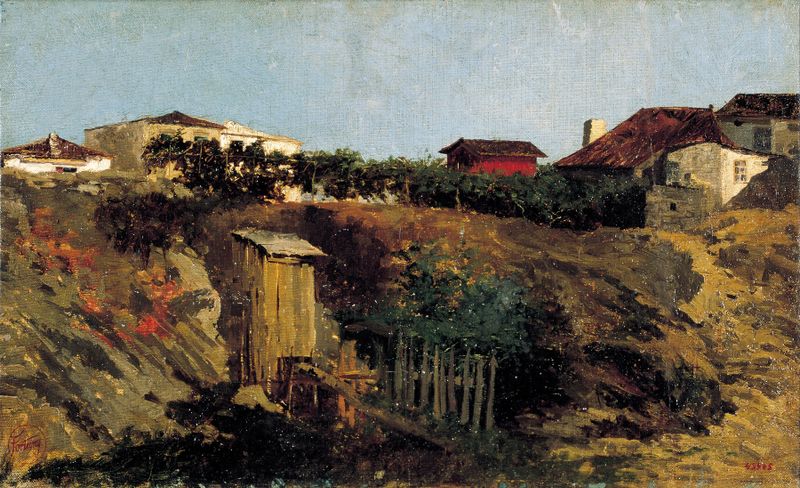
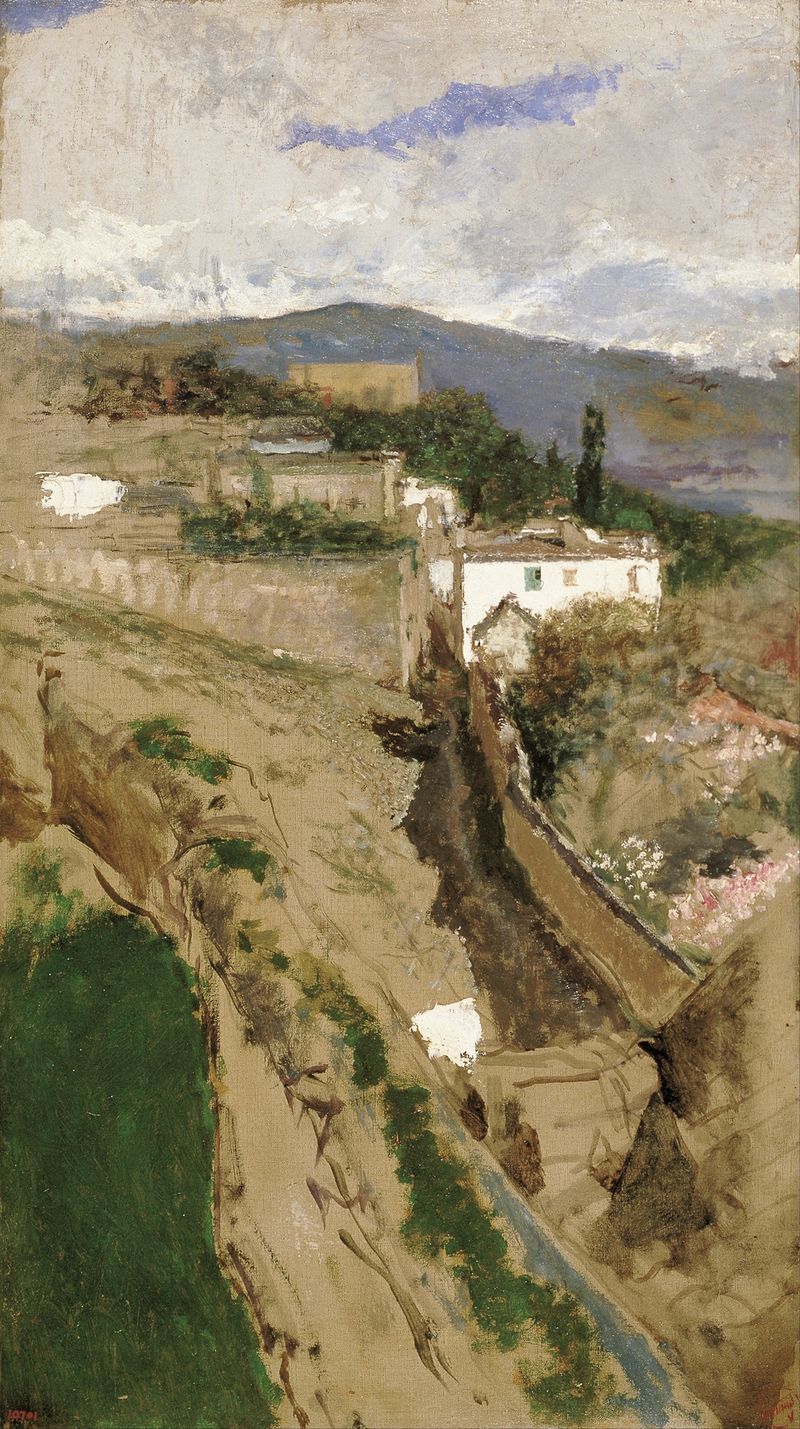
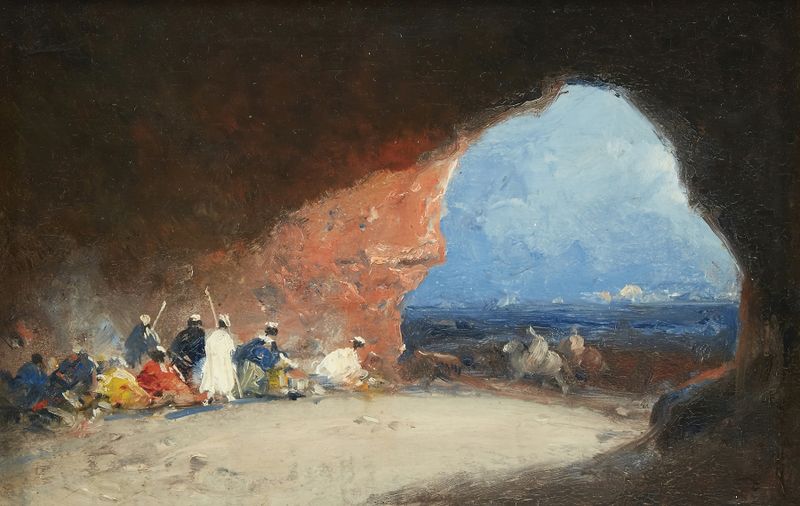
What secret hides in the quiet of the canvas? The allure of an unseen obsession lingers in the air, urging one to explore the depths of human experience and nature’s elegance. Look to the left where the gentle curve of the shoreline meets the horizon, framed by the warm embrace of golden sand. The sun, a vibrant orb, spills its amber light onto the figures relaxing under the palm trees, casting elongated shadows that dance lightly upon the ground. Notice the fluid brushwork reflecting the rhythm of the waves, as the artist captures a moment suspended in time — serenity juxtaposed with a touch of hidden longing. Delve deeper into the faces of the beachgoers, each one telling a silent story.
The contrast between the vivid colors of their clothing and the cool, serene tones of the sea hints at an inner world of emotion; leisure is tinged with contemplation. There’s an unspoken connection among the figures, suggesting an obsession with the ephemeral beauty of the scene — a fleeting moment that begs to be held. In 1867, the artist found himself in the throes of a transformative period in his career, painting in Morocco and drawing inspiration from the vibrant life and landscapes around him. This period marked a departure from traditional European styles, as he embraced the rich color palette and exoticism that would define his work.
The world was in flux, and beneath the surface of tranquility in African Beach, one can sense the artist's own search for meaning amid the beauty that enveloped him.