Granada Landscape — History & Facts
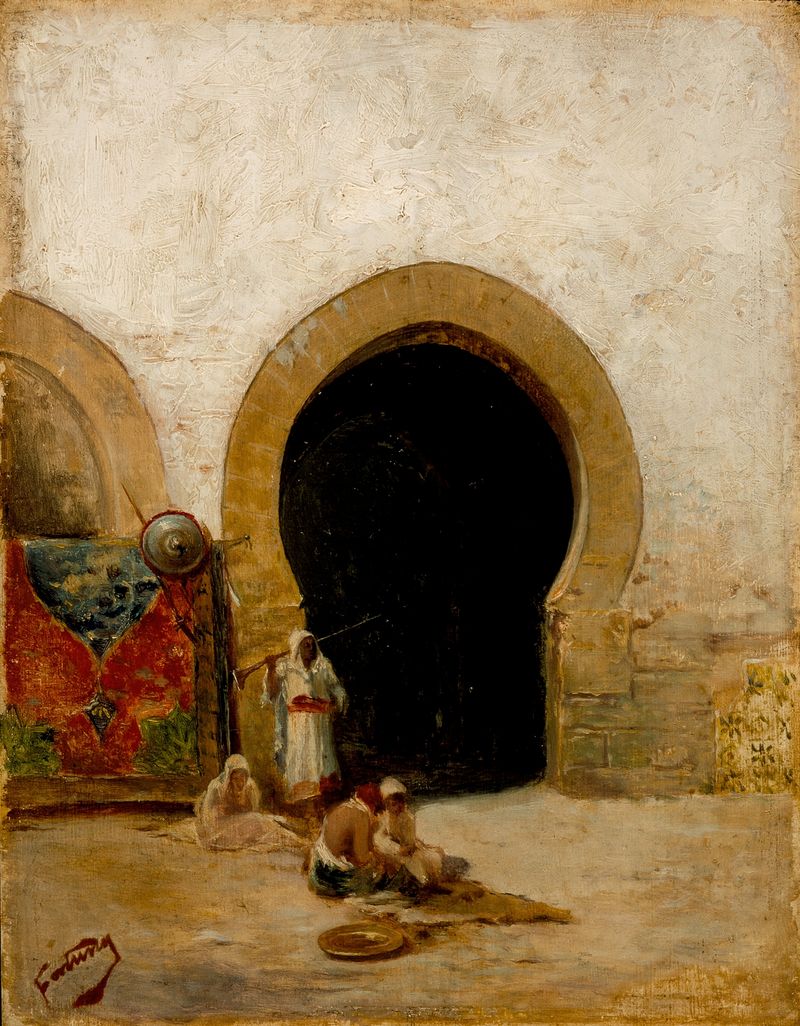
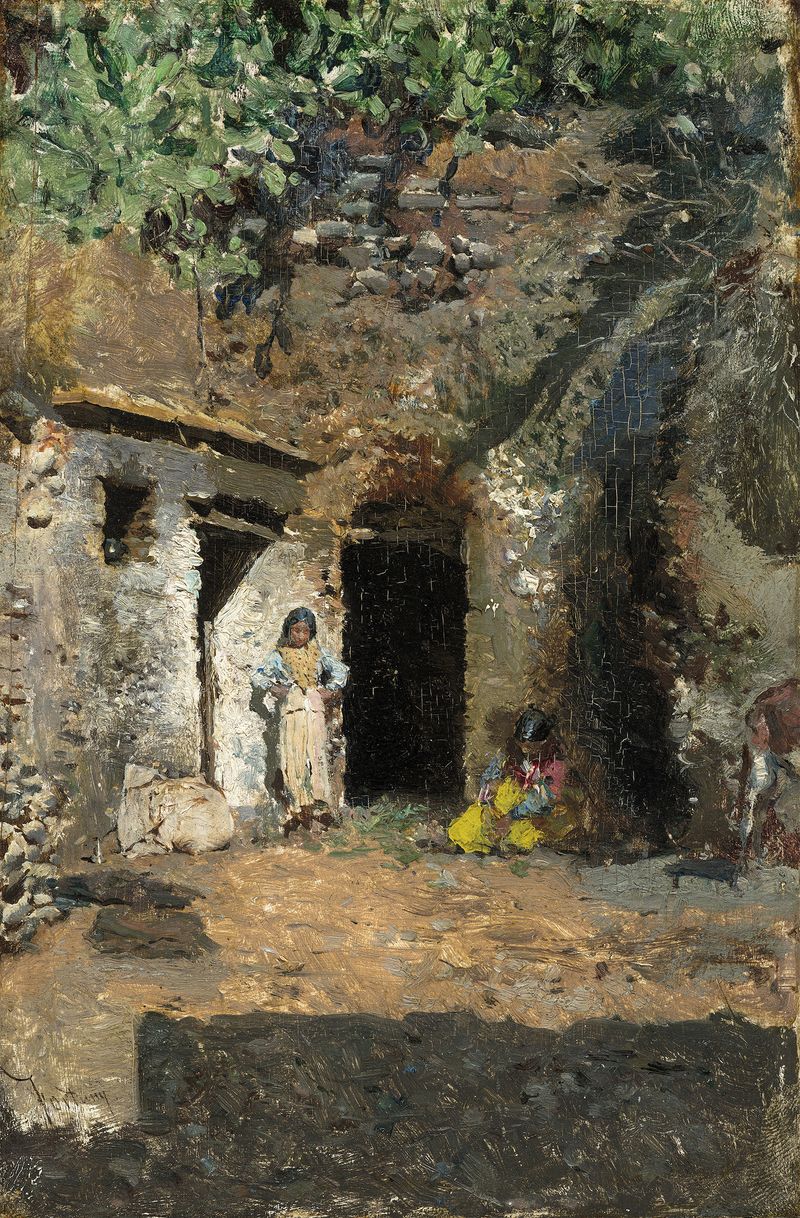
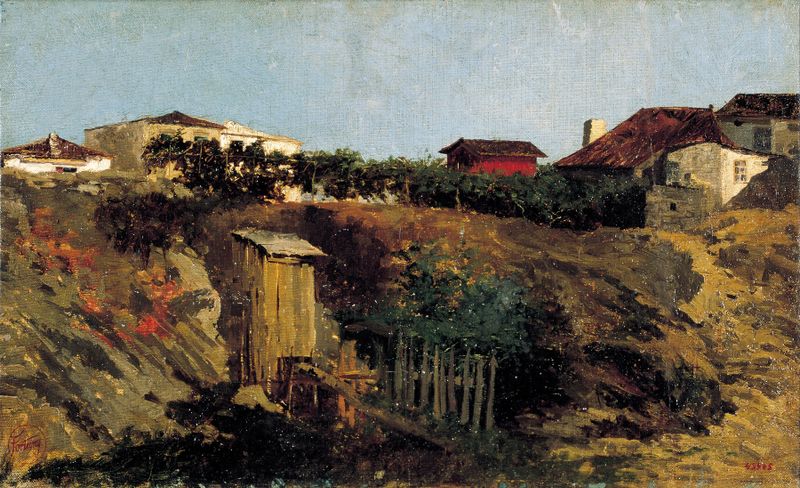
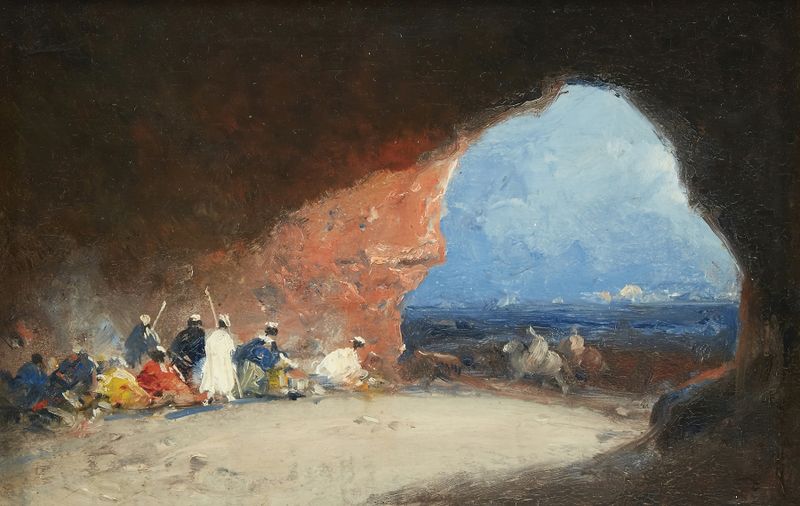
Each stroke on the canvas serves as a tender whisper of innocence, capturing the ephemeral beauty of life. Look to the foreground, where the lush greens of the landscape unfurl under the warm embrace of sunlight. The delicate interplay of light and shadow on the rolling hills draws the eye toward the distant mountains, their peaks kissed by a soft haze. Notice how Fortuny employs a rich palette, blending vibrant hues with subtle gradations, enveloping the viewer in a sense of serenity and nostalgia.
The meticulous brushwork invites us to linger, absorbing the tranquil scene as if we could step into the painting itself. Within this idyllic landscape lies a profound contrast between the vibrant life depicted and the inevitable passage of time. The lively flora represents fleeting moments of innocence, while the distant mountains stand as stoic reminders of permanence. The dynamic sky, dappled with clouds, hints at both hope and uncertainty, evoking a bittersweet tension that resonates with observers.
Each detail, from the fluttering leaves to the gentle undulation of the terrain, carries the weight of emotion, echoing the harmonious coexistence of life's beauty and its transience. Mariano Fortuny painted Granada Landscape in 1871, during a period marked by his burgeoning reputation as a master of light and atmosphere. Living in Rome at the time, he was influenced by the artistic currents of the 19th century, including the Romantic movement and the growing interest in plein air painting. This piece reflects his passion for capturing the natural world and the innocence found in everyday moments, showcasing his ability to blend realism with a dreamlike quality.