At the Gate of the Seraglio — History & Facts
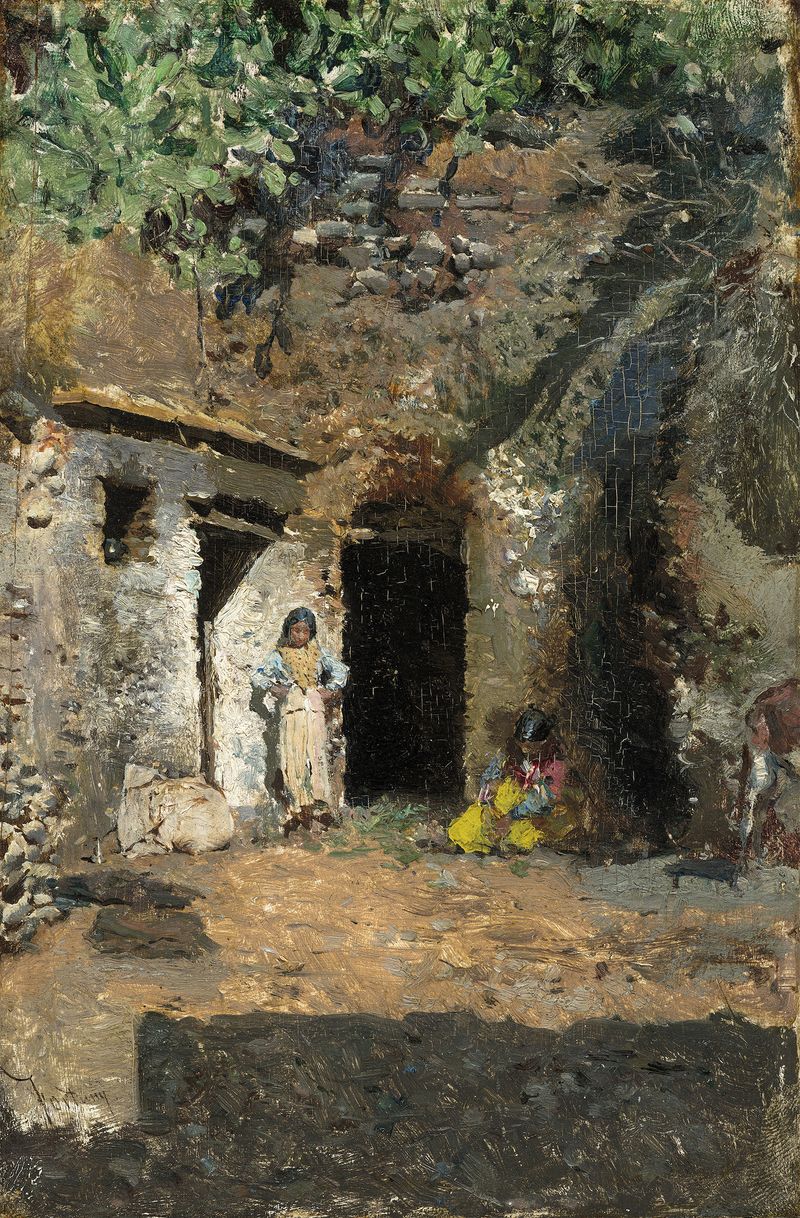
What secret hides in the quiet of the canvas? Beneath the layers of paint lies an unfolding destiny, a moment poised on the cusp of revelation. Look to the lush details that adorn the foreground, where vibrant fabrics and intricate patterns draw the eye. The artist employs a rich palette of deep reds and golds, illuminating the textures with a painstaking attention that brings the scene to life. Notice how the light dances upon the silk garments of the figures, their poses both elegant and languid, hinting at stories untold.
The gateway itself, a majestic entrance framed by elaborate architecture, stands as a threshold between the known and the mysterious. At the heart of this painting lies a tension between restraint and desire. The figures, positioned just inside the gate, embody a longing for freedom that contrasts sharply with the opulence surrounding them. Their gazes, both inviting and contemplative, suggest a choice that could alter the course of their lives.
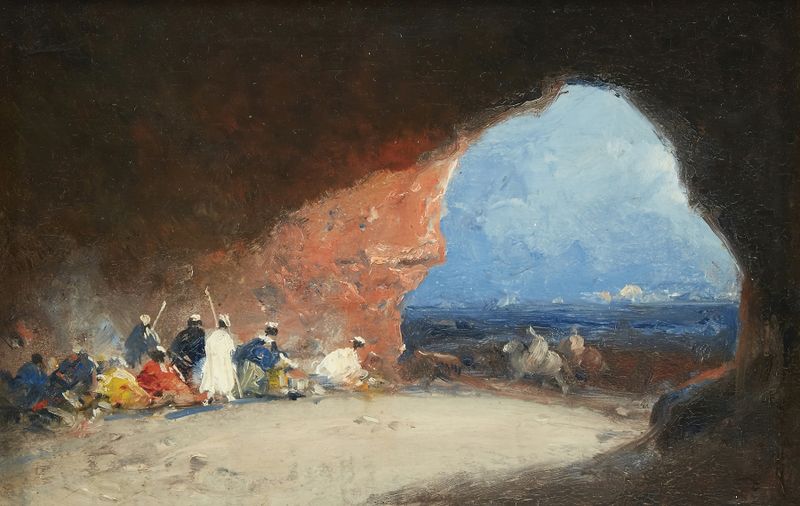
The dichotomy of the serene backdrop and the emotional weight of their expressions speaks to the complexities of fate and the human experience, making the viewer ponder the implications of crossing unseen boundaries. Created during the summer of 1870 in Paris, the work reflects a period of vibrant artistic exploration for its creator. Fortuny was influenced by the exoticism of North Africa, having traveled extensively through Spain and Morocco. This painting encapsulates the allure and mystique of the era, as the artist sought to capture not only the beauty of his subjects but also the broader social tensions and aspirations that defined 19th-century art.