
After Sunset — History & Facts
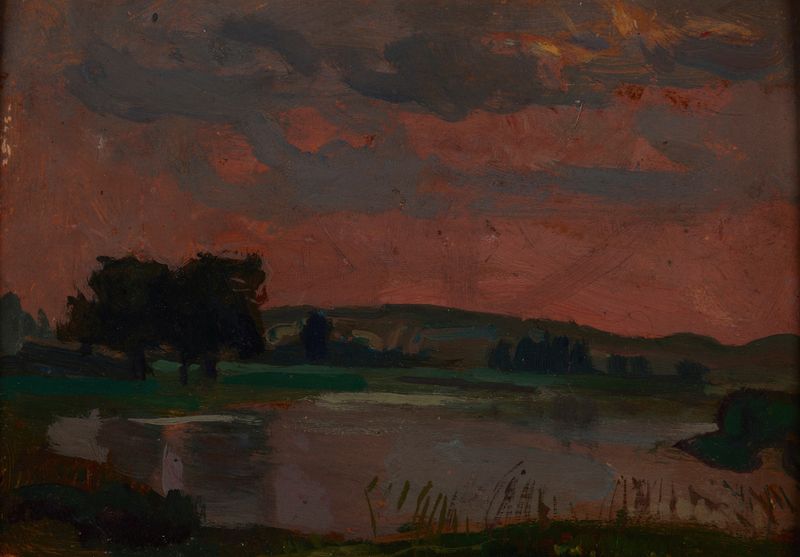
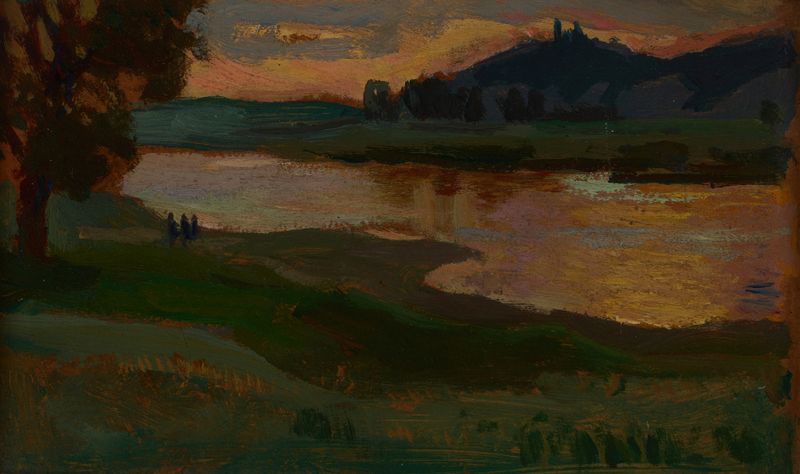
In the quiet aftermath of dusk, the world holds its breath, cloaked in shades of muted sorrow. The canvas reveals a tender melancholy, a moment where light wanes and shadows deepen, evoking both a sense of loss and a lingering beauty. Focus on the rich, warm palette that envelops the landscape, drawing your gaze to the horizon where the last golden rays of the sun dissolve into twilight. The gentle strokes create a soft transition between the earthy tones of the foreground and the ethereal blues above, mimicking the fading day.
Notice how the subtly rendered trees stand sentinel, their forms softened by the encroaching night, while the textured sky swirls with colors that speak of both farewell and promise. In this serene composition, there exists a poignant contrast between the vibrancy of the sunset and the encroaching shadows of night. The interplay of light and darkness suggests not only the end of a day but the introspection that comes with it, inviting the viewer to ponder the complexities of time and existence. Each brushstroke embodies a lingering emotion, echoing the solitude found in nature’s twilight, while hinting at the inevitable cycles of joy and sorrow. In 1906, Jan Stanisławski, a prominent figure in the Polish art scene, painted this piece during a time of significant artistic exploration.
Living in Warsaw, he was influenced by the Symbolist movement, which sought to convey deep emotional experiences through color and form. This period marked a shift towards modernity in Polish art, and After Sunset reflects Stanisławski's mastery in capturing the essence of fleeting moments and the profound feelings they invoke.
More Artworks by Jan Stanisławski
Browse all →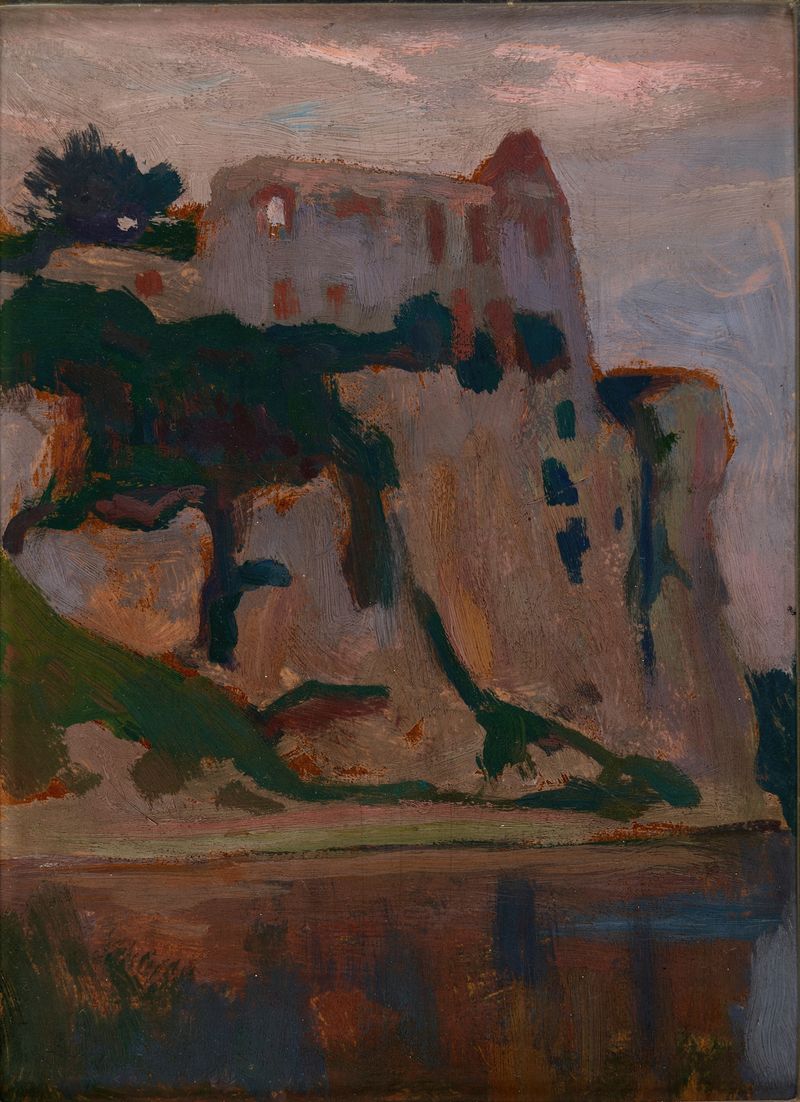
Tyniec at Dawn
Jan Stanisławski
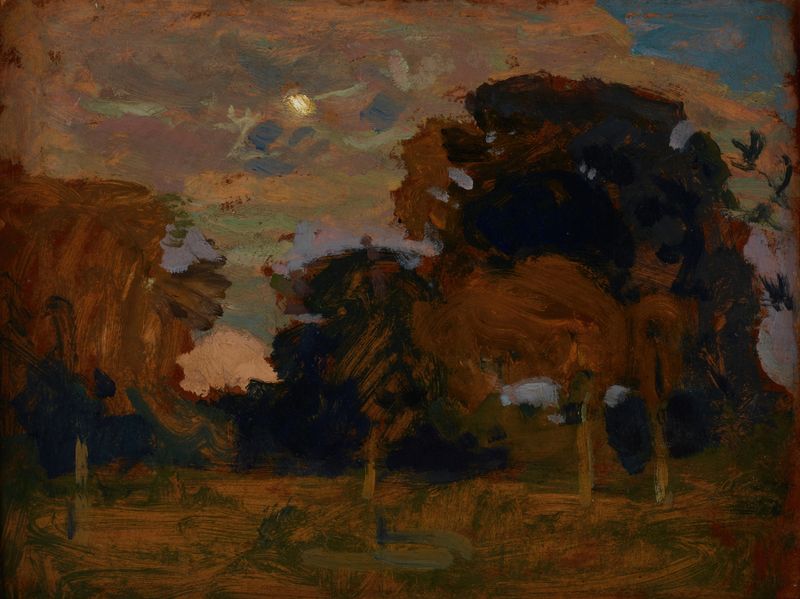
Moon in the Clouds
Jan Stanisławski
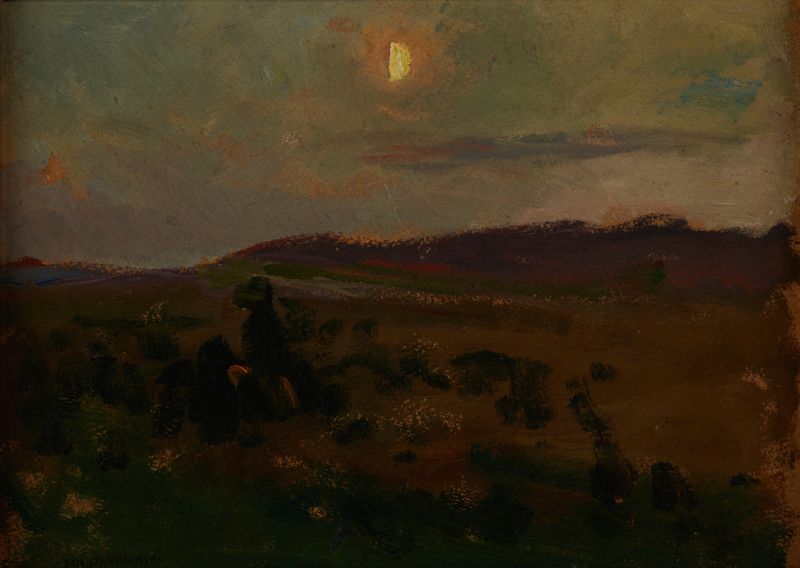
Moonrise
Jan Stanisławski
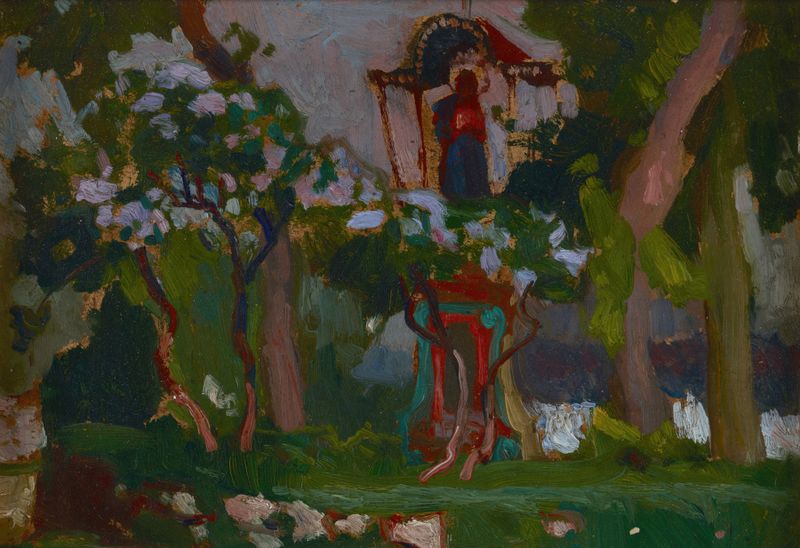
May
Jan Stanisławski
The Vistula in the Twilight
Jan Stanisławski
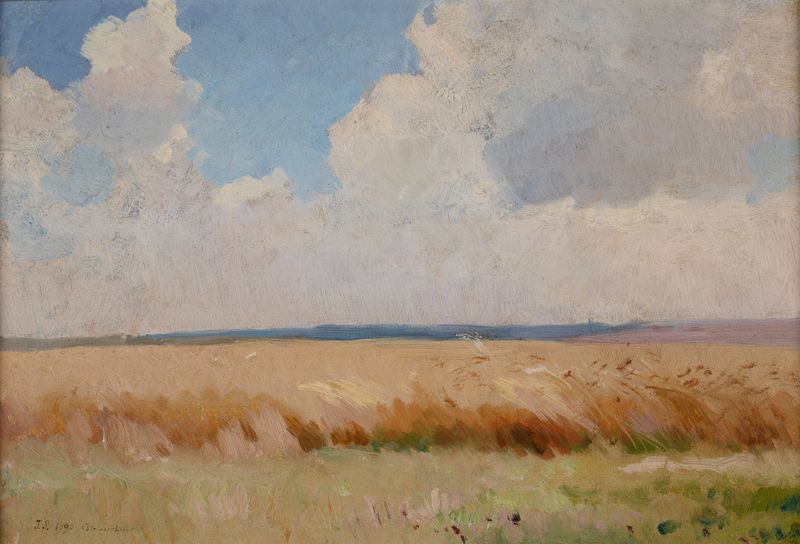
Field at Białocerkiew (Bila Tserkva)
Jan Stanisławski
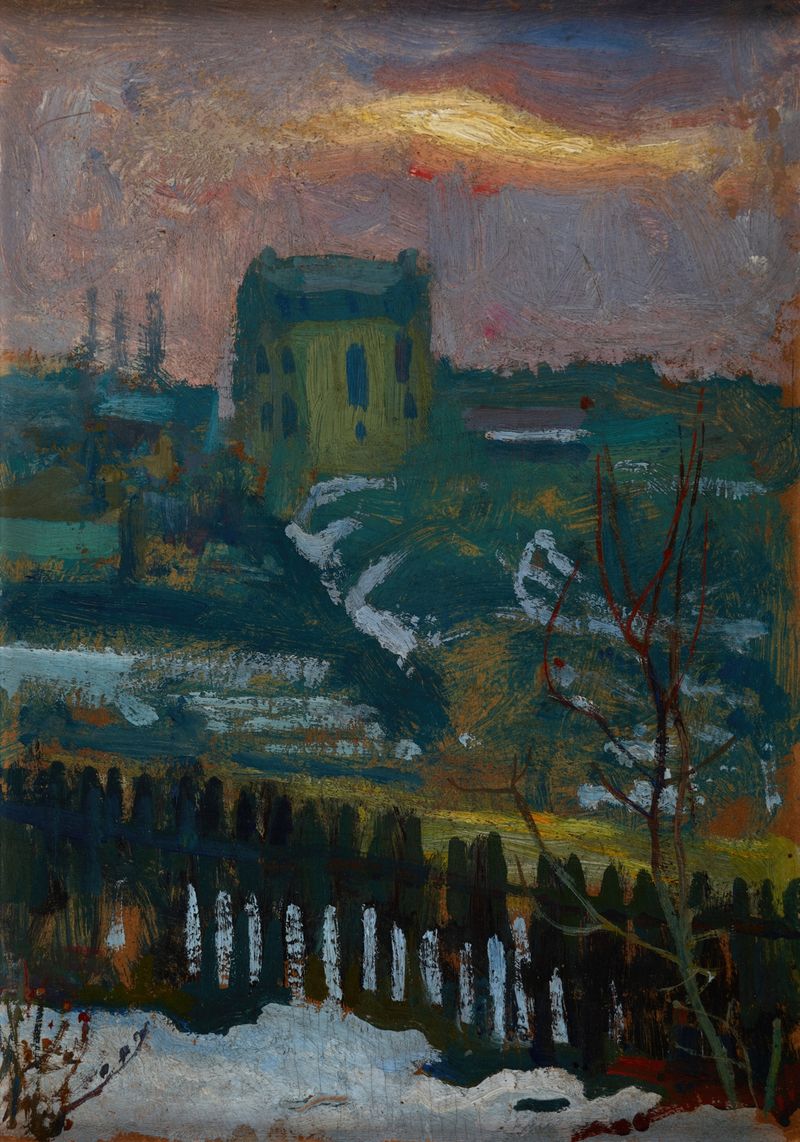
House in Winter
Jan Stanisławski
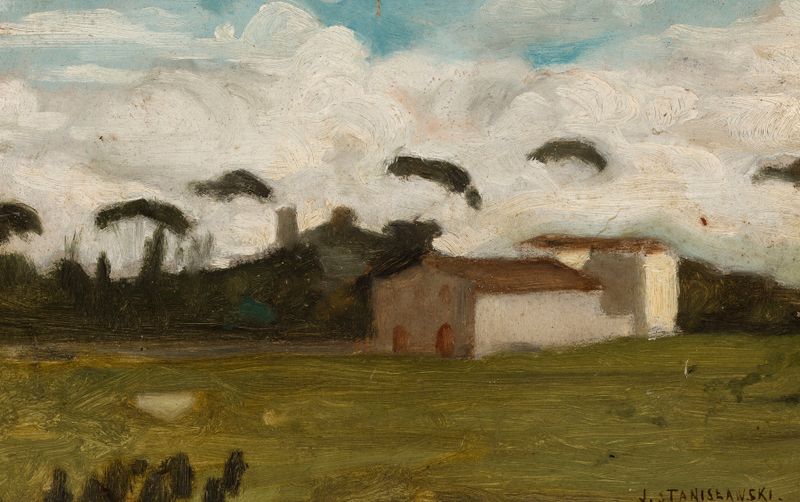
Landscape
Jan Stanisławski
Bielany at Dusk
Jan Stanisławski
Fields at Proszowice
Jan Stanisławski





