
Afternoon — History & Facts
Can beauty exist without sorrow? In the tranquil embrace of nature, the answer lingers like a forgotten whisper, echoing the nuances of human experience. Focus on the delicate brushwork that defines the lush greenery in the foreground. Notice how the light filters through the trees, casting dappled shadows that dance upon the ground, while a tranquil river meanders through the scene. The composition draws us into the idyllic setting, inviting contemplation and serenity.
The soft palette of greens and warm earth tones evokes a sense of peace, yet hints at an underlying tension, as if the image captures a fleeting moment before darker clouds encroach. Hidden within this pastoral scene lies a contrast of emotional depth. The serene water reflects not only the beauty of the landscape but also the potential for betrayal, as nature’s calm façade can mask hidden turbulence. The viewer might ponder the stories of those who once gathered here, perhaps sharing laughter while harboring secrets beneath the surface.
The harmony of life and the inevitability of change are woven together, leaving an aftertaste of melancholy in the mouth of the beholder. In 1769, Sandby painted this work during a period of personal and artistic growth, amidst the scenic beauty of England. As a significant figure in English landscape painting, he was crafting a distinct style that balanced realism with a romantic idealization of the natural world. This moment in his career reflected both an exploration of the British countryside and an introspective look at the complexities of human emotions intertwined with the beauty of nature.
More Artworks by Paul Sandby
Browse all →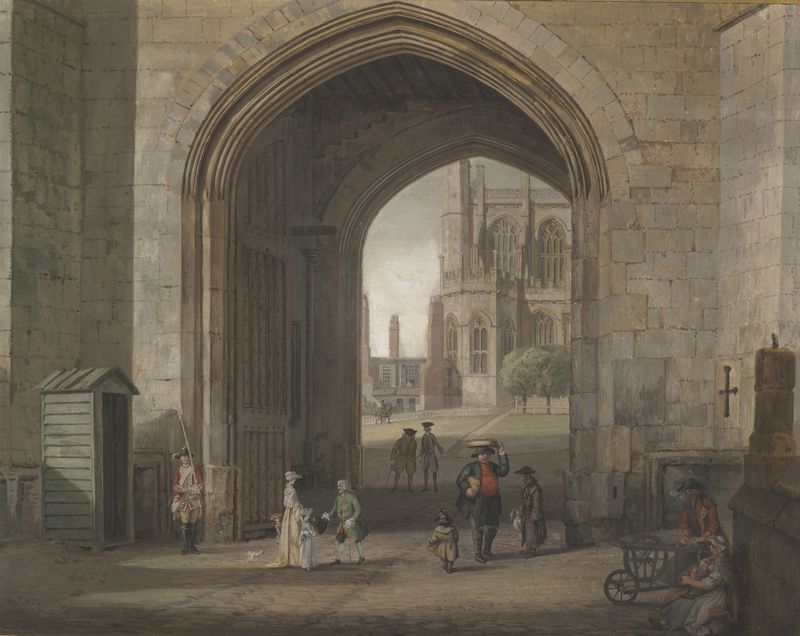
The Tower Gate at Windsor Castle
Paul Sandby

A Distant View of Maidstone, from Lower Bell Inn, Boxley Hill
Paul Sandby
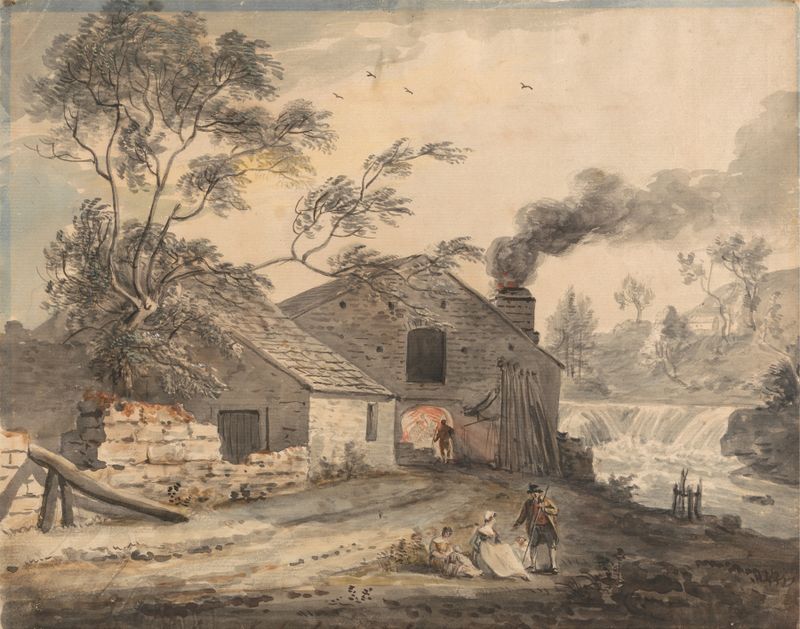
Iron Forge on the River Kent, Westmorland
Paul Sandby
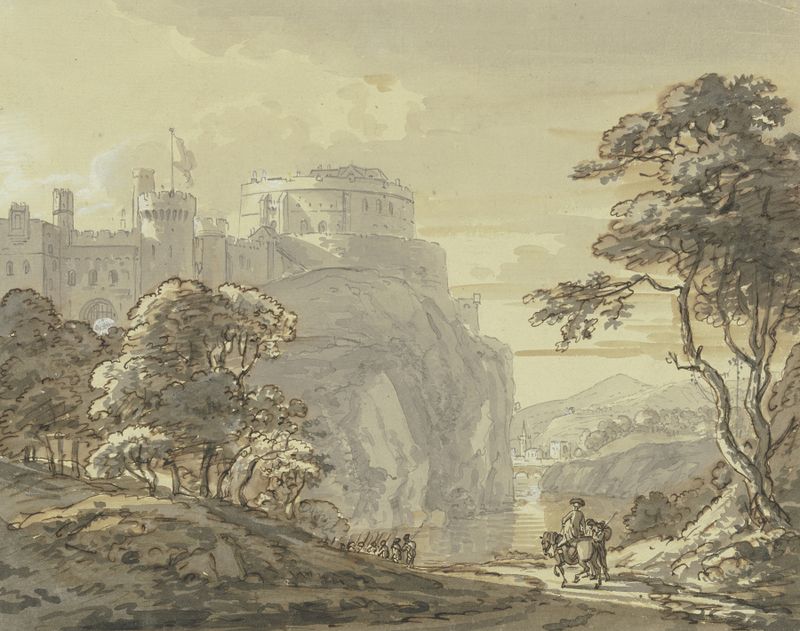
View of Windsor Castle
Paul Sandby

Hackwood Park, Hampshire
Paul Sandby

Roslin Castle, Midlothian
Paul Sandby
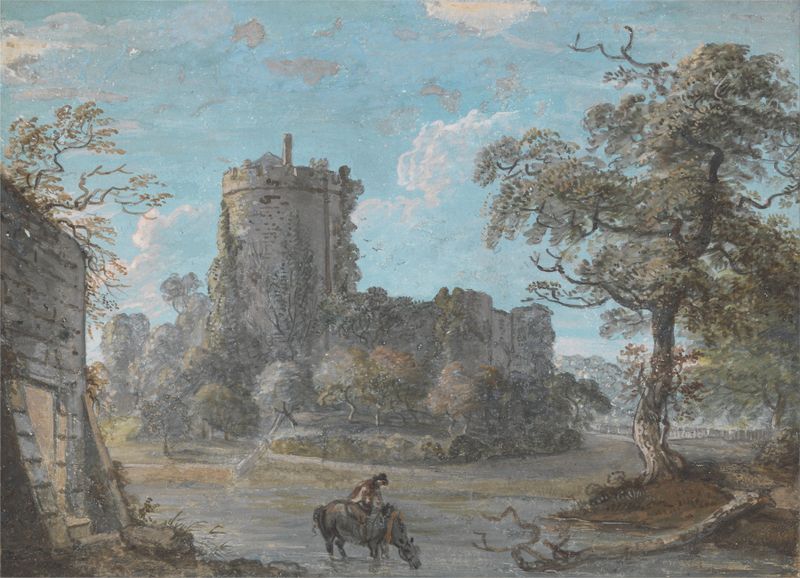
The Entrance to Chepstow Castle
Paul Sandby
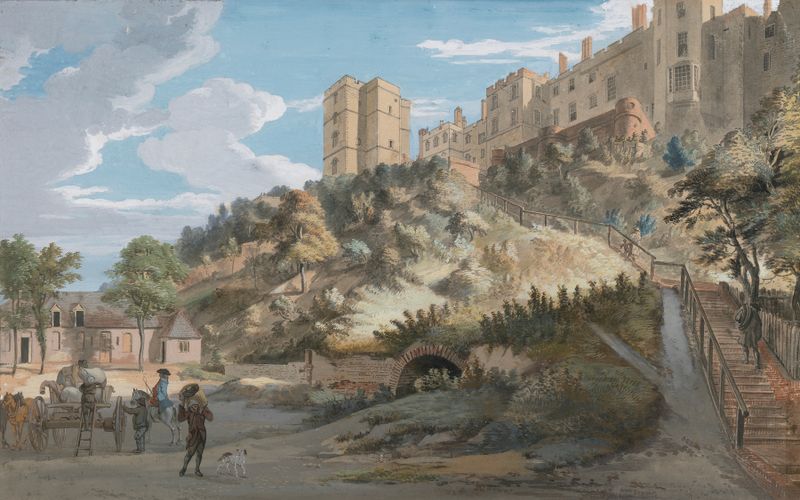
The Hundred Steps and Winchester Tower, Windsor Castle, Berkshire
Paul Sandby

Brook End, Essex
Paul Sandby
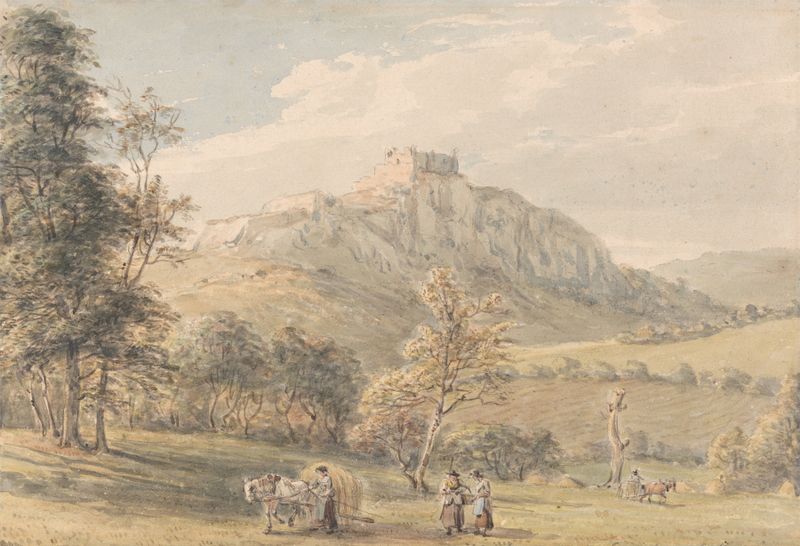
Carreg Cennen Castle
Paul Sandby





