
Afternoon in the Tuileries Gardens — History & Facts
A current of life runs through every inch of this crowded garden scene, where the dappled sunlight and deep shade seem to pulse with the energy of a Parisian afternoon. The eye is drawn first to the dense knot of figures beneath the trees, each absorbed in their own moment: a child in white, caught mid-step; a woman with a parasol, her face half-lit; men in top hats leaning in for conversation. The play of light and shadow is not just a technical feat—it orchestrates the mood, separating the bright bustle of the promenade from the cooler intimacy under the chestnut leaves.
Even the dogs, darting between skirts and chair legs, seem to share in the restless sociability. Painted in 1867, this work belongs to a world on the cusp of modernity, when public gardens like the Tuileries became the stage for a new kind of urban spectacle. These scenes of leisure were not simply decorative; they reflected a changing society, where the boundaries between classes and genders were renegotiated in public view. Artists of the era, including Adolph von Menzel, found in such gatherings a microcosm of contemporary life, capturing both the anonymity and the fleeting connections of the crowd.
History has kept few traces of this particular painting’s journey, save for its presence today in the GalleriX collection, but its vitality invites us to step closer, to listen in on the conversations, and to imagine ourselves among the throng.
More Artworks by Adolph von Menzel
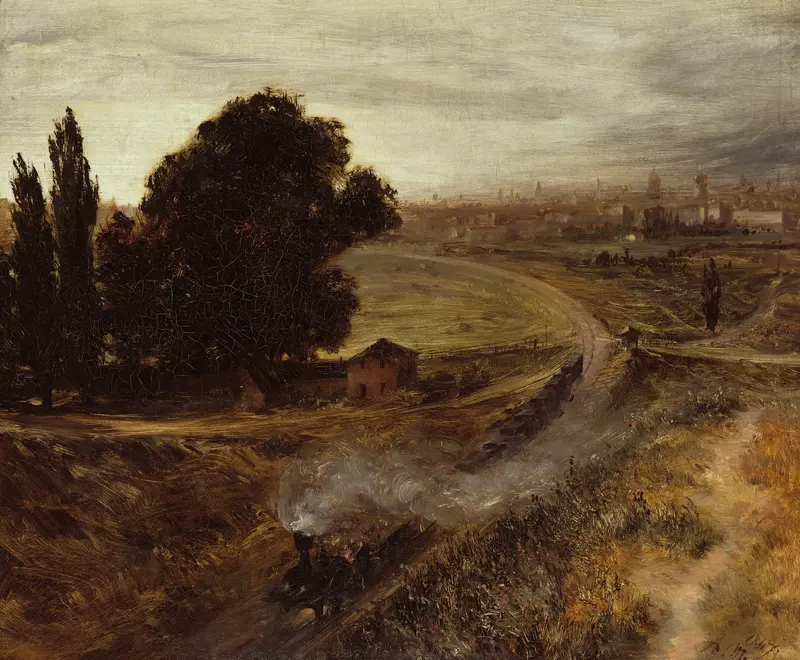
The Berlin-Potsdam Railway
Adolph von Menzel
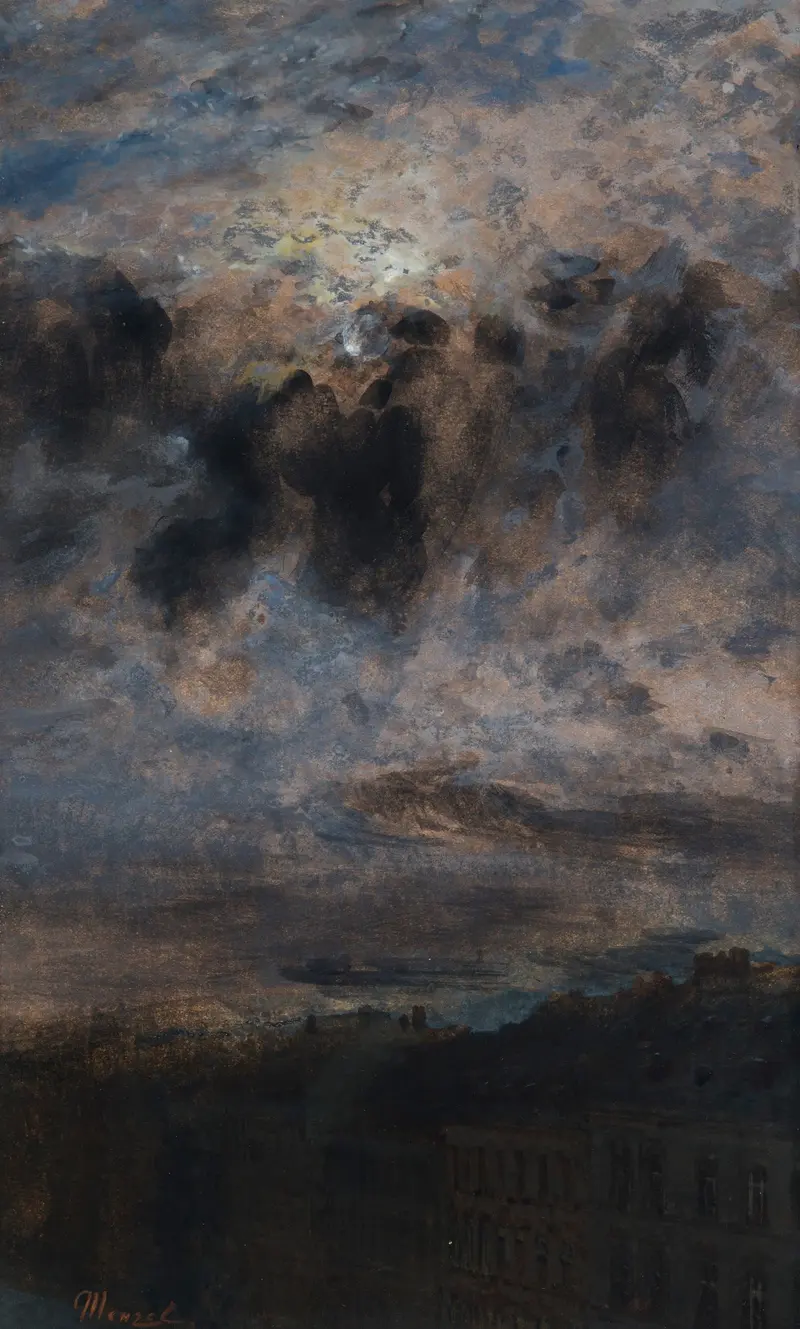
Mondschein über den Dächern von Berlin
Adolph von Menzel
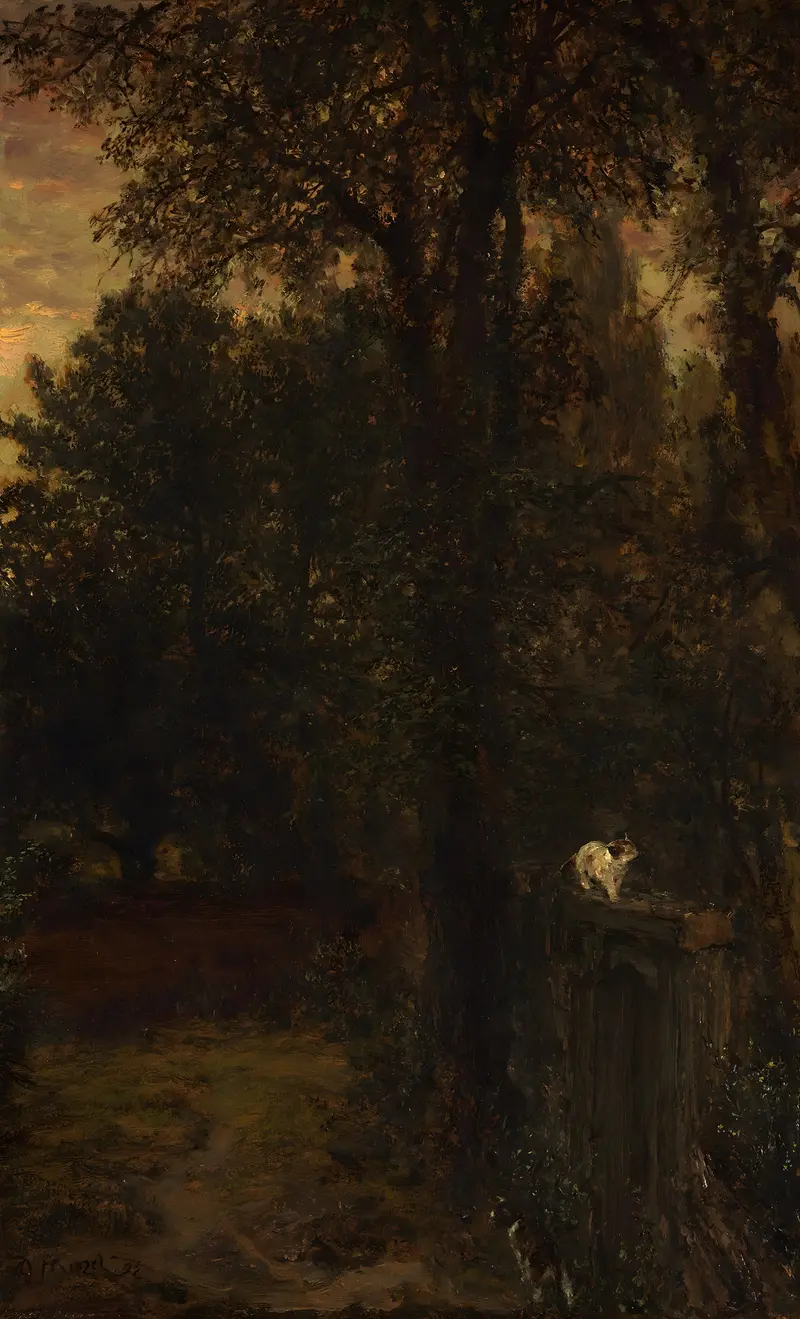
Landscape
Adolph von Menzel
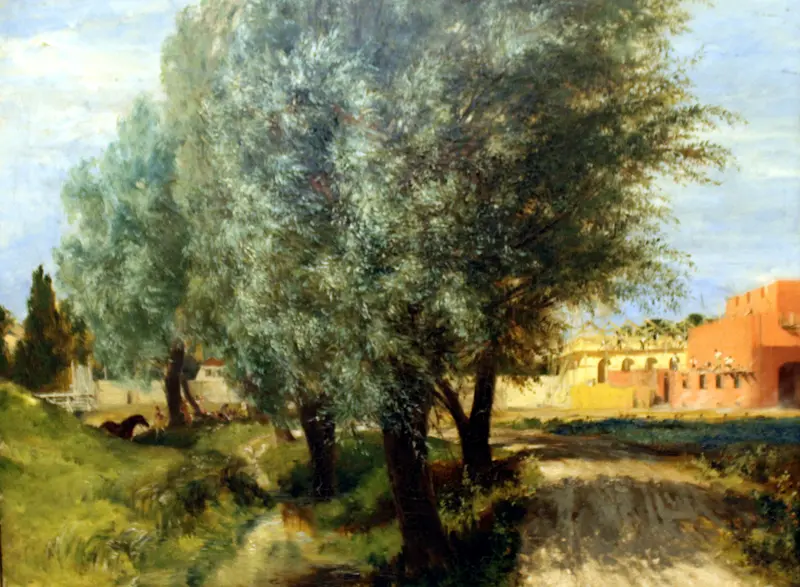
Building Site with Willows
Adolph von Menzel
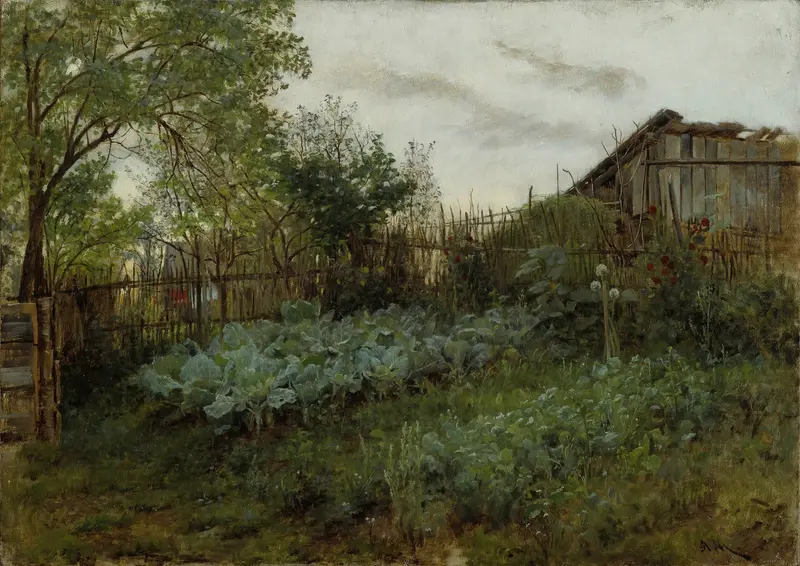
The Back Garden
Adolph von Menzel
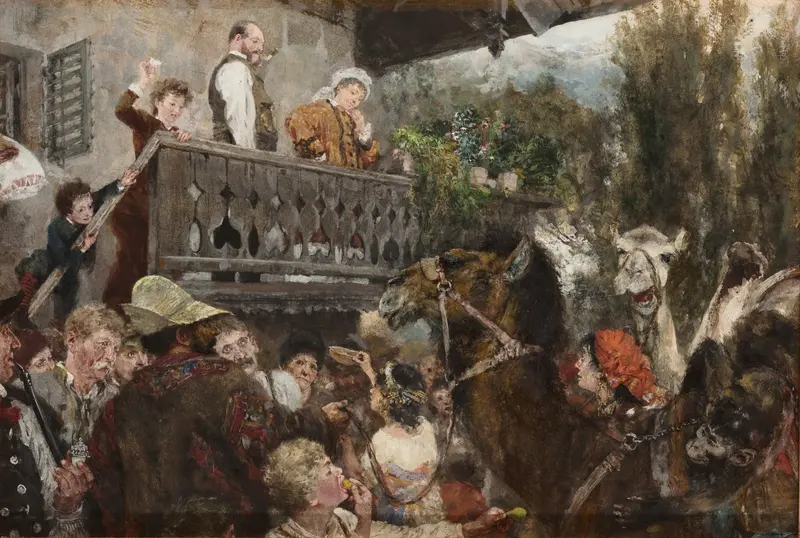
The wandering circus (Camel drivers in Partenkirchen)
Adolph von Menzel
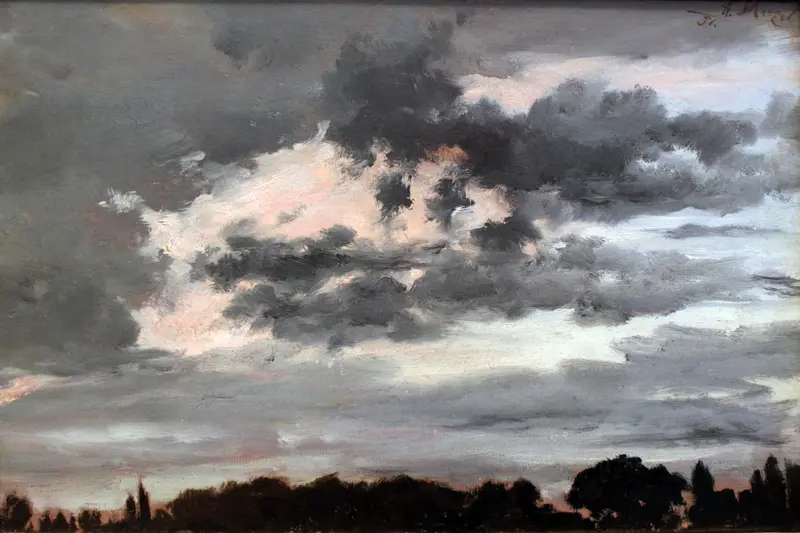
Cloud Study
Adolph von Menzel
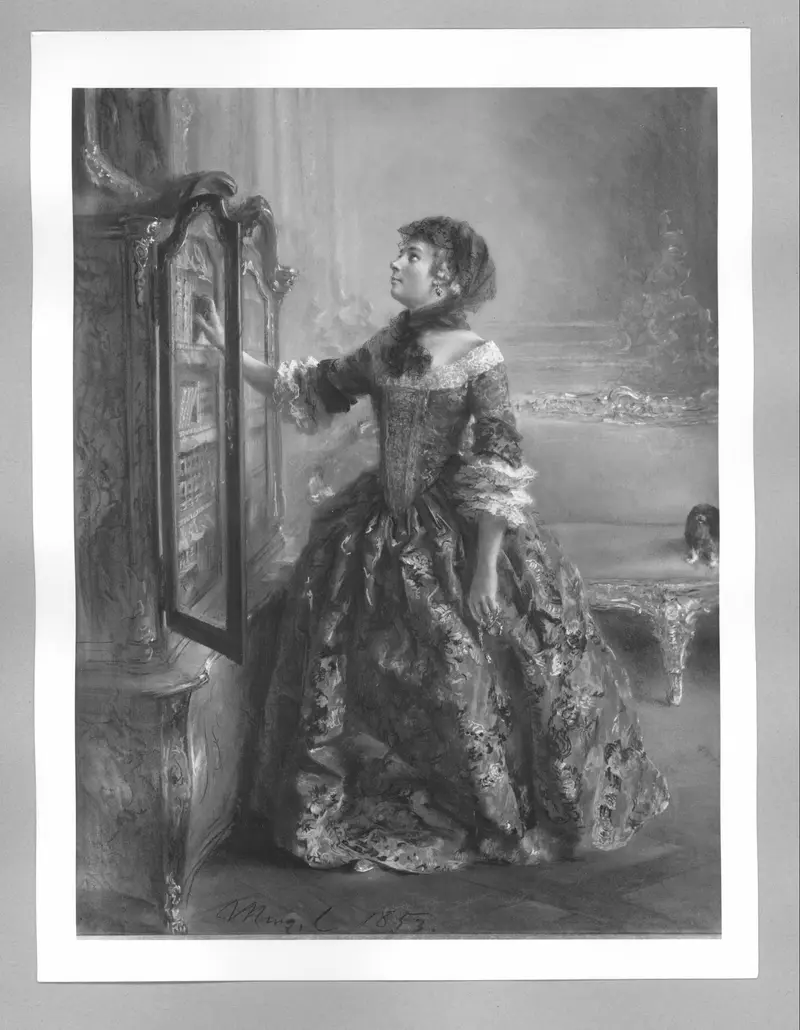
Adolf Friedrich Erdmann Menzel Dame in Rokoko Kostüm vor einem Bücherschrank (Prinzessin Amalie von Hohenzollern) 2320 Führermuseum
Adolph von Menzel
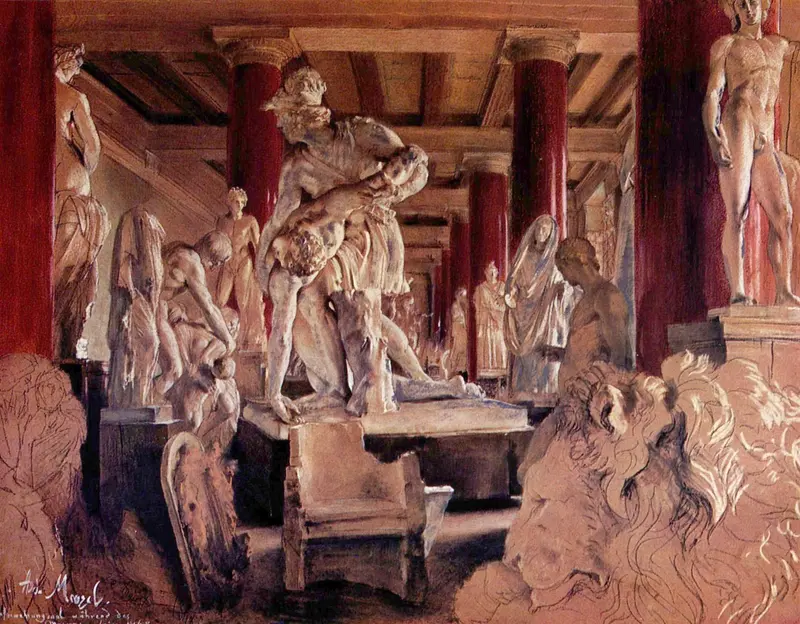
Aufbewahrungssaal während des Museumsumbaus Adolf Friedrich Erdmann von Menzel (Alte Nationalgalerie, Berlin)
Adolph von Menzel
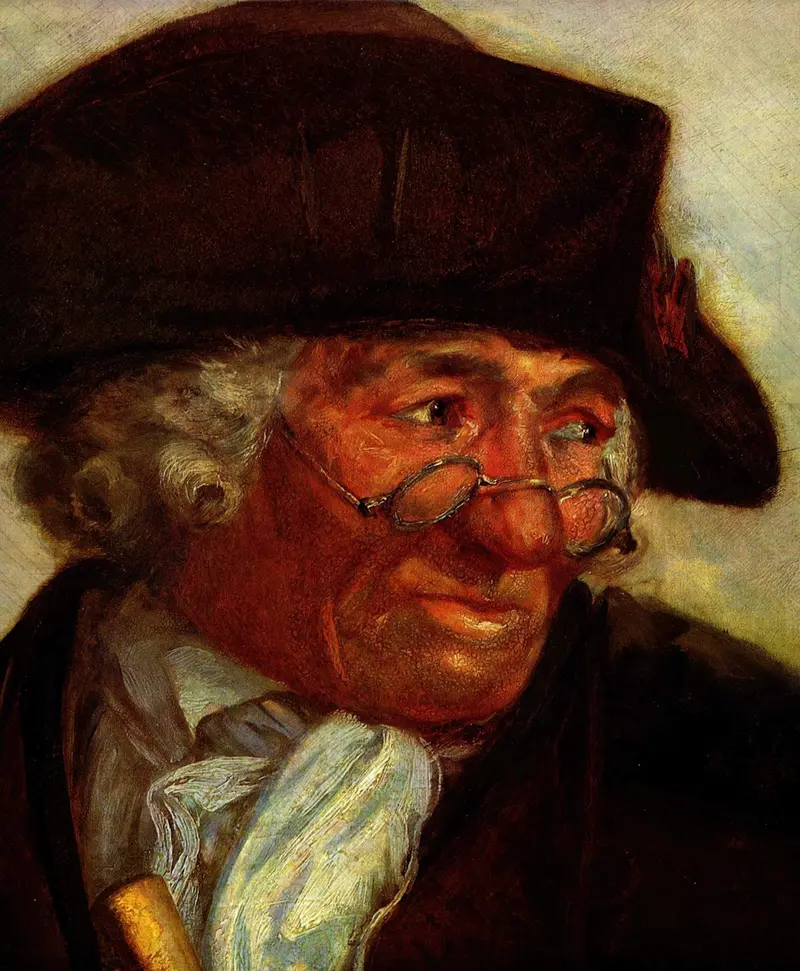
Chodowiecki on the Jannowitz Bridge
Adolph von Menzel
More Genre Scene Art

Banquet of the Officers of the St George Civic Guard
Frans Hals

Rembrandt and Saskia in the Scene of the Prodigal Son
Rembrandt van Rijn

Bal du moulin de la Galette
Pierre-Auguste Renoir

Quadrille at the Moulin Rouge
Henri de Toulouse-Lautrec

A Burial at Ornans
Gustave Courbet

When Will You Marry?
Paul Gauguin