
Ajmer Gate, Jaipur — History & Facts
Could beauty survive in a century of chaos? The intrigue of a timeless structure and the heart of a city converge in a dance of light and shadow. Notice how the vibrant hues of Jaipur’s sun-kissed palette draw your gaze towards the intricate arches and fortifications. Look closely at the textures; the brushstrokes breathe life into the weathered stone, revealing both history and artistry. The artist's deft hand captures not just the architectural grandeur, but also the soul of a bustling gate, where life beckons beyond the threshold. The contrast between the serene stillness of the gate and the lively whispers of the city paints a poignant narrative.
A sense of reverence emerges in the interplay of light: soft illuminations reveal hidden details while casting deep shadows that evoke mystery. Each element, from the ornate patterns to the fleeting moments of everyday life, reflects an awe for both the heritage and the transient beauty of existence. In 1931, during a time of artistic experimentation and cultural exploration, Hiroshi painted this work amidst a world grappling with modernity and tradition. As Japan was navigating the tumult of early 20th-century dynamics, he sought to celebrate the intricate beauty of foreign lands, blending Eastern aesthetics with the Western impressionist approach.
The creation of this piece exemplified his commitment to capturing not merely sights, but the essence of the environments he encountered.
More Artworks by Yoshida Hiroshi
Browse all →
Crytomeria Avenue (Sugi Namiki)
Yoshida Hiroshi
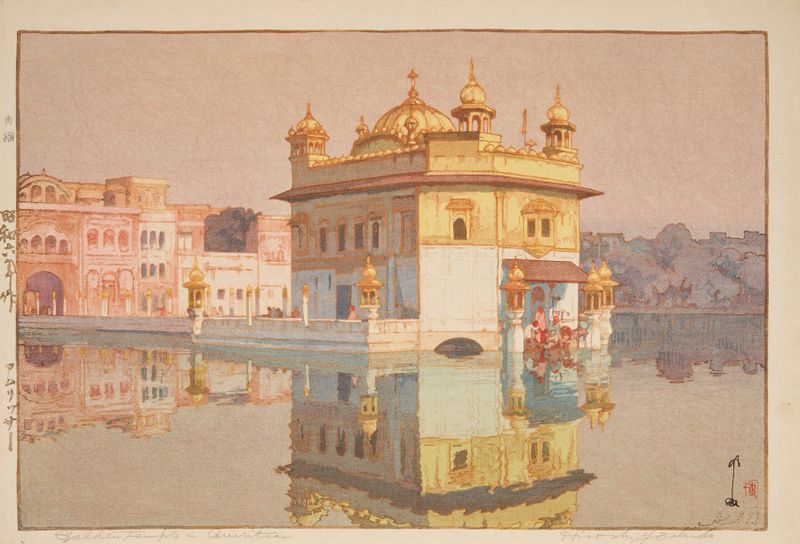
Amurissaa (Golden Temple in Amritsar)
Yoshida Hiroshi

High Gate in Ajmer (Ajumeru no Berenderuwajaa)
Yoshida Hiroshi

Fujiyama from Gotemba
Yoshida Hiroshi
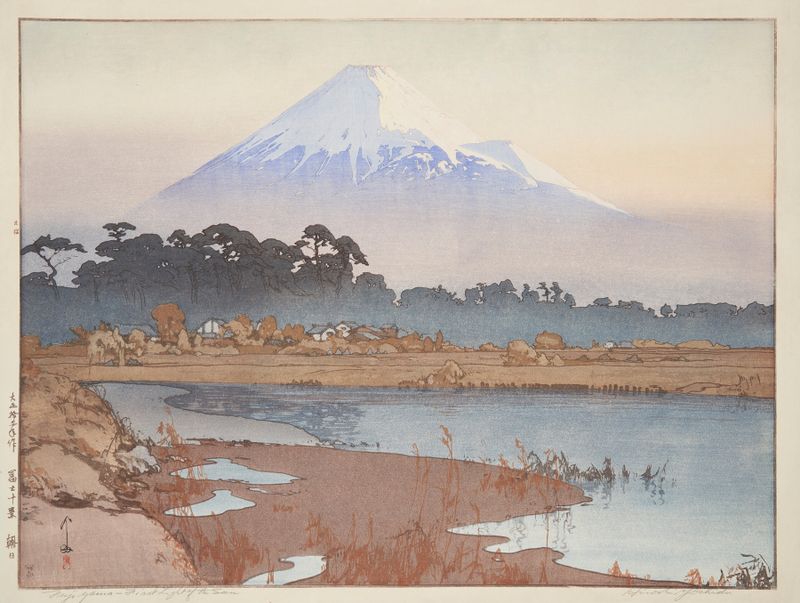
Asahi (Sunrise).
Yoshida Hiroshi
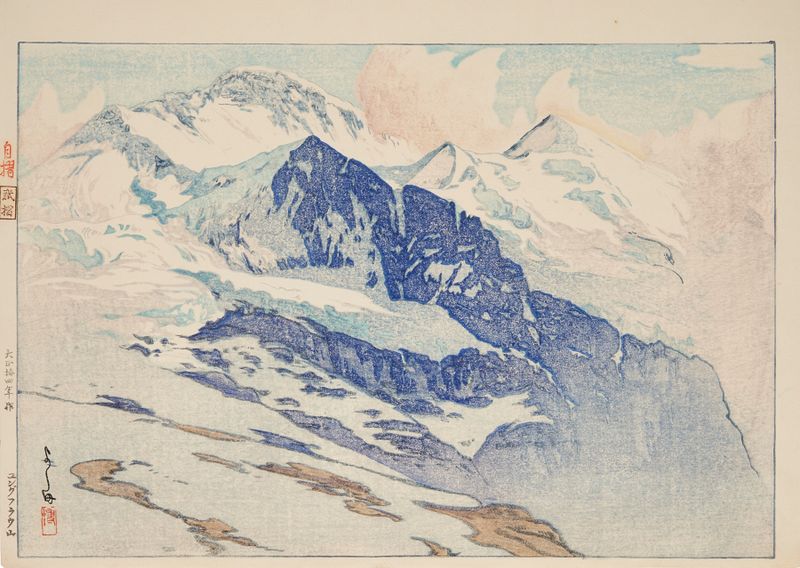
Yungufurau-yama (Jungfrau)
Yoshida Hiroshi
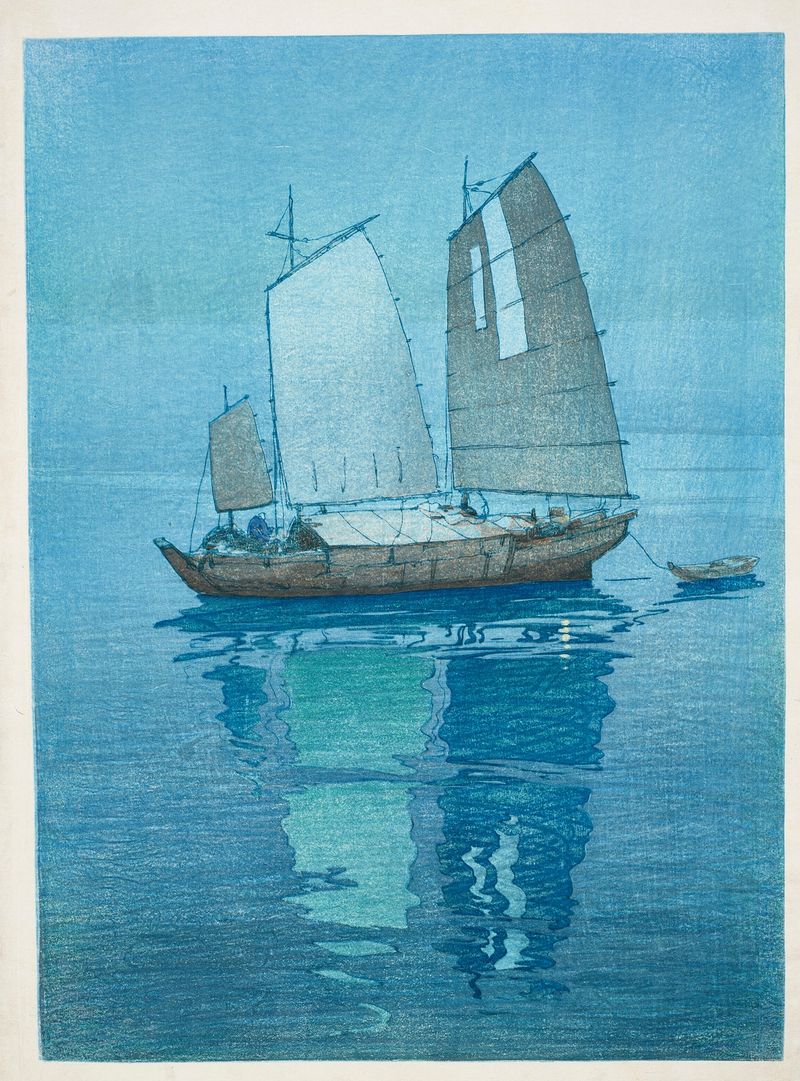
Hansen (Sailing Boats)
Yoshida Hiroshi
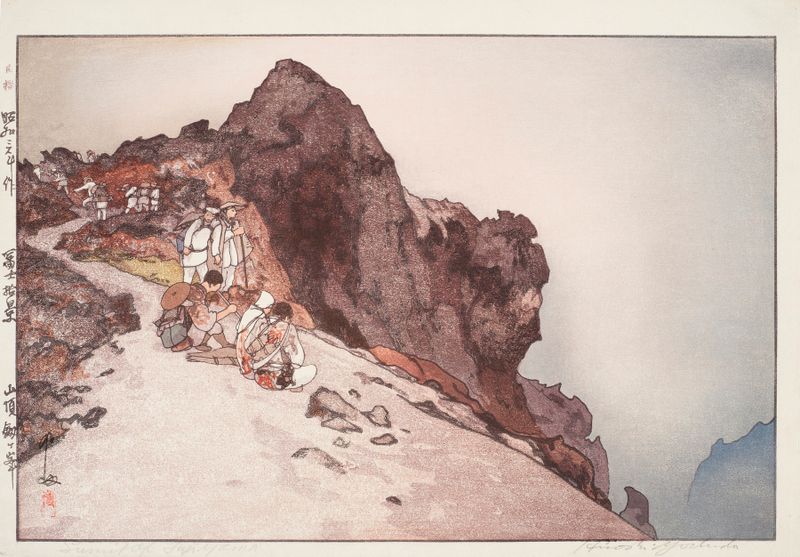
Summit of Mount Fuji
Yoshida Hiroshi

Sailing Boats — Night, from the series ‘The Seto Inland Sea’
Yoshida Hiroshi
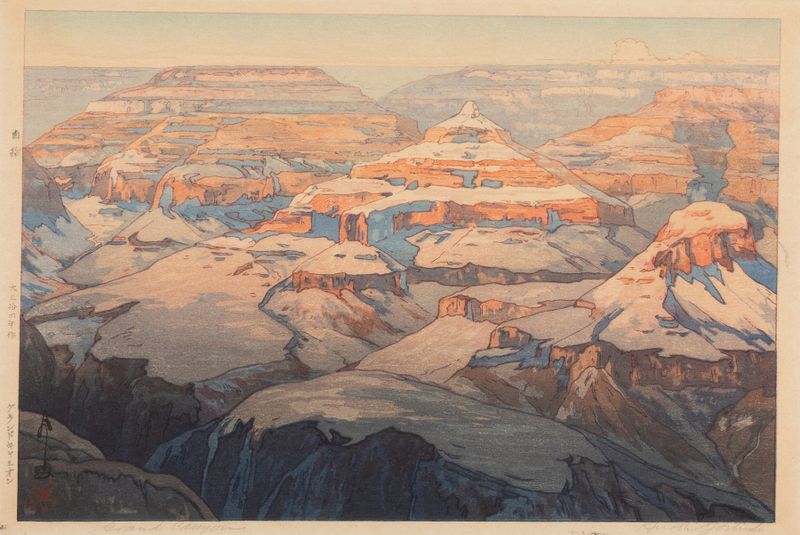
Grand Canyon (Gurando Kyanion)
Yoshida Hiroshi
More Architecture Art
Browse all →
The statue of Liberty
Frédéric Auguste Bartholdi

View of Houses in Delft, Known as ‘The Little Street’
Johannes Vermeer

View of Houses in Delft, Known as ‘The Little Street’
Johannes Vermeer

The Cathedral in Rouen. The portal, Grey Weather
Claude Monet

The yellow house
Vincent van Gogh

The Church in Auvers-sur-Oise, View from the Chevet
Vincent van Gogh