
Akashi, Illustration to Chapter 13 of the Tale of Genji (Genji monogatari) — History & Facts
What if beauty was never meant to be finished? In the delicate strokes of the Muromachi period, an obsession unfolds, capturing the ever-elusive nature of perfection. Focus on the intricate details of the figures depicted, particularly the elegant courtesan in the foreground, her flowing robes adorned with meticulously painted motifs. Notice how the soft, muted palette contrasts with the vibrant patterns, drawing the eye to her serene expression, which speaks volumes of longing and unfulfilled desires. The background, filled with ethereal landscapes and whispering cherry blossoms, encapsulates a dreamlike atmosphere that enhances the narrative woven through each element. The interplay of light and shadow reveals deeper emotional tensions within the scene.
The juxtaposition of the dynamic, swirling patterns of the kimono against the stillness of the figures suggests a struggle between the fleeting moments of beauty and the permanence of memory. This tension is further echoed in the way the courtesan's gaze is directed beyond the canvas, inviting viewers to question what lies outside the frame of this intimate world. It embodies the characters' yearning for connection, entwined with the realization that such beauty may be destined to remain just out of reach. Tosa Mitsunobu created this work between 1509 and 1510 during a period where the arts flourished amidst the cultural exchange in Japan.
As part of the larger narrative of The Tale of Genji, this illustration reflects both the artist's mastery of traditional Japanese painting techniques and the contemporary fascination with the complexities of human emotion. In a time marked by aesthetic refinement, Mitsunobu's work stands as a testament to the enduring allure of beauty and the obsessions it ignites.
More Artworks by Tosa Mitsunobu
Browse all →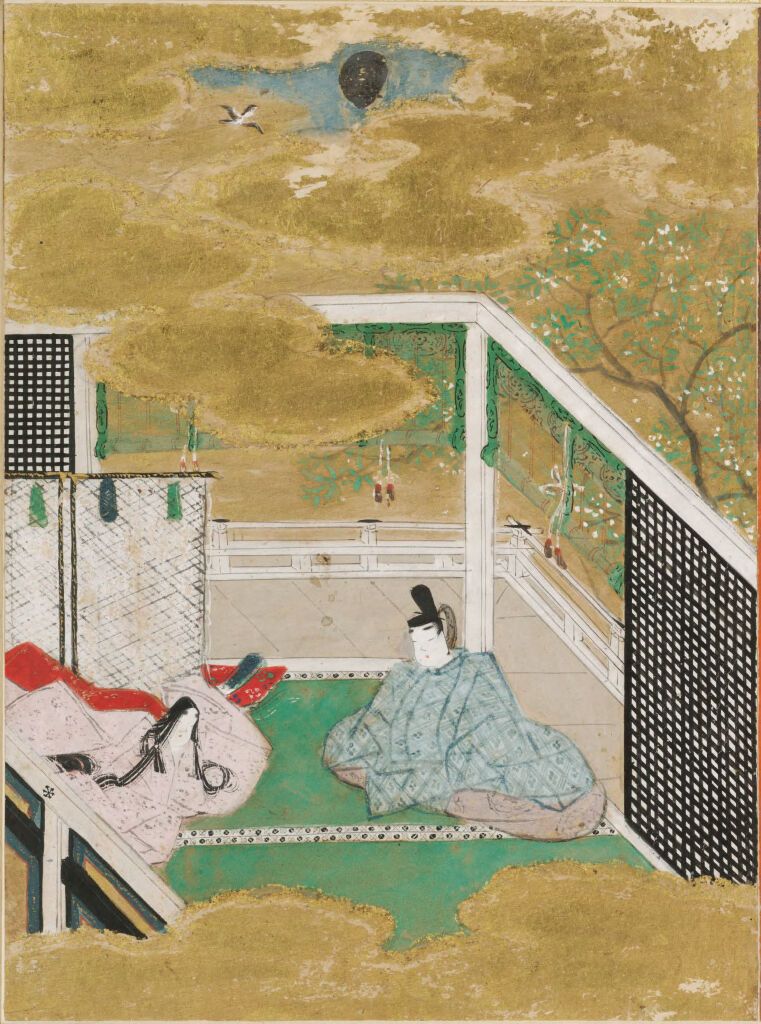
Falling Flowers (Hanachirusato), Illustration to Chapter 11 of the Tale of Genji (Genji monogatari)
Tosa Mitsunobu
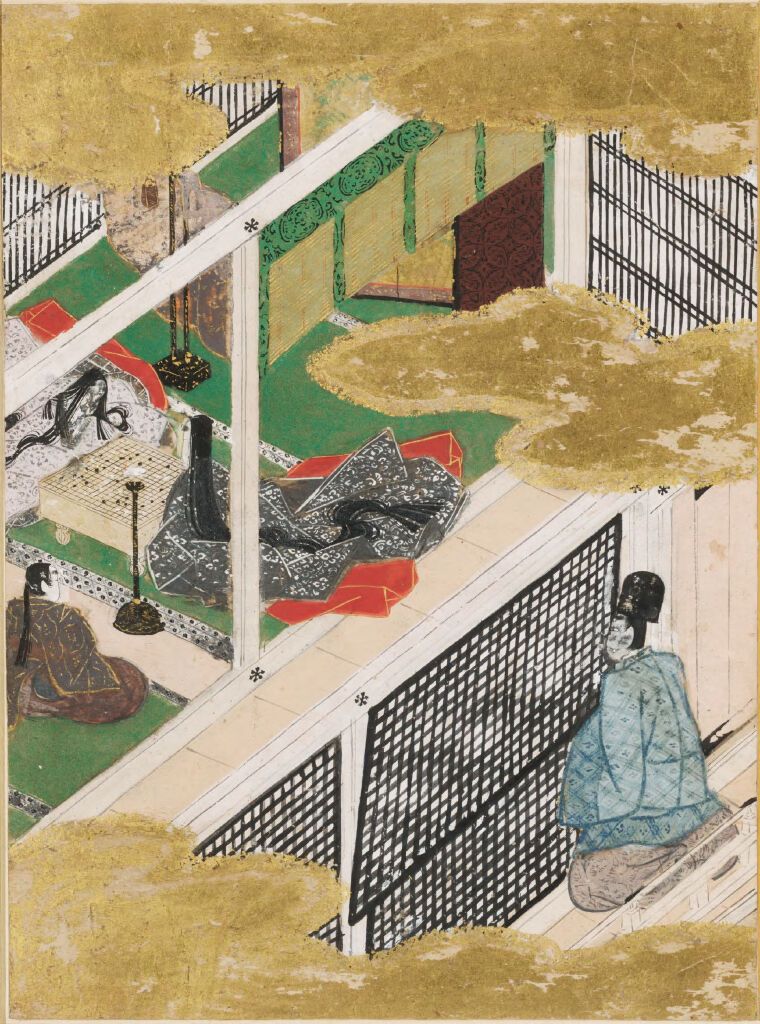
The Cicada Shell (Utsusemi), Illustration to Chapter 3 of the Tale of Genji (Genji monogatari)
Tosa Mitsunobu
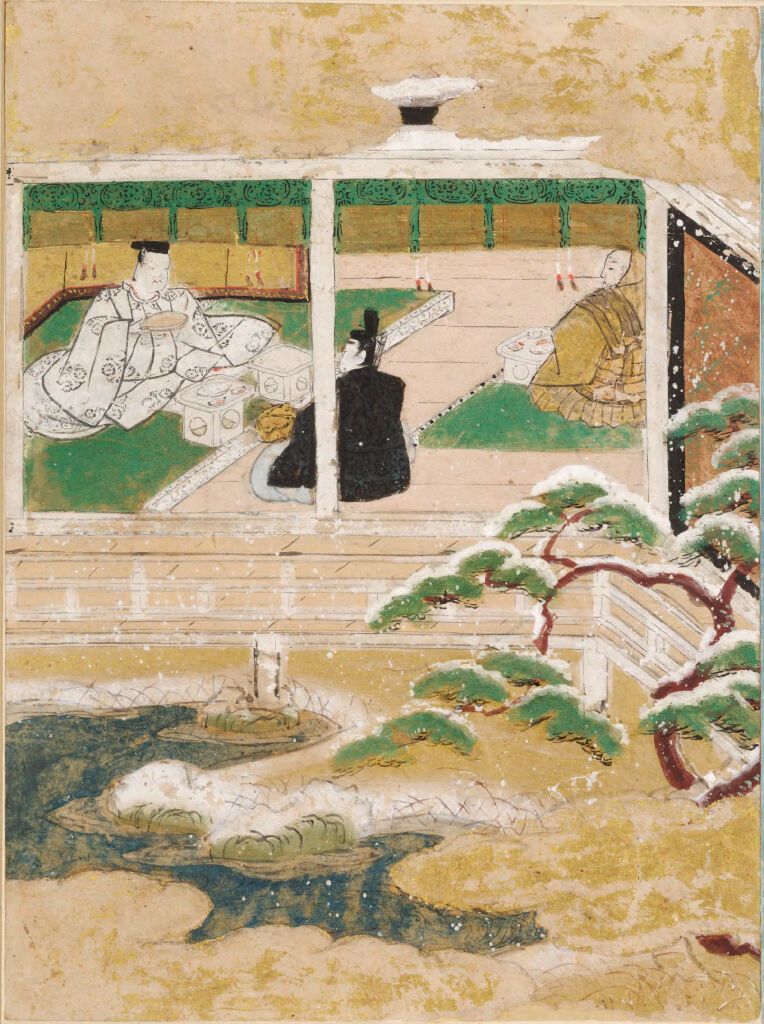
The Seer (Maboroshi), Illustration to Chapter 41 of the Tale of Genji (Genji monogatari)
Tosa Mitsunobu
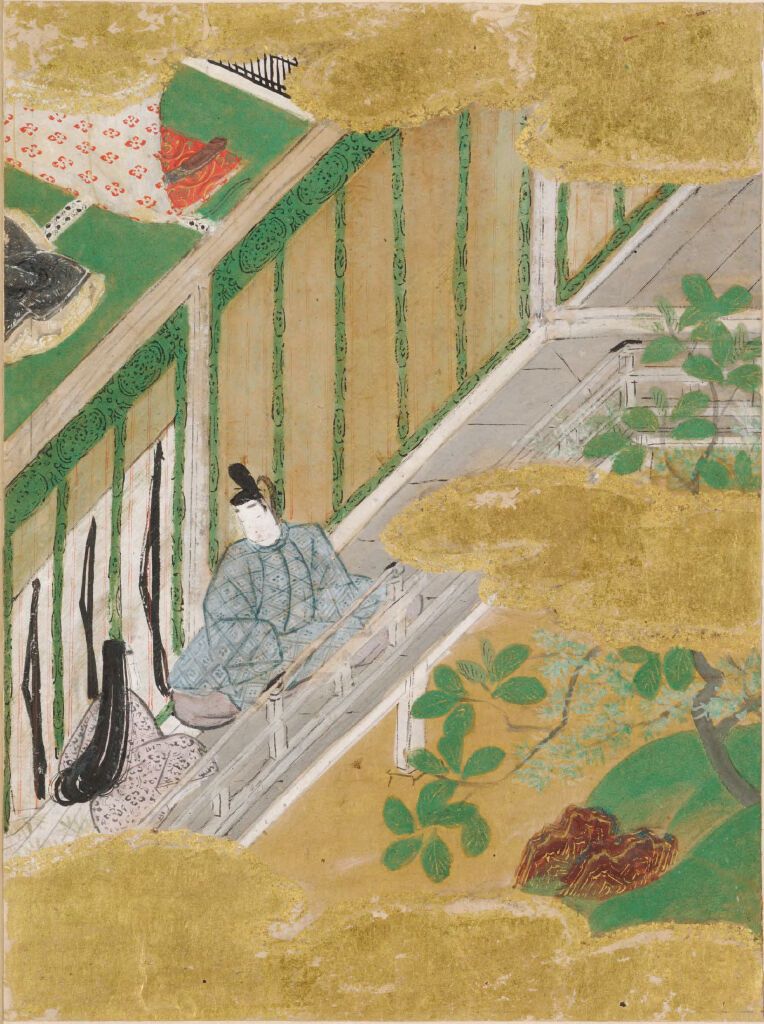
The Oak Tree (Kashiwagi), Illustration to Chapter 36 of the Tale of Genji (Genji monogatari)
Tosa Mitsunobu
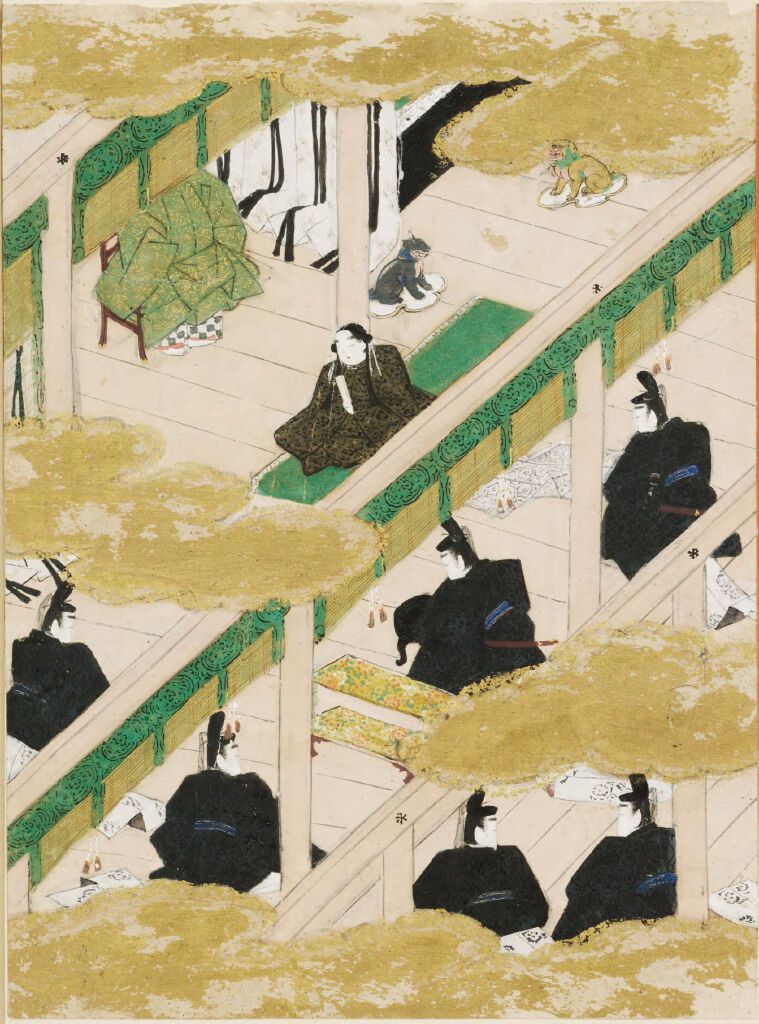
The Paulownia Pavilion (Kiritsubo), Illustration to Chapter 1 of the Tale of Genji (Genji monogatari)
Tosa Mitsunobu
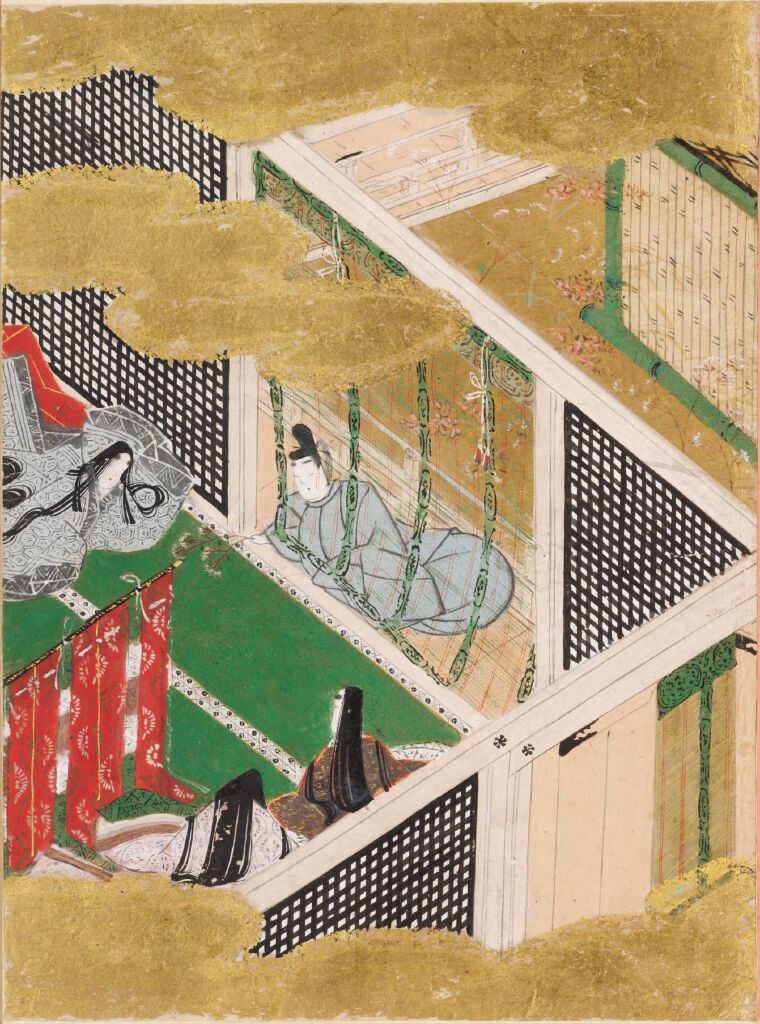
Thoroughwort Flowers (Fujibakama), Illustration to Chapter 30 of the Tale of Genji (Genji monogatari)
Tosa Mitsunobu

Under the Cherry Blossoms (Hana no En), Illustration to Chapter 8 of the Tale of Genji (Genji monogatari)
Tosa Mitsunobu

The Pilgrimage to Sumiyoshi (Miotsukushi), Illustration to Chapter 14 of the Tale of Genji (Genji monogatari)
Tosa Mitsunobu
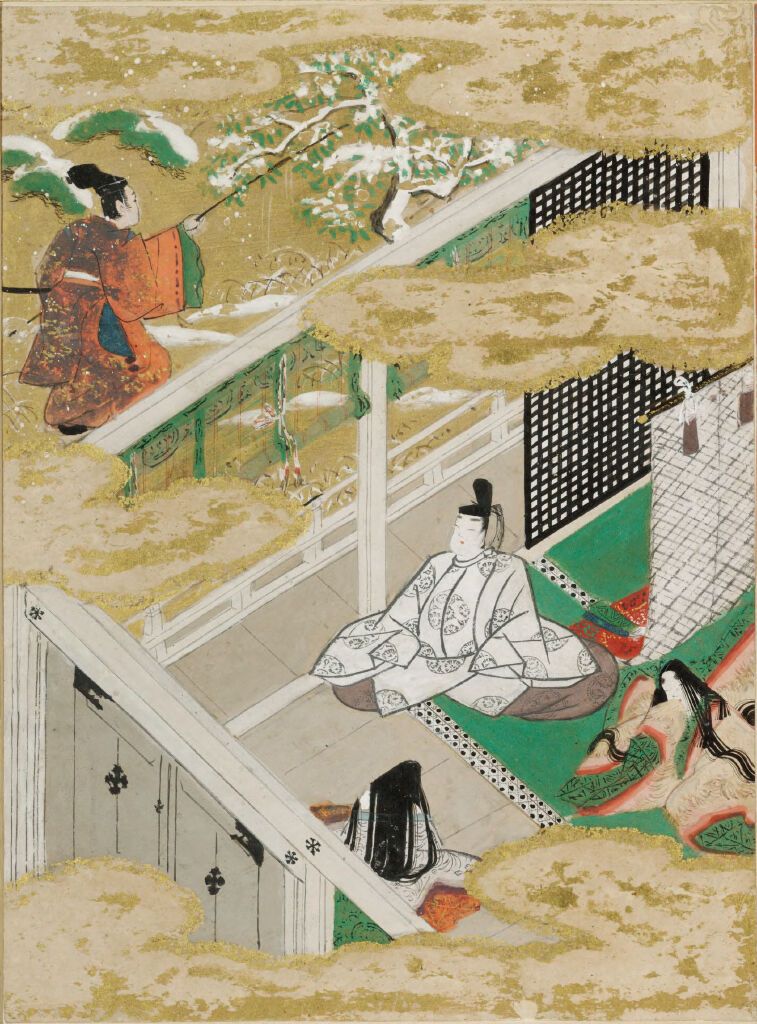
The Safflower (Suetsumuhana), Illustration to Chapter 6 of the Tale of Genji (Genji monogatari)
Tosa Mitsunobu
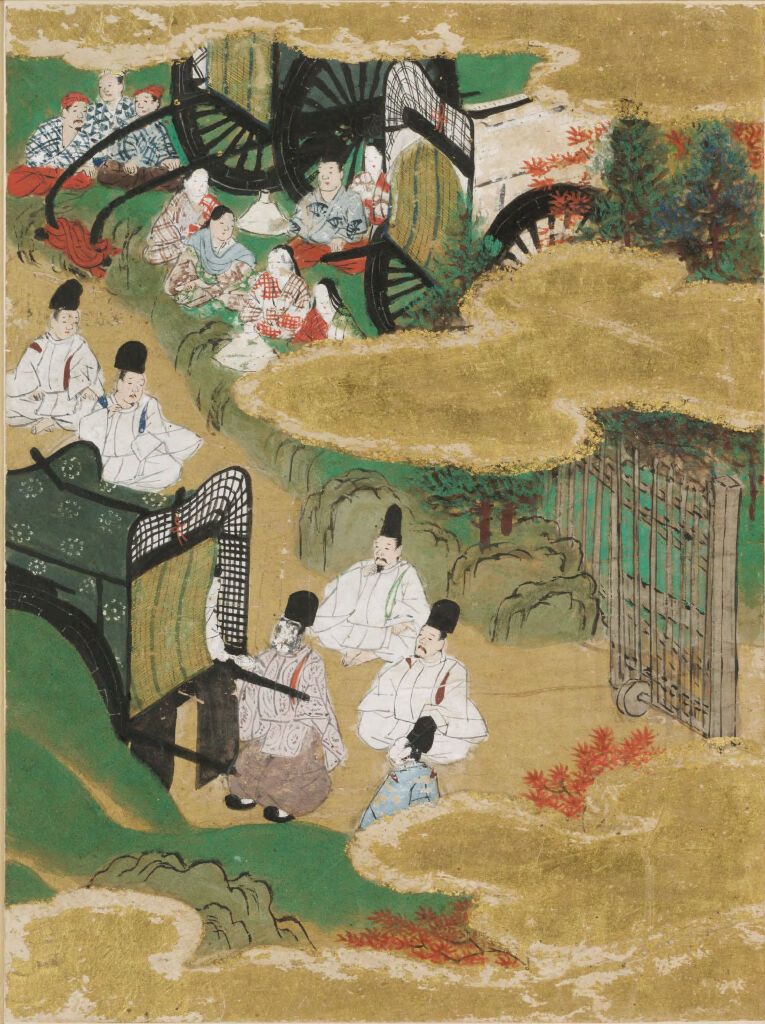
At the Pass (Sekiya), Illustration to Chapter 16 of the Tale of Genji (Genji monogatari)
Tosa Mitsunobu
More Illustration Art
Browse all →Falling Flowers (Hanachirusato), Illustration to Chapter 11 of the Tale of Genji (Genji monogatari)
Tosa Mitsunobu
The Cicada Shell (Utsusemi), Illustration to Chapter 3 of the Tale of Genji (Genji monogatari)
Tosa Mitsunobu
The Seer (Maboroshi), Illustration to Chapter 41 of the Tale of Genji (Genji monogatari)
Tosa Mitsunobu
The Oak Tree (Kashiwagi), Illustration to Chapter 36 of the Tale of Genji (Genji monogatari)
Tosa Mitsunobu
The Paulownia Pavilion (Kiritsubo), Illustration to Chapter 1 of the Tale of Genji (Genji monogatari)
Tosa Mitsunobu
Thoroughwort Flowers (Fujibakama), Illustration to Chapter 30 of the Tale of Genji (Genji monogatari)
Tosa Mitsunobu