
Albania — History & Facts
Could a single brushstroke hold eternity? In Albania, Edward Lear weaves an intricate illusion, where each hue seems to whisper secrets of the landscape and its history. Look to the foreground, where soft, muted greens and browns mingle in a gentle embrace. The painter's brush dances across the canvas, creating subtle textures that evoke the undulating hills and valleys of an untouched land. Notice how the light filters through the clouds, casting a warm glow on the scene — a delicate interplay of shadow and illumination that draws the eye toward the horizon.
The composition is carefully balanced, inviting you to journey deeper into the wilderness, where every color reveals layers of meaning. As you explore the painting, consider the contrasts present within. The vibrant colors of the landscape are tinged with an elusive melancholy, suggesting both beauty and isolation. The distant mountains, painted in shades of blue and gray, evoke a sense of mystery, while the foreground brims with life and vibrancy.
This duality speaks to the tension between the seen and unseen, between a tangible reality and an ineffable dream that beckons from afar. Edward Lear created this work during a period when he was deeply engaged with both landscape painting and literature, likely in the mid-19th century. His travels through Europe and the Mediterranean were punctuated by a fascination with the natural world, which he documented through both his art and poetry. At this time, he was part of the Romantic movement, where the beauty and sublime qualities of nature were celebrated, reflecting the larger cultural shifts occurring in Europe.
More Artworks by Edward Lear
Browse all →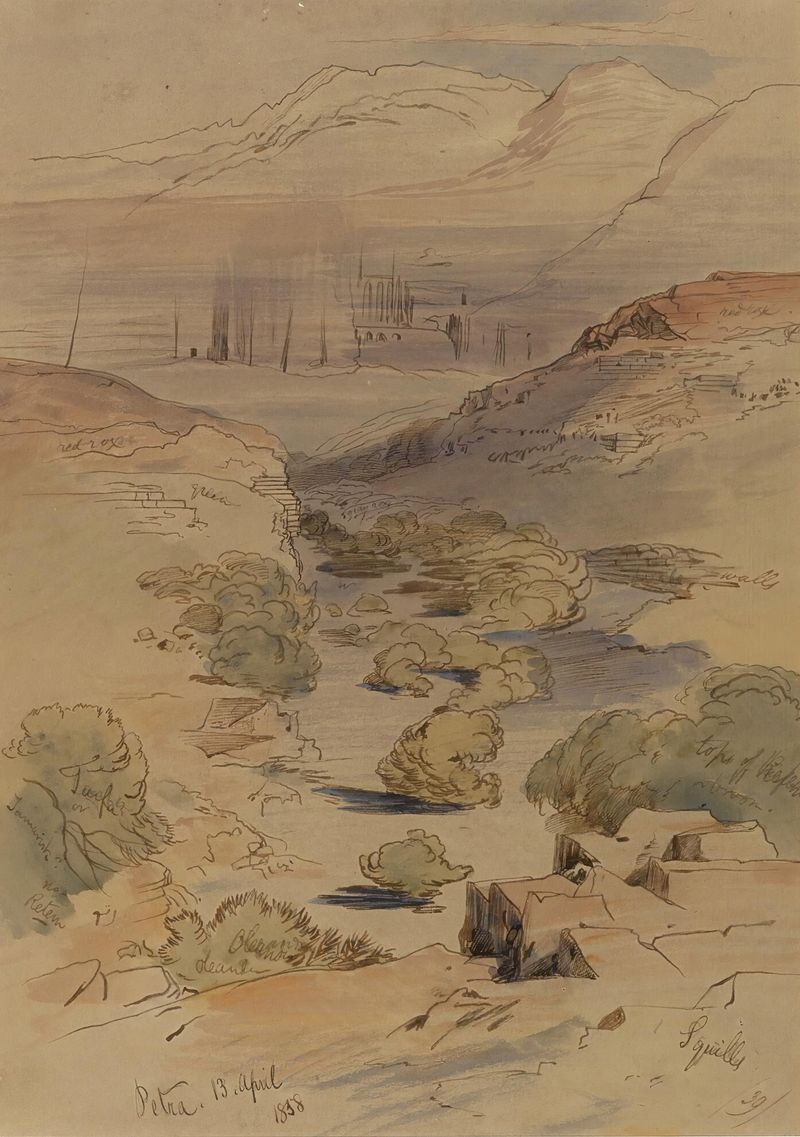
Petra
Edward Lear
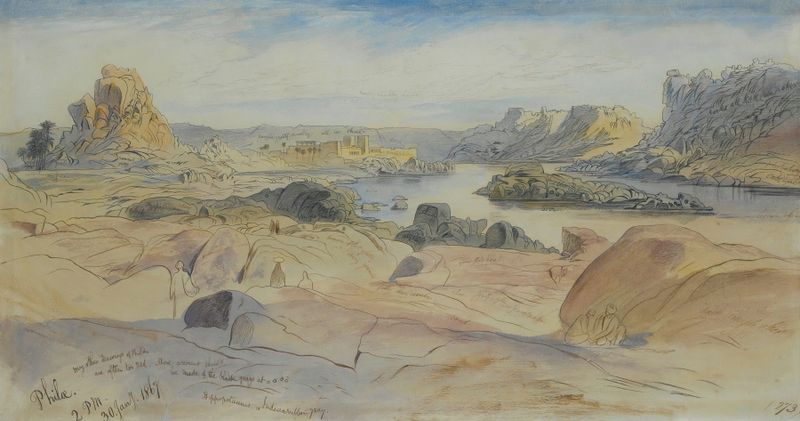
Philae, Egypt
Edward Lear
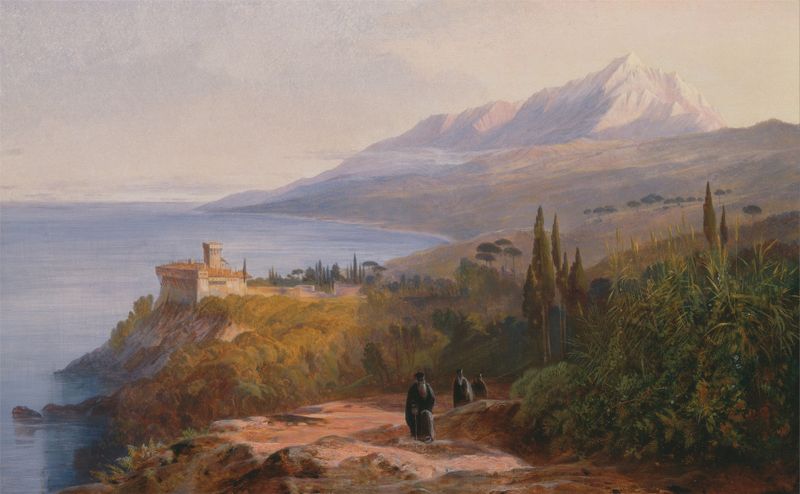
Mount Athos and the Monastery of Stavronikétes
Edward Lear
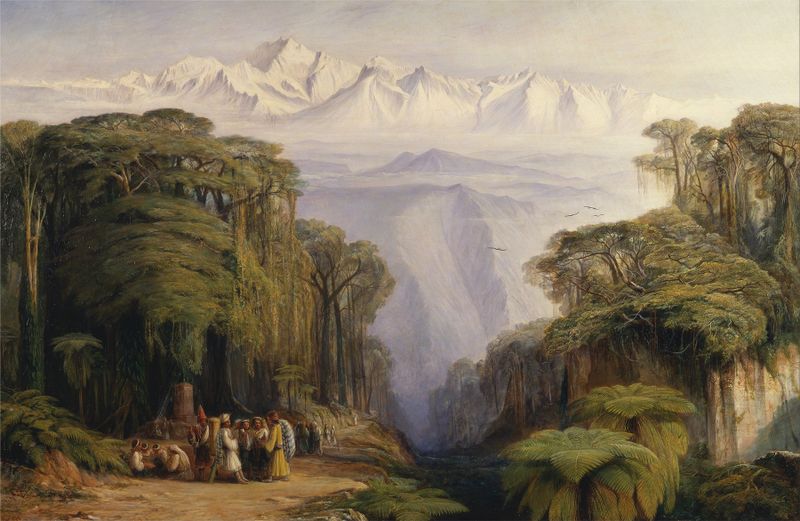
Kangchenjunga from Darjeeling
Edward Lear
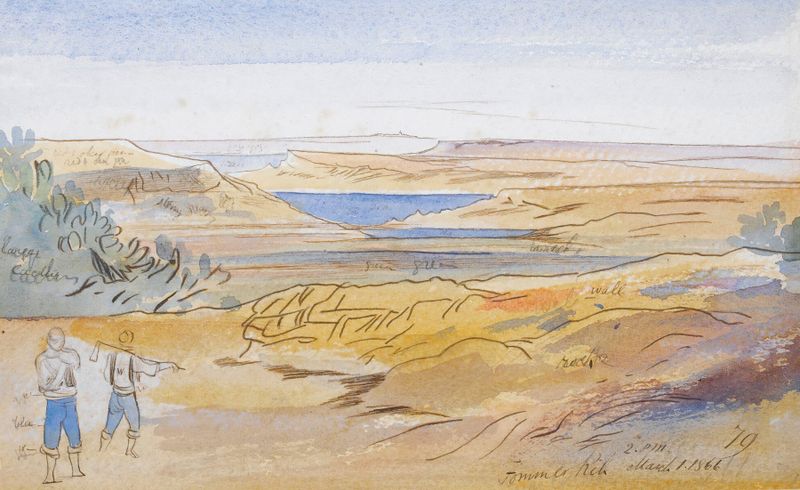
Fomm Ir-Rih, Malta
Edward Lear
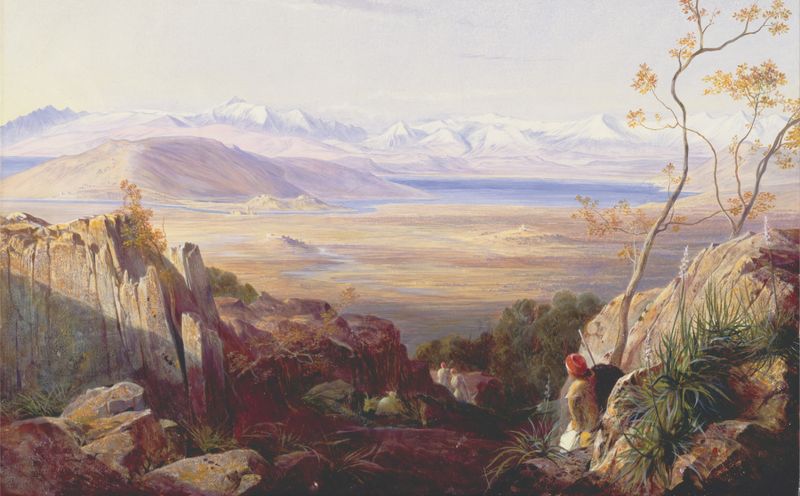
Butrinto, Albania
Edward Lear
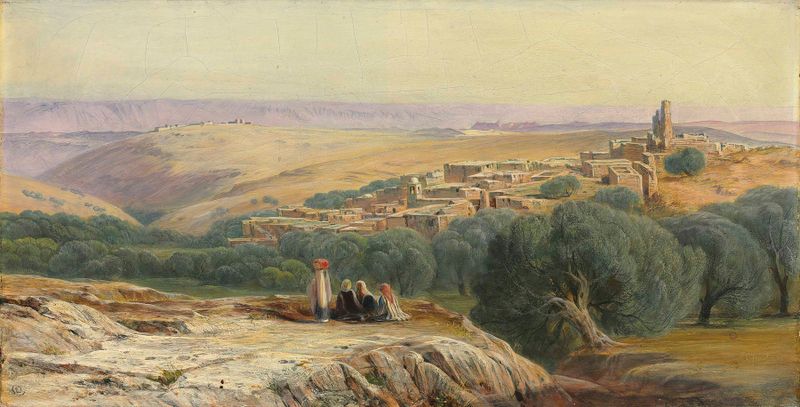
The Plains of Bethany
Edward Lear

Karnak, 9-30 pm, 22 January 1867
Edward Lear
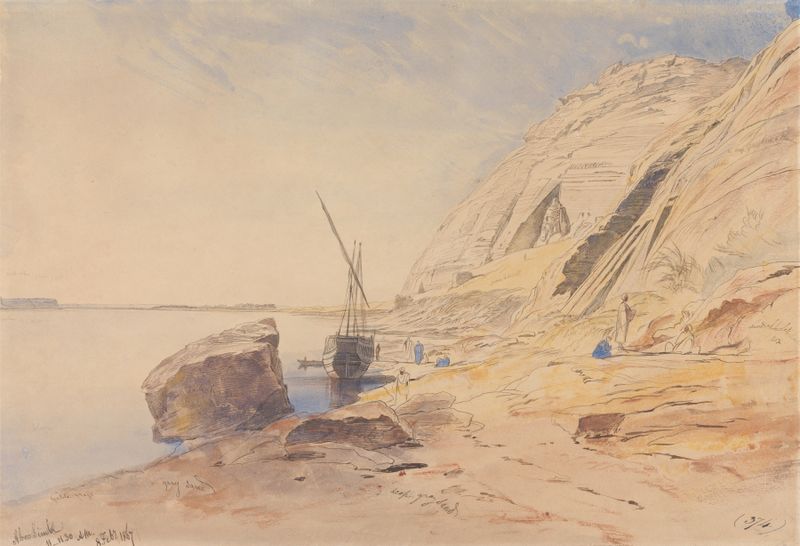
Abu Simbel, 11-11;30 am, 8 February 1867 (374)
Edward Lear

A View Of Mount Athos And The Pantokrator Monastery, Greece
Edward Lear





