
Albert (Paul Besnard dit) Esquisse pour la salle des mariages de la mairie du 1er , L'Hiver, ou Le Soir de la vie — History & Facts
A hush falls over the scene: two figures, hunched and wrapped in shadow, sit close together on cold stone steps, their forms nearly merging with the dusk that presses in from a forested distance. The arching composition draws the eye to their embrace, a gesture that reads as both comfort and resignation. Behind them, another figure recedes up the stairs, nearly lost in the golden gloom, while a sculpted angel presides mutely above, its gesture echoing the mournful quiet below.
The palette is pared down to wintry greys and ochres, the world outside the arch fading into a blur of bare trees, as if memory itself were dissolving. Light is rationed, falling only in pale washes, heightening the sense of evening—of a day, or a life, nearly spent. Painted in 1886, this work by Albert Besnard belongs to a moment in French art when allegory and symbolism were finding new forms. The late nineteenth century saw civic spaces—like the Parisian town halls—commissioning grand cycles to represent the seasons of life, marriage, and society, often turning to artists known for their atmospheric touch.
History has kept few traces of this particular sketch’s journey, now preserved in the Paris Musées collection, but its mood speaks to the era’s fascination with twilight, both literal and metaphorical. In this unfinished state, the painting invites us to linger at the edge of the story, searching the gloom for what remains unsaid.
More Artworks by Albert Besnard
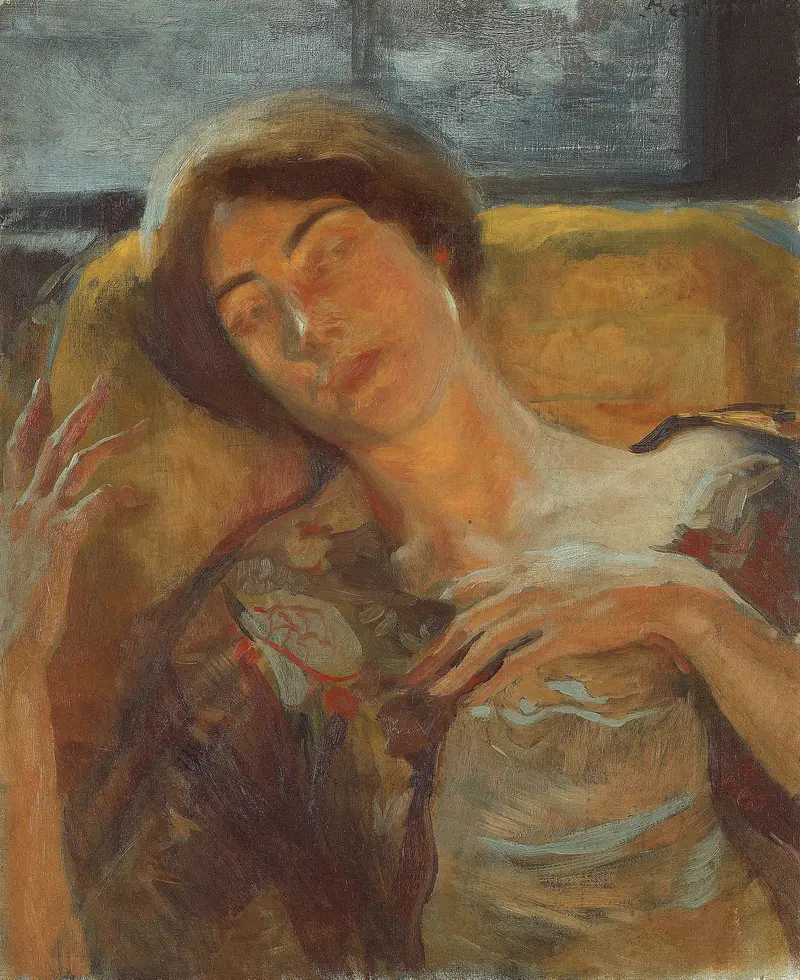
Woman's Head
Albert Besnard
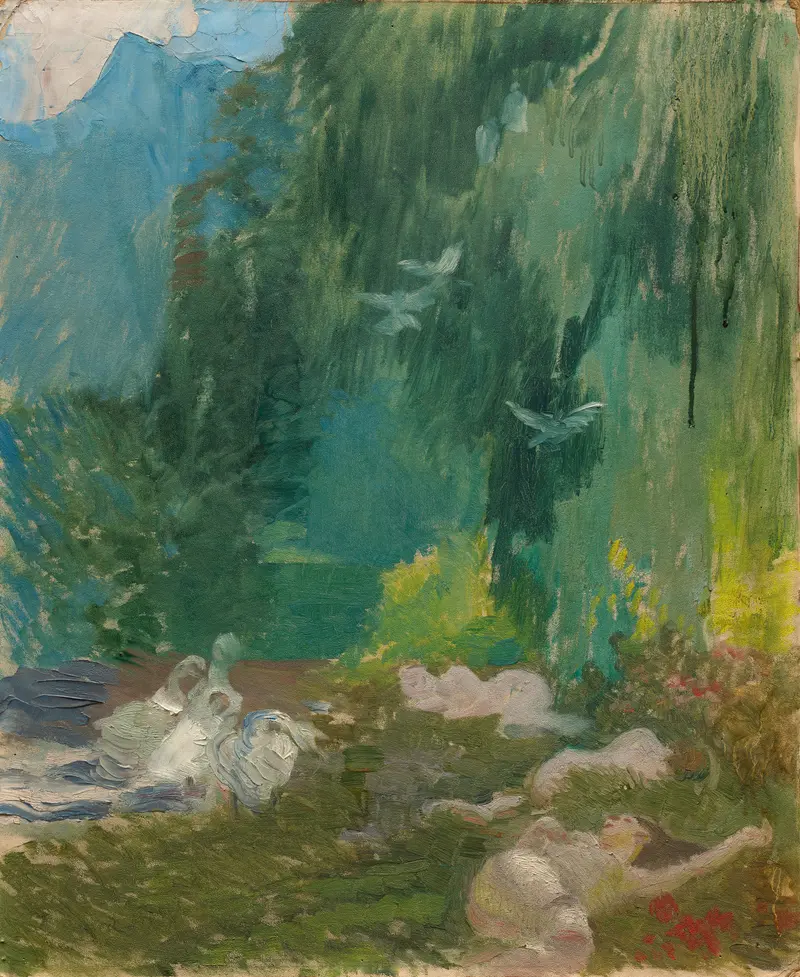
The Siesta
Albert Besnard
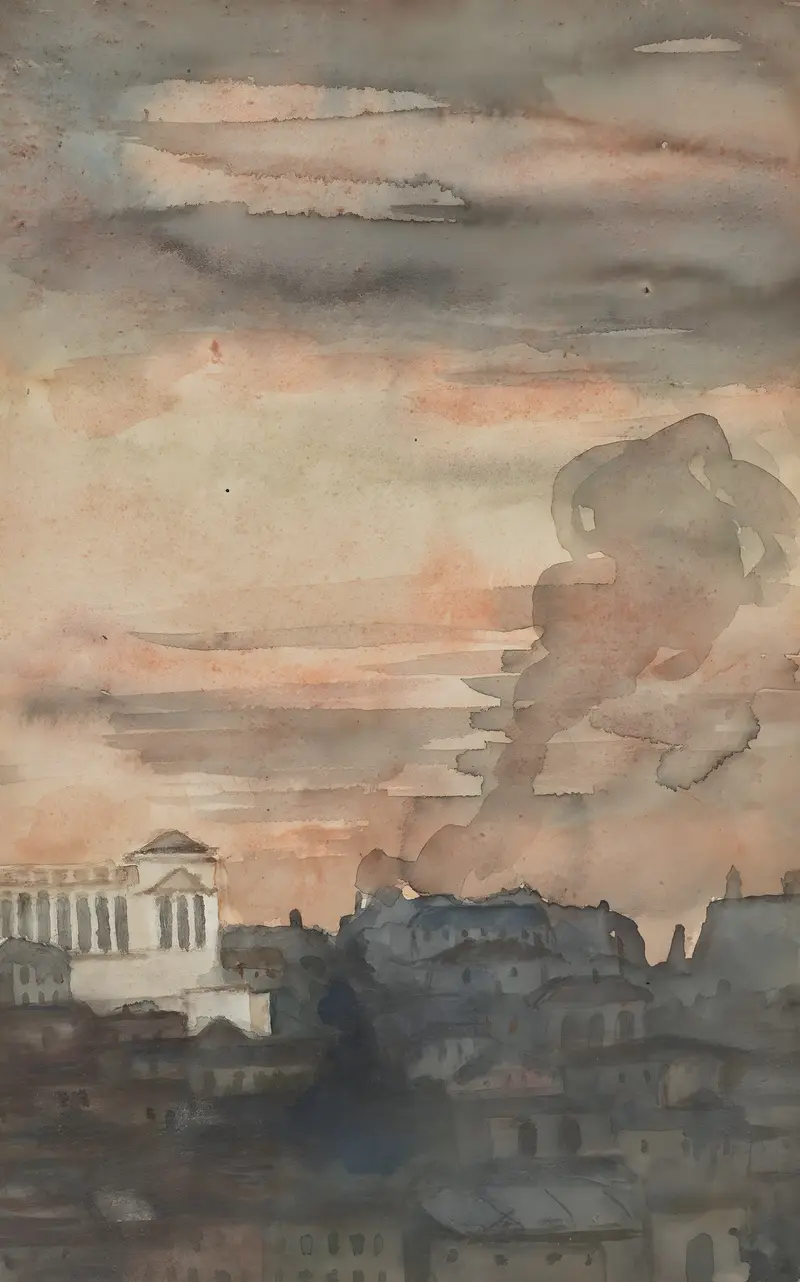
View of Rome with the Vittorio Emanuele II Monument in the distance, at sunset
Albert Besnard
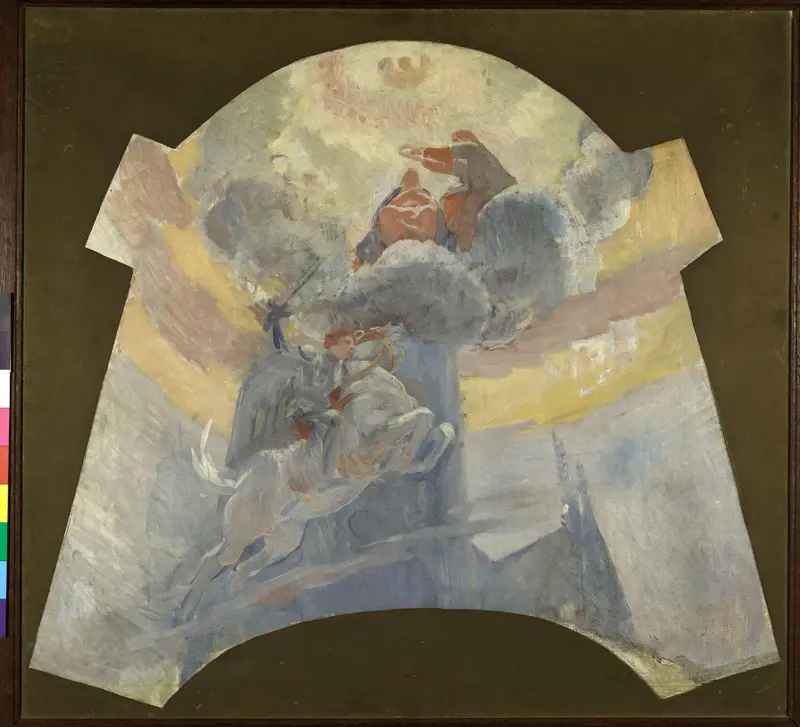
Albert (Paul Besnard dit) La Mystique, esquisse de la composition d'ensemble
Albert Besnard
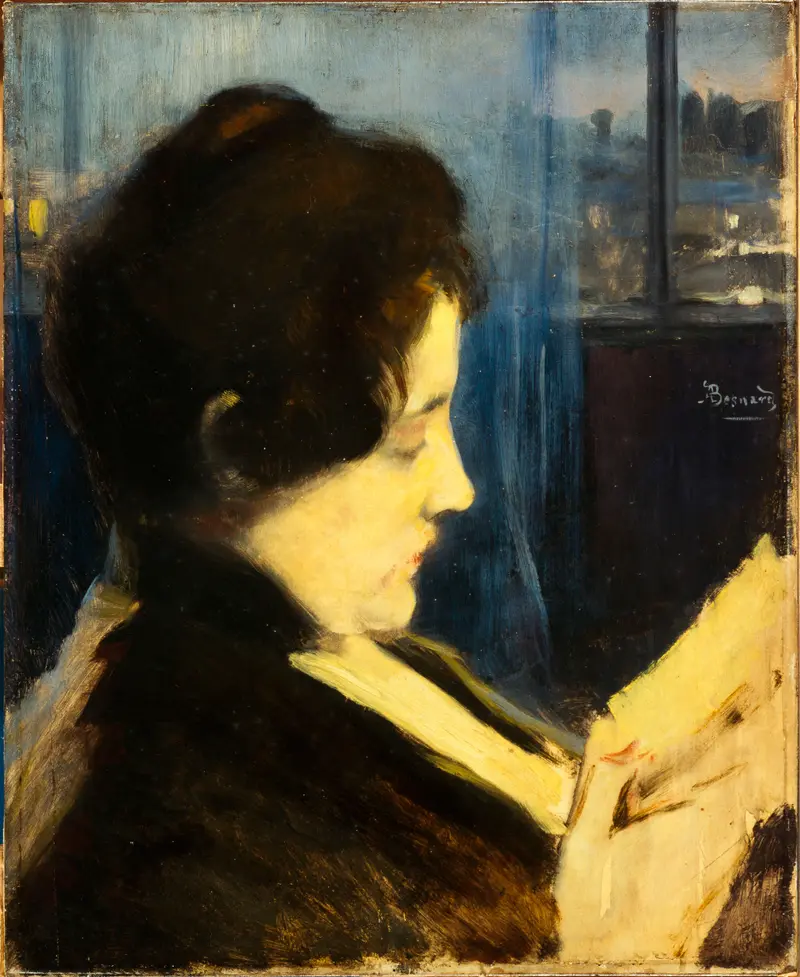
Charlotte Besnard c.
Albert Besnard
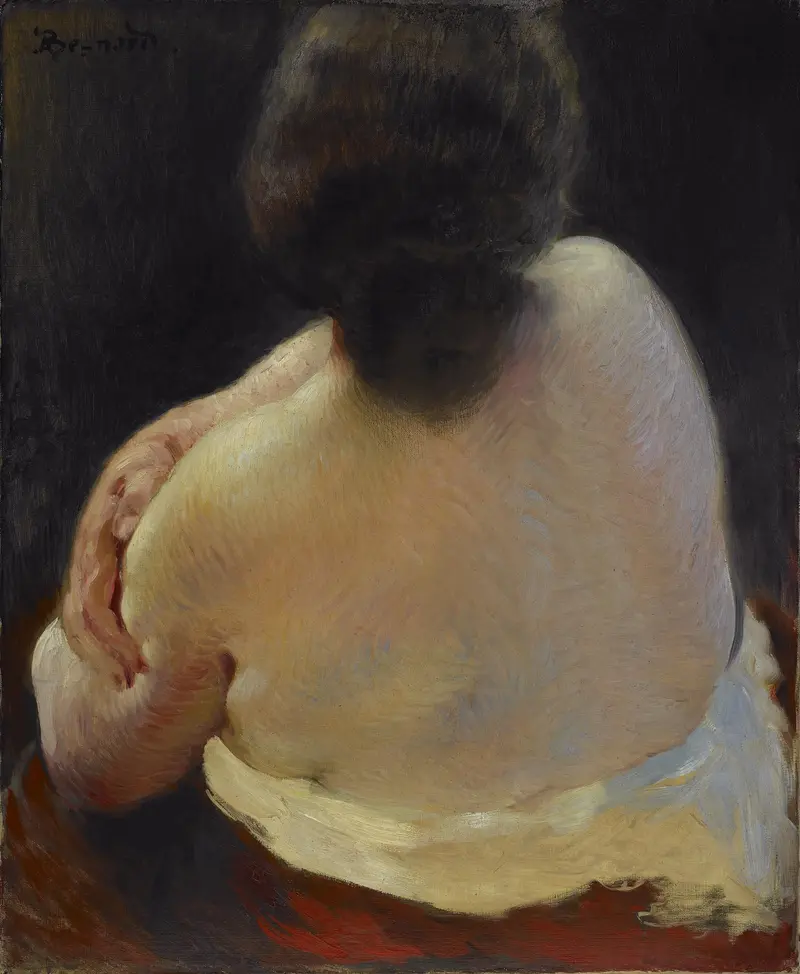
Back of a Woman, Study
Albert Besnard
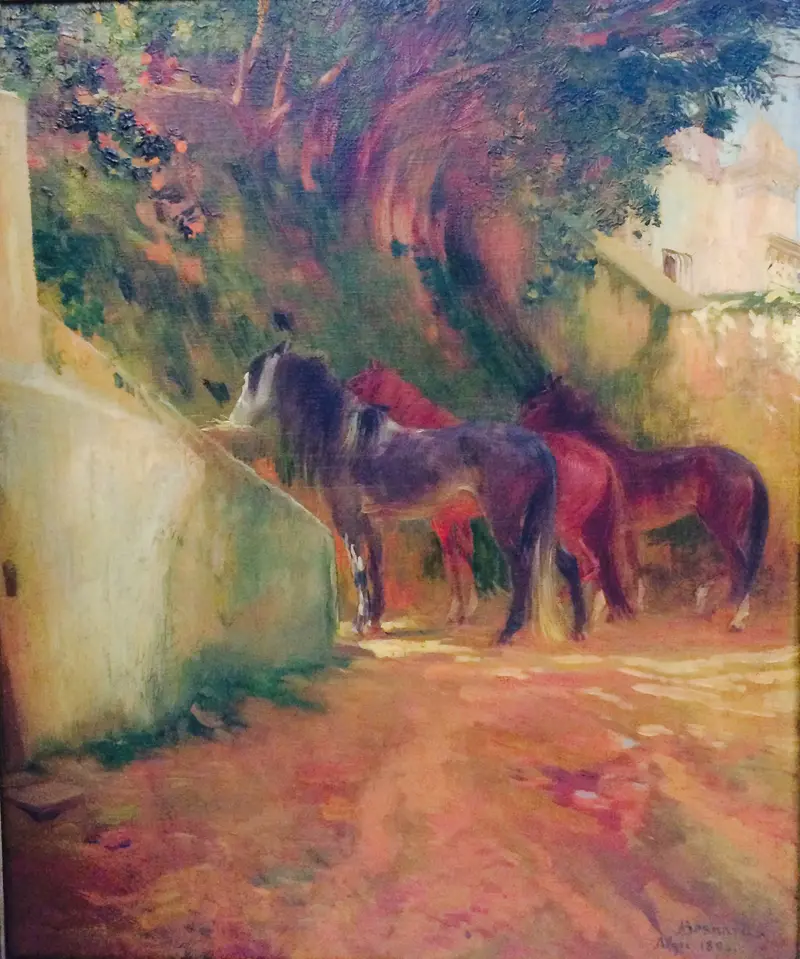
Horses
Albert Besnard
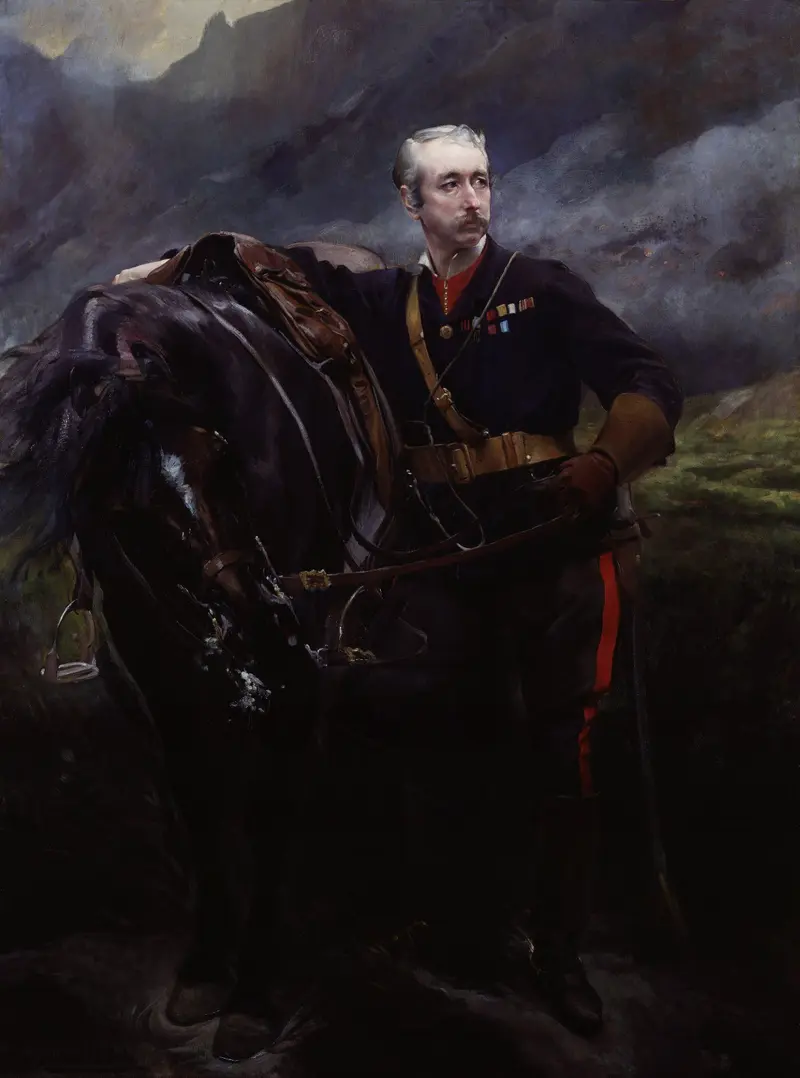
Garnet Joseph Wolseley, 1st Viscount Wolseley
Albert Besnard
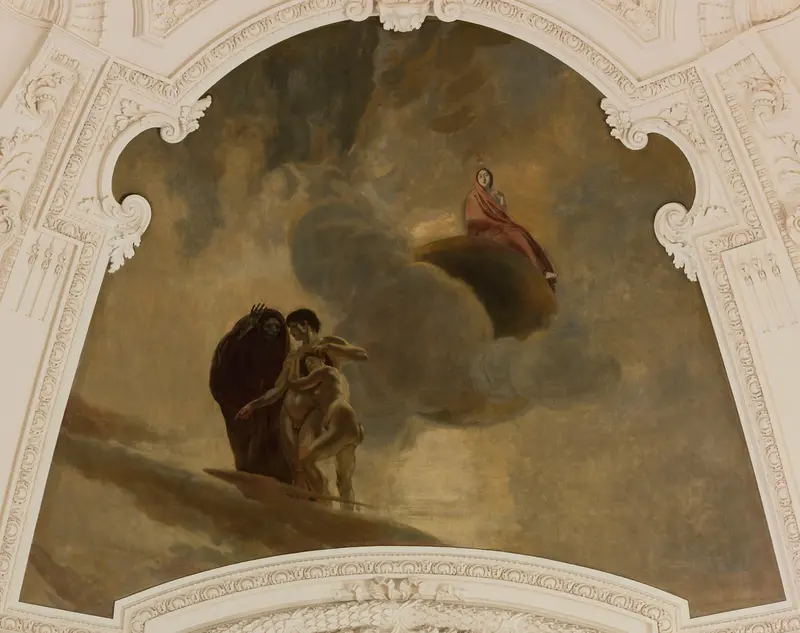
Besnard La Pensée DECOP00A(04) Petit Palais 01
Albert Besnard
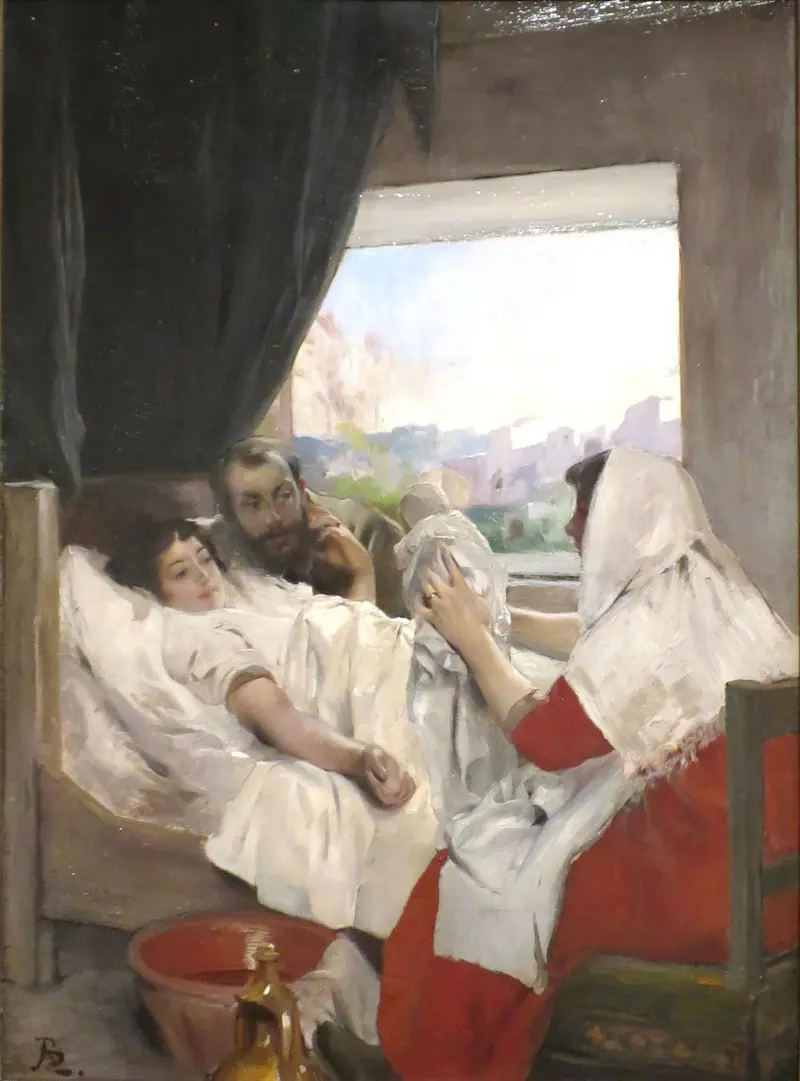
The First Morning (Albert and Charlotte Dubray Besnard and their Son, Robert)
Albert Besnard





