
Aleja Szucha in Warsaw — History & Facts
Did the painter know this moment would outlive them? The stillness captured in this artwork speaks volumes, a silent testament to a time and place that echo through history. Focus your gaze on the center of the canvas, where a long avenue stretches out, flanked by stately buildings rendered in muted hues. Notice how the shadows play upon the cobblestones, their cool tones creating a contrast to the warm golden light that bathes the scene. Each brushstroke reveals a meticulous attention to detail, from the delicate foliage in the trees to the architectural embellishments of the structures, which together breathe life into this serene yet somber moment. As you examine further, consider the absence of human presence.
This silence invites contemplation, evoking feelings of solitude and reflection amidst the bustling life that the avenue would typically host. The stark emptiness suggests an unsettling pause, a brief respite before the tumult of history would change everything, hinting at the consequences that loomed on the horizon. The juxtaposition of this peaceful scene against the backdrop of rising tensions during the interwar period creates a poignant contrast, inviting deeper questions about memory and loss. Waliszewski painted this scene in 1933, a time when Poland was navigating a new identity after gaining independence.
Amidst the shake-ups in European art influenced by modernism, he sought to capture the essence of Warsaw, reflecting a deep connection to the city. This work stands as a historical marker, encapsulating a fleeting moment of tranquility before the tempest of war would alter the landscape and spirit of the city forever.
More Artworks by Zygmunt Waliszewski
Browse all →
Blossoming orchard
Zygmunt Waliszewski
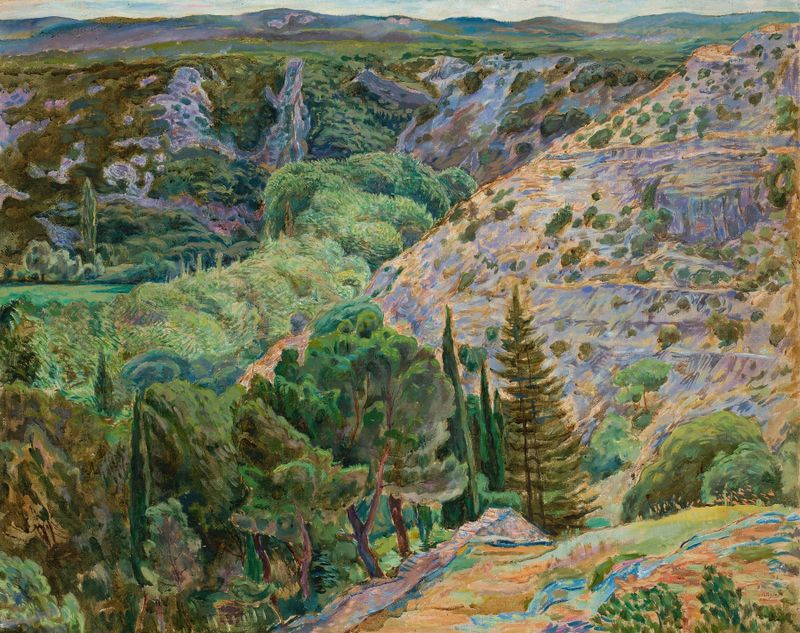
Landscape from Angles
Zygmunt Waliszewski

Landscape
Zygmunt Waliszewski
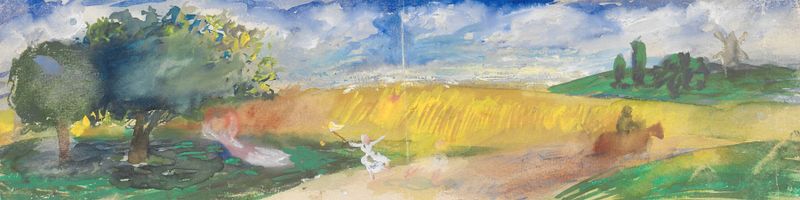
Field
Zygmunt Waliszewski
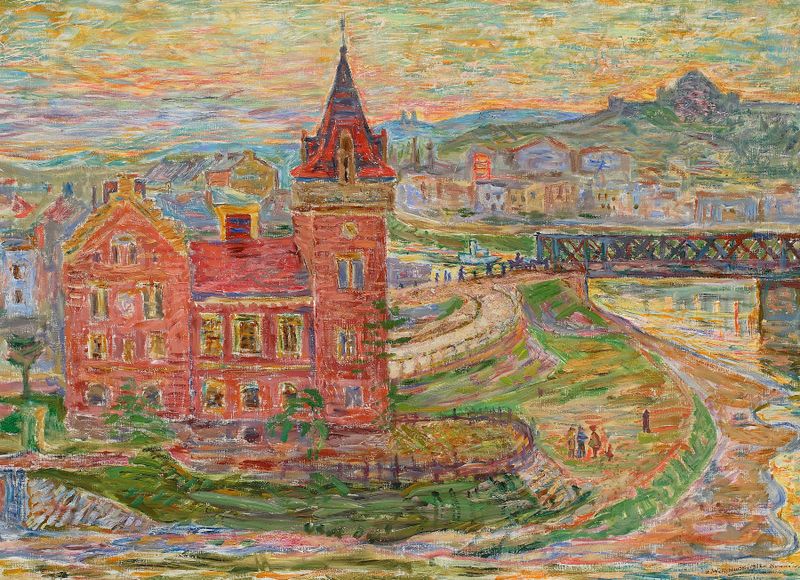
View from Wawel
Zygmunt Waliszewski
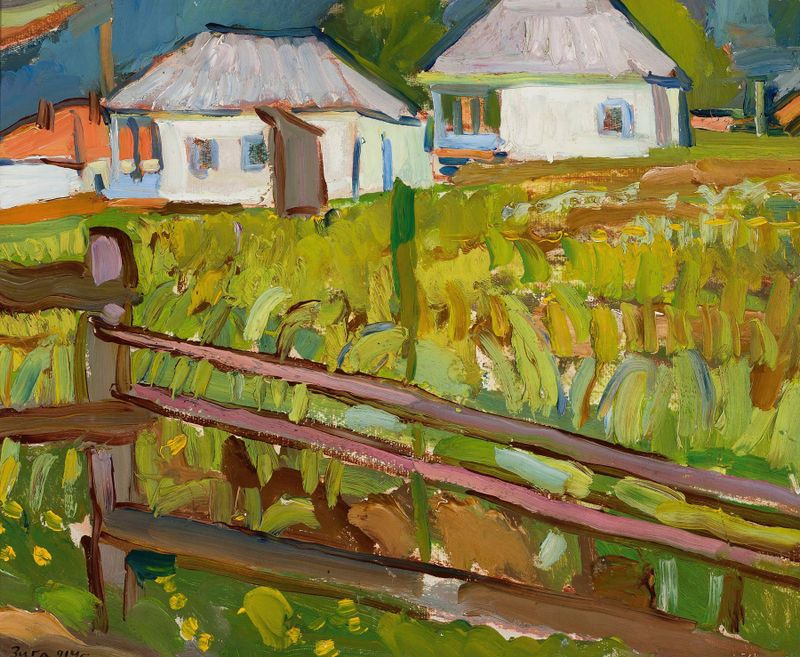
Landscape
Zygmunt Waliszewski
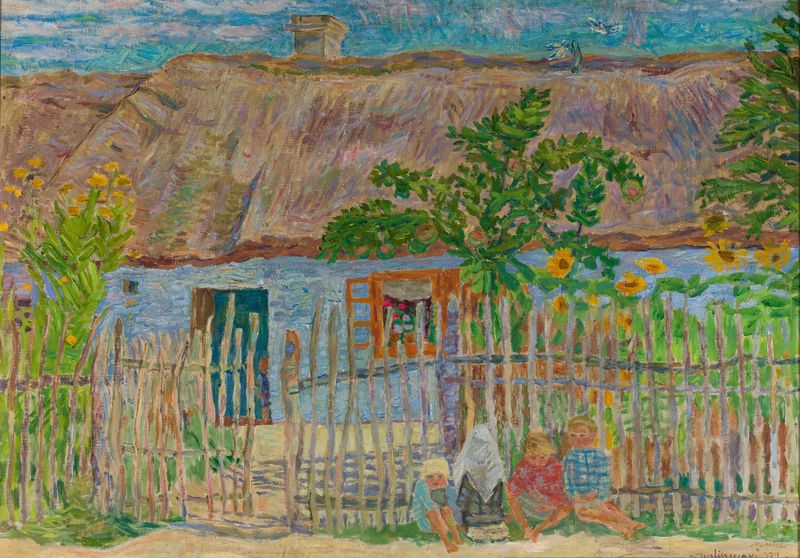
Cottage
Zygmunt Waliszewski
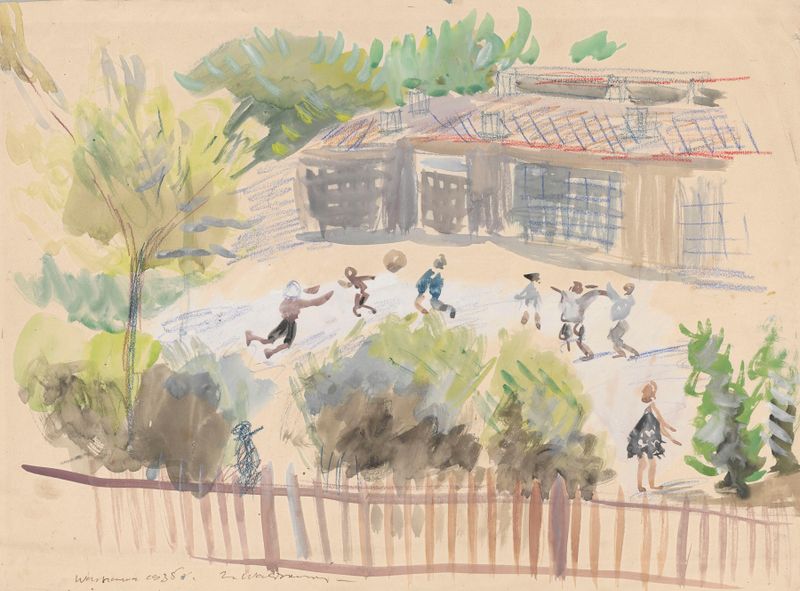
School backyard
Zygmunt Waliszewski
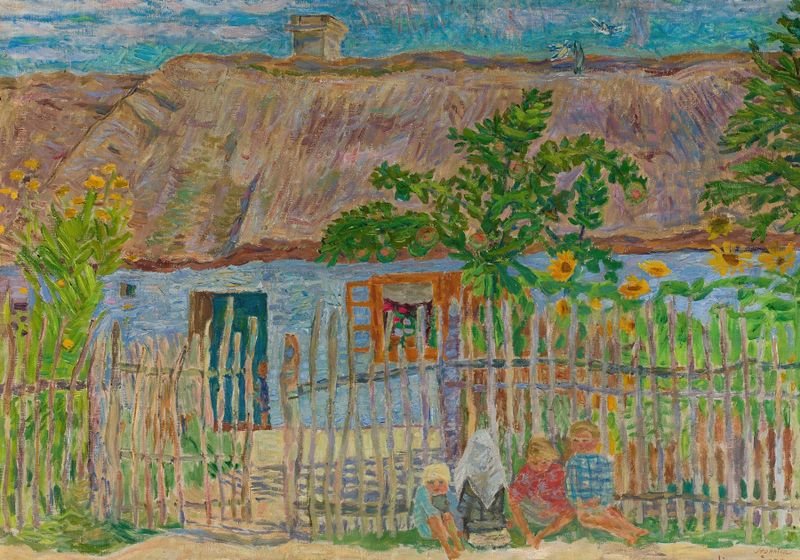
Cottage
Zygmunt Waliszewski
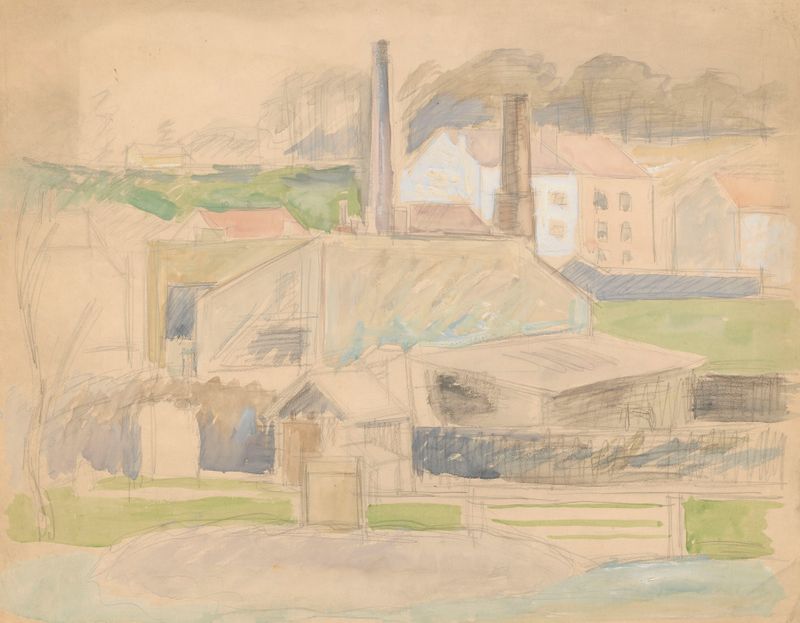
Sketch of a city landscape
Zygmunt Waliszewski
More Architecture Art
Browse all →
The statue of Liberty
Frédéric Auguste Bartholdi

View of Houses in Delft, Known as ‘The Little Street’
Johannes Vermeer

View of Houses in Delft, Known as ‘The Little Street’
Johannes Vermeer

The Cathedral in Rouen. The portal, Grey Weather
Claude Monet

The yellow house
Vincent van Gogh

The Church in Auvers-sur-Oise, View from the Chevet
Vincent van Gogh