
Landscape — History & Facts
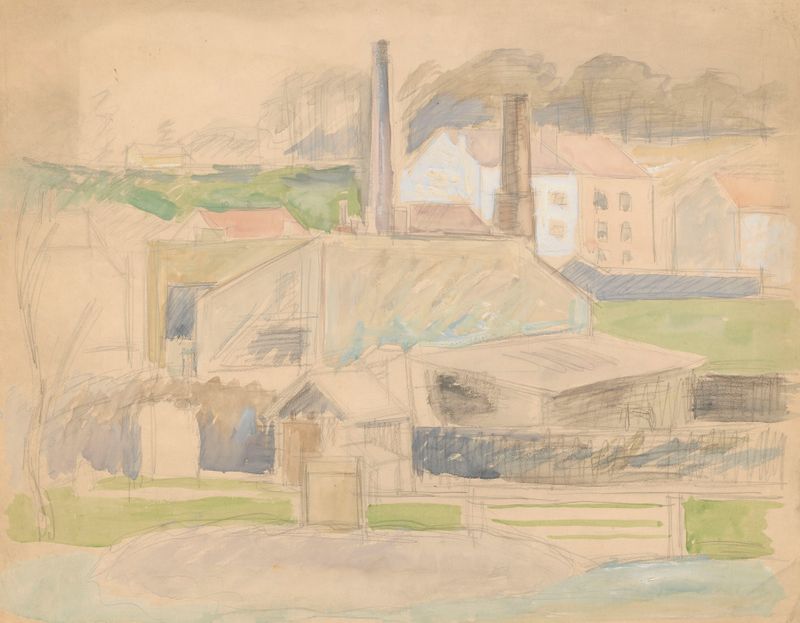
In the gentle strokes of a landscape, we find not just the beauty of nature, but the haunting echoes of loss that linger in our minds. Look closely at the horizon; the muted colors blend seamlessly into one another, creating an ethereal softness that invites you to linger. The sky, awash in pale blues and somber grays, appears heavy with unspoken memories. As you travel downwards, the brushwork shifts, revealing a more textured foreground where trees and foliage stand in stillness, their shapes almost ghost-like, as if they've borne witness to the passage of time itself.
The interplay of light and shadow beckons a deeper exploration, whispering of the past. In this artwork, emotional tensions emerge through contrasts between vibrancy and decay. The serene landscape stands as a testament to beauty, yet hints at the inevitable passage of time that erodes all things. The trees, though static, seem to embody a yearning—each branch reaching out, as if grasping for what was lost.
This sense of nostalgia interweaves with the tranquility of the scenery, creating a poignant dialogue between memory and existence. Zygmunt Waliszewski painted this work between 1914 and 1918, a period marked by the turmoil of World War I. Living in Poland during these tumultuous years, he grappled with the changes in the world around him while still seeking solace in nature's beauty. This juxtaposition of internal and external conflict is palpable in his art, capturing both the solace and the sorrow that landscapes often embody.
More Artworks by Zygmunt Waliszewski
Browse all →
Blossoming orchard
Zygmunt Waliszewski
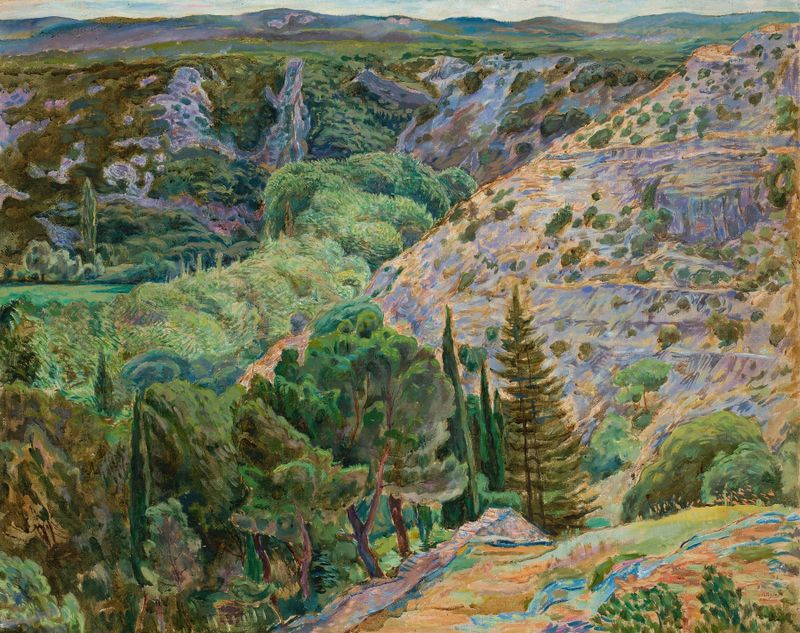
Landscape from Angles
Zygmunt Waliszewski
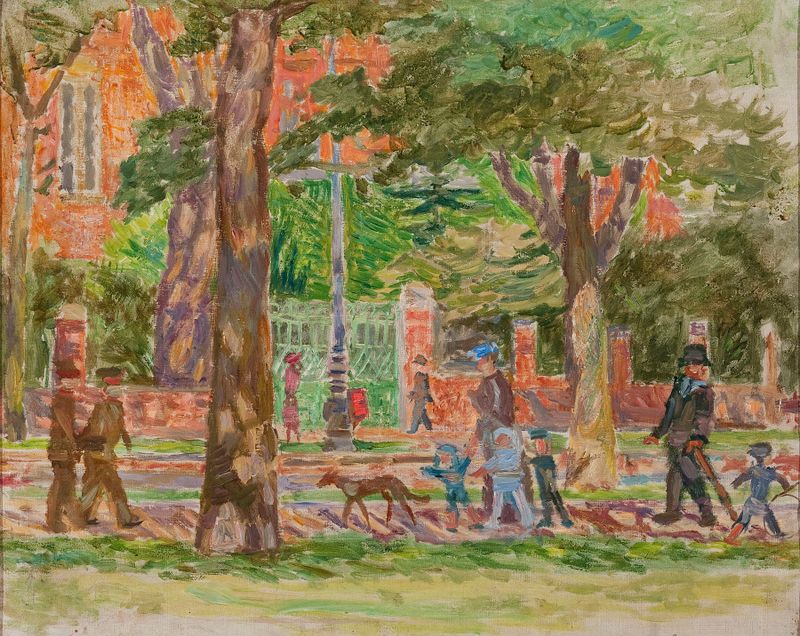
Aleja Szucha in Warsaw
Zygmunt Waliszewski
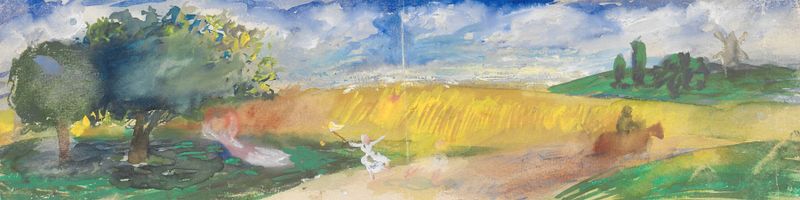
Field
Zygmunt Waliszewski
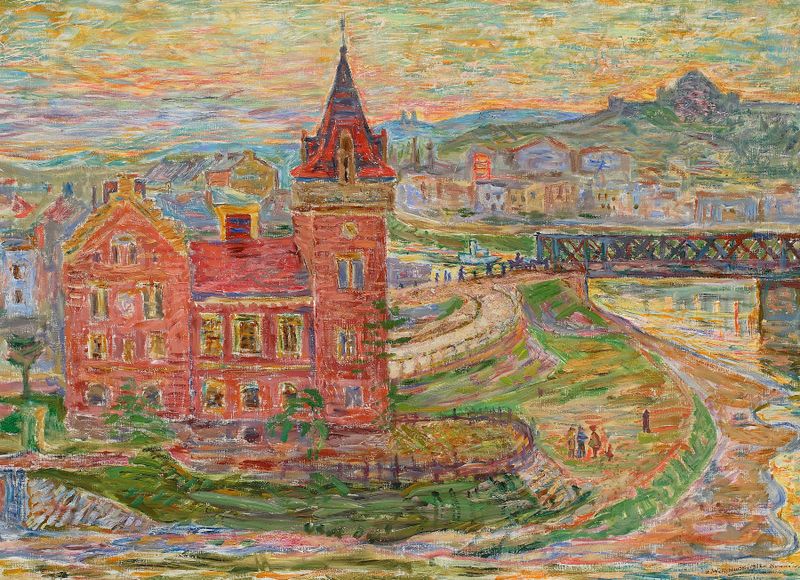
View from Wawel
Zygmunt Waliszewski
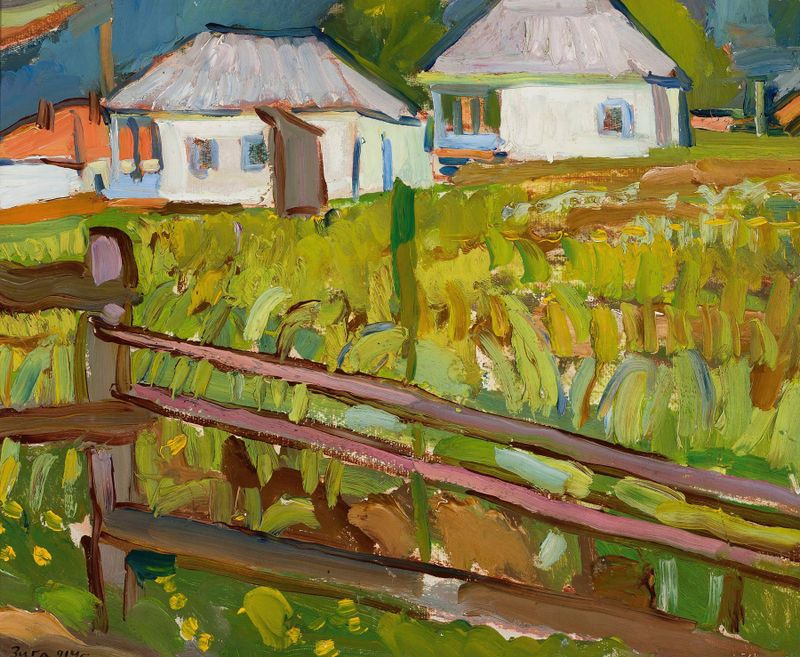
Landscape
Zygmunt Waliszewski
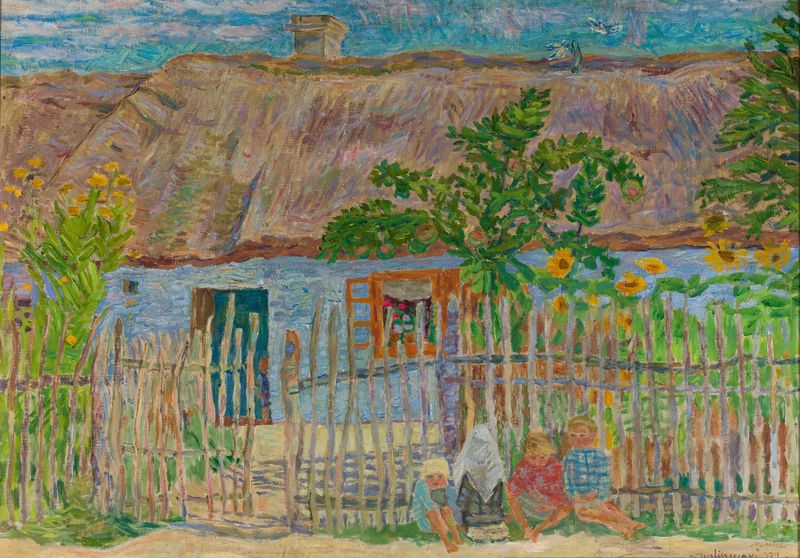
Cottage
Zygmunt Waliszewski
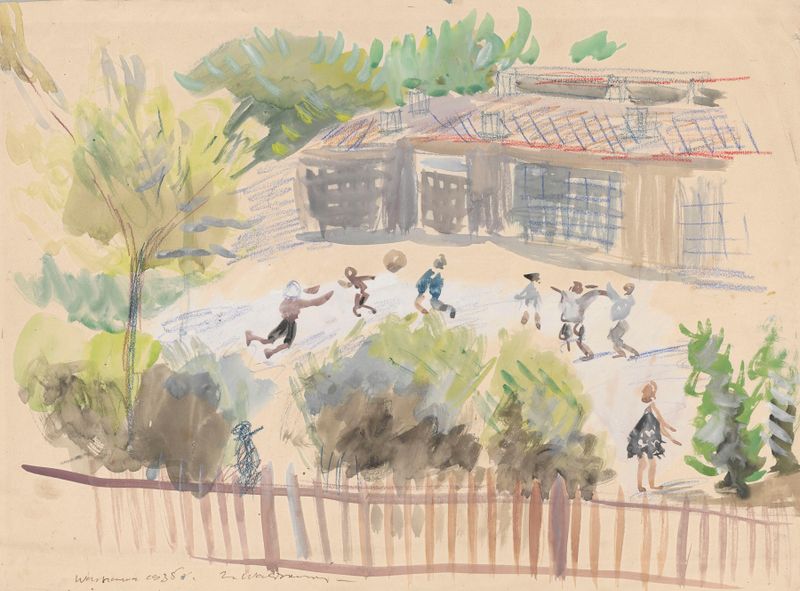
School backyard
Zygmunt Waliszewski
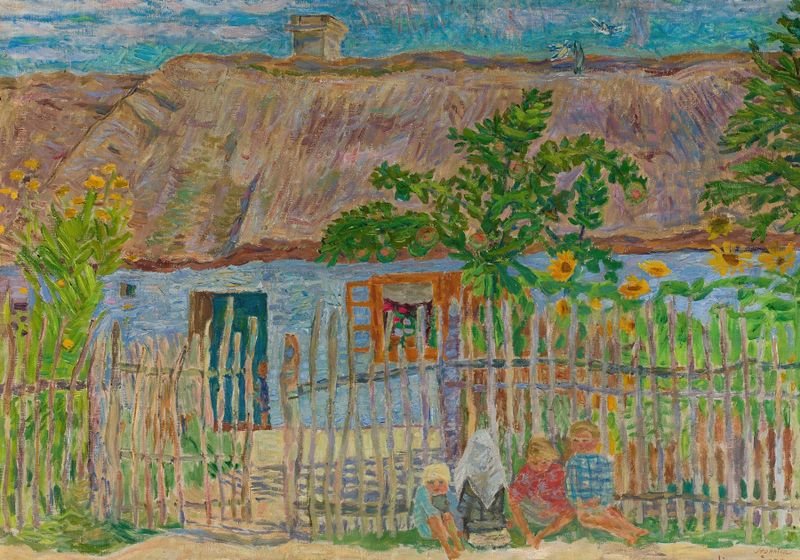
Cottage
Zygmunt Waliszewski
Sketch of a city landscape
Zygmunt Waliszewski





