
View from Wawel — History & Facts
What secret hides in the quiet of the canvas? A whisper of decay lingers, inviting us to contemplate the passage of time and the beauty that resides in impermanence. Look to the foreground where the crumbling stone walls command attention, their worn surfaces etched with the stories of ages past. The muted earth tones blend harmoniously, suggesting both warmth and neglect. Notice how the light delicately caresses the edges of the structure, highlighting the intricate details while casting long shadows that evoke a sense of mystery.
The composition draws the eye toward the distant horizon, where the vibrant greens of the countryside offer a stark contrast to the somber tones. It’s a moment frozen in time, where decay meets the promise of renewal. As we delve deeper, the emotional tension between history and rejuvenation emerges. The juxtaposition of the robust, ancient architecture against the verdant landscape conveys a dialogue of resilience and vulnerability.
Each crack and crevice in the walls seems to tell a story of endurance, while the lush surroundings symbolize nature's relentless march forward. Together, they evoke a bittersweet nostalgia, prompting reflections on what is lost and what may yet blossom anew. Zygmunt Waliszewski painted View from Wawel in 1932 while living in Poland amid political and social upheaval. This period marked a significant shift in the art world, particularly with the rise of modernism.
Waliszewski, seeking to capture the essence of his homeland, infused his work with a deep sense of history, reflecting both the beauty and decay that characterize the ever-evolving landscape of human experience.
More Artworks by Zygmunt Waliszewski
Browse all →
Blossoming orchard
Zygmunt Waliszewski
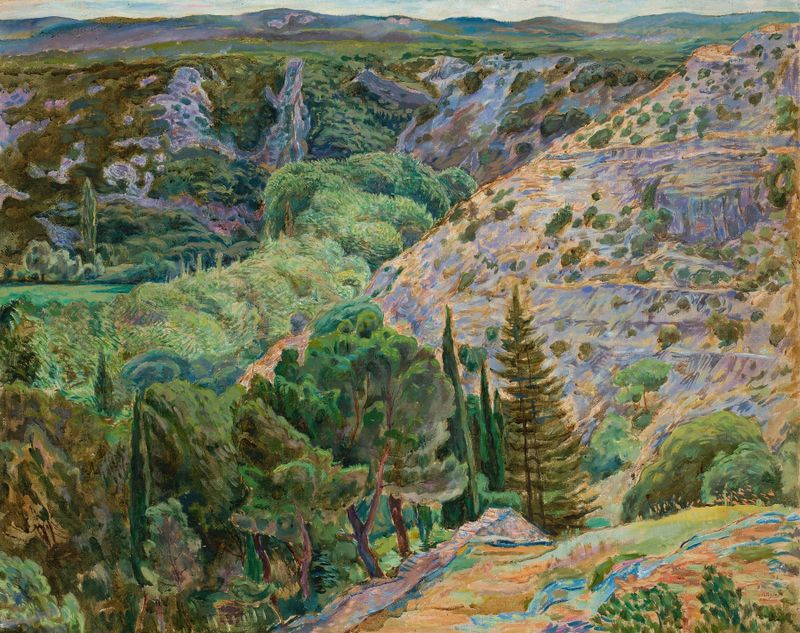
Landscape from Angles
Zygmunt Waliszewski

Landscape
Zygmunt Waliszewski
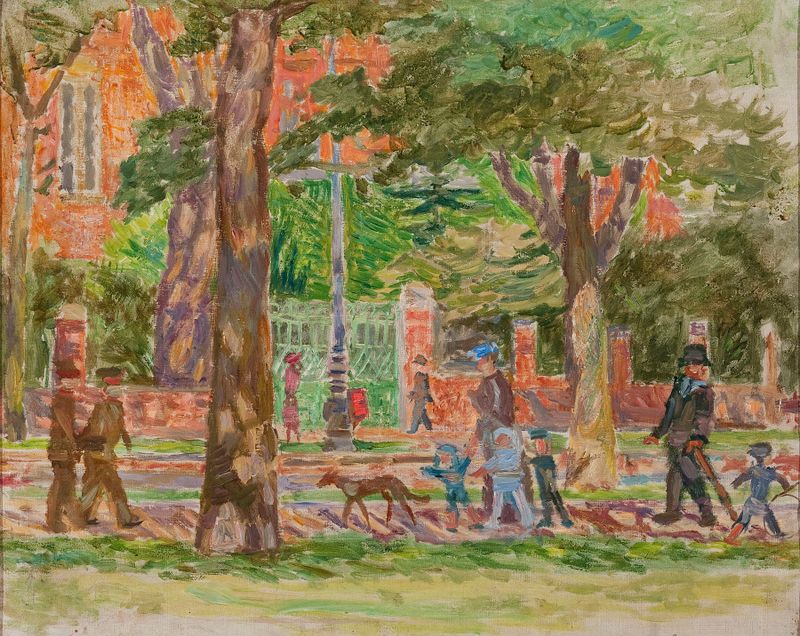
Aleja Szucha in Warsaw
Zygmunt Waliszewski
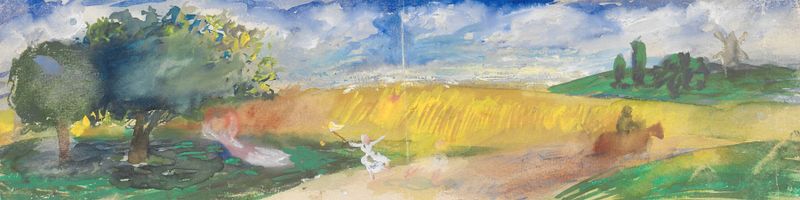
Field
Zygmunt Waliszewski
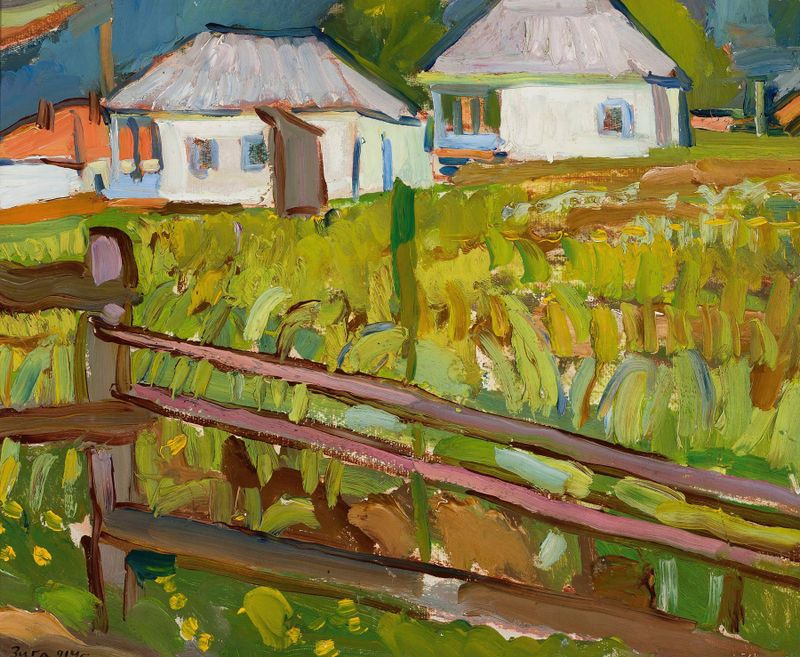
Landscape
Zygmunt Waliszewski
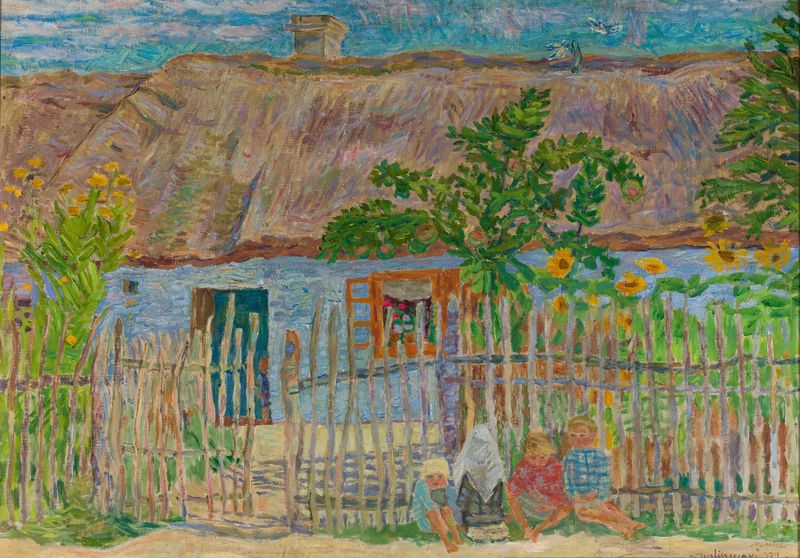
Cottage
Zygmunt Waliszewski
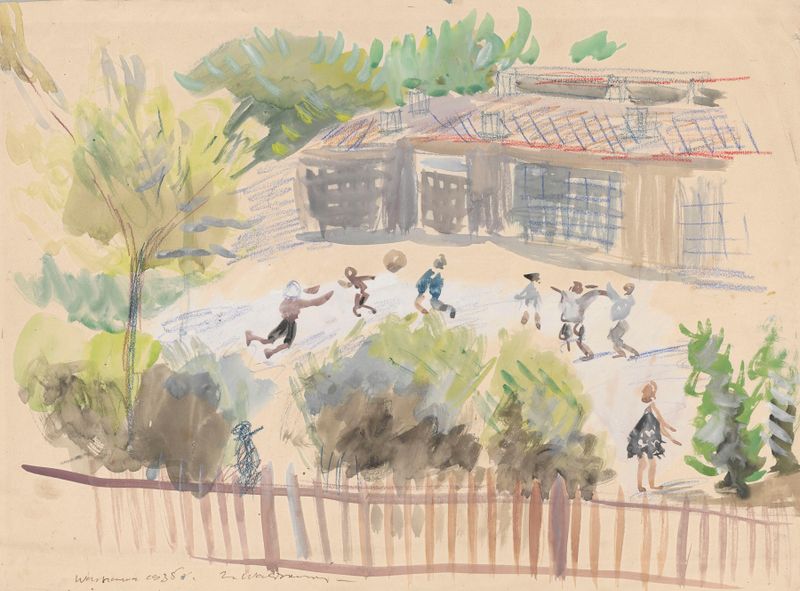
School backyard
Zygmunt Waliszewski
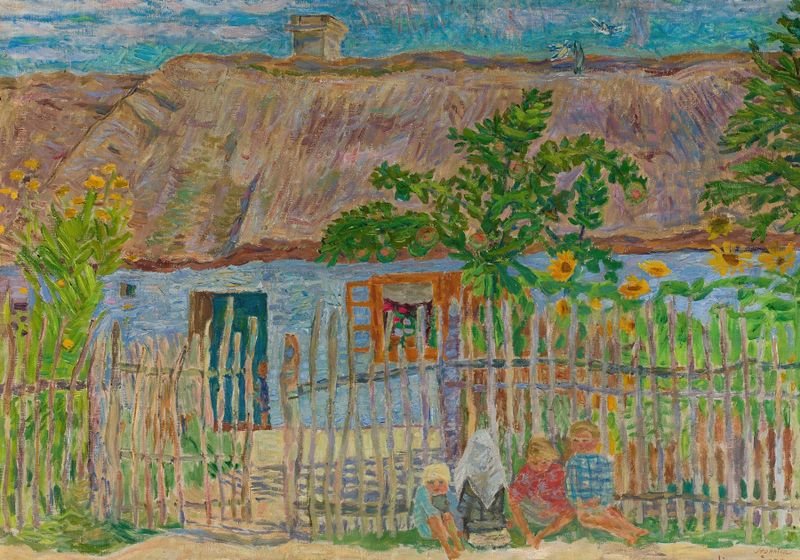
Cottage
Zygmunt Waliszewski
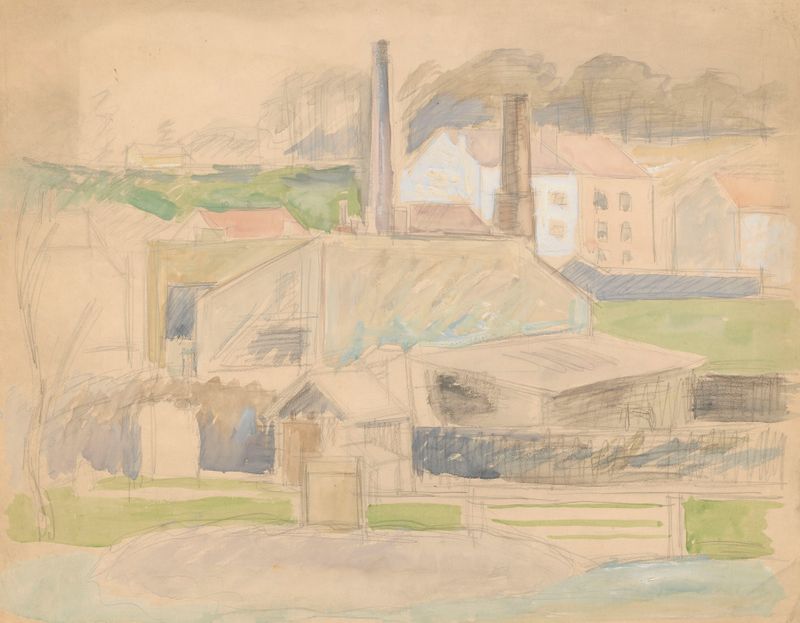
Sketch of a city landscape
Zygmunt Waliszewski





