
Cottage — History & Facts
In the quietude of a secluded landscape, the shadows of life whisper secrets that linger just beyond the canvas. There is an intimacy in the stillness, a palpable tension between what is seen and what is felt, as if the very essence of the scene rests in the play of light and dark. Look to the left, where soft brushstrokes outline a rustic cottage, enveloped by the warm embrace of earth tones. Notice how the muted greens and browns dance together, creating a serene backdrop that invites contemplation.
The light filters through the trees, casting delicate patterns across the surface, while the shadowed corners hint at untold stories. Each stroke seems intentionally placed, a masterful blend of technique that evokes both peace and nostalgia. Within this simple setting lies a contrast of existence: the vibrant life of the cottage against the stillness of its shadowy surroundings. The interplay between light and shadow suggests the duality of human experience—joy interwoven with sorrow, presence shadowed by absence.
The quietude is deceptive, inviting viewers to ponder what lies beneath the surface, transforming the ordinary into the extraordinary. Zygmunt Waliszewski created Cottage in 1929, during a time when he was exploring the integration of realism and emotion in his work. Living in Poland amidst the evolving art scene, he sought to capture the subtleties of daily life and nature, reflecting a growing interest in expressing inner truths through simple, yet profound, imagery. The painting stands as a testament to his dedication to revealing the beauty in the mundane.
More Artworks by Zygmunt Waliszewski
Browse all →
Blossoming orchard
Zygmunt Waliszewski
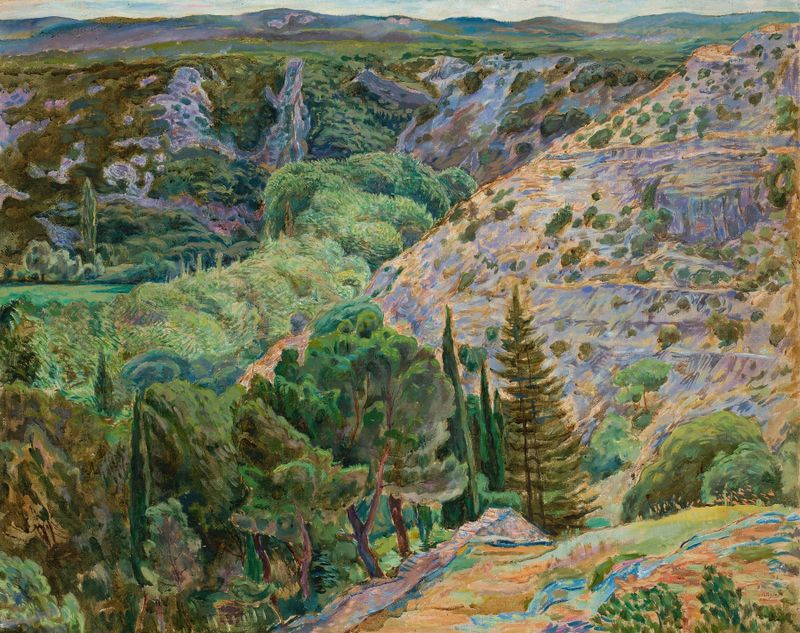
Landscape from Angles
Zygmunt Waliszewski

Landscape
Zygmunt Waliszewski
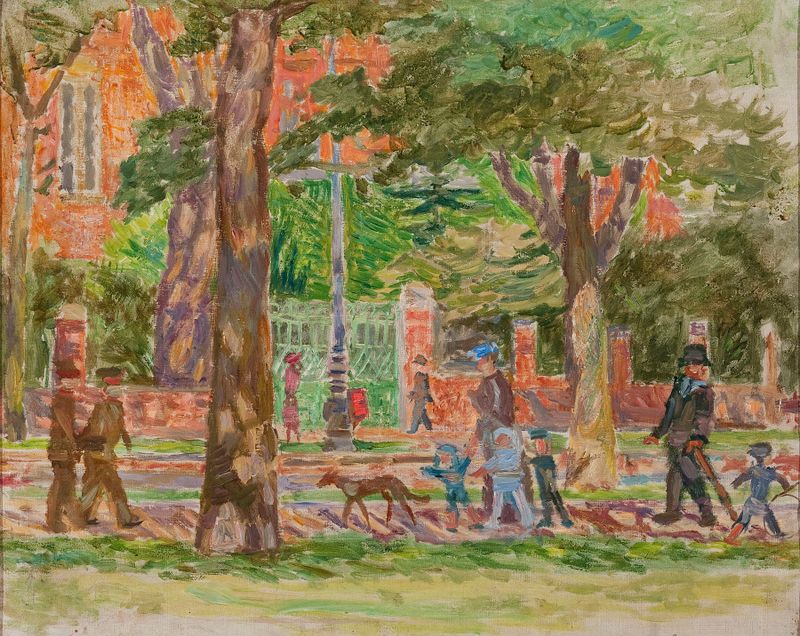
Aleja Szucha in Warsaw
Zygmunt Waliszewski
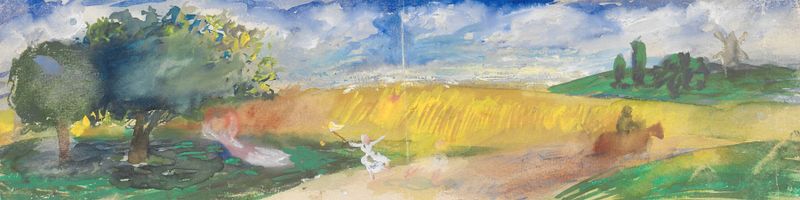
Field
Zygmunt Waliszewski
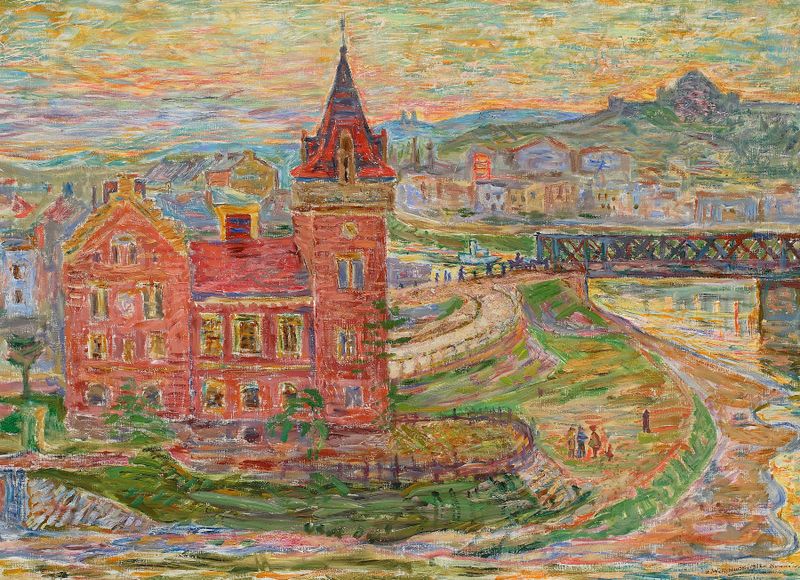
View from Wawel
Zygmunt Waliszewski
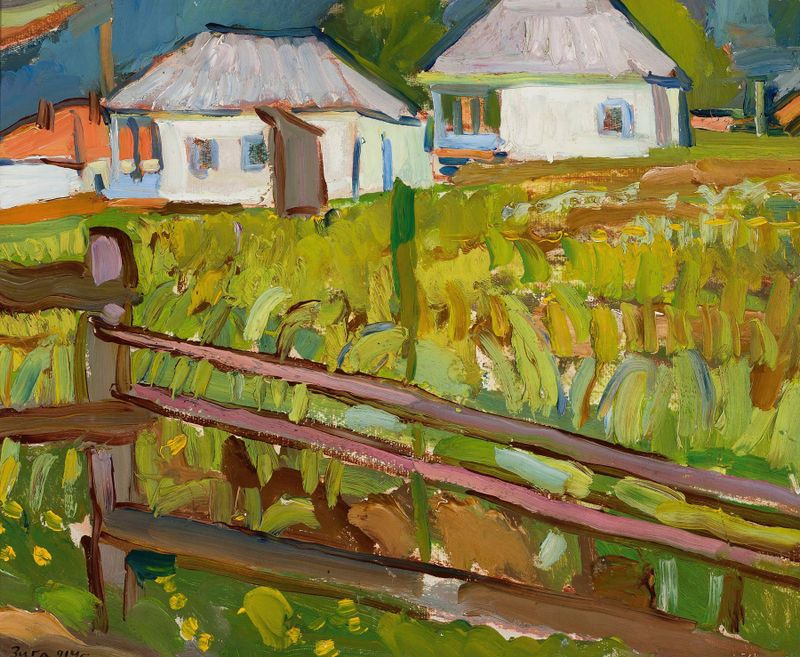
Landscape
Zygmunt Waliszewski
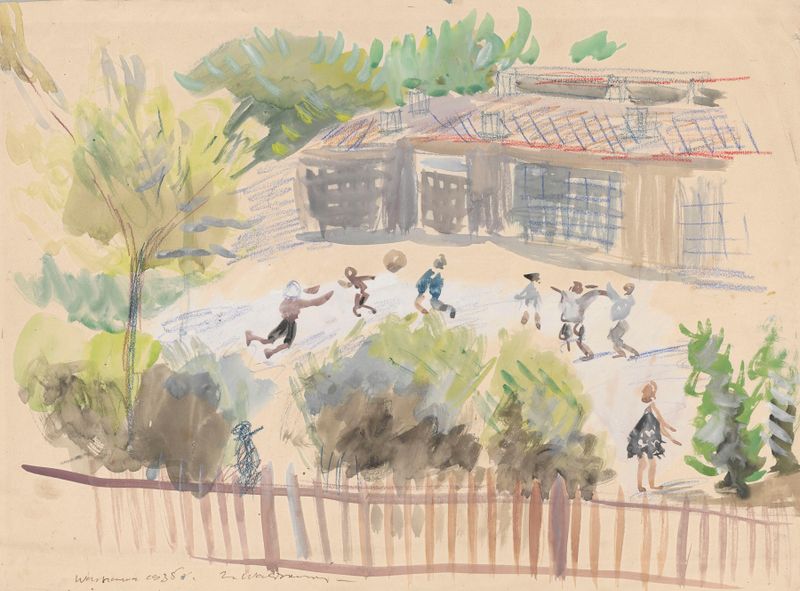
School backyard
Zygmunt Waliszewski
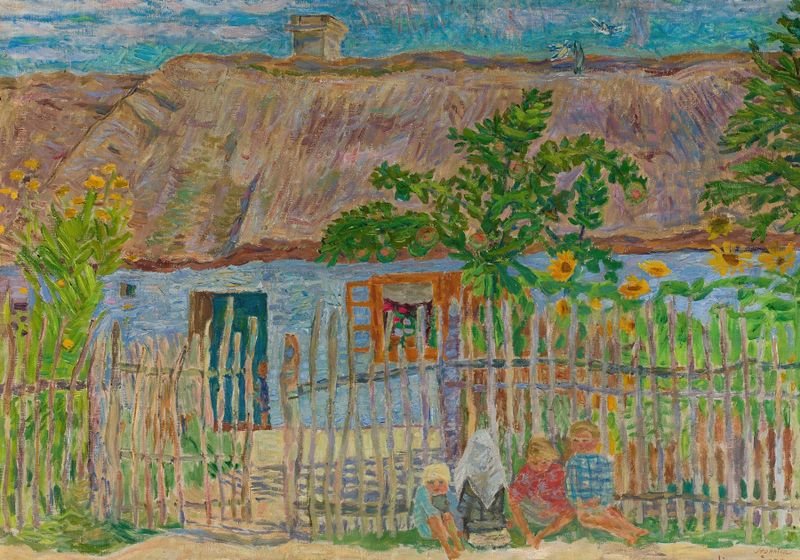
Cottage
Zygmunt Waliszewski
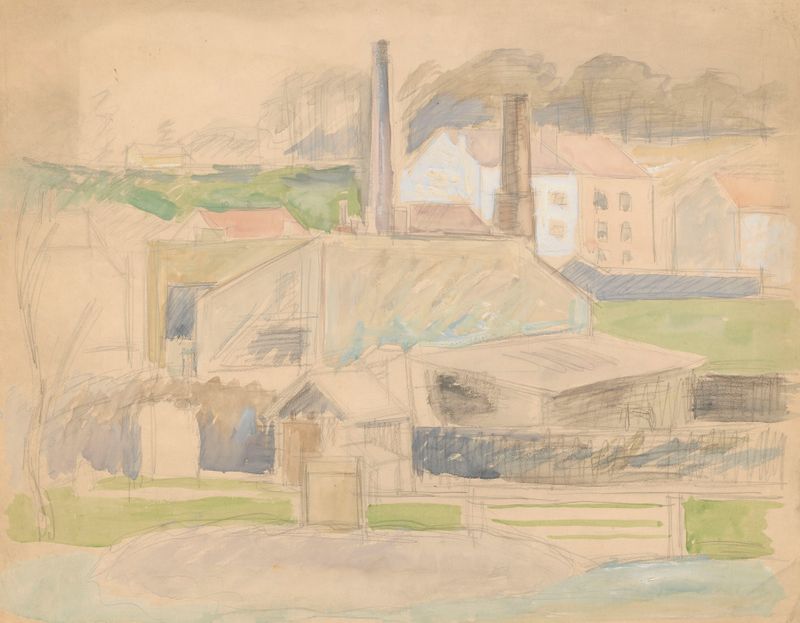
Sketch of a city landscape
Zygmunt Waliszewski





