
Sketch of a city landscape — History & Facts
Who listens when art speaks of silence? In Sketch of a City Landscape, Zygmunt Waliszewski invites us to confront the haunting void between bustling urban life and the stillness that permeates it. Focus on the lower left corner, where the faint outlines of buildings emerge from a soft haze. The artist employs a restrained palette of muted grays and blues, allowing the light to filter through, casting a delicate glow that hints at a life that once thrived. Notice the fluid lines that both define and dissolve the structures, suggesting an ephemeral quality to the cityscape, as though it stands on the brink of oblivion.
The brushstrokes seem to vibrate with an energy that is at once inviting and unsettling. Within the layers, a profound contrast unfolds—between the solidity of architecture and the ethereal quality of the atmosphere surrounding it. The emptiness of the composition speaks volumes, suggesting a loneliness that resonates with the viewer. These ghostly forms may represent a nostalgia for the past, a meditation on the transient nature of urban existence, and the inevitable march towards oblivion that cities face. Waliszewski created this piece during a tumultuous period between 1917 and 1936, reflecting the shifting tides of post-war Europe.
At that time, cities were evolving rapidly, grappling with modernity and the aftershocks of conflict. The artist, navigating his own place within the art world, captured not just a landscape but the very essence of transformation and loss that defined his era.
More Artworks by Zygmunt Waliszewski
Browse all →
Blossoming orchard
Zygmunt Waliszewski
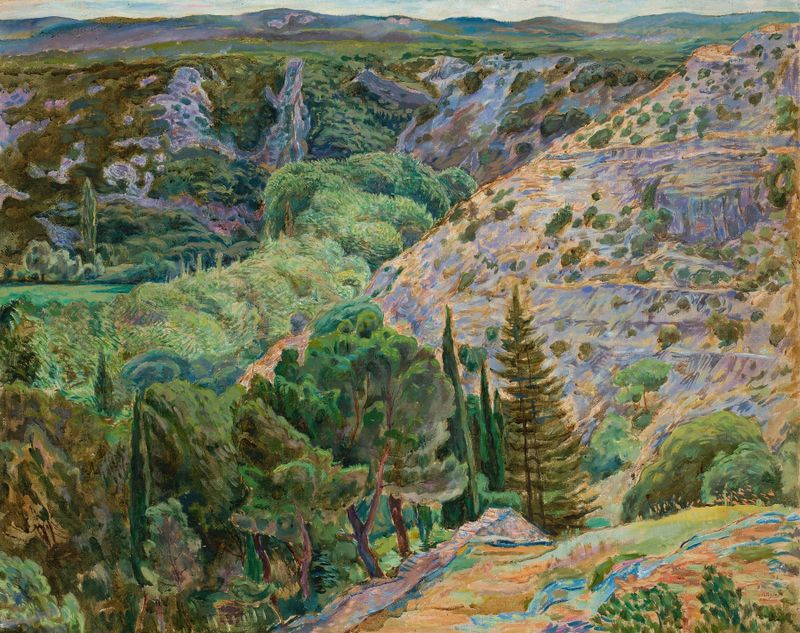
Landscape from Angles
Zygmunt Waliszewski

Landscape
Zygmunt Waliszewski
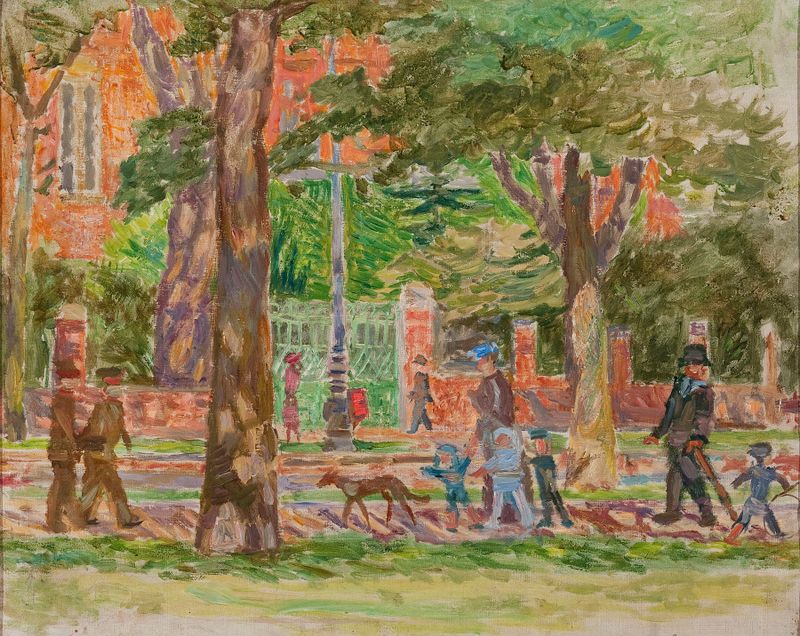
Aleja Szucha in Warsaw
Zygmunt Waliszewski

Field
Zygmunt Waliszewski
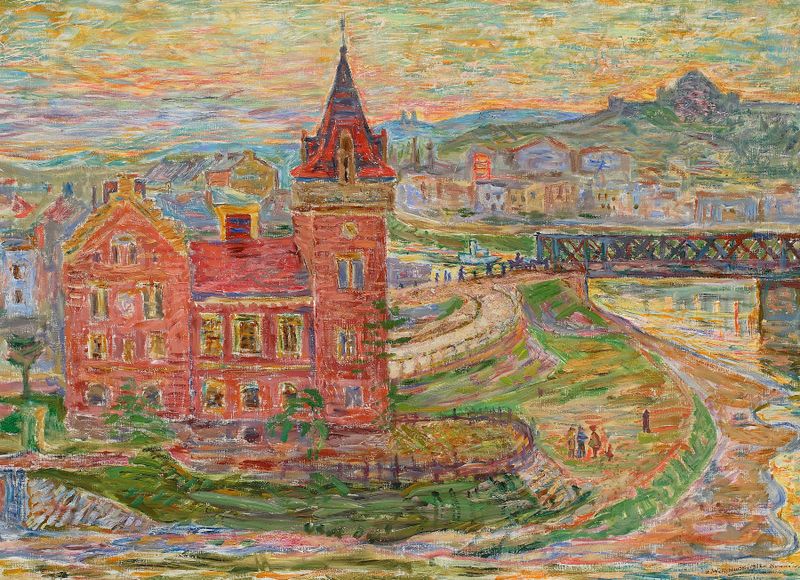
View from Wawel
Zygmunt Waliszewski
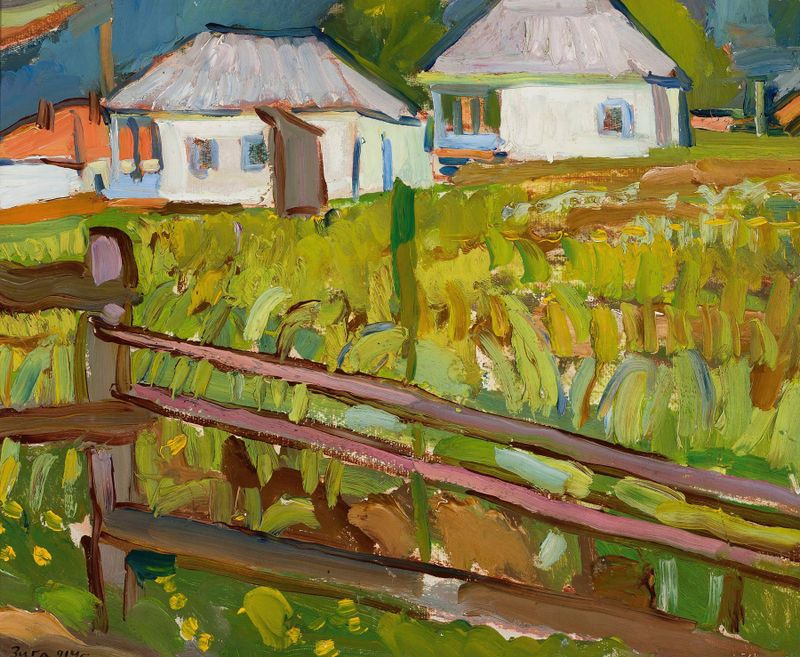
Landscape
Zygmunt Waliszewski
Cottage
Zygmunt Waliszewski
School backyard
Zygmunt Waliszewski
Cottage
Zygmunt Waliszewski





