Blossoming orchard — History & Facts
In the act of creation, memories twist and bloom, offering a glimpse into the beauty of nostalgia. To understand this artwork, look first at the vibrant blossoms that fill the canvas. The delicate pinks and whites demand your attention, bursting forth from the deep greens of the leaves that cradle them. Notice how the artist uses soft brush strokes to create a sense of movement, almost as if a gentle breeze is causing the flowers to sway.
The technique evokes warmth, inviting the viewer to step closer and breathe in the sweet scent of spring that seems to linger in the air. Yet, beneath the lush surface lies a more profound reflection on the passage of time. The eager blooms, vibrant in their moment, contrast sharply with the sturdy, gnarled branches that support them—symbolizing the tension between youth and age, fragility and resilience. This juxtaposition invites contemplation on the fleeting nature of beauty and the bittersweetness of memories cherished yet forever gone.
Each petal whispers stories of past seasons, enhancing the painting's emotional depth. In 1927, Zygmunt Waliszewski painted this piece during a time when Poland was seeking to assert its identity amidst the changes of post-war Europe. With a focus on natural themes and the experience of the Polish landscape, he sought to evoke a sense of belonging and nostalgia, reflecting his own connection to the land and its cycles. This work stands as a testament to both personal and collective memory, merging the artist’s life with the broader historical context of his time.
More Artworks by Zygmunt Waliszewski
Browse all →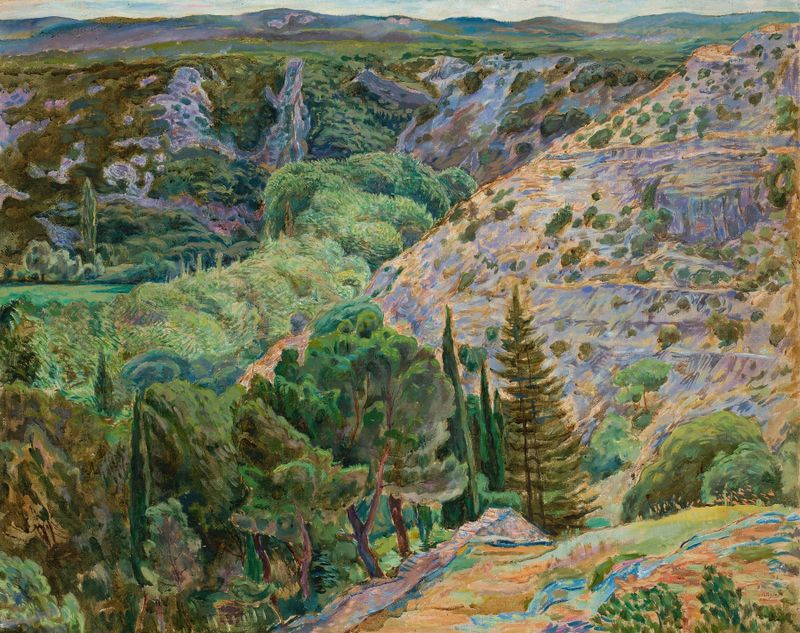
Landscape from Angles
Zygmunt Waliszewski

Landscape
Zygmunt Waliszewski
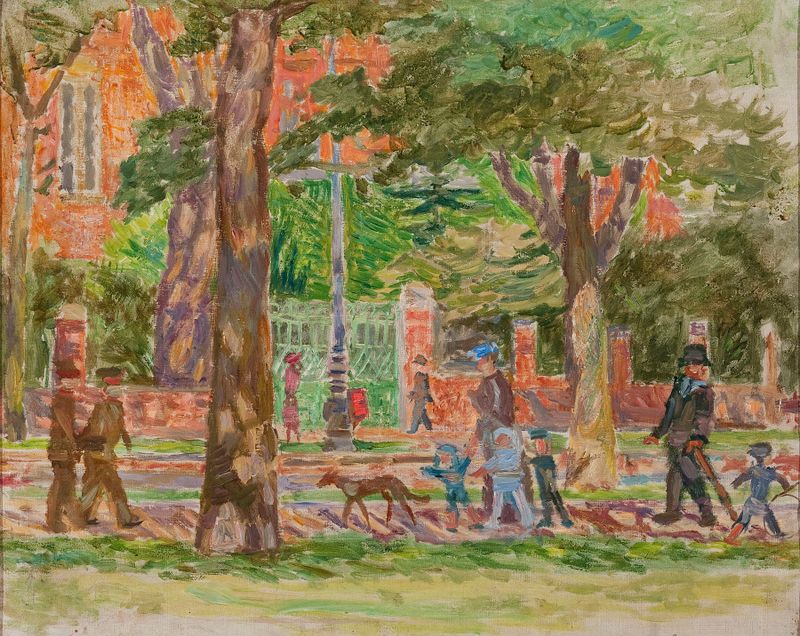
Aleja Szucha in Warsaw
Zygmunt Waliszewski

Field
Zygmunt Waliszewski
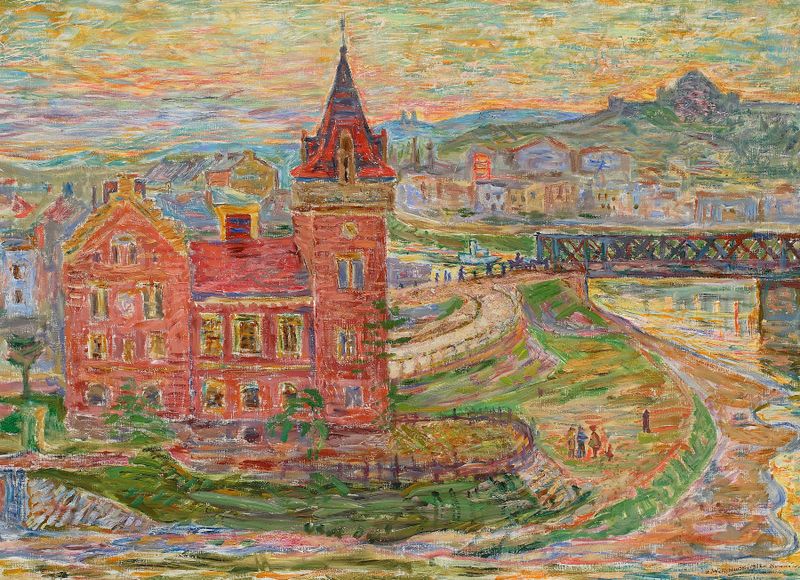
View from Wawel
Zygmunt Waliszewski
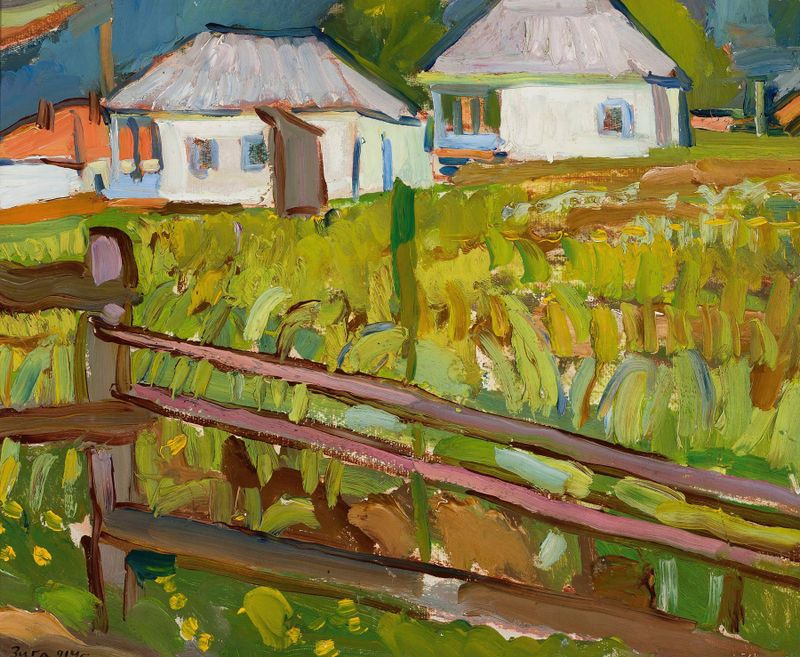
Landscape
Zygmunt Waliszewski
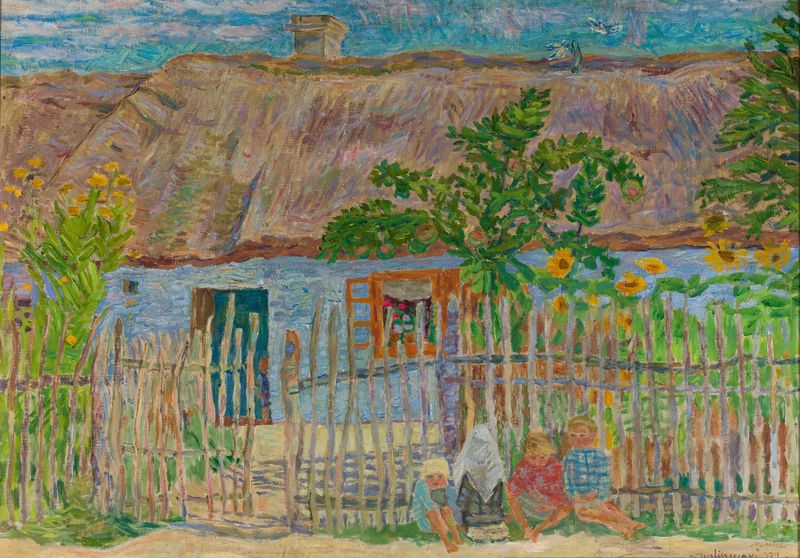
Cottage
Zygmunt Waliszewski
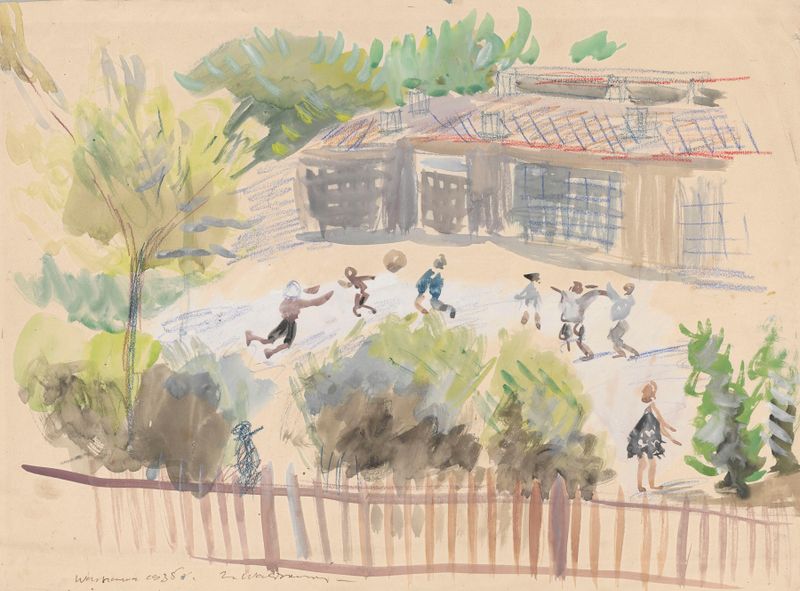
School backyard
Zygmunt Waliszewski
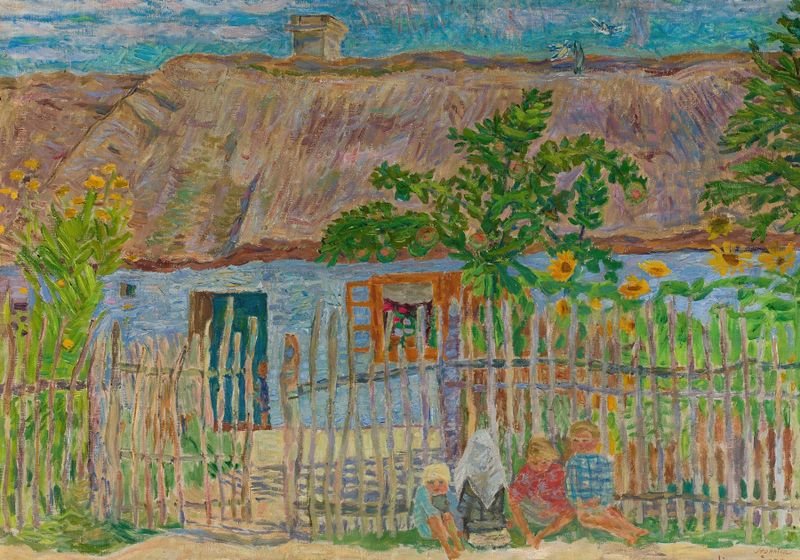
Cottage
Zygmunt Waliszewski
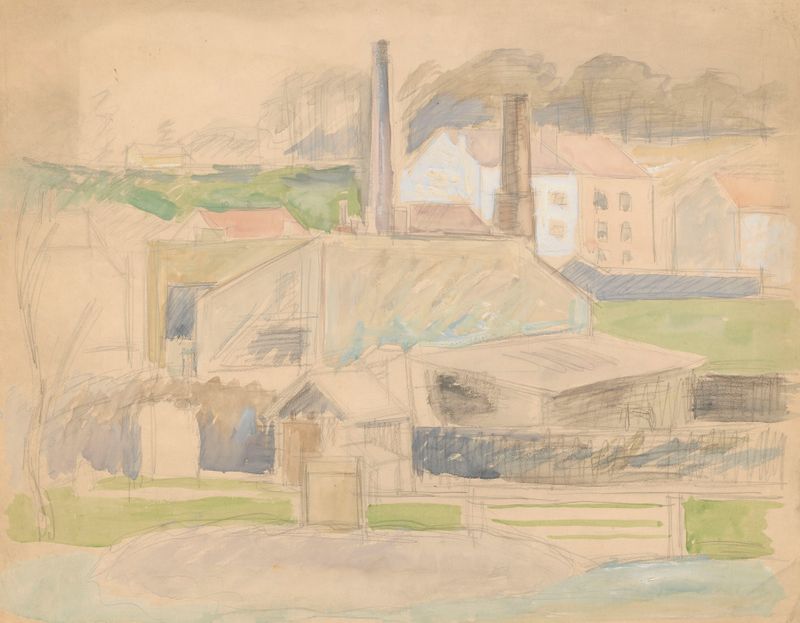
Sketch of a city landscape
Zygmunt Waliszewski