
Cottage — History & Facts
This idea resonates deeply in moments of uncertainty, where faith transforms disarray into beauty. Look closely at the textured strokes in the foreground of Cottage. The vibrant greens of the brush and wildflowers intertwine with strong, earthy browns, guiding your gaze towards the modest structure nestled beneath a protective canopy of trees. Notice how the sunlight gently dapples the cottage’s thatched roof, creating a serene interplay of light and shadow that invites the viewer to linger on the quiet stillness of this rural scene. As you explore further, consider the contrast between the solidity of the cottage and the ephemeral nature of the surrounding landscape.
Waliszewski captures a moment of harmony between man and nature, suggesting a deep-seated faith in the simplicity and permanence of home amid the chaotic world beyond. Each stroke appears deliberate, yet spontaneous, hinting at a narrative of resilience and belonging, while the vibrancy of the flora whispers of hope and renewal. In 1932, Zygmunt Waliszewski created this piece during a time of significant social and political change in Poland. Living in a period marked by turmoil and uncertainty, the artist sought to depict the tranquility found in rural life.
His focus on intimate, pastoral subjects during this era reflected a broader movement in art that aimed to find solace and meaning amidst the upheaval of modernity.
More Artworks by Zygmunt Waliszewski
Browse all →
Blossoming orchard
Zygmunt Waliszewski
Landscape from Angles
Zygmunt Waliszewski

Landscape
Zygmunt Waliszewski
Aleja Szucha in Warsaw
Zygmunt Waliszewski
Field
Zygmunt Waliszewski
View from Wawel
Zygmunt Waliszewski
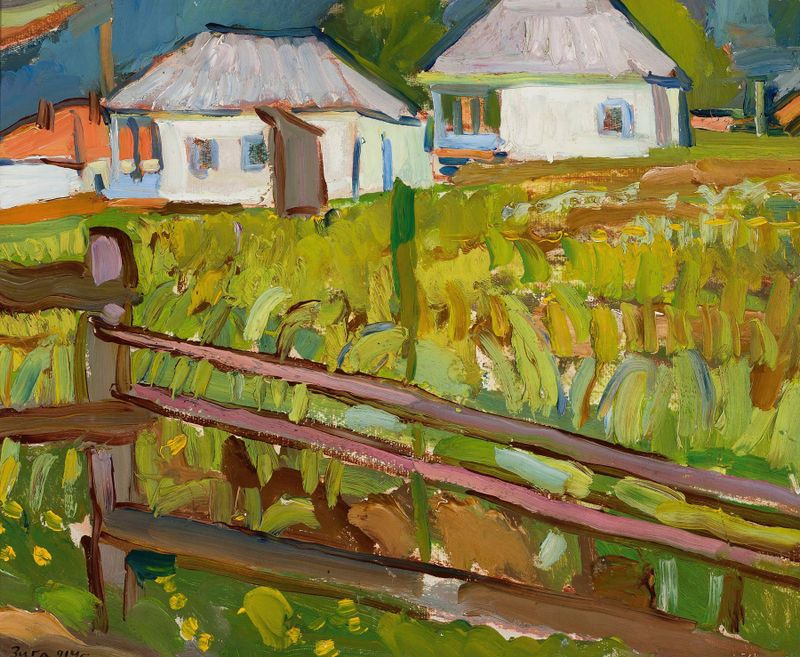
Landscape
Zygmunt Waliszewski
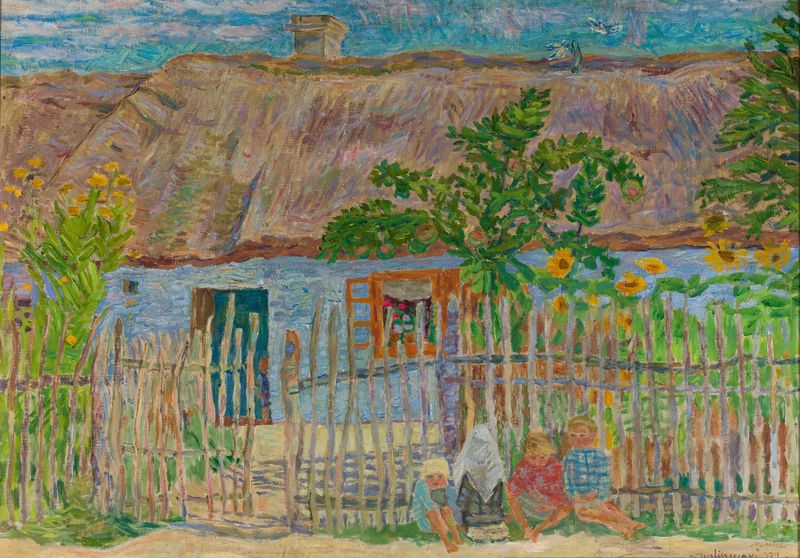
Cottage
Zygmunt Waliszewski
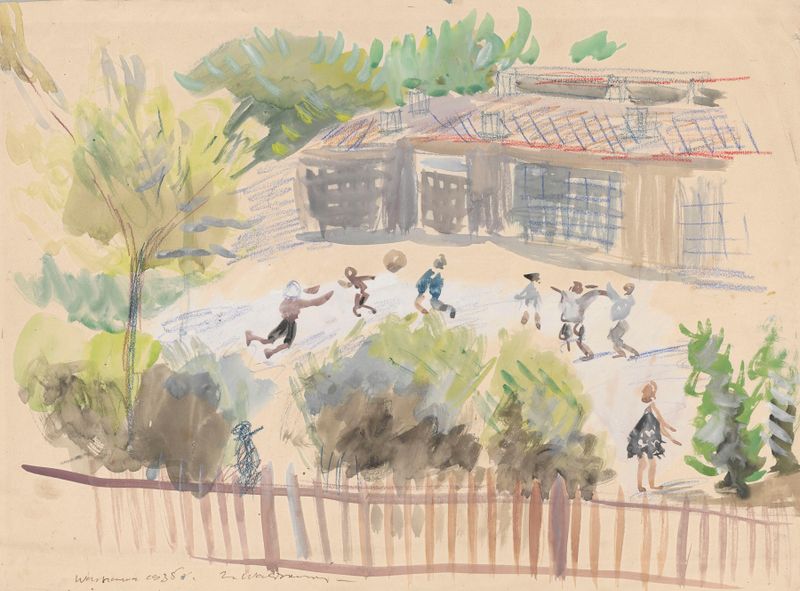
School backyard
Zygmunt Waliszewski
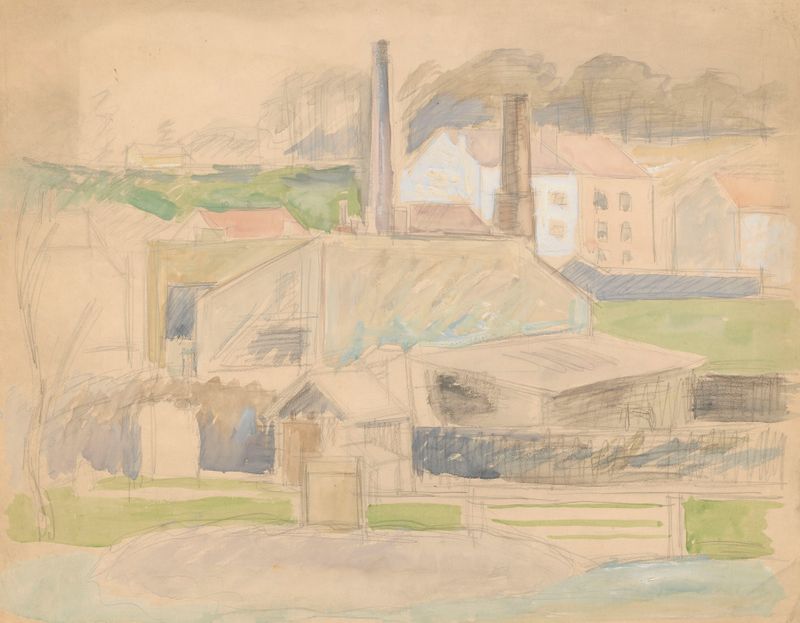
Sketch of a city landscape
Zygmunt Waliszewski





