
Alicia Maria Carpenter, Countess of Egremont — History & Facts
What first catches the eye is the sheer expanse of shimmering silk, its silver-blue surface crisply structured and hemmed in golden embroidery, turning the sitter into both a vision of wealth and a marvel of engineering. The composition draws you in with its careful geometry: the Countess stands poised between the shadowed architecture to the left and the pale, elaborately decorated wall behind her, her body angled just enough to animate the stillness. Her right hand, delicately gloved, rests on a small round table, where a second glove lies abandoned—an invitation, perhaps, to imagine her just arrived or about to depart.
The light falls softly across her face and bodice, highlighting the porcelain smoothness of her skin and the intricate lace at her sleeves, while the subdued background ensures that all attention remains on her presence and poise. This is the world of mid-eighteenth-century British portraiture, when the landed elite commissioned likenesses not just as records, but as declarations of status and taste. Painted in 1745 by Arthur Devis, this work belongs to a tradition where the sitter’s identity is inseparable from her display of fashion, refinement, and the trappings of cultivated life. Portraits like this were often destined for grand houses, meant to impress visitors with both lineage and luxury.
Today, Alicia Maria Carpenter, Countess of Egremont hangs far from its original context, in the California Palace of the Legion of Honor, a reminder of how these images—once private affirmations of rank—now invite the public to step into a vanished world of powdered elegance and careful self-presentation. Look again at her gaze: reserved, direct, and quietly assured, it still holds the room.
More Artworks by Arthur Devis
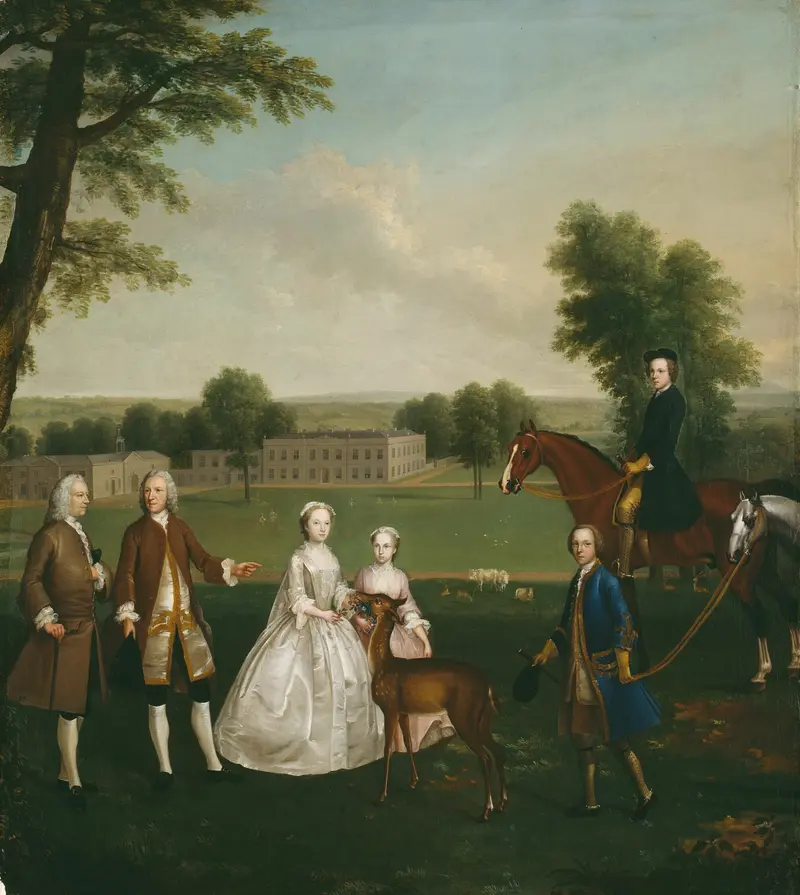
Thomas Lister and Family at Gisburne Park
Arthur Devis

Sir John Shaw and his Family in the Park at Eltham Lodge, Kent
Arthur Devis
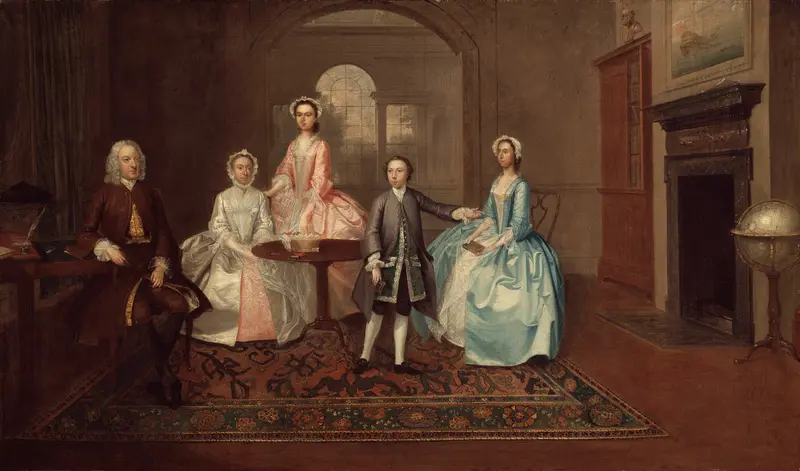
John Thomlinson and His Family
Arthur Devis
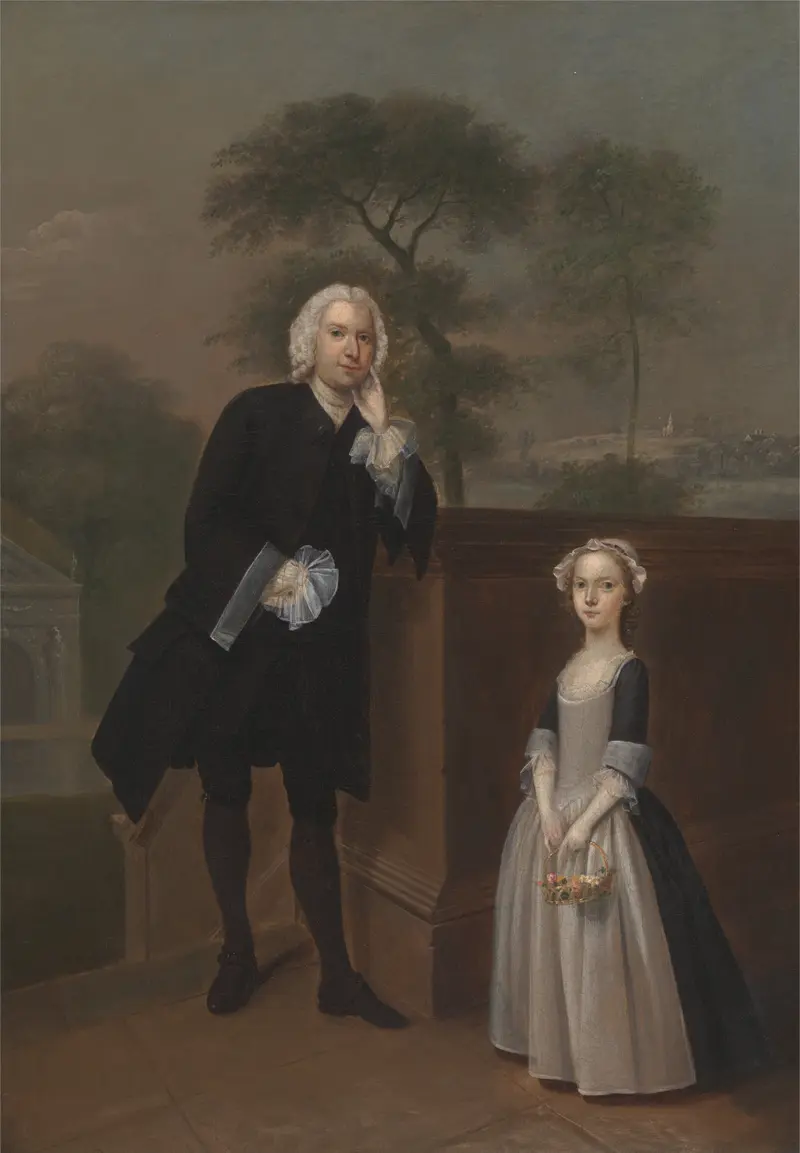
An Unknown Man with His Daughter
Arthur Devis
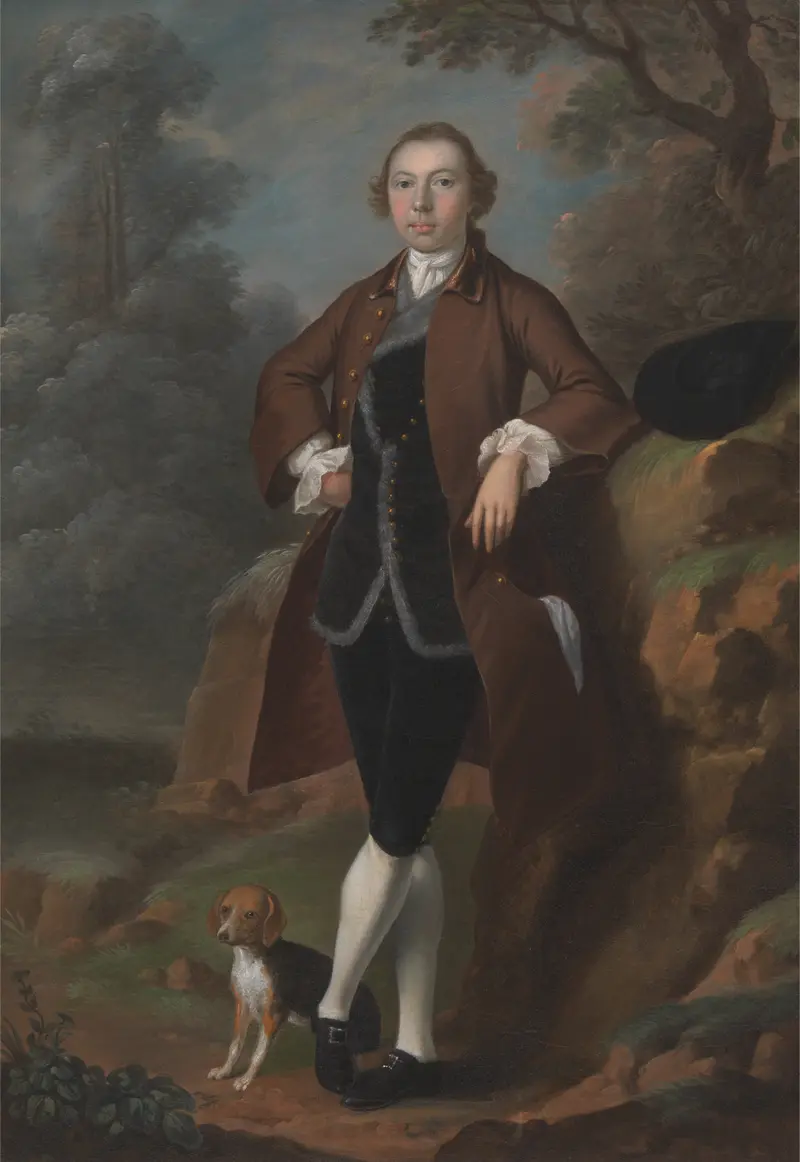
William Farington of Shawe Hall, Lancashire
Arthur Devis
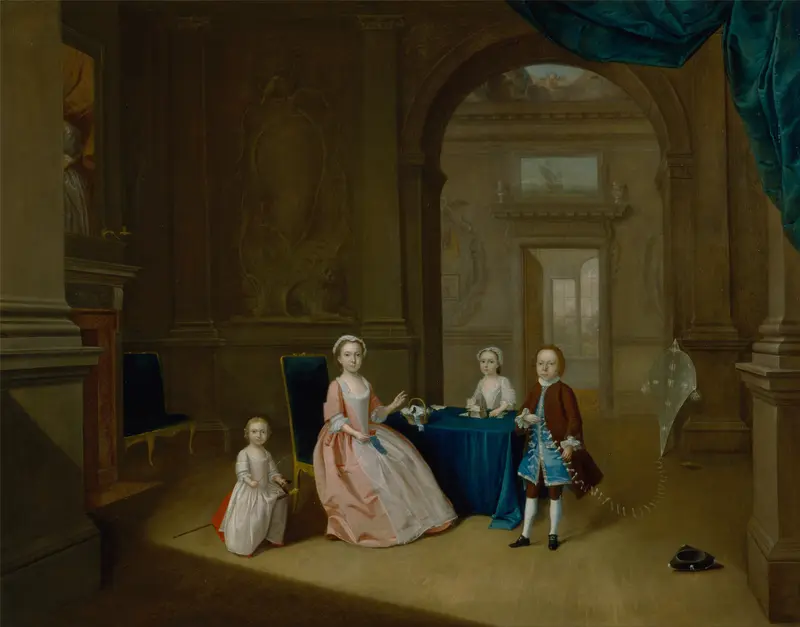
Children in an Interior
Arthur Devis
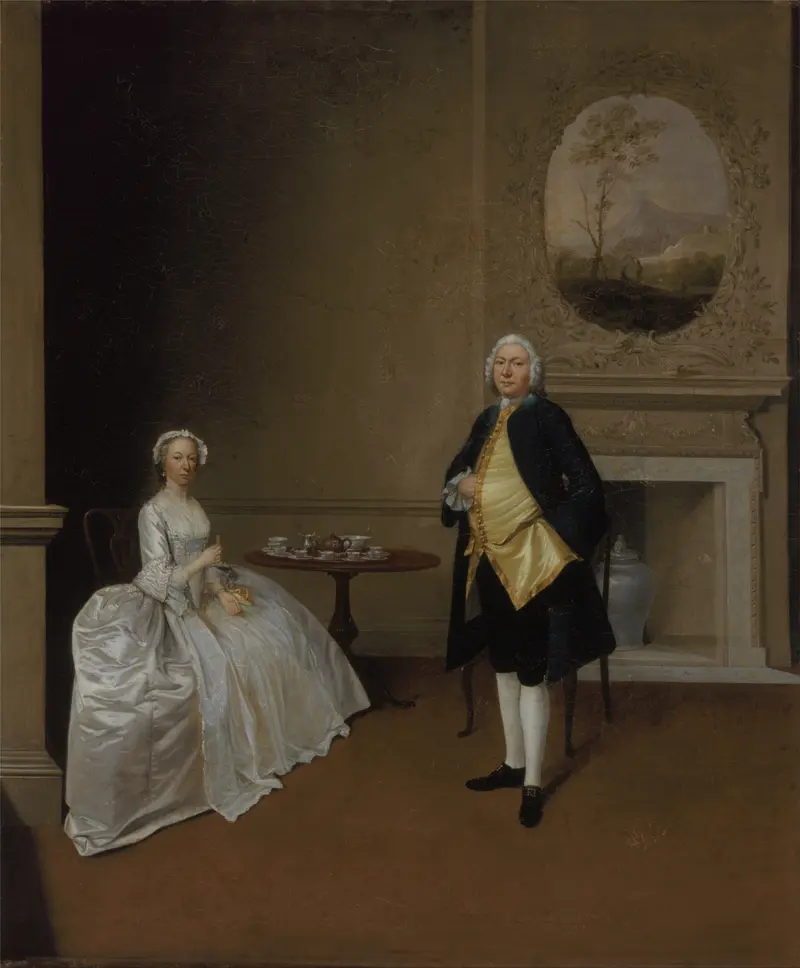
A Couple, Traditionally Identified as Mr. and Mrs. Hill
Arthur Devis
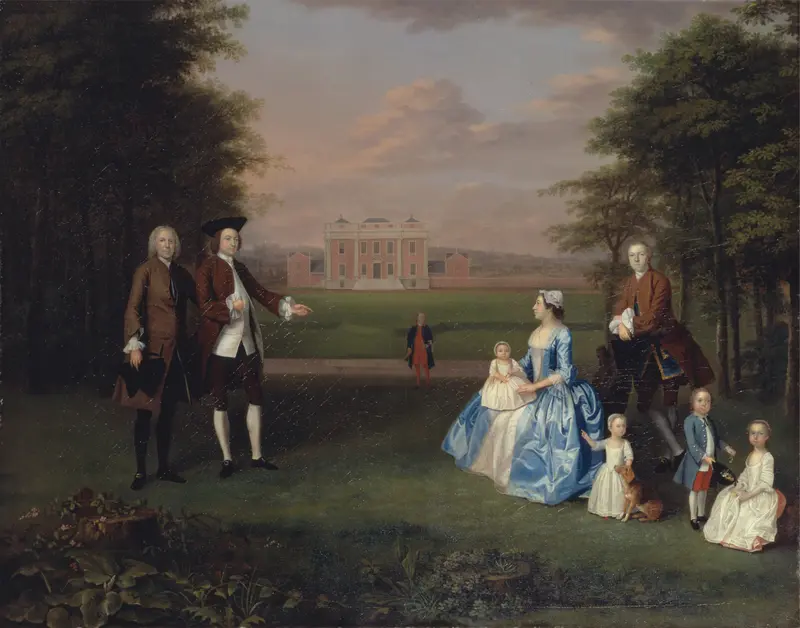
Robert Gwillym, Elizabeth Gwillym (née Atherton), and Their Family
Arthur Devis
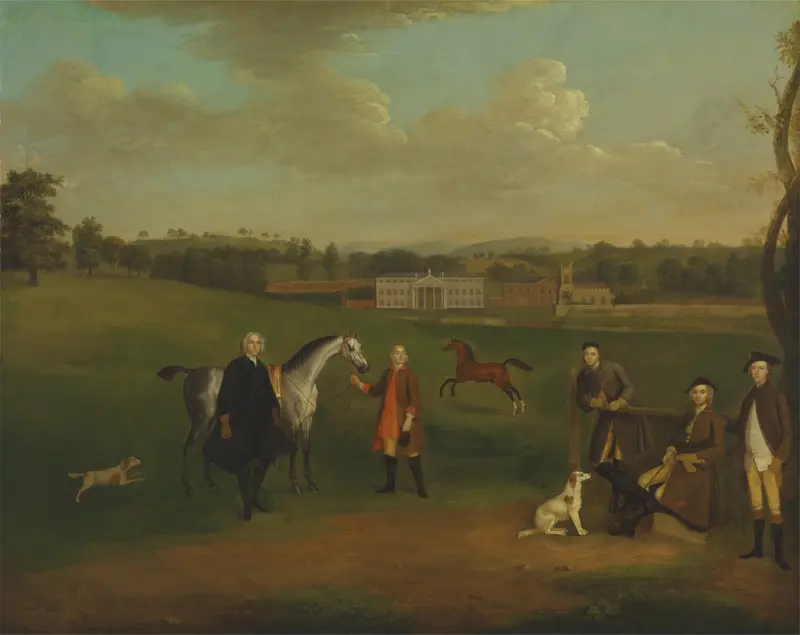
Leak Okeover, Rev. John Allen and Captain Chester at Okeover Hall, Staffordshire
Arthur Devis
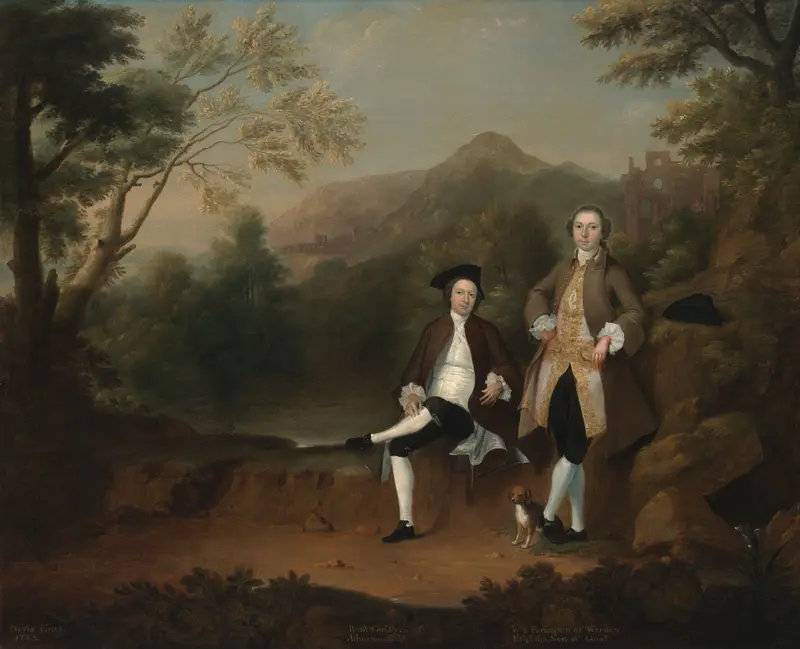
Robert Gwillym of Atherton and William Farington of Werden
Arthur Devis





