
All’s Well that Ends Well — History & Facts
In All’s Well that Ends Well, Francis Wheatley presents a lively scene filled with figures engaged in various activities. The colors are bright and cheerful, with a predominance of greens and blues that create a vibrant atmosphere. The setting appears to be an outdoor gathering, possibly a market or festival, where people interact joyfully.
The expressions on the figures' faces convey a sense of happiness and community. The painting is executed in oil on canvas, a common medium for the time, allowing for rich color and detail. Viewers can observe the careful attention to the clothing and expressions of the figures, which reflect the style of Romanticism. Wheatley’s technique captures movement and life, making the scene feel dynamic and engaging.
The approximate dimensions of the work are 100 x 130 cm. Francis Wheatley was an English painter known for his genre scenes and portraits in the late 18th century. All’s Well that Ends Well showcases his ability to depict everyday life with warmth and humor. An interesting fact about this work is that it reflects the social changes of the time, as public gatherings became more common in urban settings.
Wheatley’s art often celebrated the joys of community and human connection.
More Artworks by Francis Wheatley

Donnybrook Fair
Francis Wheatley

Donnybrook Fair
Francis Wheatley
Donnybrook Fair
Francis Wheatley
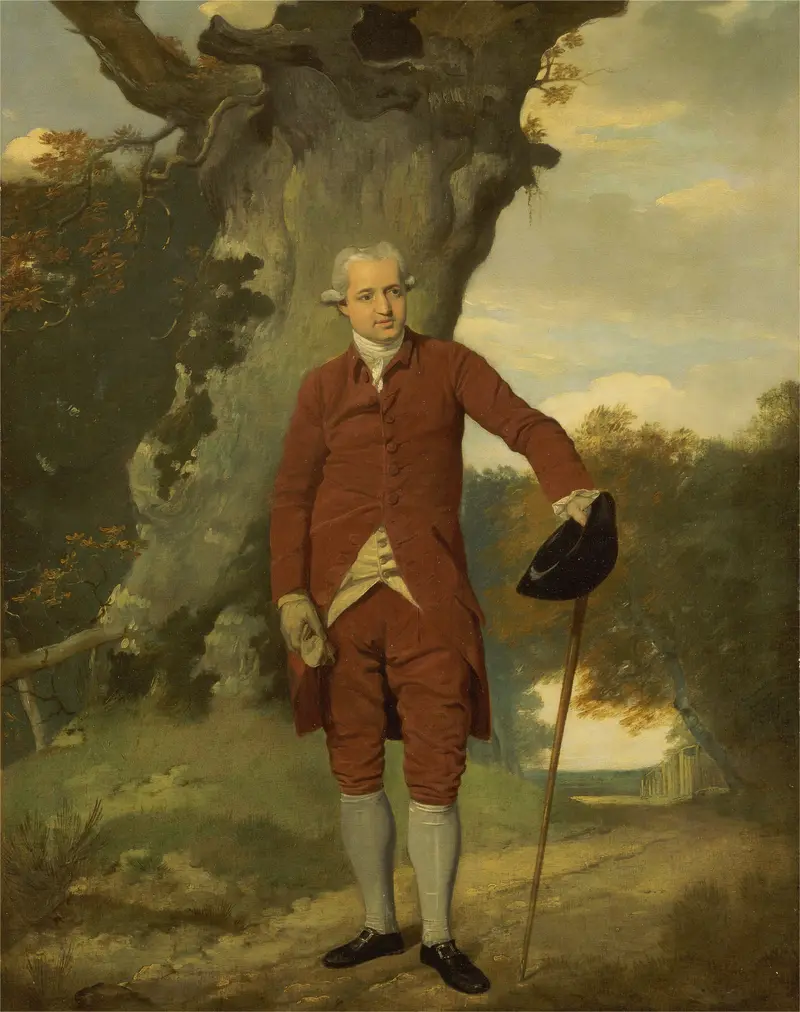
Portrait Of A Man, Possibly Mr. Barclay
Francis Wheatley
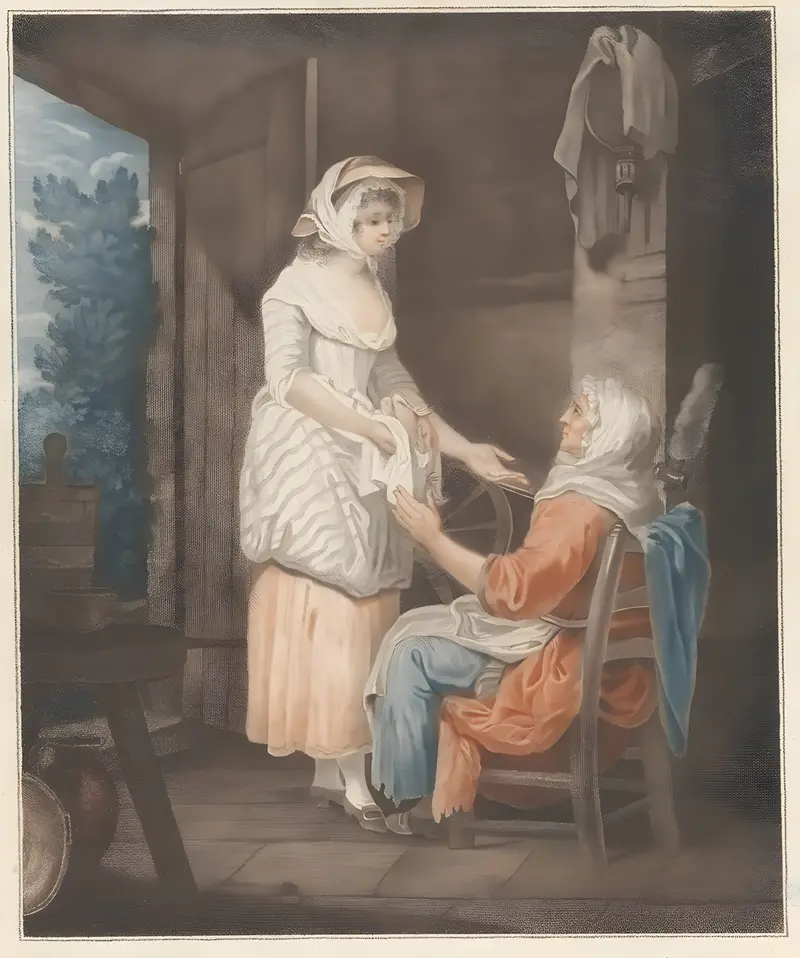
The Affectionate Daughter
Francis Wheatley
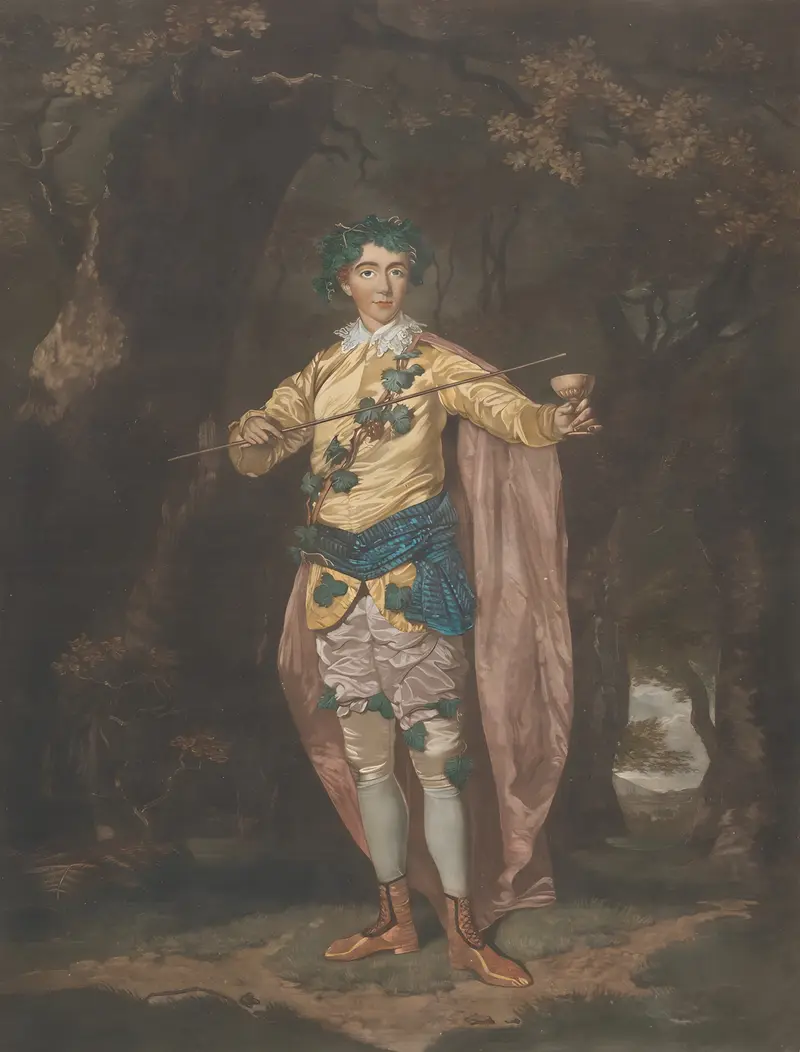
Anthony Webster as Comus
Francis Wheatley
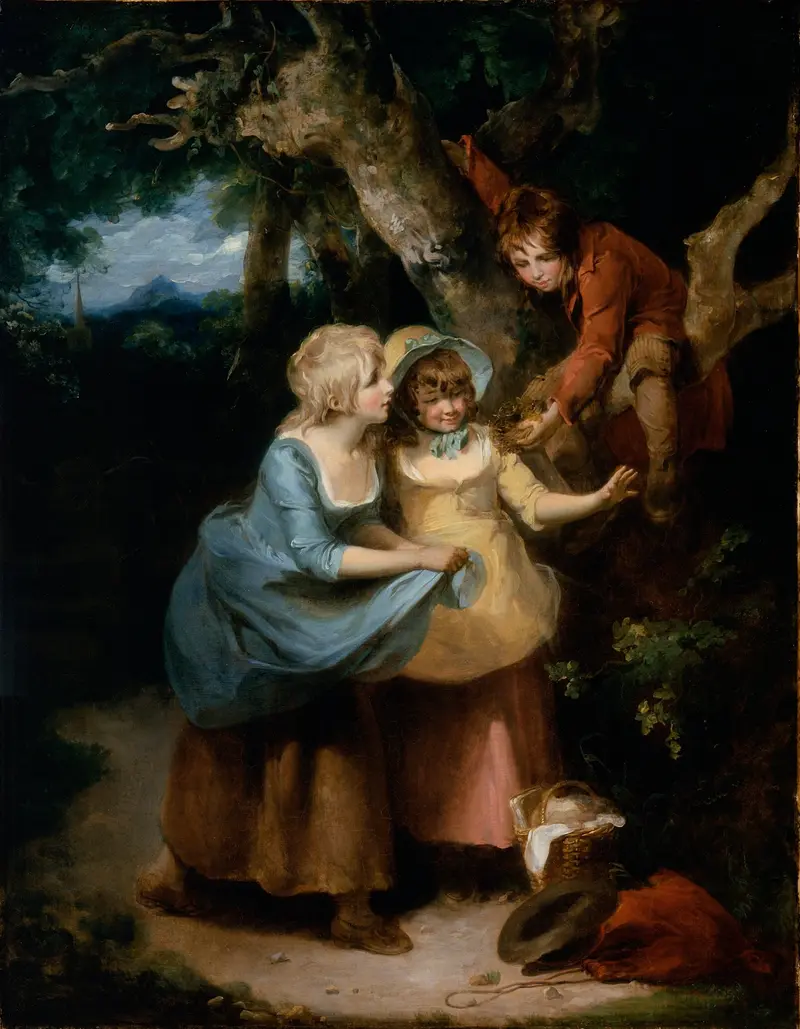
Spring
Francis Wheatley
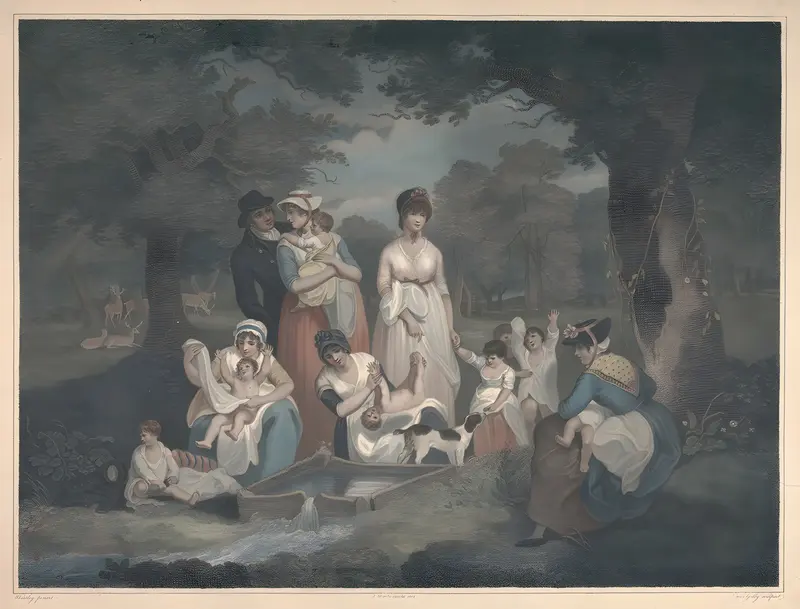
The Dipping Well in Hyde Park
Francis Wheatley
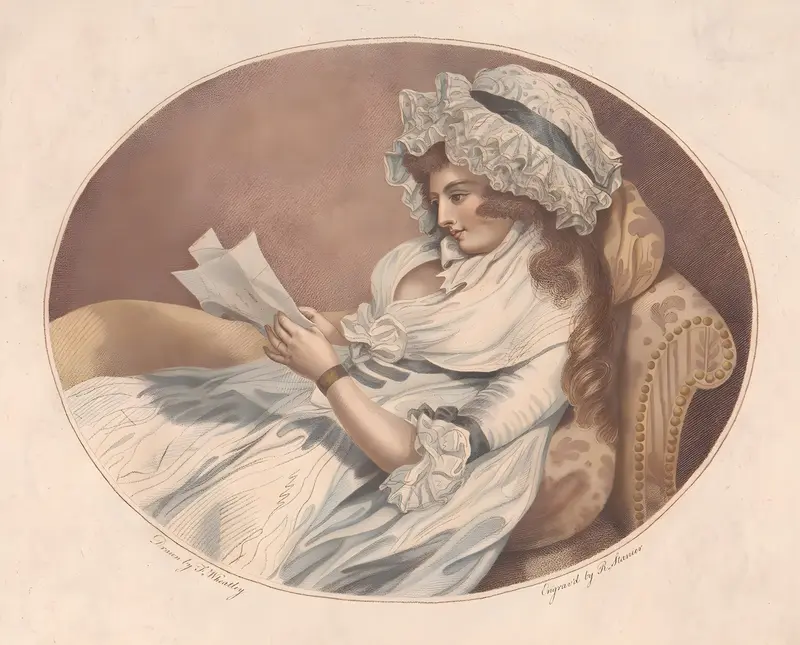
Lucy, Mrs. Wheatley
Francis Wheatley
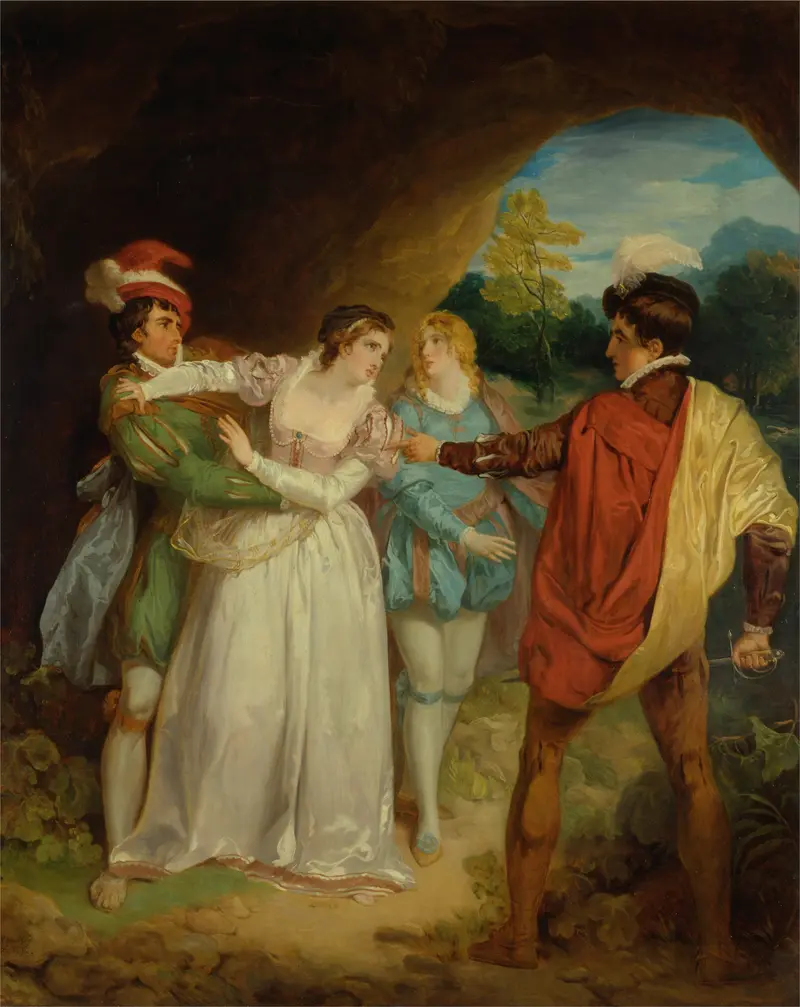
Valentine rescuing Silvia from Proteus, from Shakespeare’s ‘The Two Gentlemen of Verona,’ Act V, Scene 4, the Outlaws’ Cave
Francis Wheatley
More Genre Scene Art

Banquet of the Officers of the St George Civic Guard
Frans Hals

Rembrandt and Saskia in the Scene of the Prodigal Son
Rembrandt van Rijn

Bal du moulin de la Galette
Pierre-Auguste Renoir

Quadrille at the Moulin Rouge
Henri de Toulouse-Lautrec

A Burial at Ornans
Gustave Courbet

When Will You Marry?
Paul Gauguin