
Allégorie; Le printemps de la vie — History & Facts
In Allégorie; Le printemps de la vie, Henri de Toulouse-Lautrec presents a vibrant scene filled with lush colors. The painting features figures that embody the essence of youth and vitality, surrounded by blooming flowers and greenery. The bright palette of greens, yellows, and pinks creates a joyful atmosphere, suggesting the exuberance of life.
The composition draws the viewer's eye towards the central figures, celebrating the theme of spring and renewal. The painting is executed in oil on canvas, a medium that allows for rich color application and texture. Toulouse-Lautrec's brushwork is visible, with expressive strokes that enhance the liveliness of the scene. The dimensions are approximately 100 x 150 cm, making it a sizable work that commands attention.
The use of light and shadow adds depth, creating a dynamic interplay between the figures and their surroundings. Henri de Toulouse-Lautrec was known for his depictions of Parisian life, but this work showcases his ability to explore broader themes such as youth and renewal. Created in the c. 1890s, this painting reflects the artist's fascination with the vibrancy of life.
Interestingly, it was not widely recognized during his lifetime, but it has since become an important piece in understanding his artistic evolution. The painting exemplifies the transition from his earlier works to more allegorical themes.
More Artworks by Henri de Toulouse-Lautrec
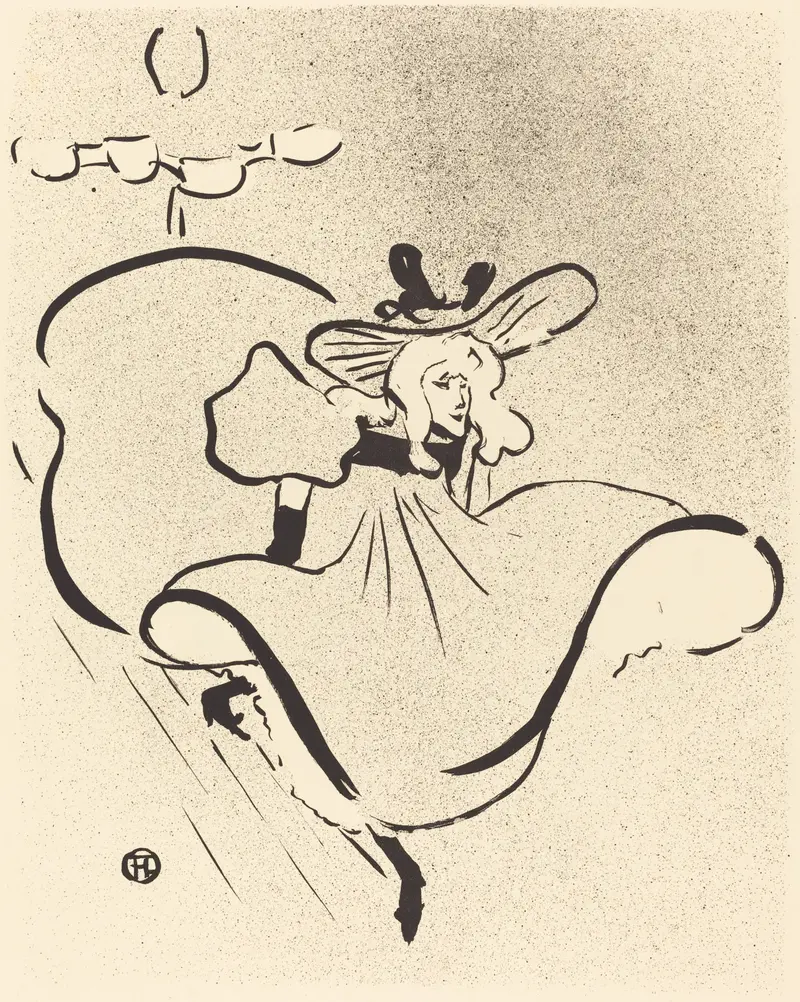
Jane Avril
Henri de Toulouse-Lautrec
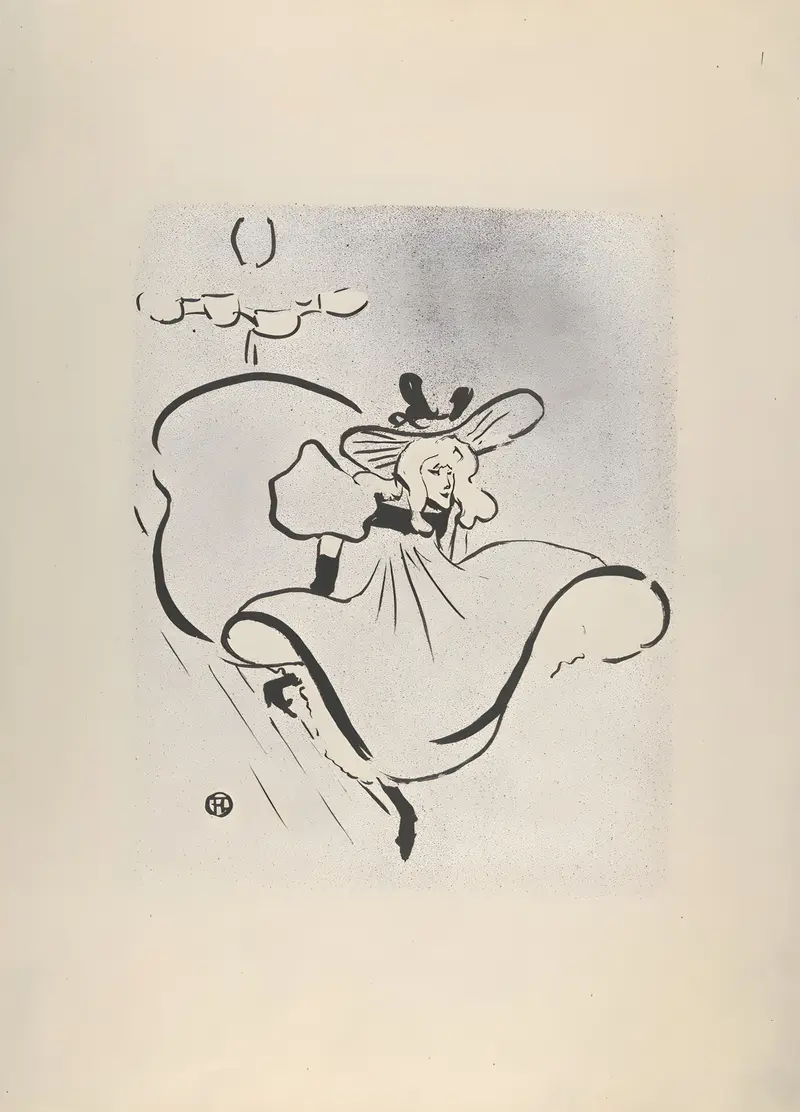
Jane Avril.
Henri de Toulouse-Lautrec

Quadrille at the Moulin Rouge
Henri de Toulouse-Lautrec
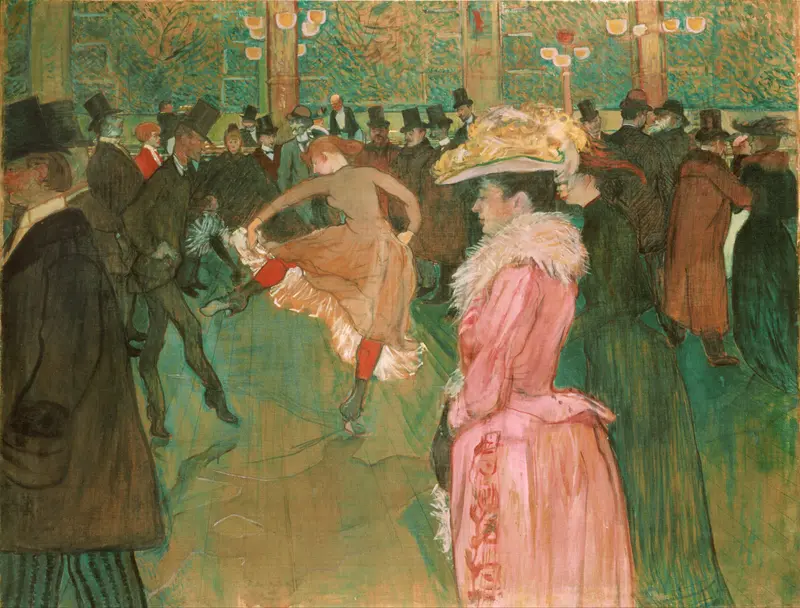
At the Moulin Rouge- The Dance
Henri de Toulouse-Lautrec
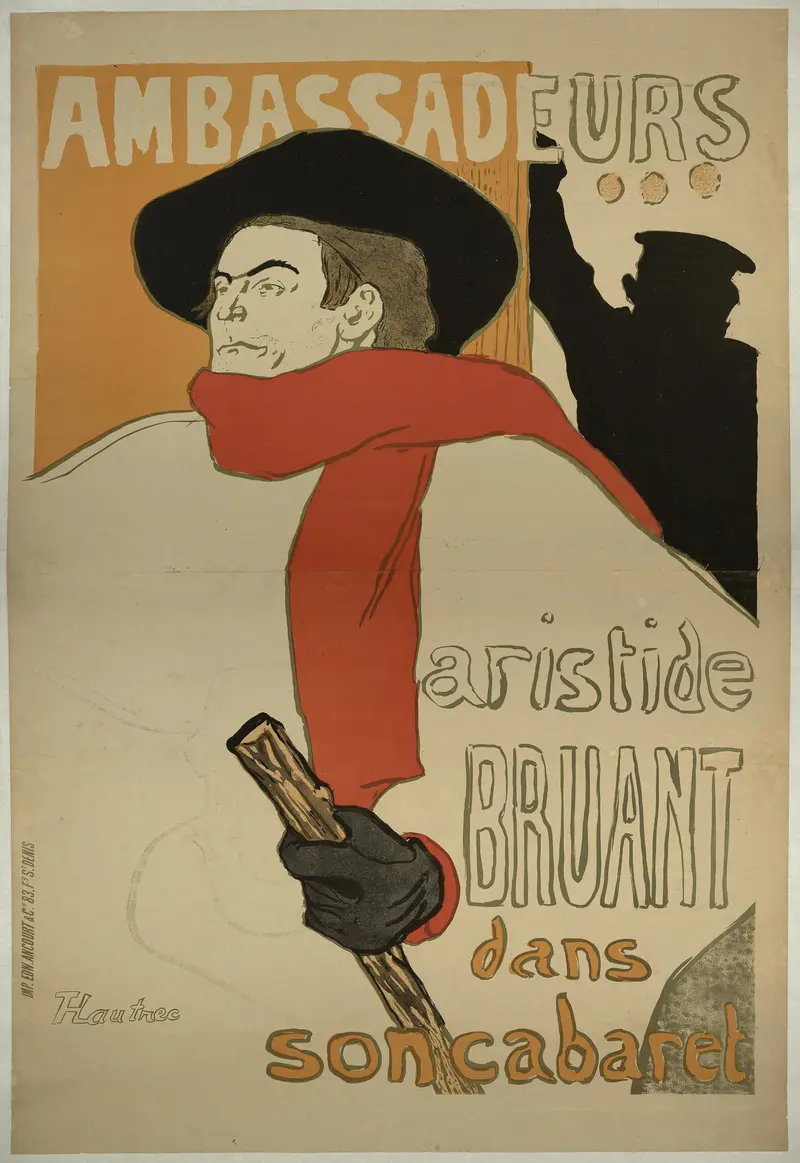
Ambassadeurs. Aristide Bruant dans son cabaret
Henri de Toulouse-Lautrec
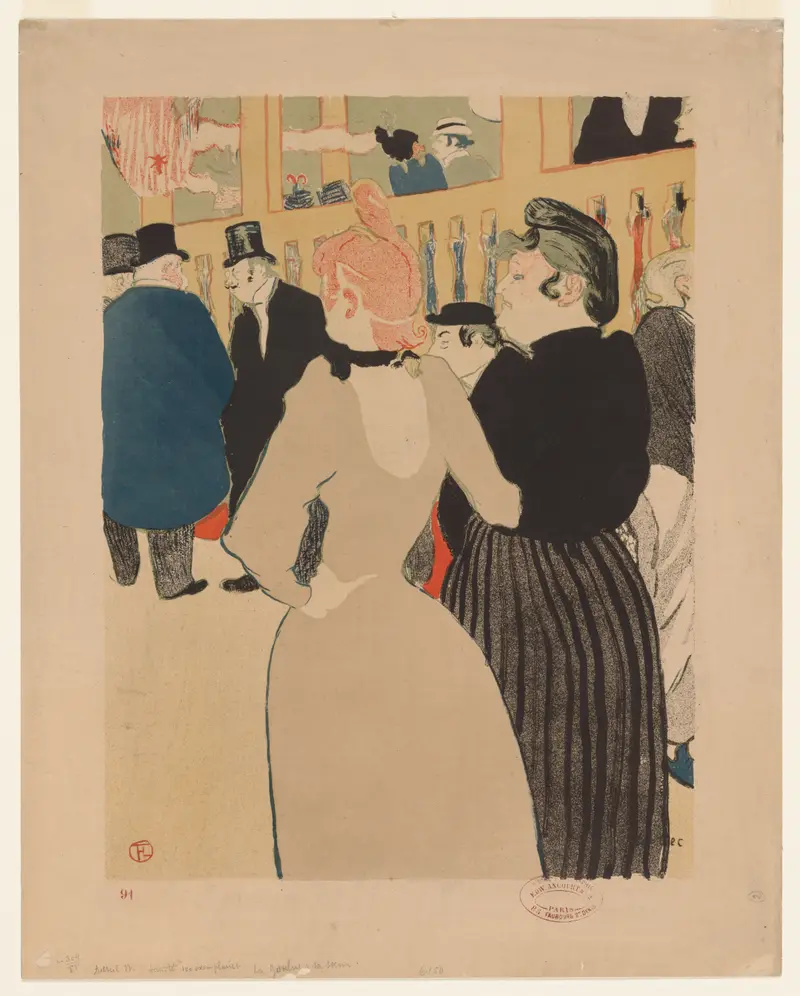
At the Moulin Rouge; La Goulue and Her Sister
Henri de Toulouse-Lautrec
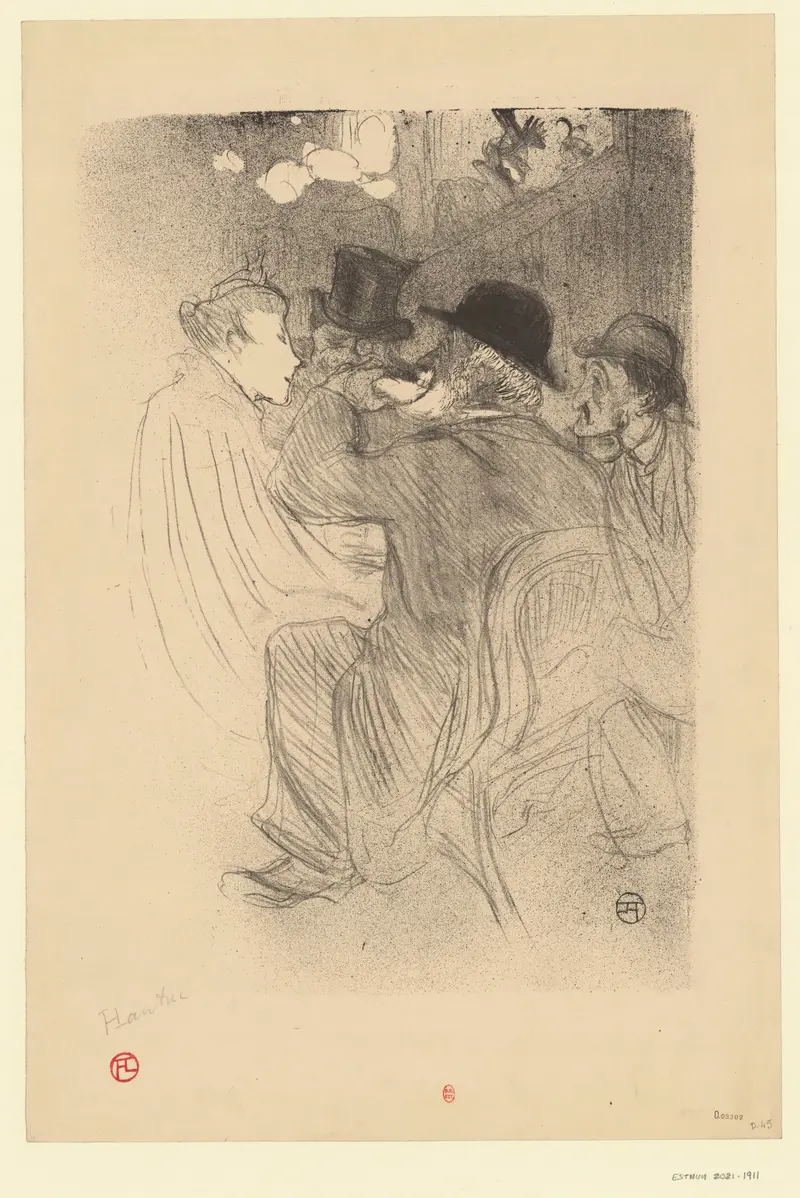
Au Moulin Rouge;Un Rude! Un Vrai Rude!
Henri de Toulouse-Lautrec
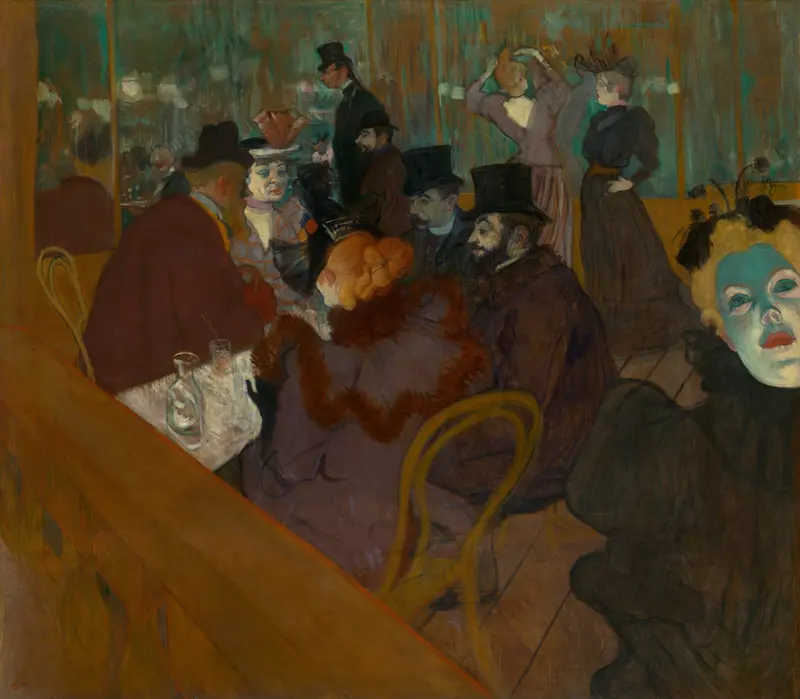
At the Moulin Rouge
Henri de Toulouse-Lautrec
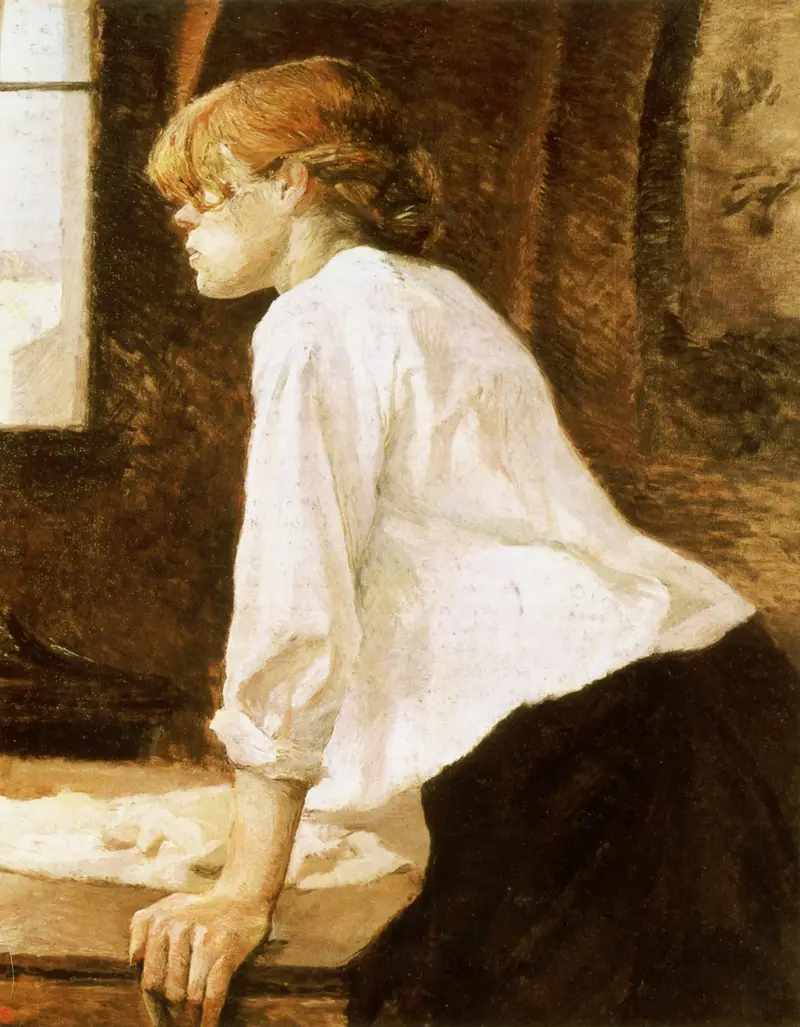
La Blanchisseuse
Henri de Toulouse-Lautrec
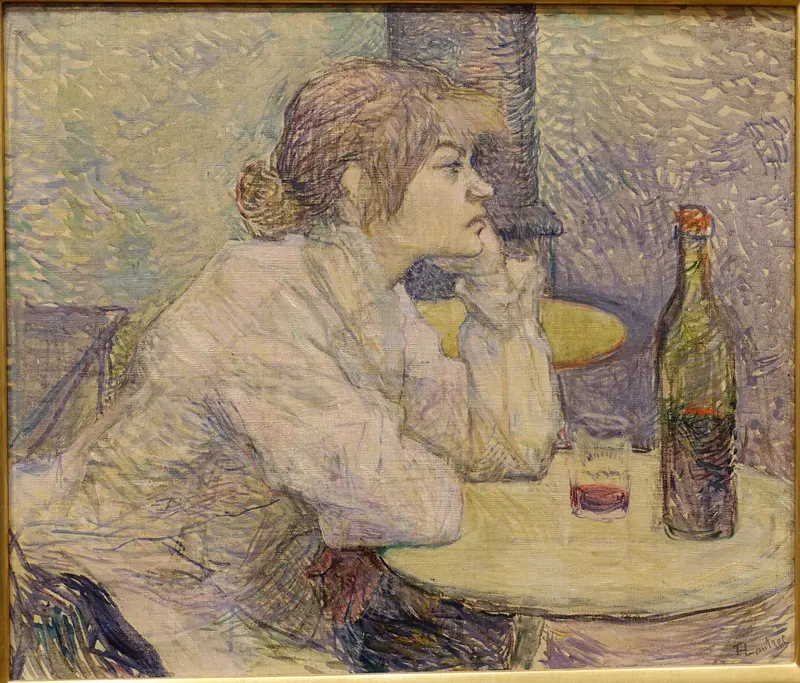
The Hangover (Suzanne Valadon)
Henri de Toulouse-Lautrec





