
Allegory of Abundance — History & Facts
When Allegory of Abundance left the workshop of Sandro Botticelli around 1480, Florence was at the height of its cultural and political power, ruled by the Medici family, whose taste for allegorical painting shaped the city’s artistic output. This work is thought to have been commissioned for a private domestic setting, possibly to celebrate a marriage or a prosperous alliance, though its exact patron remains unknown. What makes it especially intriguing is that it stands at the crossroads of Botticelli’s mythological and allegorical experiments, just before he embarked on his famed cycles for the Medici villas.
The painting’s subject—Abundance personified—was a favorite motif in Renaissance Florence, where prosperity was both a civic ideal and a personal aspiration. At the heart of the composition, a graceful female figure embodies Abundance, her arms overflowing with fruits and grains. Botticelli captures her in mid-motion, as if she is scattering gifts across the world, her flowing drapery and delicate features echoing the classical statuary so admired in Florence. The cornucopia she holds, brimming with ripe produce, signals not only material wealth but also the promise of fertility and peace.
The surrounding putti, or winged children, playfully gather the bounty at her feet—a visual language Botticelli shares with his contemporary, Domenico Ghirlandaio, whose own allegories often teem with similar lively figures. The soft, golden light unifies the scene, casting an atmosphere of harmony and plenty. The painting’s medium remains uncertain, though it is likely tempera on panel, typical of Botticelli’s work in this period. Its early history is obscure; no contemporary records mention it, and it may have remained in private hands for centuries before entering the public eye.
Today, Allegory of Abundance is recognized as an important example of Botticelli’s allegorical style, bridging his early religious commissions and his later mythological masterpieces. The work’s journey reflects the shifting fortunes of Renaissance art, from private Florentine chambers to the collections of major museums, where it continues to invite viewers into the world of Renaissance ideals and aspirations.
More Artworks by Sandro Botticelli
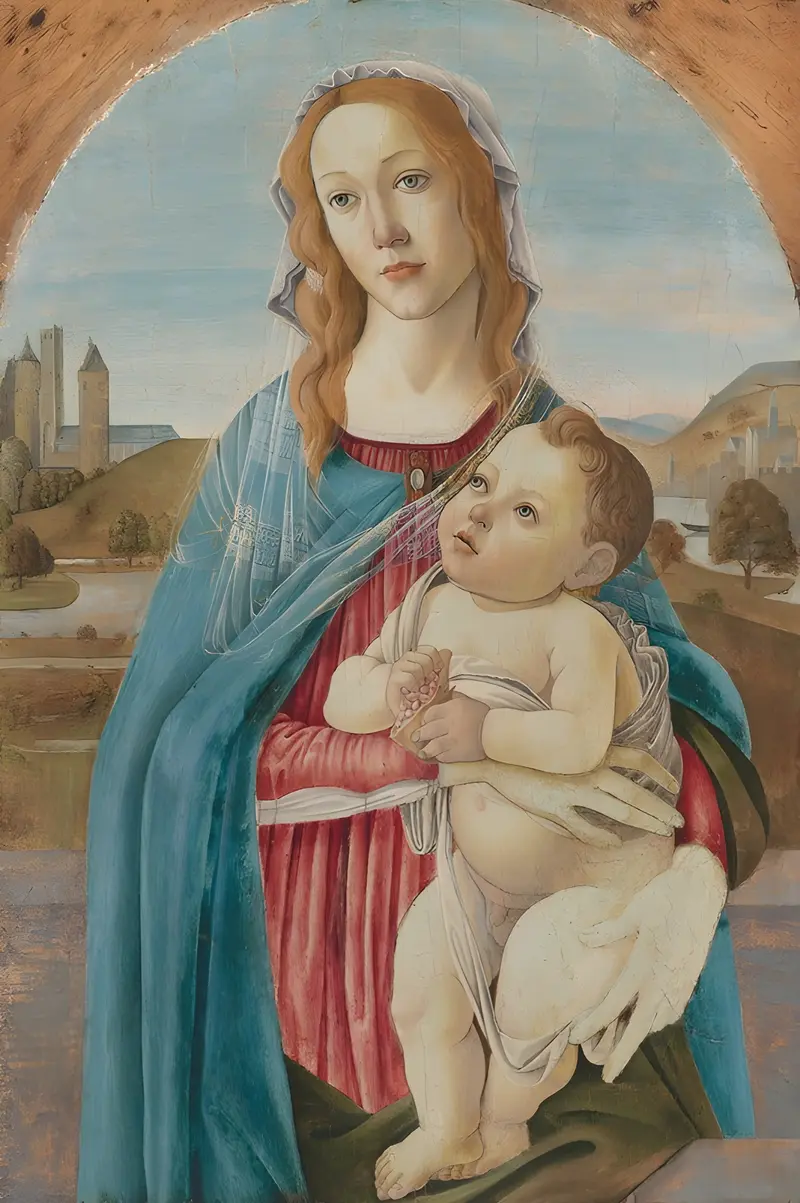
Virgin and Child
Sandro Botticelli
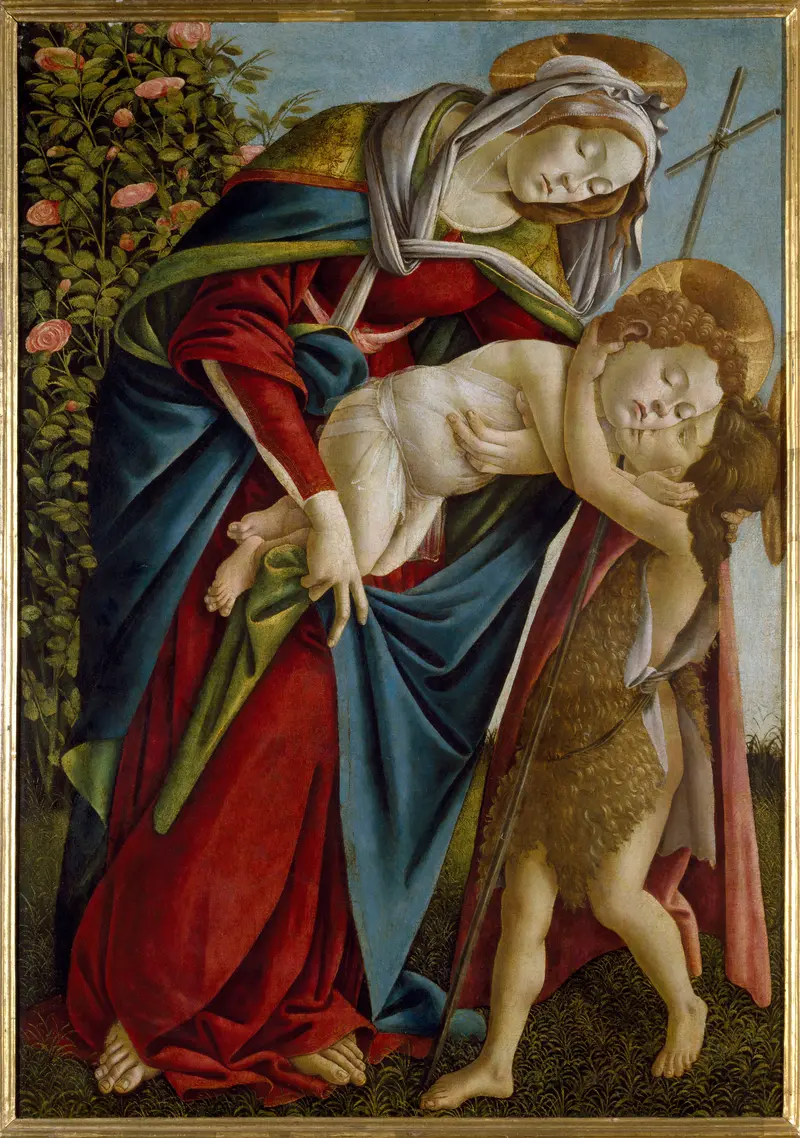
Madonna and Child and the Young St John the Baptist
Sandro Botticelli
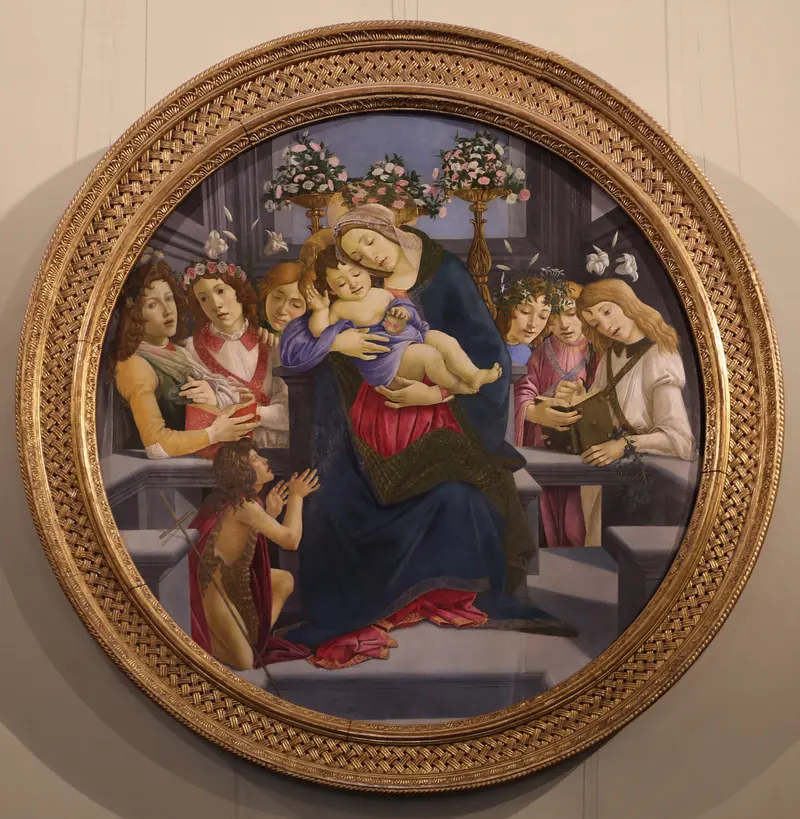
Madonna and Child with six angels and Saint John the Baptist as Child
Sandro Botticelli
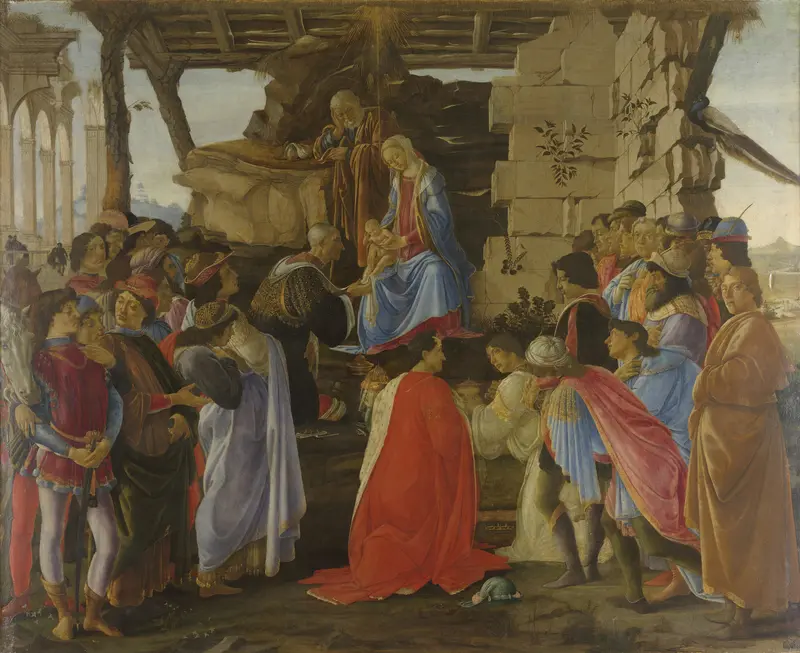
Adoration of the Magi
Sandro Botticelli

Virgin and Child with the Young Saint John the Baptist
Sandro Botticelli
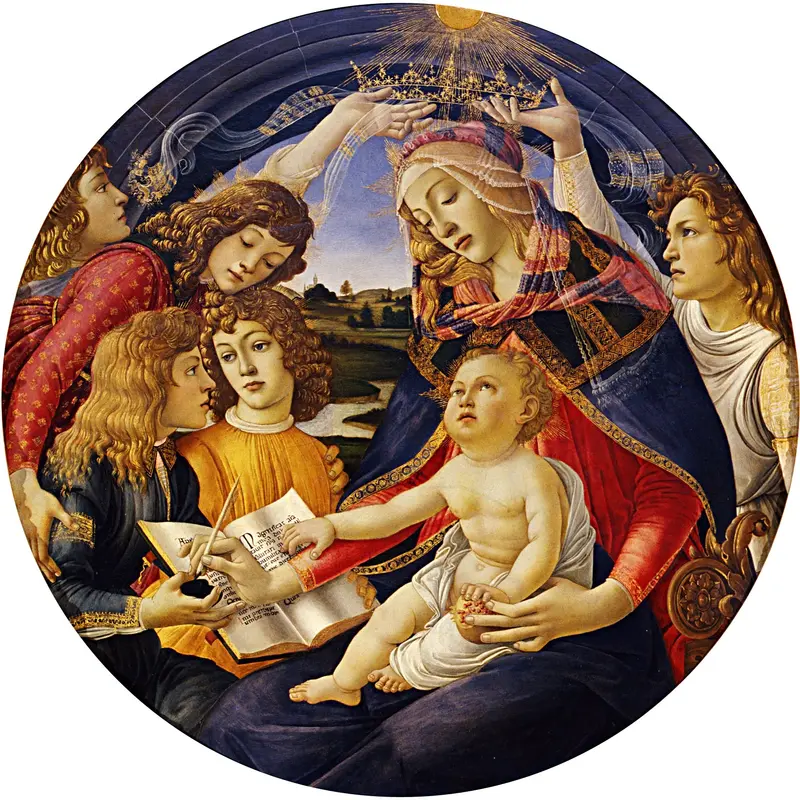
Madonna of the Magnificat
Sandro Botticelli
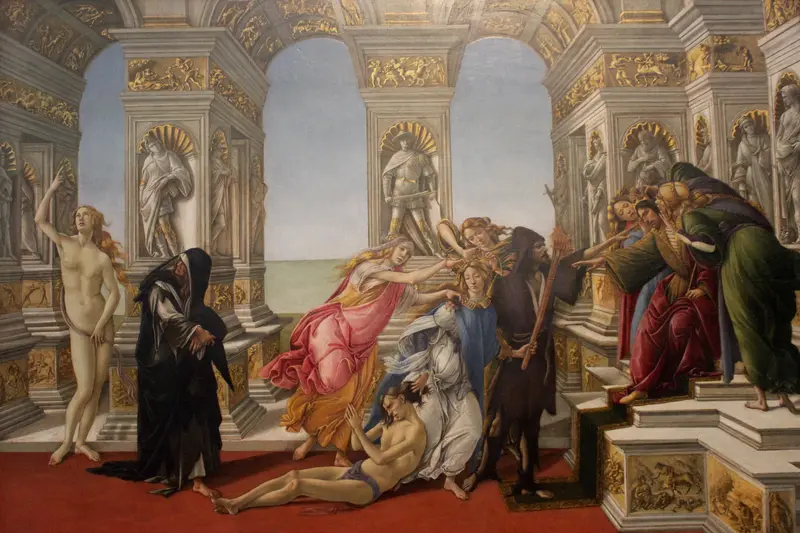
Calumny of Apelles
Sandro Botticelli
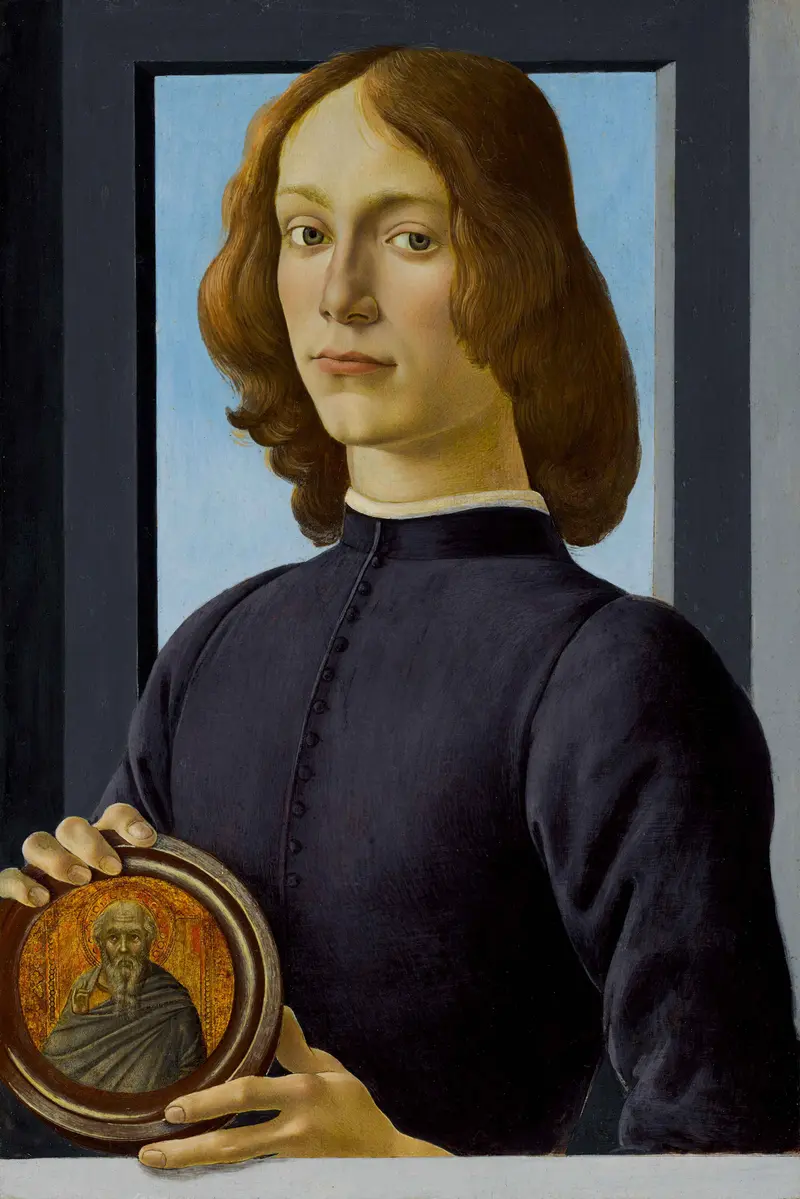
Portrait of a young man holding a roundel
Sandro Botticelli

The Trinity with Saint Mary Magdalene and Saint John the Baptist, the Archangel Raphael and Tobias
Sandro Botticelli
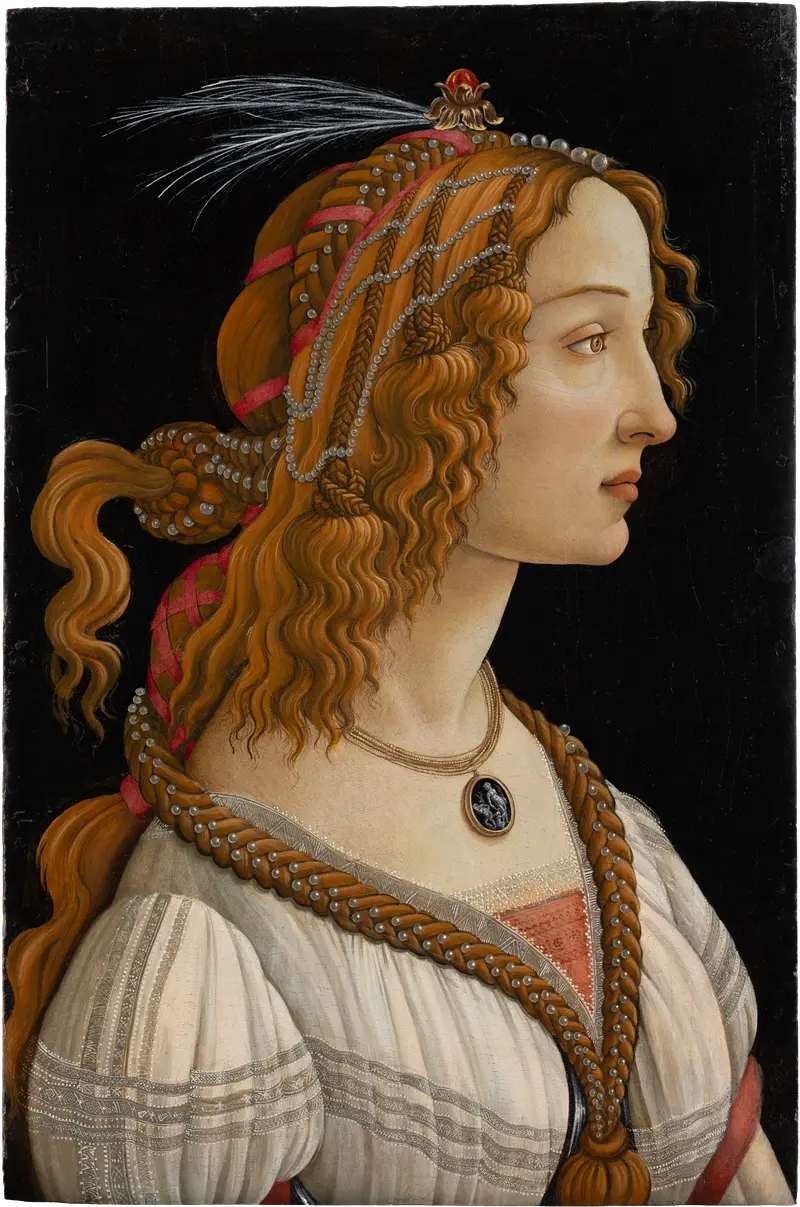
Idealized Portrait of a Lady (Portrait of Simonetta Vespucci as Nymph)
Sandro Botticelli





