
Allegory of the stadholdership of Prince Frederik Hendrik of Orange — History & Facts
What first catches the eye in Allegory of the stadholdership of Prince Frederik Hendrik of Orange is the golden, dreamlike haze that seems to lift the entire scene into another realm. The painter, Adriaen Pietersz van de Venne, draws us into a moment of triumph and ceremony: a female figure, Victoria herself, leans forward with a palm branch and laurel wreath, her gesture both gentle and commanding. The stadhouder, Frederik Hendrik, stands at the heart of this tableau, his gaze steady as he receives the emblem of victory.
Between them, a young man—Willem II—watches, his presence a reminder of dynastic continuity. Overhead, cherubs tumble through the clouds, their arms full of crowns and laurels, reinforcing the sense that this is not just a political event, but a moment sanctified by fortune and fate. This painting, created in 1642, belongs to a world where allegory was a language of power and persuasion. In the Dutch Republic, such works were often commissioned to celebrate victories, legitimize rule, or cement alliances, weaving together myth and reality for a public eager for reassurance and pride.
The presence of Victoria and the hovering putti would have been instantly legible to a 17th-century viewer as signs of divine favor and enduring glory. While history has kept few traces of this particular work’s journey, it now resides in the Rijksmuseum, a silent witness to the ambitions and anxieties of its age. Look again at the interplay of figures and symbols—each detail is a key to the hopes of a nation in flux.
More Artworks by Adriaen Pietersz van de Venne
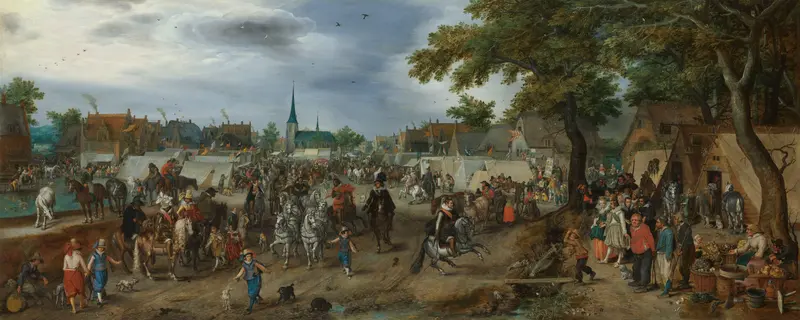
Princes Maurice and Frederick Henry at the Valkenburg Horse Fair
Adriaen Pietersz van de Venne
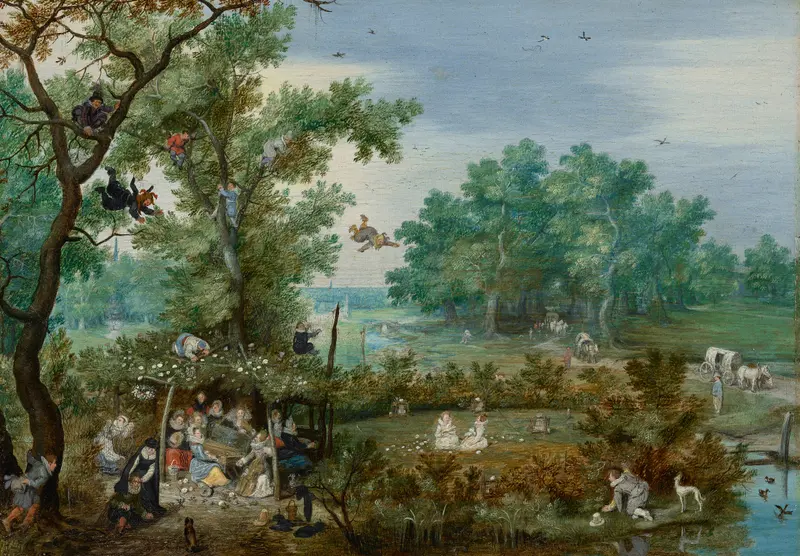
Merry Company in an Arbor
Adriaen Pietersz van de Venne
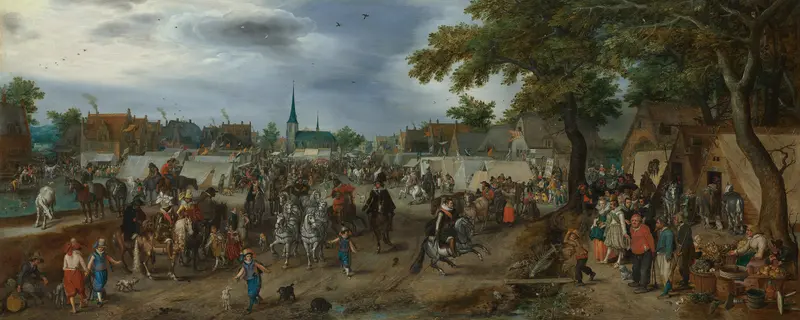
Princes Maurice and Frederick Henry at the Valkenburg Horse Fair
Adriaen Pietersz van de Venne
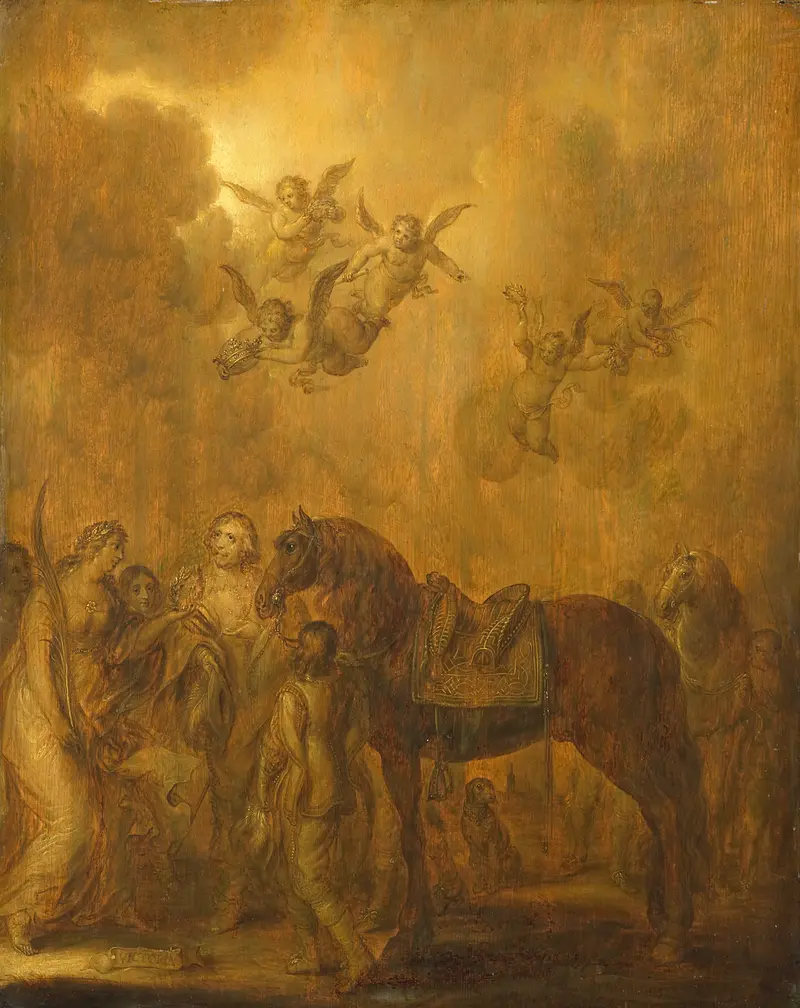
Allegory of the Stadtholdership of Prince Frederick Henry
Adriaen Pietersz van de Venne
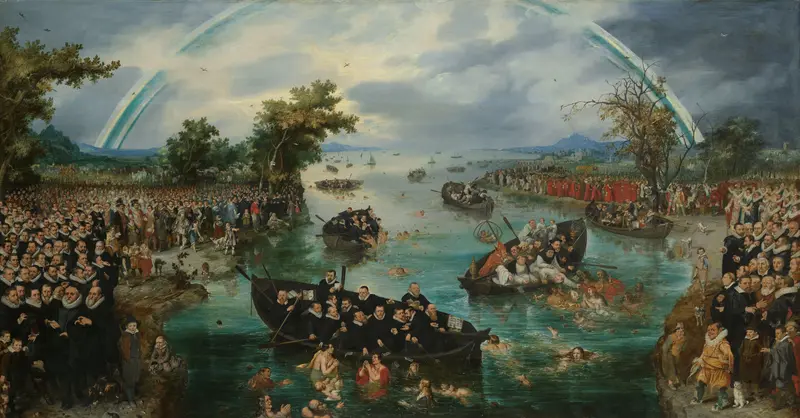
Fishing for Souls
Adriaen Pietersz van de Venne
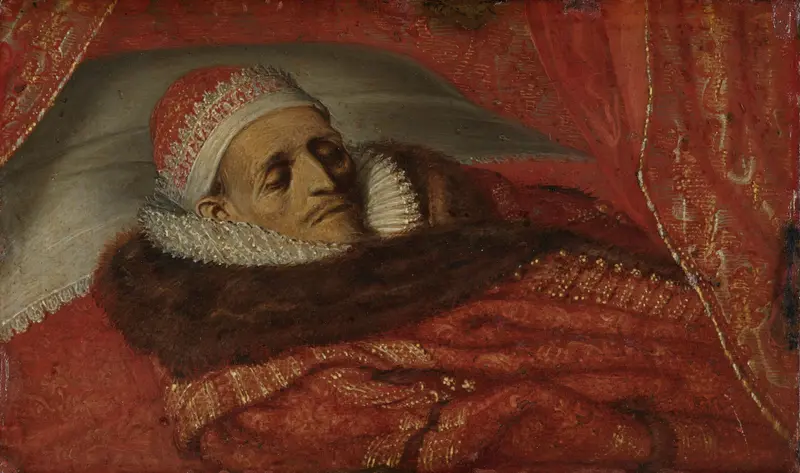
Stadtholder Prince Maurice Lying in State
Adriaen Pietersz van de Venne
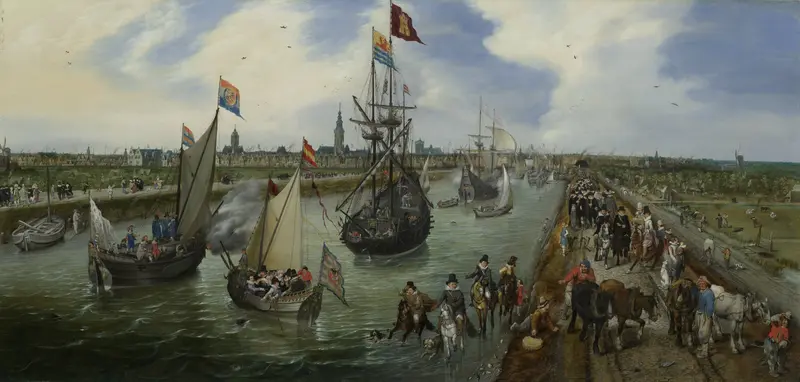
The Departure of a Dignitary from Middelburg
Adriaen Pietersz van de Venne
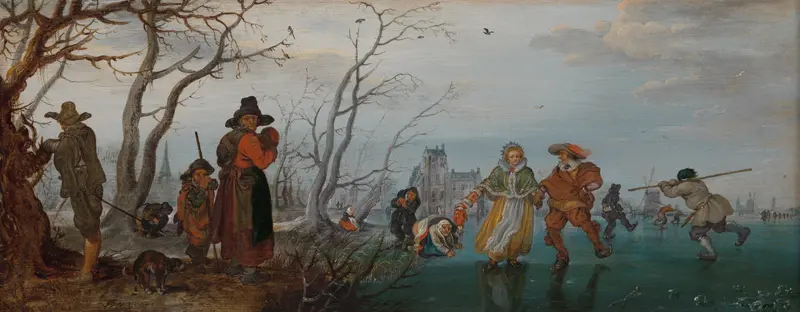
Winter
Adriaen Pietersz van de Venne

A Jeu de Paume Before a Country Palace
Adriaen Pietersz van de Venne
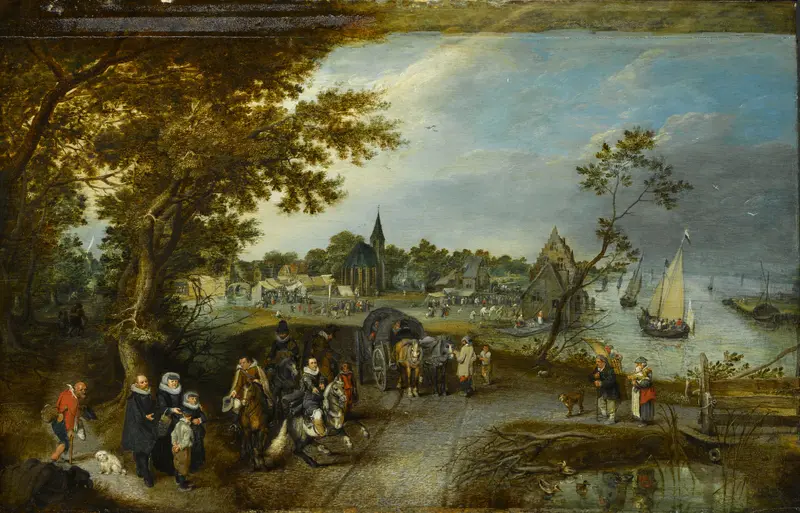
Landscape with Figures and a Village Fair (Village Kermesse)
Adriaen Pietersz van de Venne





