
Alley by the water (in Duboj) — History & Facts
What if silence could speak through light? In Alley by the Water (in Duboj), a hushed solitude envelops the scene, inviting a deep contemplation of loneliness and longing. Look to the left, where the winding path gently draws your gaze toward the water's edge, a shimmering ribbon reflecting the soft hues of dusk. Notice how the delicate brushstrokes create a velvety texture in the foliage, contrasting with the crispness of the serene water. The palette of blues and greens evokes a tranquil melancholy, while the interplay of light and shadow breathes life into the trees, casting elongated forms that suggest movement yet remain hauntingly still. Each detail adds layers of meaning: the overhanging branches seem to cradle the scene, shielding it from the outside world, while the tranquil water mirrors the absence of human presence, amplifying the sense of isolation.
The empty alleyway beckons, yet it offers no promise of companionship, a poignant reminder of solitude’s embrace in nature’s serene beauty. The absence of figures heightens the emotional tension, turning the landscape into a reflection of an inner struggle between longing and resignation. In 1896, Józef Pankiewicz painted this work during a time of personal evolution, embracing Impressionism’s light-filled aesthetics while also wrestling with the pervasive sense of disconnection evident in his life. Working in France and Poland, he was influenced by the changing art movements around him, seeking to capture moments that resonated with his own experiences of solitude and introspection.
More Artworks by Józef Pankiewicz
Browse all →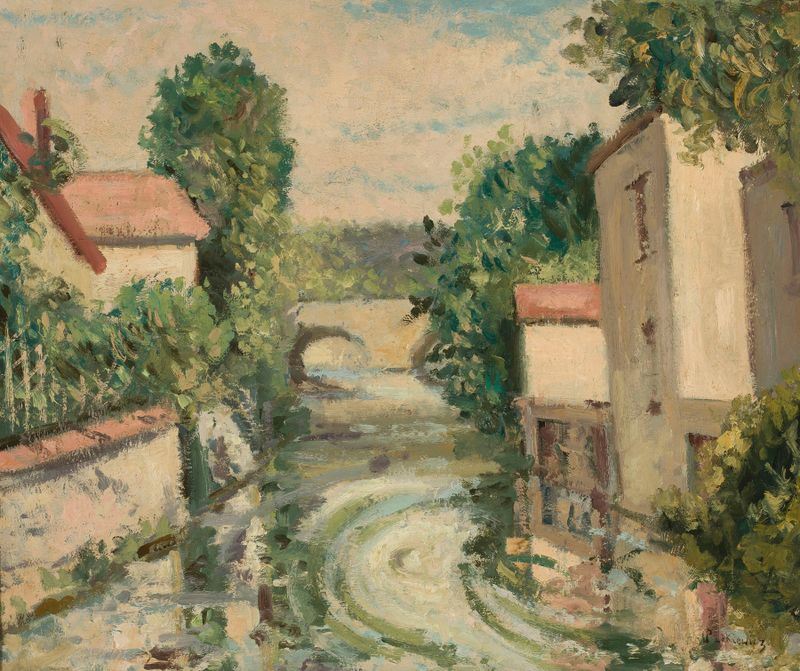
Landscape
Józef Pankiewicz

Cab in the Rain
Józef Pankiewicz
Notre Dame Cathedral in Paris
Józef Pankiewicz
Landscape from Czarnolas
Józef Pankiewicz
Pińsk Channel in Polesie I
Józef Pankiewicz
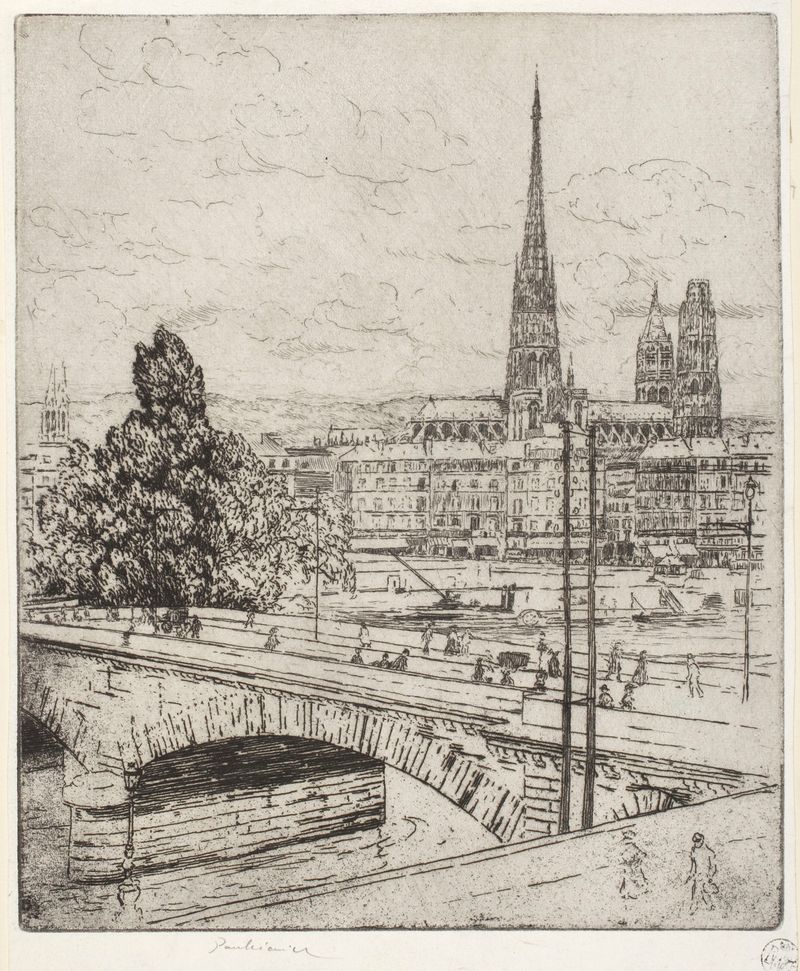
Pont Corneille in Rouen
Józef Pankiewicz
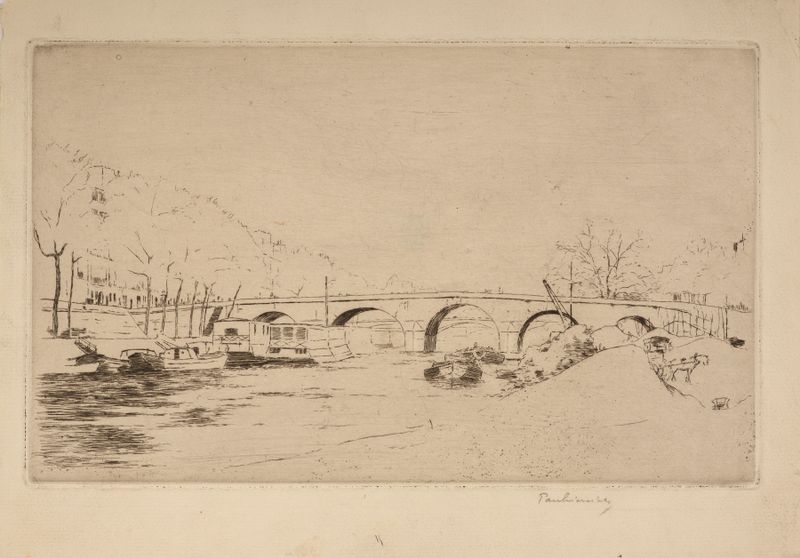
Pont Marie in Paris
Józef Pankiewicz

Rouen – portal from the Church of St Maclou
Józef Pankiewicz
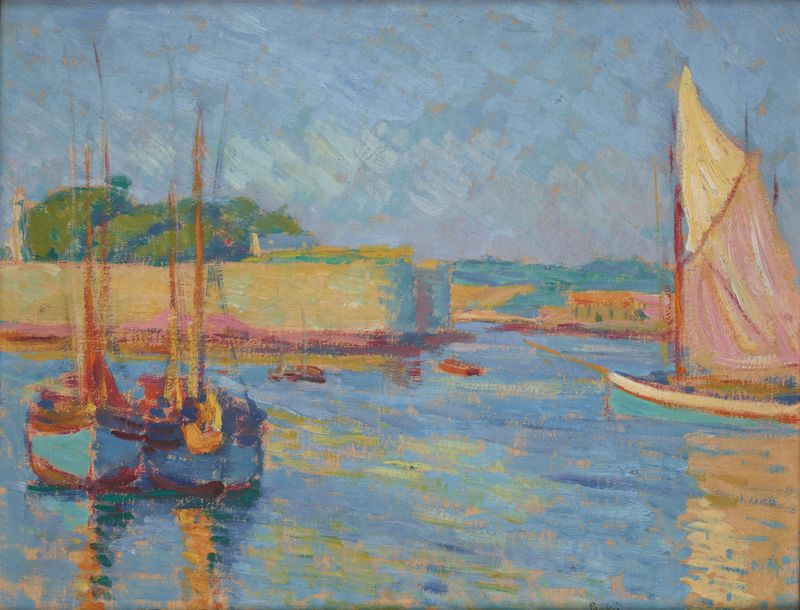
Harbour at Concarneau
Józef Pankiewicz
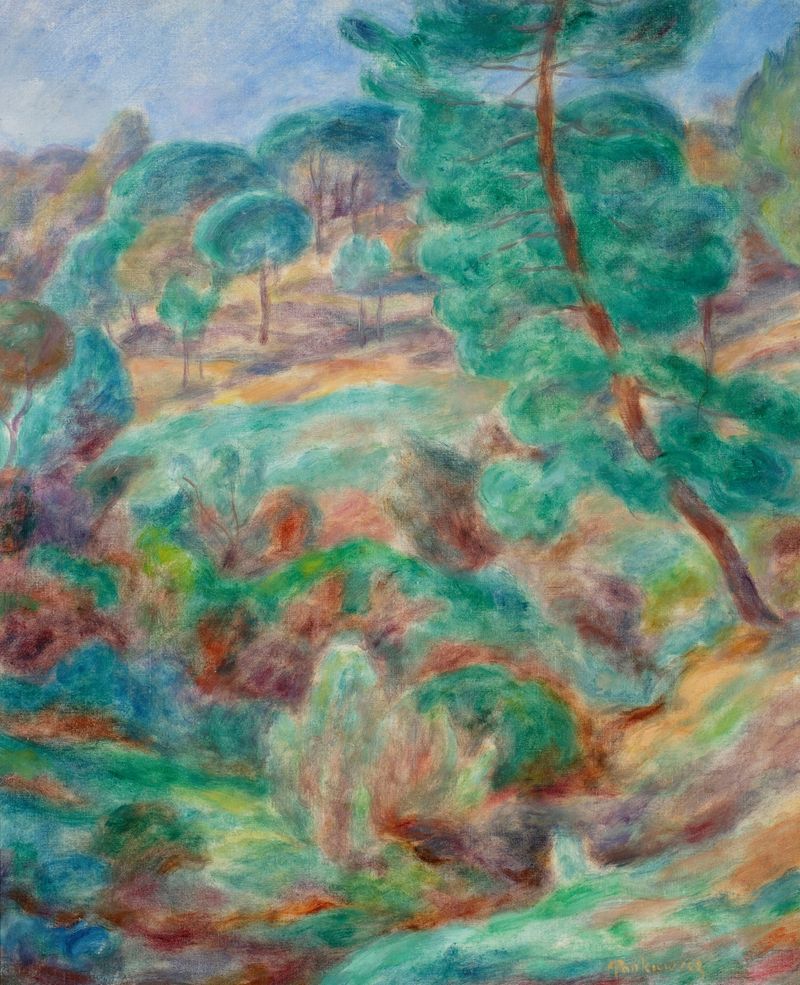
Landscape from Saint-Tropez – Stone pines
Józef Pankiewicz





