
Along the Hudson — History & Facts
In this stillness, one can sense the weight of legacy, an eternity captured in the delicate brushstrokes of a master. Look to the horizon, where the gentle arc of the river stretches like a silken ribbon against the landscape. Notice how the sunlight breaks through the clouds, illuminating the smooth water’s surface, creating a shimmering path that beckons the viewer to follow. The lush greenery on the banks contrasts with the soft, muted blues and grays of the sky, evoking a sense of tranquil harmony.
Kensett’s technique, characterized by a meticulous blending of colors and delicate detail, reveals his deep reverence for nature’s beauty. As you examine the scene more closely, observe the interplay between light and shadow that breathes life into the composition. The presence of the distant mountains suggests stability and permanence, while the flowing river signifies change and movement, a juxtaposition that reflects the eternal cycle of life. This duality speaks to the human experience—a longing for connection to both the past and the present, underscoring the artist's contemplation of legacy and memory. In 1852, Kensett painted this work while living in the Hudson River Valley, a region that profoundly influenced his art.
At this time, he was part of the Hudson River School, a group of artists who celebrated American landscapes. The movement was gaining traction, reflecting a burgeoning national identity, as America’s growing cities began to contrast with the natural beauty highlighted in their work. Kensett's devotion to capturing the essence of the land marks him as a significant figure in the evolution of American art.
More Artworks by John Frederick Kensett
Browse all →
White Mountains from Shelburne, NH
John Frederick Kensett

An October Day in the White Mountains
John Frederick Kensett
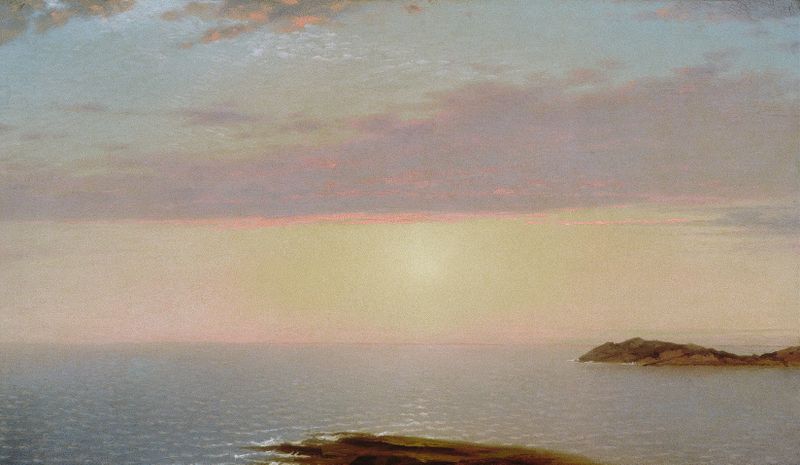
Sunset
John Frederick Kensett
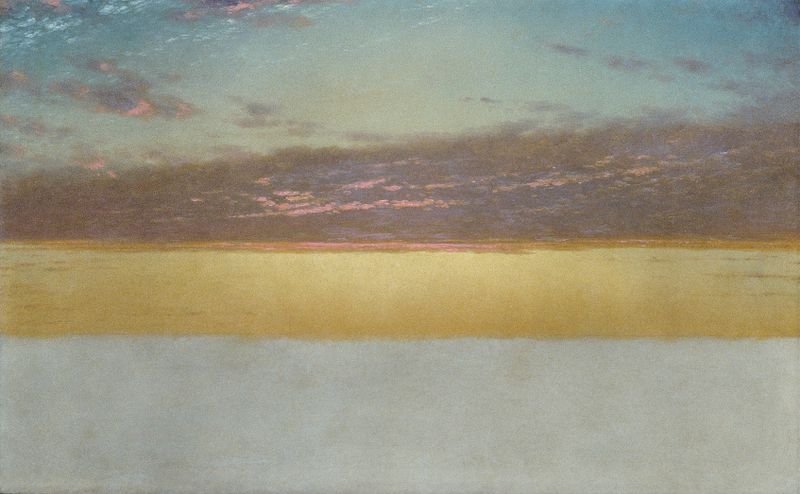
Sunset Sky
John Frederick Kensett
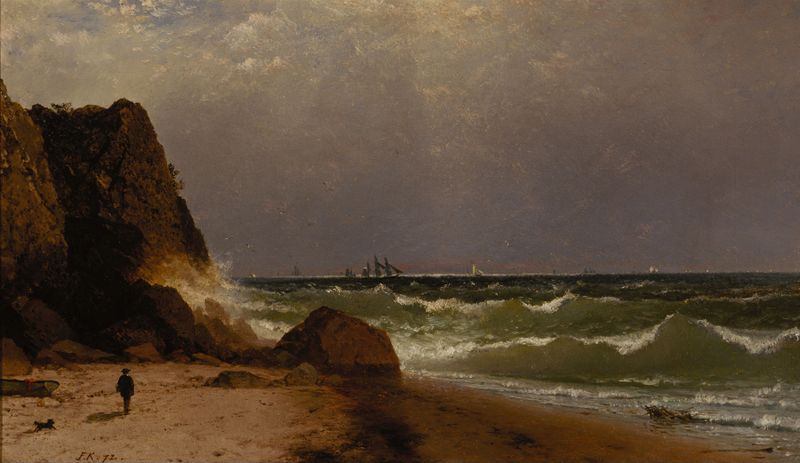
Near Newport, Rhode Island
John Frederick Kensett
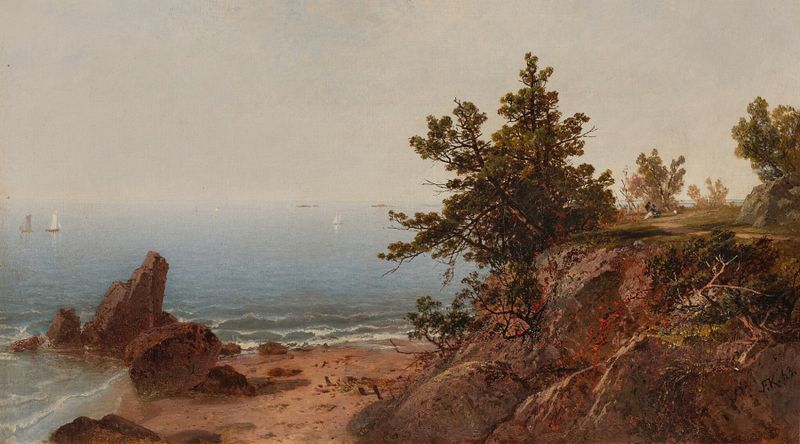
View from the Cliff (Noon on the Seashore)
John Frederick Kensett
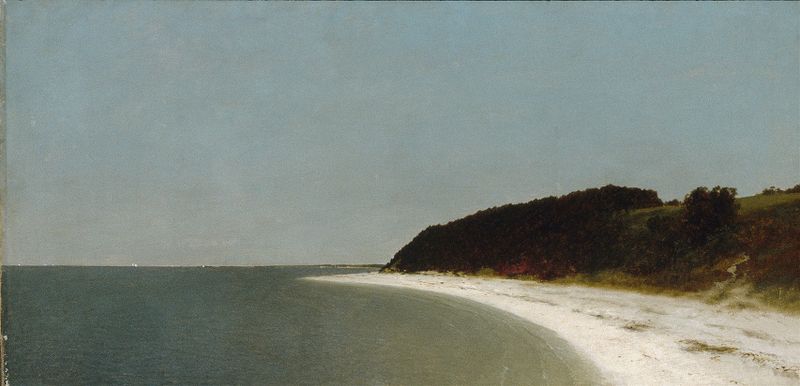
Eaton’s Neck, Long Island
John Frederick Kensett
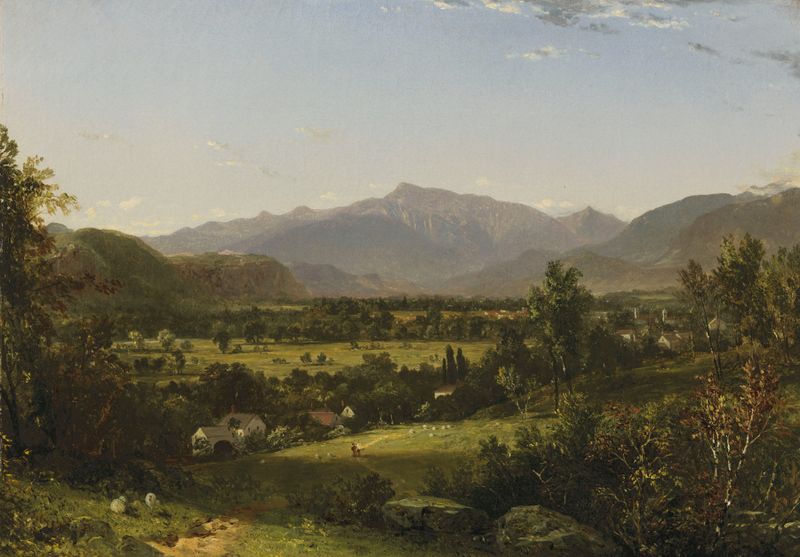
Mount Washington from North Conway
John Frederick Kensett
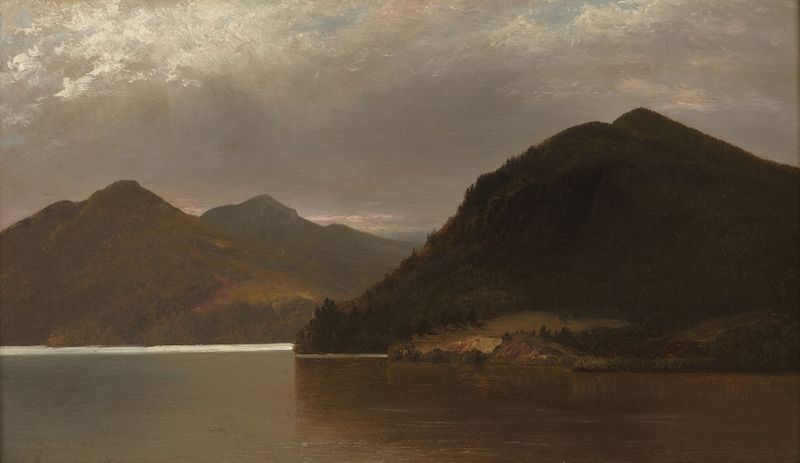
Lake George
John Frederick Kensett
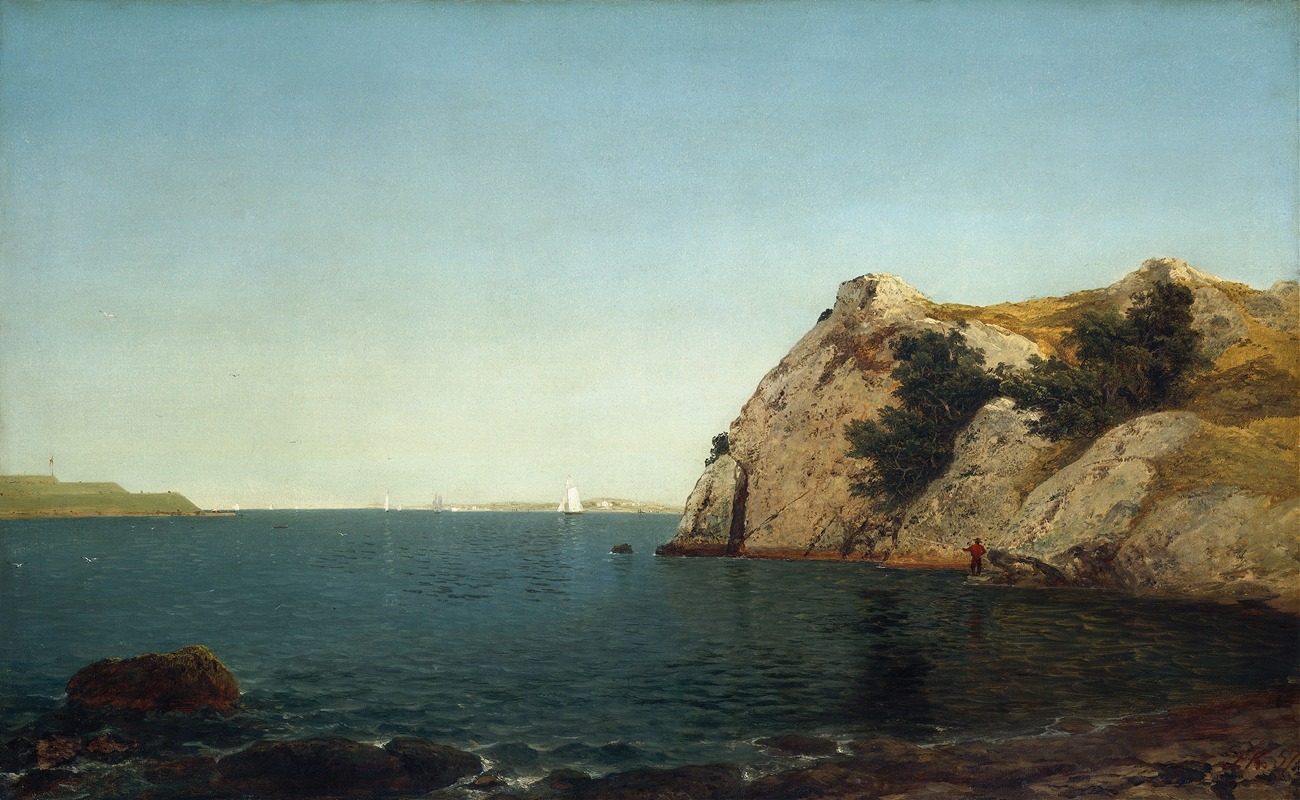
Near Newport
John Frederick Kensett





