
Alpine Scene — History & Facts
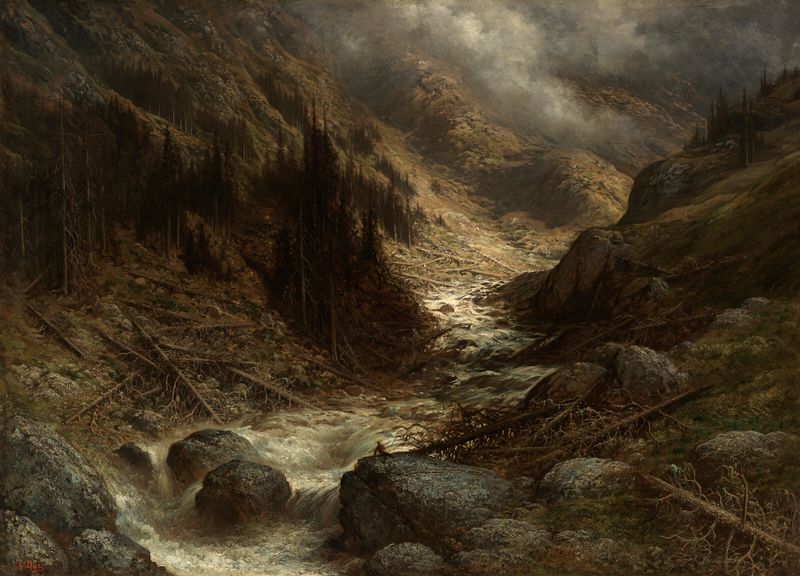
In Alpine Scene, the artist captures the sublime juxtaposition of nature’s overwhelming beauty and the stark solitude it can impose on the human spirit. The ethereal landscape speaks not just of majesty, but of the transcendence one seeks amidst the trials of existence. Look to the left at the towering peaks, their sharp, icy summits piercing the soft blue sky. Notice how the light dances upon the mountains, illuminating the textures of the rocks and creating a serene contrast between the gentle slopes and jagged edges.
The foreground, with its delicate flora, invites the viewer in, while the muted palette—blues, whites, and soft greens—evokes a calm yet somber mood, drawing attention to the interplay of light and shadow. Within this composition lies a profound emotional tension: the majestic beauty of the Alps serves as both a refuge and a reminder of isolation. The sheer scale of the mountains dwarfs the small human figure at the forefront, suggesting a longing for connection that is both inspiring and heartbreaking. The delicate flowers, resilient yet fragile, symbolize the struggle to find grace amidst overwhelming odds, resonating with anyone who has gazed upon nature with a sense of awe and vulnerability. Gustave Doré painted Alpine Scene in 1865 during a time of personal and artistic exploration.
Living in Paris, he was deeply influenced by the Romantic movement, which sought to evoke emotional responses through sublime landscapes. His work echoed the era's fascination with nature's power and beauty, reflecting both the tumult of contemporary society and the timeless quest for transcendence amidst life's challenges.
More Artworks by Gustave Doré
Browse all →
A Rider and a Dead Horse in a Landscape
Gustave Doré

Fairy Land
Gustave Doré
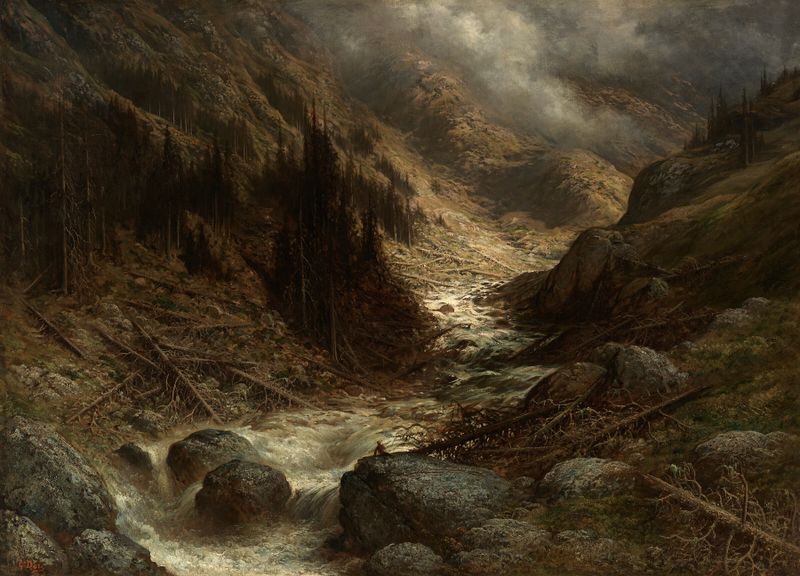
Un torrent dans l’Engadine
Gustave Doré
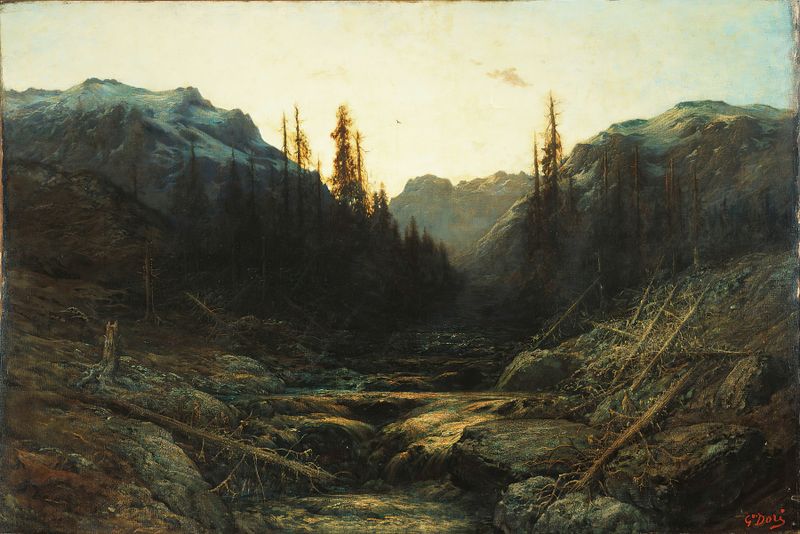
Stream in Mountains at Dusk
Gustave Doré
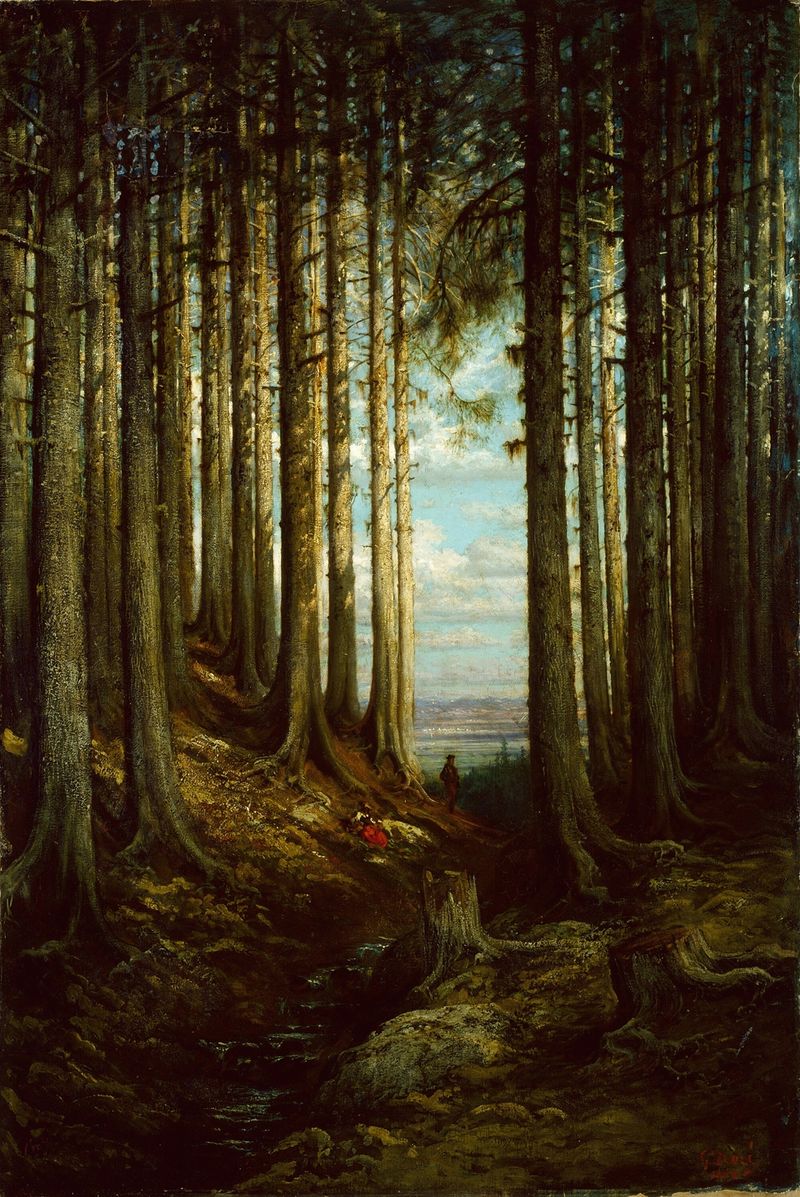
Alpine Scene
Gustave Doré

Torrent in the Highlands
Gustave Doré

An Alpine Valley with Trees and Boulders
Gustave Doré
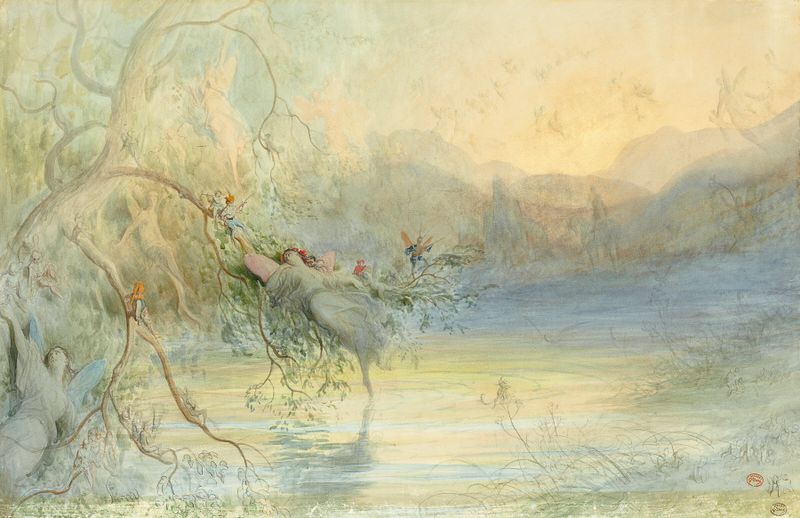
Étude pour ‘Les Fées’
Gustave Doré

Via Mala
Gustave Doré
Un torrent dans l’Engadine
Gustave Doré





