
Altaar in de nieuwe tempel in visioen van Ezechiël — History & Facts
Within this stillness, beauty emerges, inviting the viewer to ponder the delicate interplay of vision and reality. The essence of a sacred moment captured in paint transcends time, allowing us to witness the profound. Look to the right at the meticulously crafted altar, which stands as the focal point, radiant in its detail. The intricate patterns on the surface draw your gaze, while the interplay of light and shadow shapes a three-dimensionality that almost beckons touch.
Warm, earthy tones harmonize with cooler hues in the background, creating a visual contrast that adds depth and invites introspection into the sacred space, echoing the tension between the earthly and the divine. Hidden beneath the surface of this composition lies a rich tapestry of meaning. The altar’s decorations symbolize a bridge between the celestial and the terrestrial, suggesting a vision of divine revelation that speaks to the renewal of faith. The figures surrounding it, caught in contemplation, embody the silent yearning for connection, their expressions hinting at an unspoken dialogue between humanity and the divine.
Such contrasts not only enhance the narrative but also challenge the viewer to meditate on their own spiritual journey. Hans Holbein (II) created Altaar in de nieuwe tempel in visioen van Ezechiël in 1538, a period marked by religious upheaval and shifting artistic paradigms. Working in Basel, he was at the heart of the Reformation, which influenced his exploration of faith and spirituality through art. This work reflects the tension of its time, as Holbein sought to engage viewers with a visual experience that resonates with both contemporary religious discourse and the enduring quest for beauty.
More Artworks by Hans Holbein (II)
Browse all →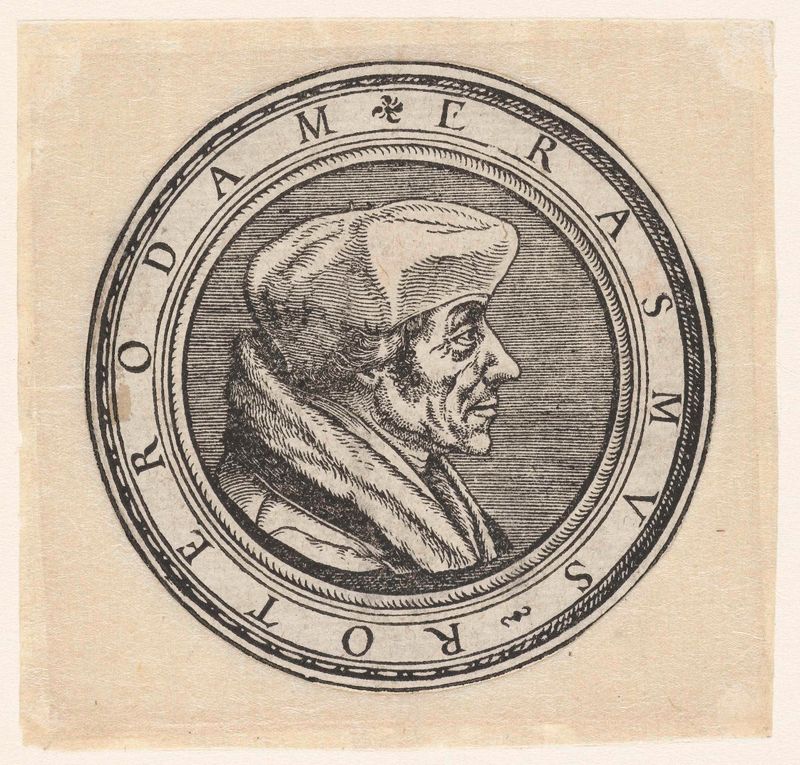
Portret van Erasmus
Hans Holbein (II)
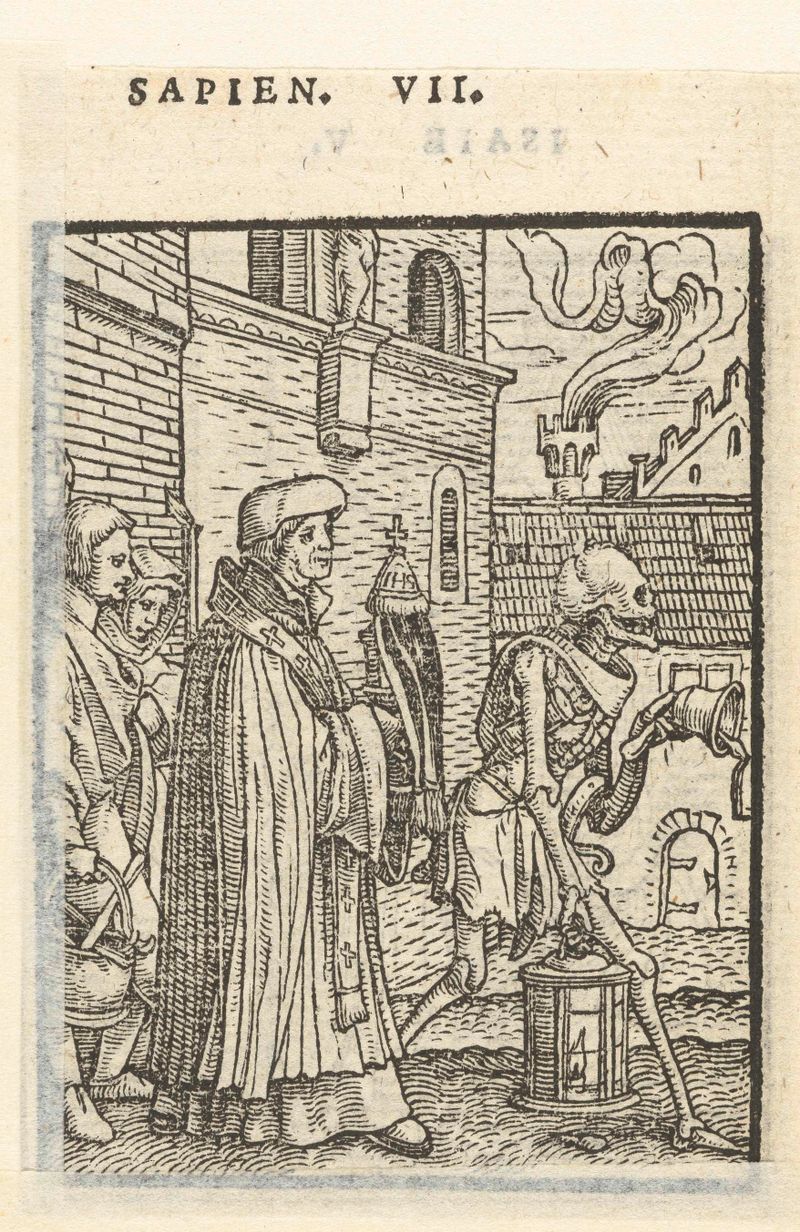
Priester en de Dood
Hans Holbein (II)
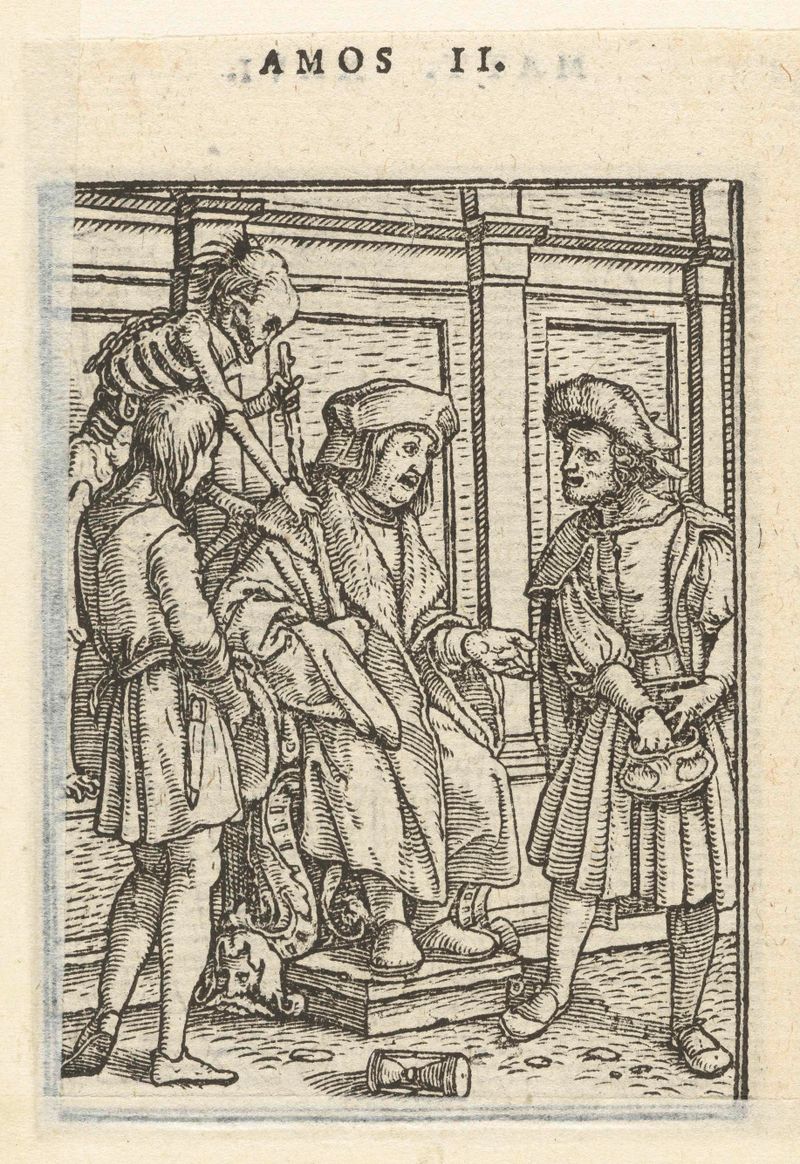
Rechter en de Dood
Hans Holbein (II)
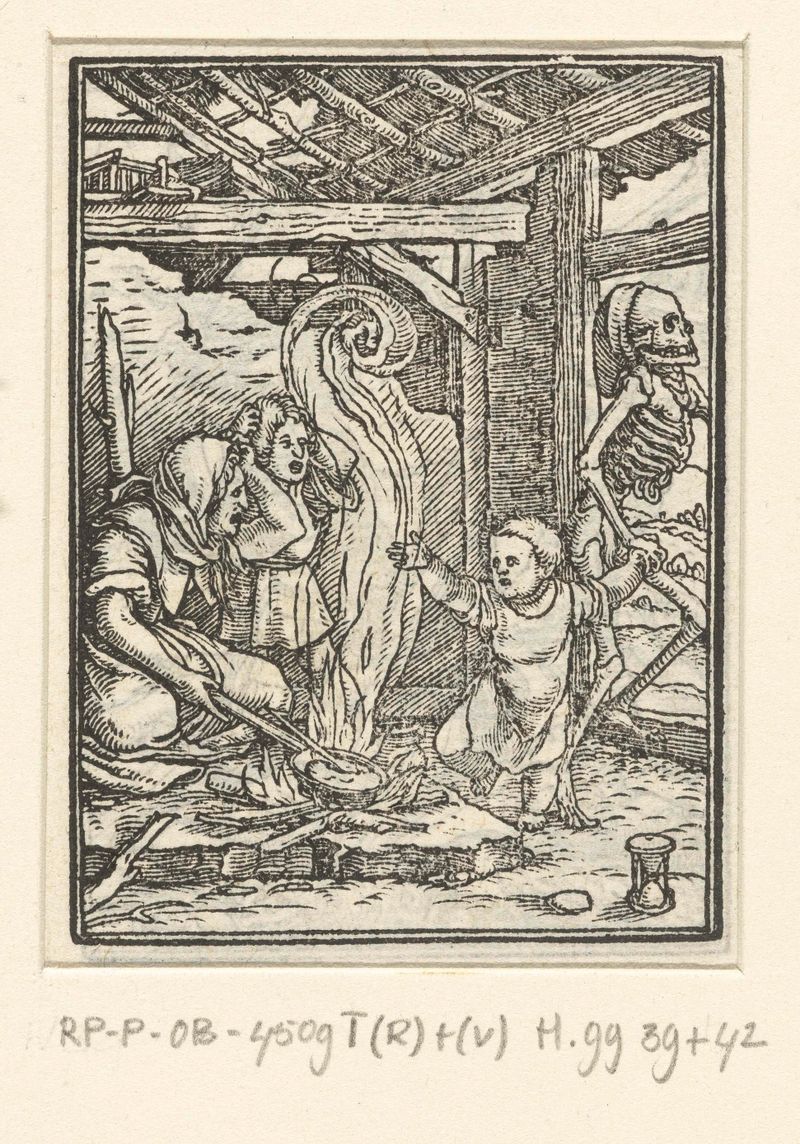
Kind en de Dood
Hans Holbein (II)
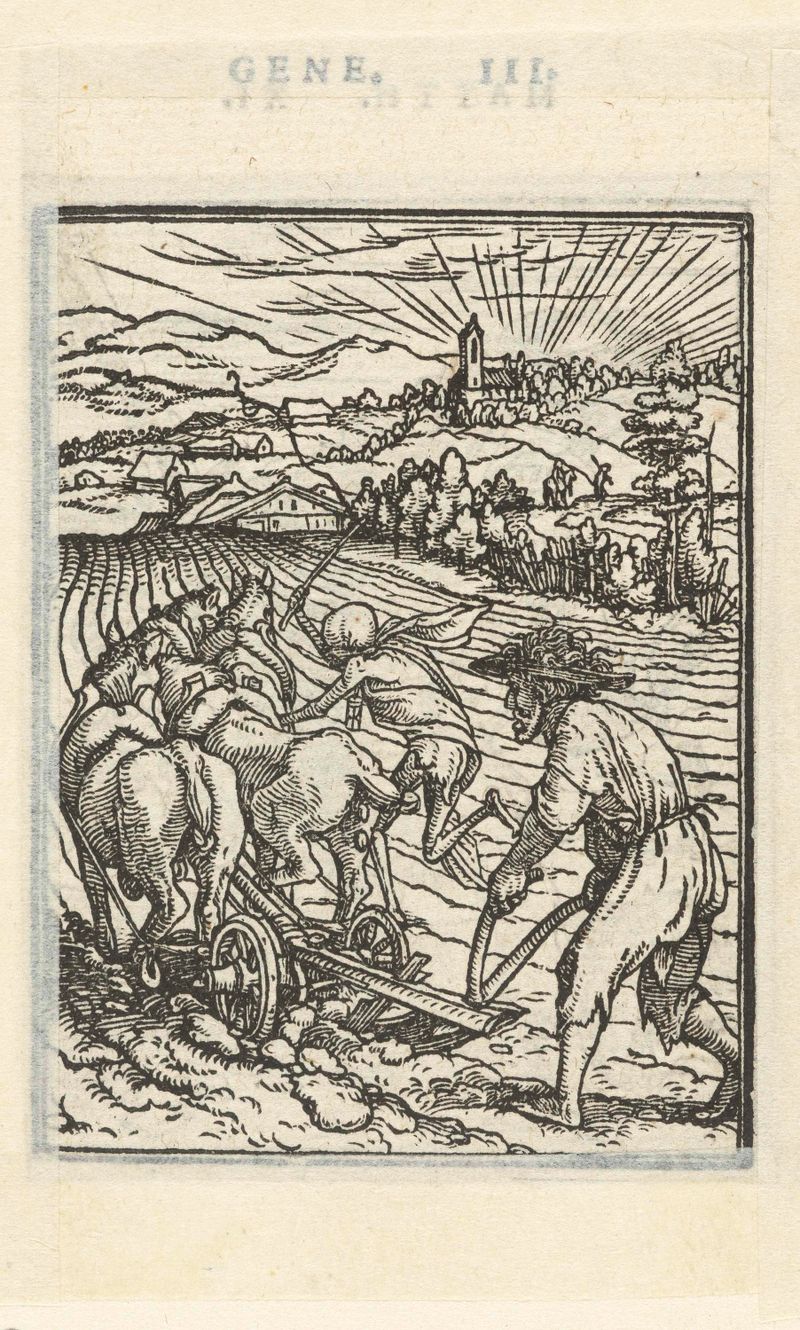
Boer en de Dood
Hans Holbein (II)
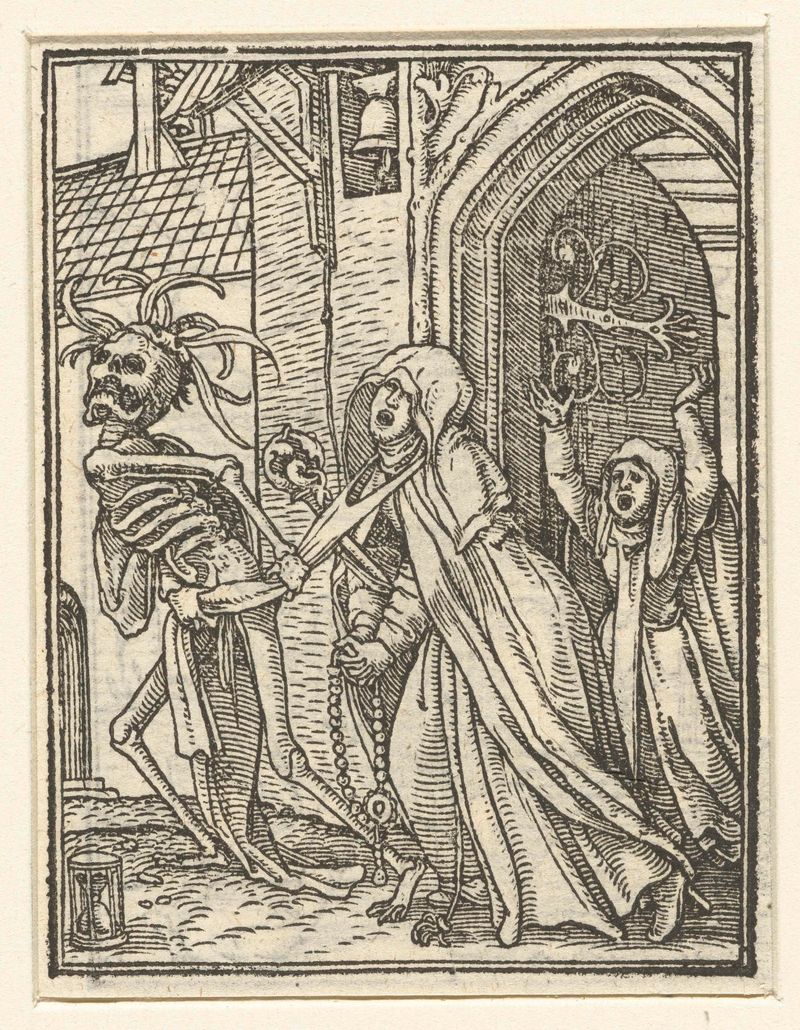
Abdis en de Dood
Hans Holbein (II)
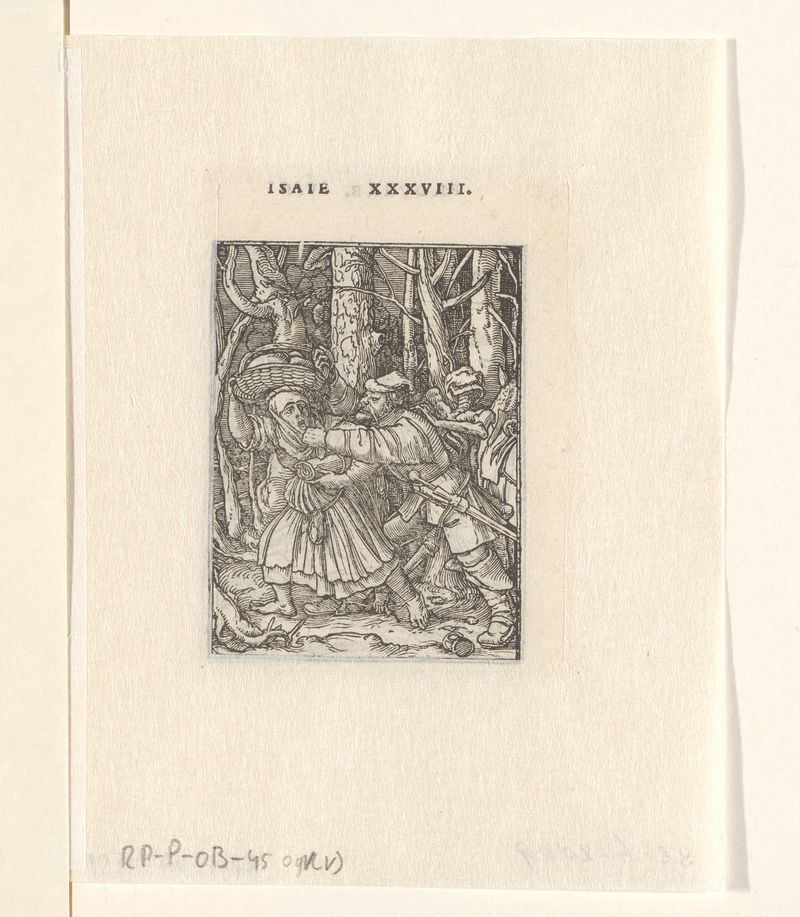
Dief en de Dood
Hans Holbein (II)
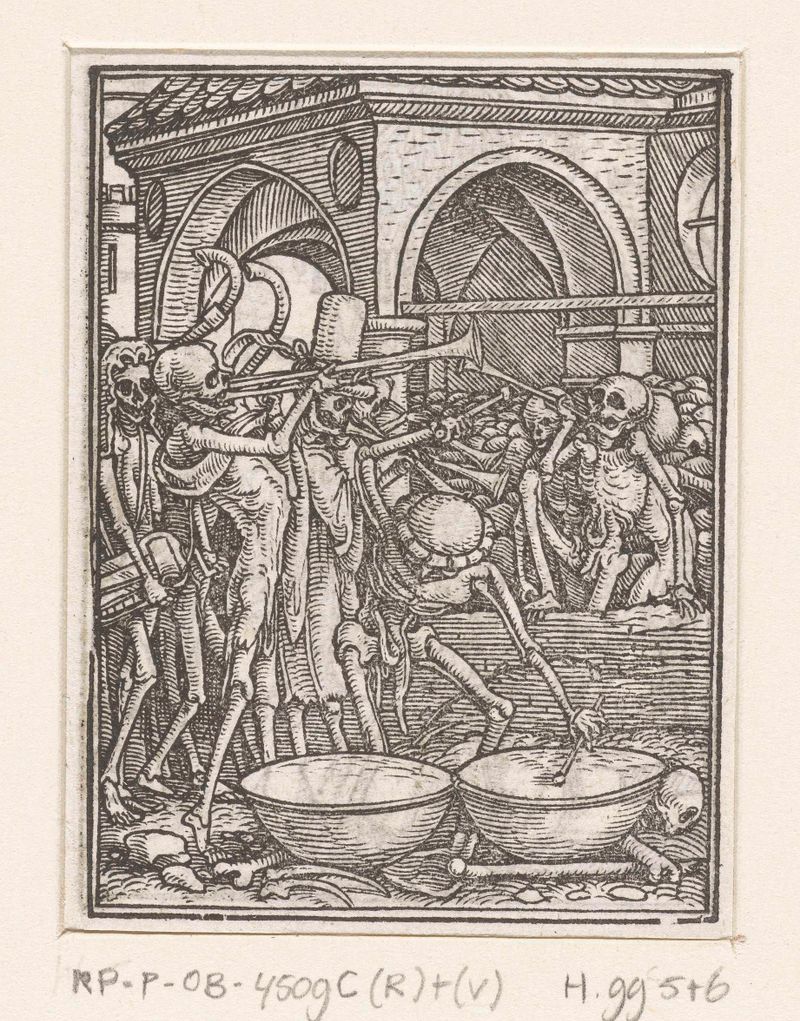
Skeletons Making Music from Dance of the Dead
Hans Holbein (II)
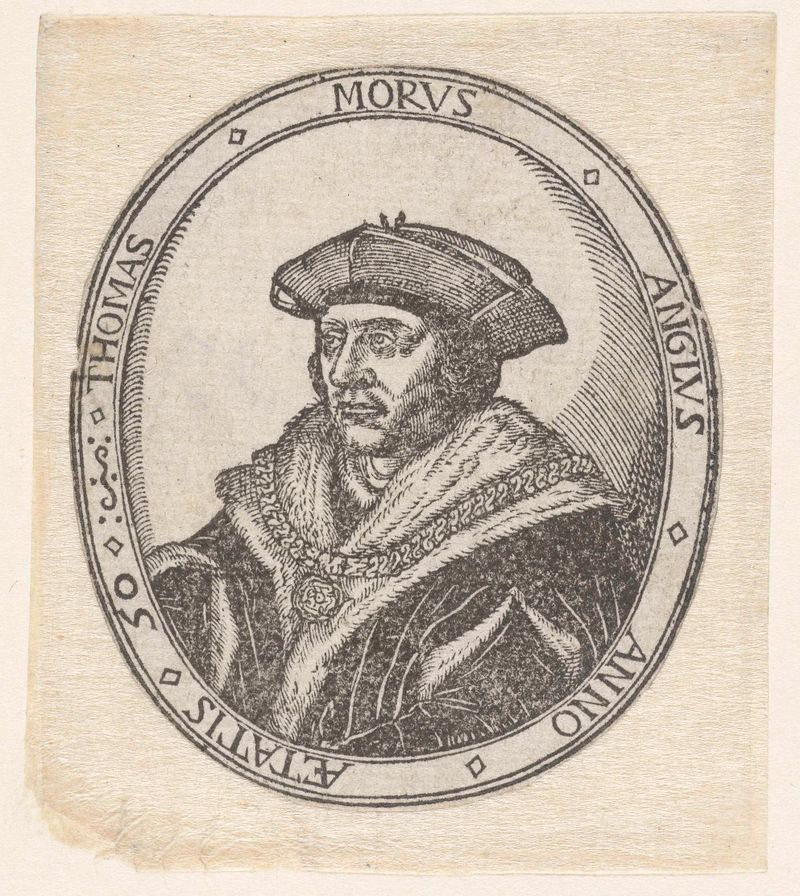
Portret van Thomas More
Hans Holbein (II)
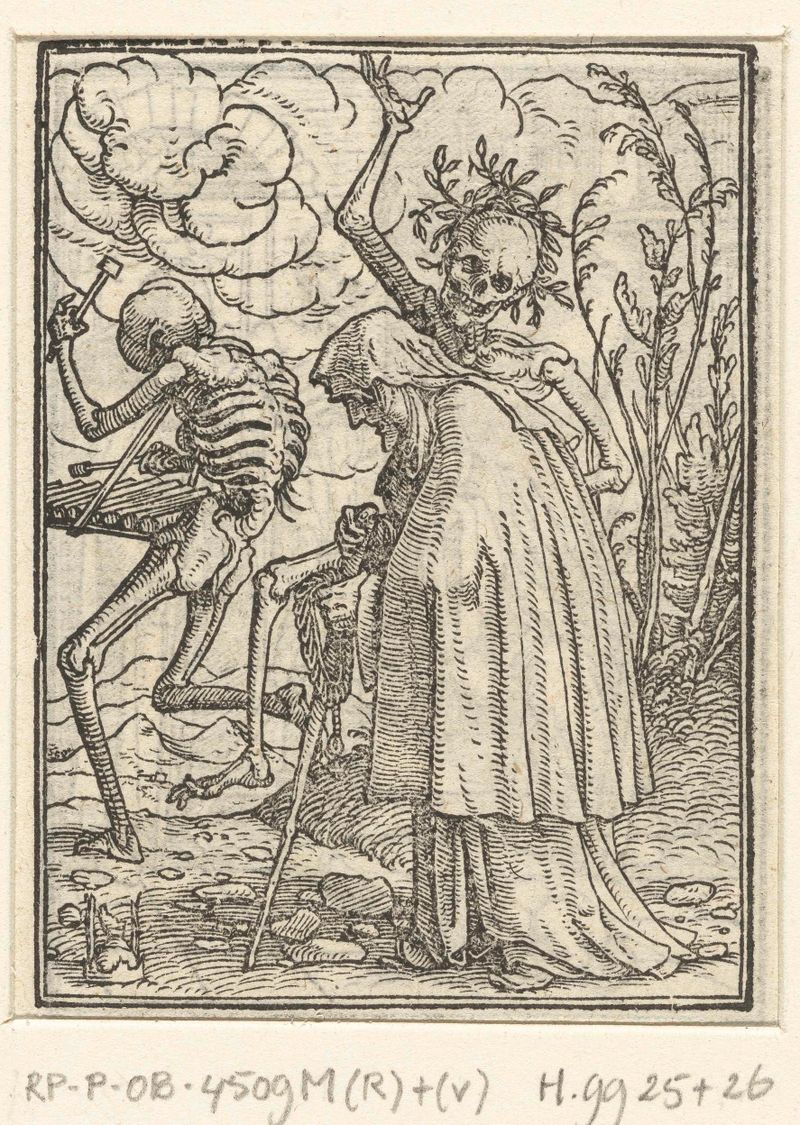
Oude vrouw en de Dood
Hans Holbein (II)
More Religious Art
Browse all →
The Return of the Prodigal Son
Rembrandt van Rijn

The Garden of Earthly Delights
El Bosco

Count Orgaz’ funeral
El Greco

The Hundred Guilder Print: the central piece with Christ preaching, the plate arched
Rembrandt van Rijn

The Descent from the Cross
Rogier van der Weyden

The return of the prodigal son
Rembrandt van Rijn