
Alter Olivenbaum bei Camaldoli — History & Facts
In its silent embrace, it holds secrets and betrayals, whispering tales that linger just beyond the edge of perception. Each brushstroke a choice, each color a consequence, the artwork reveals a world laden with emotion and uncertainty. Look to the left at the sprawling olive tree, its gnarled branches twisted as if caught in a moment of indecision. The warm sunlight dapples through the foliage, casting playful shadows that dance across the rugged terrain.
Notice the subtle gradation of greens and browns, expertly applied to evoke both the strength and fragility of nature. The sweeping sky overhead, painted in delicate blues and whites, contrasts sharply with the earthy tones below, framing the tree as a symbol of resilience amidst turmoil. As you delve deeper, consider the connotations of the olive tree itself — a symbol of peace and betrayal throughout history. Here, it stands resolute yet somehow isolated, suggesting a disconnect from its surroundings.
The serene beauty of the scene belies the tension underlying the composition; it invites the viewer to question the narrative beyond the image. Is the tranquility genuine, or is it a façade hiding deeper strife beneath the surface? In 1801, while creating Alter Olivenbaum bei Camaldoli, Hackert was living in Italy, a vibrant hub of artistic exchange. This period marked a transition in his career, as he navigated the delicate balance between neoclassicism and romanticism, exploring the interplay of nature and human emotion.
The painting reflects not only his artistic evolution but also a world on the cusp of change, as the tumult of the Napoleonic wars began to reshape the European landscape.
More Artworks by Jacob Philipp Hackert
Browse all →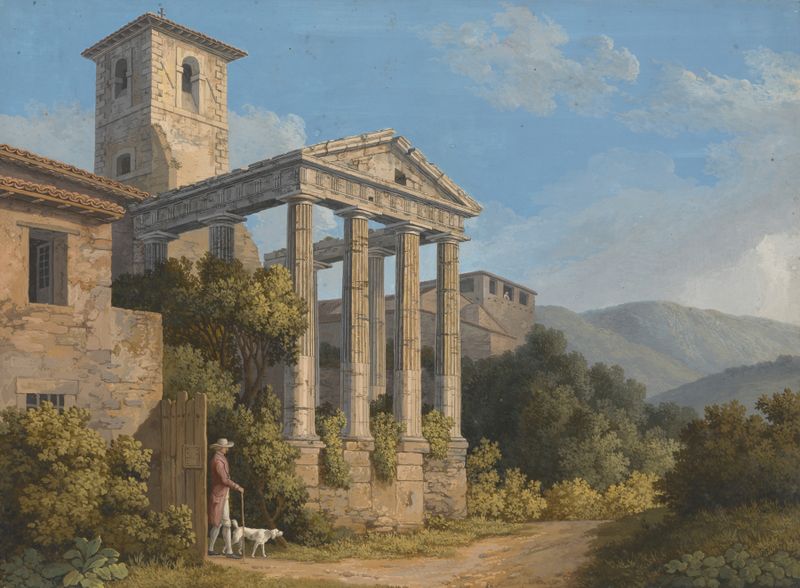
The Temple of Hercules in Cori near Velletri
Jacob Philipp Hackert
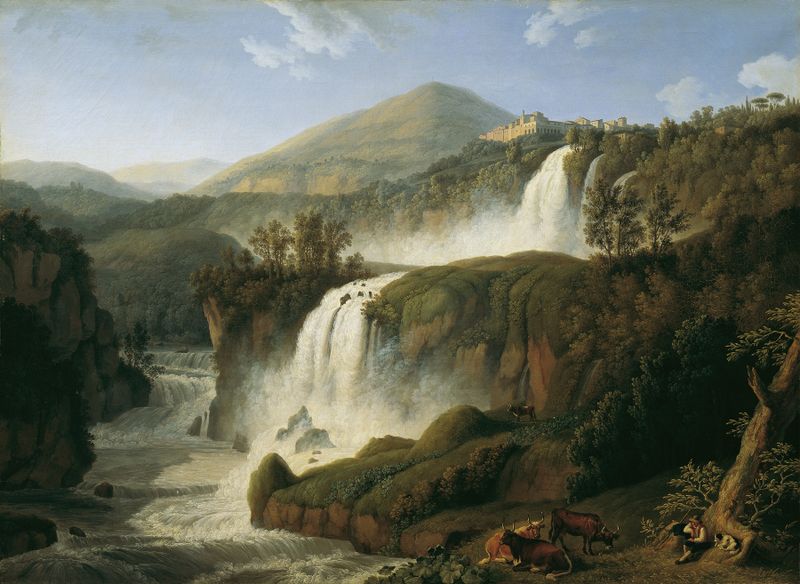
Der große Wasserfall von Tivoli bei Rom
Jacob Philipp Hackert
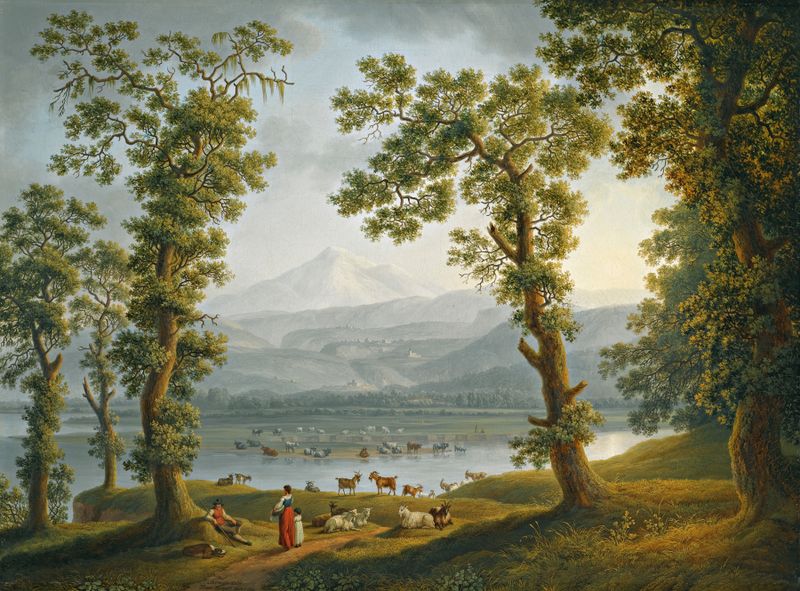
A View Across The Volturno River Towards Alife, Piedimonte Matese, And The Matese Mountains Rising Beyond
Jacob Philipp Hackert
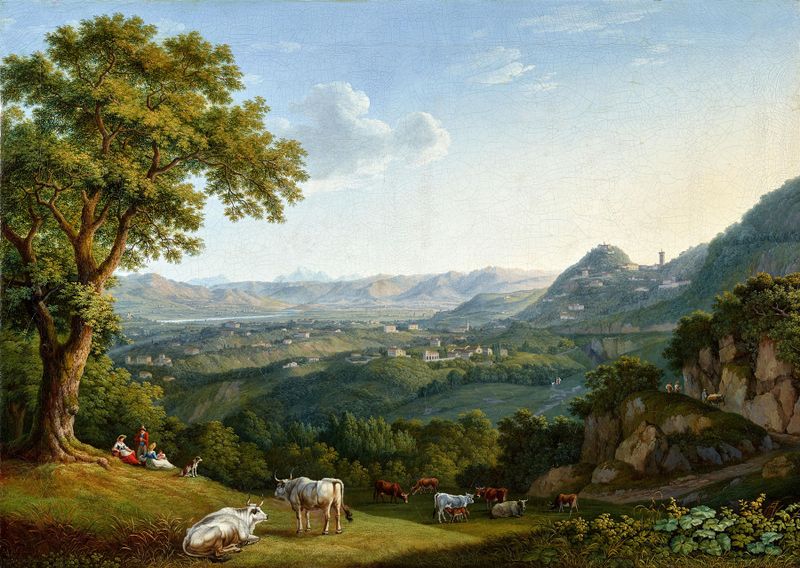
Blick auf das Arnotal und Fiesole
Jacob Philipp Hackert

A View Along The Valley Of The River Tiber Towards Poggio Mirteto, And Beyond The Sabine Mountains Lit Up By The Evening Sun
Jacob Philipp Hackert
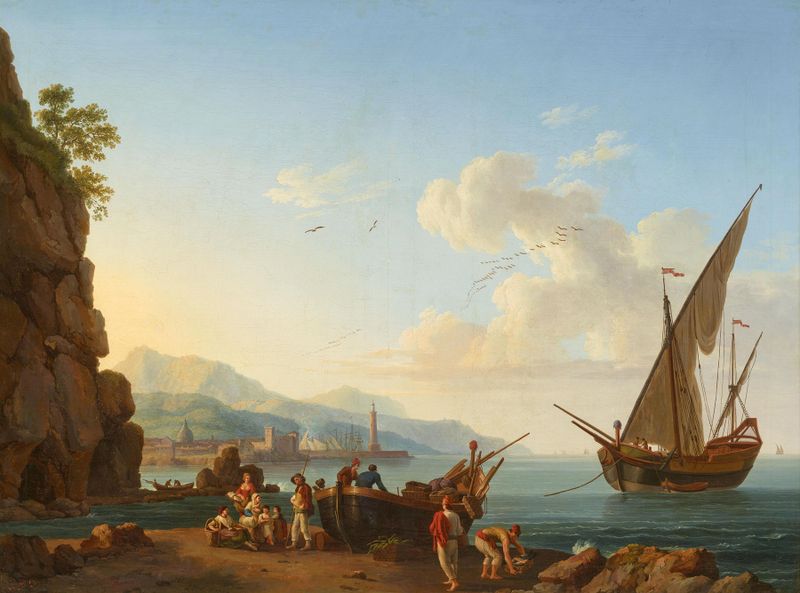
Fischer mit Boot am Strand
Jacob Philipp Hackert

Paysage
Jacob Philipp Hackert
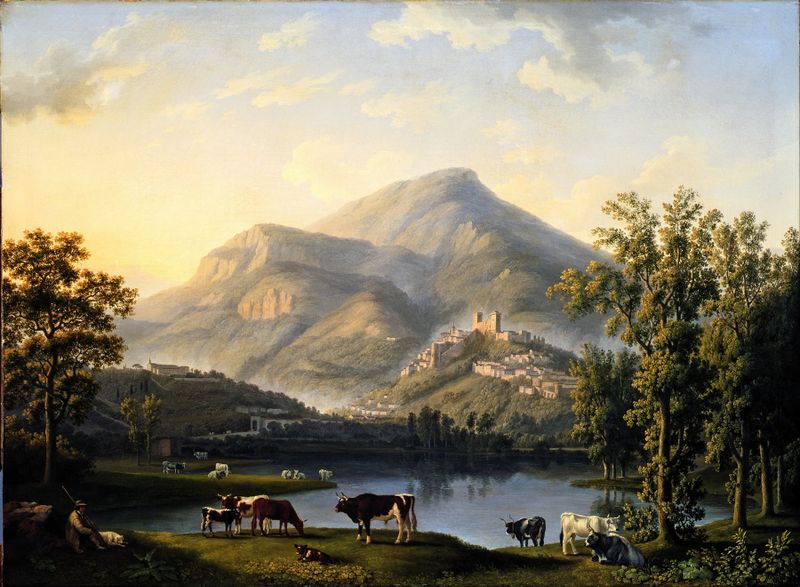
Veduta d’Itri (Landscape with a View of Itri)
Jacob Philipp Hackert
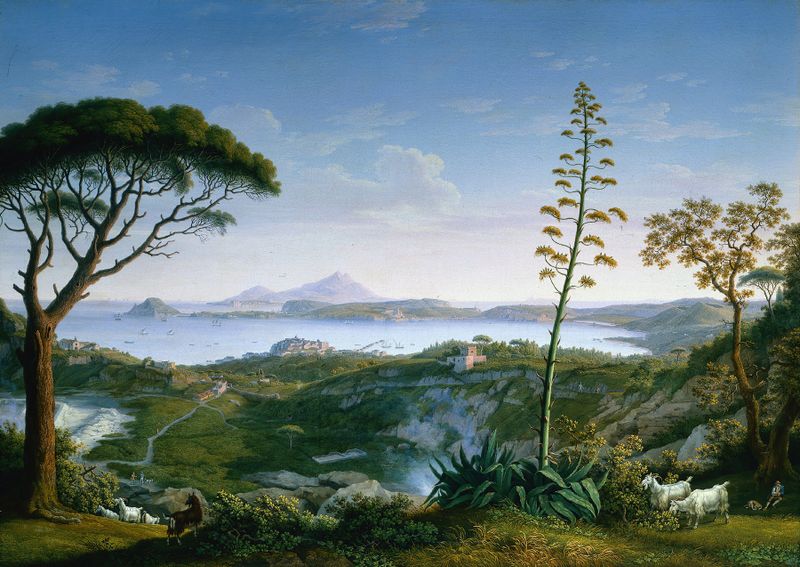
View of the Gulf of Pozzuoli from Solfatara
Jacob Philipp Hackert

View of Saint Peter’s in Rome
Jacob Philipp Hackert





